
Abdominal tumour treatment may involve surgery, medicines, or supportive therapies to control or remove growths inside the abdomen. The goal is to prevent tumours from spreading, reduce discomfort, and protect vital organs.
An abdominal tumour is an abnormal growth that can form in organs such as the stomach, liver, kidneys, intestines, ovaries, or uterus. These growths can be benign (non-cancerous) or malignant (cancerous). Benign tumours may remain stable, but malignant tumours often spread to nearby tissues if not treated.
A common myth is that all tumours are cancer. In reality, some tumours grow slowly and stay in one place, while others are aggressive and require urgent treatment. Doctors assess the tumour’s location, type, and growth pattern to decide whether monitoring, surgery, or additional therapies are needed. The final decision is made after detailed medical evaluation and diagnostic confirmation.
Abdominal tumours can develop in different areas of the abdomen. The most common include:
To confirm the type of tumour, doctors usually rely on imaging tests and biopsies. These results guide treatment decisions and help create the most effective plan for each patient.

People need abdominal tumour treatment when doctors detect abnormal growths in the stomach or abdominal area. These tumours can press on nearby organs, cause pain, or block digestion. Treatment helps reduce discomfort, control tumour growth, and prevent serious complications.
Some tumours are cancerous, while others are not. Yet even non-cancerous tumours can cause serious issues if they enlarge or get infected. Treating them early often results in better outcomes and improves quality of life.
The main factors that can cause abdominal tumours include:
Abdominal tumours may not cause obvious signs at first. Many people experience mild stomach issues and ignore them. As the tumour grows, it can affect digestion, comfort, and energy. If you wonder how to know if there is a tumour in the stomach, watch for persistent changes.
Common symptoms include:
These signs may also appear in other conditions, but if they last more than two weeks, it is important to consult a doctor.
Doctors may recommend treatment if:
If you are unsure what to do if there is a tumour in the stomach, the first step is to consult a specialist and get the recommended tests. Early diagnosis allows more treatment options and better recovery chances.
Doctors may suggest one or more of these:
These tests help determine the nature of the tumour and guide the treatment plan.
Hearing about a possible tumour can be worrying. Some people delay seeking help, hoping the symptoms will pass. But if you suspect something is wrong, it’s important not to ignore it.
First steps to take:
Taking these steps early helps doctors confirm the diagnosis and begin treatment promptly, and myheco can help connect patients with the right specialists to improve outcomes and reduce complications.
Renowned hospitals worldwide provide advanced care for abdominal tumour patients. These centres combine expert oncology teams, modern equipment, and dedicated international patient support.
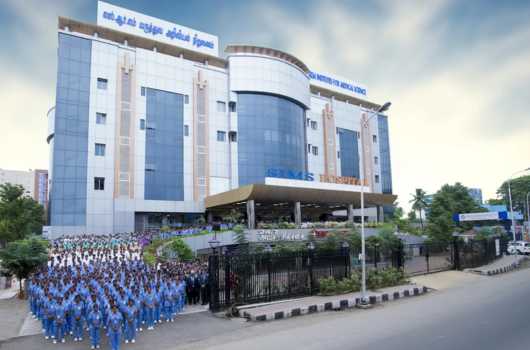
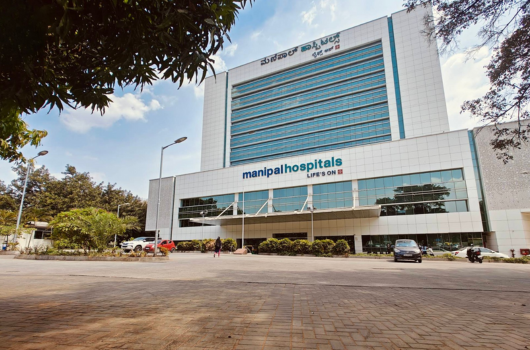
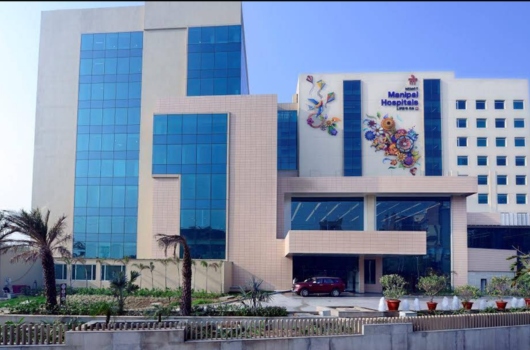
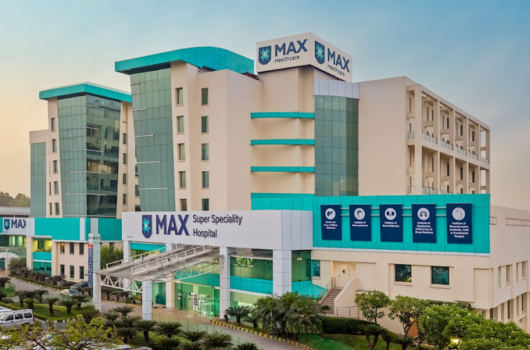
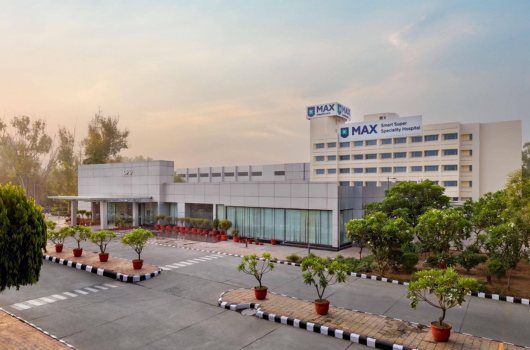
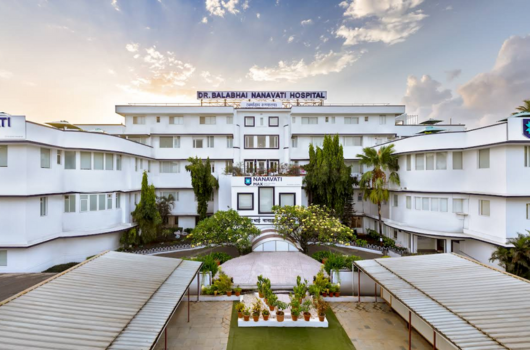
Some of the leading hospitals for abdominal tumour care are:

.png)




.png)
These hospitals follow international protocols for cancer treatment and are equipped to support patients through every stage, from diagnosis to surgery, therapy, and rehabilitation.
The average cost of abdominal cancer treatment ranges from $3,500 to $8,000 in India and between $9,000 and $18,000 in Thailand. The final cost may vary depending on the treatment method, hospital location, and tumour type. Before reviewing the detailed table of treatment costs, it’s important to understand the key factors that affect these expenses.
Note: India is well known for offering cost-effective advanced cancer treatment. Hospitals combine affordability with strong clinical outcomes, supported by skilled oncologists and the availability of high-quality generic medicines.
Note: Thailand’s hospitals are recognised as premium destinations for international patients. Higher treatment costs often reflect advanced imported medicines, modern infrastructure, and comprehensive patient care services.
The above figures are approximate and can vary based on the hospital, location, and individual patient requirements. Always consult the healthcare provider for the most accurate and up-to-date pricing.
The currency conversion rates in the table above are based on data from February 2026.
For a detailed cost estimate and guidance on treatment options, patients can reach out to myheco to connect with leading hospitals specialising in abdominal tumour care.
The success rates of abdominal tumour treatment depend on the tumour type, its location, and the stage at which it is diagnosed.
These statistics underline how crucial early diagnosis and prompt treatment are.
In abdominal tumour care, success is not always defined by a cure. It may also involve:
Renowned hospitals adopt a comprehensive, patient-centred approach to abdominal tumour treatment, which often includes:

Dr. K.J. Raghunath, Consultant Cancer Surgeon at Apollo Hospitals, Chennai, explains that pancreatic cancer can be treated effectively if it is detected at an early stage. He notes that radical surgery is the primary treatment, and when the tumour is localised, it can be removed completely with clear margins. In more advanced cases, chemotherapy or radiotherapy may first be given to shrink the tumour before surgery. He stresses that early diagnosis is critical, as patients with small, localised tumours have the best chance of achieving long-term survival.
Choosing myheco means expert care, faster access, and comprehensive support throughout your treatment journey.
Note: Myheco does not provide medical advice.
A 53-year-old Bangladeshi man was diagnosed with colon cancer after presenting with bleeding and severe weakness. In addition to a weak heart, he was also found to have thyroid cancer, which made his condition highly complex. Specialists at Apollo Proton Cancer Centre, Chennai, took on the challenge, and a multidisciplinary team successfully carried out robotic colon surgery along with thyroid removal. The patient made a good recovery without major complications.
✅ Share your medical reports
✅ Receive personalised treatment plans from leading hospitals
✅ Choose the option that suits you best
✅ Let us handle the arrangements

Doctors may use ultrasound, CT scans, MRI, endoscopy, or biopsy to confirm and classify abdominal tumours. The choice of tests depends on symptoms, tumour location, and clinical findings.
No. Some tumours are benign (non-cancerous) and do not spread, while others are malignant (cancerous) and require treatment. Only proper medical evaluation can determine the nature of a tumour.
Treatment may include surgery, chemotherapy, radiotherapy, or targeted therapy, depending on the tumour type and stage. Treatment plans are individualised and decided by a specialist team.
Recovery varies, but most patients spend 1-2 weeks in the hospital and need 4-6 weeks to resume daily activities. Recovery time can differ based on procedure complexity and overall health.
Doctors often recommend a balanced diet, regular exercise, avoiding smoking or alcohol, and routine follow-ups to lower the risk of recurrence. Lifestyle recommendations may vary based on medical condition and treatment history. Support services are non-medical and do not replace clinical care or medical advice.
Myheco assists with doctor consultations, cost estimates, medical visa letters, flight bookings, and airport pickup services. Multilingual coordinators guide patients from their first medical report through to post-treatment follow-up.
India has several leading hospitals that specialise in abdominal tumour treatment. In Chennai, top centres include SIMS Hospital, MGM Healthcare, Apollo Cancer Institute, and the Apollo Proton Cancer Centre. Bangalore’s Manipal Hospital Main Hospital Oncology is well-known. In Delhi, Manipal Hospital Dwarka, Max Hospital Saket, and BLK-Max Hospital are major centres. Mumbai’s Nanavati Max Hospital and Kolkata’s Manipal Hospitals EM Bypass (Medica Synergie Cancer Hospital) are also recognised.
Samitivej Hospital is a leading choice for abdominal tumour care in Thailand. It provides advanced diagnostics, minimally invasive surgery, precision radiation therapy, and personalised care with an expert oncology team.


DISCLAIMER: THIS WEBSITE DOES NOT PROVIDE MEDICAL ADVICE
The information, including but not limited to, text, graphics, images and other material contained on this website are for informational purposes only. No material or content on this site is intended to be a substitute for professional medical advice, diagnosis, or treatment. Always seek the advice of your physician or other qualified health care provider with any questions you may have regarding a medical condition or treatment and before undertaking a new health care regimen, and never disregard professional medical advice or delay in seeking it because of something you have read on this website - www.myheco.com

.png)