
Blood disorders affect the way blood cells function and can involve red blood cells, white blood cells, or platelets. Some of the most common conditions include anaemia, thalassaemia, and leukaemia.
Anaemia happens when the body lacks sufficient red blood cells or haemoglobin. This reduces oxygen supply in the body and can lead to tiredness, pale skin, and difficulty in breathing.
Anaemia is caused by the lack of essential nutrients such as iron, vitamin B12, or folic acid, or sometimes by chronic health conditions.
Although many believe that anaemia only affects women, the condition can occur in anyone, men, women, and children. Women are at higher risk due to pregnancy and menstruation, but anaemia is not limited to them.
Thalassaemia is an inherited blood condition in which the body makes less haemoglobin than usual. This limits oxygen delivery to tissues and often requires regular treatment.
The condition may range from mild (thalassaemia minor) to severe (thalassaemia major), depending on how the faulty gene is inherited.
Leukaemia is a form of blood cancer that begins in the bone marrow and spreads into the blood. It affects white blood cells and weakens the immune system, making the body prone to infections.
There are different types of leukaemia, each requiring specific treatment strategies.
Blood disorders can cause weakness, frequent infections, and long-term complications. However, with the right treatment, many people are able to recover or manage these conditions effectively.

People need blood disorder treatment when their blood cells do not function properly. Treatment helps restore energy, prevent infections, and reduce the risk of complications affecting vital organs such as the heart, liver, or immune system. In some cases, early treatment can save lives and reduce the need for long-term hospital care.
Anaemia is caused by the lack of what? Anaemia often develops when the body lacks iron, vitamin B12, or folic acid. These nutrients are essential for producing healthy red blood cells. Without them, haemoglobin levels drop and oxygen delivery in the body decreases.
Other causes of anaemia include:
Anaemia can develop slowly, and many people only realise it when symptoms such as fatigue or dizziness appear.
Thalassaemia is an inherited condition passed down through genes. A faulty gene prevents the body from producing normal haemoglobin.
What to do for a thalassaemia patient:
Management of thalassaemia should be personalised based on the patient’s condition, age, and medical history. Always consult a qualified haematologist or healthcare professional before making any treatment decisions.
Leukaemia begins in the bone marrow and leads to the production of abnormal white blood cells. While the exact cause is not always clear, risk factors include:
These abnormal cells interfere with the production of healthy blood cells, weakening the immune system.
Blood disorders may begin with mild signs or remain unnoticed for months. Over time, they affect how the body carries oxygen, fights infections, and maintains energy levels. Many people mistake these problems for simple tiredness, but recognising them early leads to better treatment results.
These symptoms may appear gradually. A basic blood test can confirm anaemia if such signs continue.
In severe forms like thalassaemia major, symptoms often begin within the first year of life. Early diagnosis helps reduce complications.
Leukaemia symptoms can appear similar to flu or common infections. If they persist for more than two weeks, medical evaluation is strongly recommended.
Doctors recommend treatment when tests confirm a blood disorder, such as:
Treatment for anaemia depends on its type, cause, and severity. Always consult a qualified doctor or haematologist for an accurate diagnosis and personalised care.
Early diagnosis and timely medical action improve recovery, reduce complications, and support long-term health. Myheco can connect you with leading hospitals and experienced haematology specialists for timely and advanced blood disorder treatment.
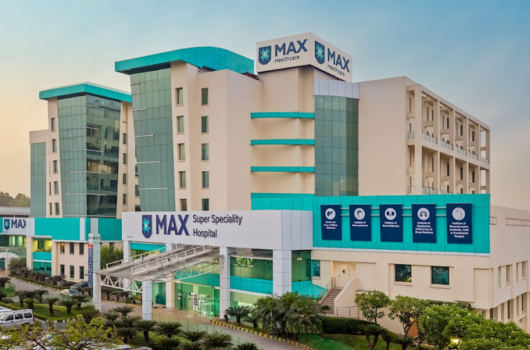
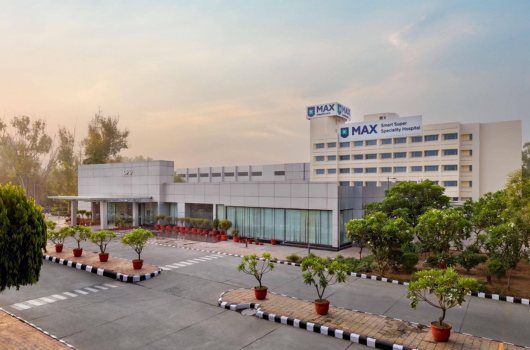
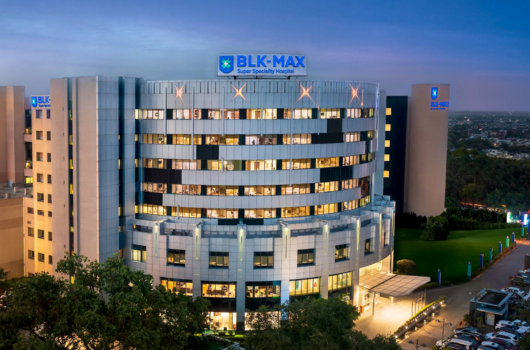
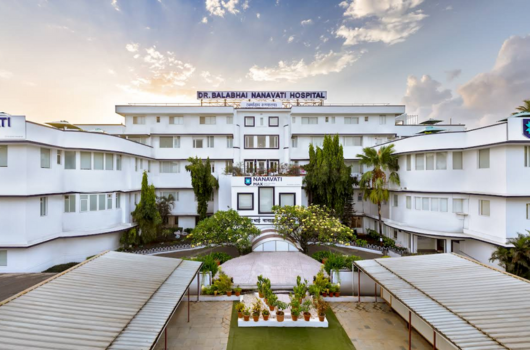
Some of the world’s leading hospitals provide advanced care for blood disorders such as anaemia, thalassaemia, and leukaemia. These centres combine modern technology, expert haematologists, and dedicated international patient services.
.png)

.png)

These hospitals follow international guidelines for blood disorder treatment and provide comprehensive support for patients from different countries, covering diagnosis, treatment, and follow-up even after they return home.
The average cost of blood disorder treatment ranges between $6,300 and $11,000 in India and from $19,300 to $24,800 in Thailand. The final cost depends on the type of disorder, treatment required, and the hospital chosen. Before checking the detailed table of treatment costs, it’s important to understand the main factors that influence these expenses.
Note: India has become a preferred destination for blood disorder treatment, providing world-class care at a fraction of international costs. Patients benefit from experienced haematologists, advanced diagnostic and therapeutic facilities, and affordable access to high-quality medications, making treatment both effective and economical.
Note: Thailand has become a leading destination for blood disorder treatment, featuring world-class hospitals, advanced diagnostic and therapeutic technology, and internationally trained haematologists. Patients choose Thailand for its high-quality medical care, personalised treatment plans, and a holistic approach that combines clinical excellence with exceptional comfort and support throughout their care journey.
The above figures are approximate and can vary based on the hospital, location, and individual patient requirements. Always consult the healthcare provider for the most accurate and up-to-date pricing.
The currency conversion rates in the table above are based on data from February 2026.
For a detailed cost estimate and guidance on treatment options, patients can contact myheco to connect with leading hospitals specialising in blood disorder treatment.
The outcomes of blood disorder treatments vary depending on the condition, the stage at which it is detected, and the treatment approach.
Leading hospitals focus on:
This blend of cutting-edge technology, skilled specialists, and holistic patient support ensures improved survival rates and quality of life for patients with blood disorders.

Dr. Amita Mahajan, Senior Consultant in Paediatric Haematology and Oncology at Indraprastha Apollo Hospitals, New Delhi, explains that babies born with thalassaemia usually require regular blood transfusions starting around 4 to 6 months of age. She emphasises that keeping haemoglobin levels within the normal range is essential for these children to live healthy lives. Ideally, haemoglobin should be maintained above 9.5 to 10 grams. Since each transfusion adds iron to the body, she notes that by the age of one to two years, patients also need treatment to remove the excess iron.
For patients seeking treatment abroad for blood disorders such as anaemia, thalassaemia, or leukaemia, timely medical coordination and clear guidance are essential. Managing transfusions, chemotherapy, or bone marrow transplantation often requires specialist care and structured planning. Myheco supports international patients by facilitating expert medical access, organising travel arrangements, and ensuring transparent cost guidance from initial consultation to follow-up care.
Choosing myheco means expert care, faster access, and complete support throughout your treatment journey.
Note: Myheco does not provide medical advice.
Arif, a 12-year-old boy from Dhaka, had been dependent on blood transfusions for thalassaemia since early childhood. His family sought treatment at Apollo Hospitals Chennai, where Dr. Revathi Raj performed a bone marrow transplant with a matched sibling donor. The procedure was successful, and Arif has now fully recovered without the need for further transfusions.
Mrs. Samira, a 35-year-old mother from Chittagong, was diagnosed with acute myeloid leukaemia. She underwent several rounds of chemotherapy in Bangladesh before her family reached out to Bangla Health Connect for guidance. She then travelled to Apollo Hospitals Chennai, where Dr. Sandeep and his team carried out a bone marrow transplant. The treatment was successful, and she achieved complete remission before safely returning home.
✅ Share your reports
✅ Get treatment plans from leading hospitals
✅ Choose the one that fits you
✅ Let us handle the rest

Anaemia often results from a lack of iron, vitamin B12, or folic acid. These nutrients are essential for producing healthy red blood cells.
Common signs include fatigue, pale skin, dizziness, and shortness of breath. A simple blood test can confirm the condition.
Treatment may include iron supplements, vitamin therapy, blood transfusions, or bone marrow transplant in severe cases. The best option depends on the cause. Treatment for anaemia varies depending on its type and underlying cause. Always consult a qualified doctor or haematologist for accurate diagnosis and personalised treatment.
Thalassaemia may cause pale skin, delayed growth, frequent infections, abdominal swelling, and dark-coloured urine.
Thalassaemia is a genetic blood disorder where the body cannot produce normal haemoglobin. It may be mild (thalassaemia minor) or severe (thalassaemia major).
Follow regular transfusions, manage iron levels with chelation therapy, maintain proper nutrition, and consider bone marrow transplant where possible. Management of thalassaemia should be tailored to each patient’s condition and supervised by a qualified haematologist or healthcare professional.
Leukaemia may cause fever, night sweats, bruising, bone pain, swollen glands, weight loss, and frequent infections.
Yes. Certain types, such as acute lymphoblastic leukaemia in children, have high cure rates when treated early with chemotherapy or bone marrow transplant. Cure rates for leukaemia vary by type, age, and individual health. Always consult a qualified haematologist or oncologist for personalised diagnosis and treatment advice.
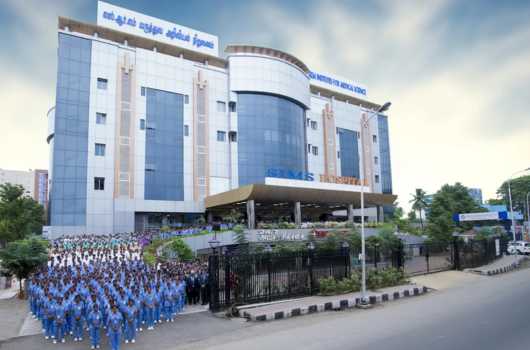
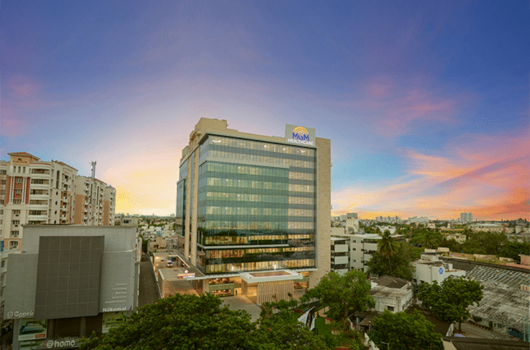
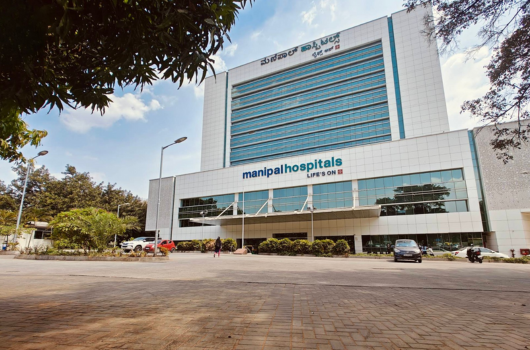
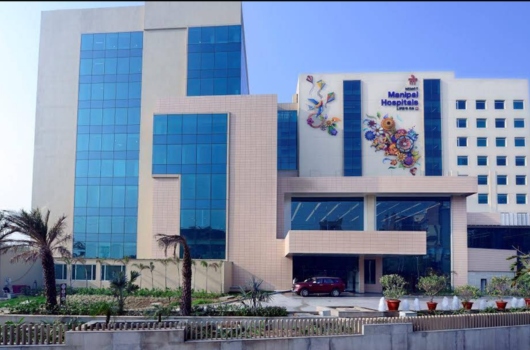
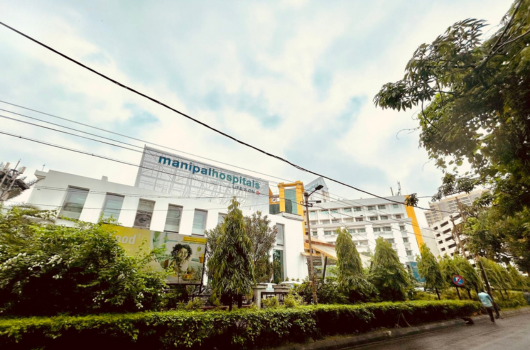
India has many leading hospitals that specialise in blood disorder care. In Chennai, top centres include SIMS Hospital, MGM Healthcare, Apollo Cancer Institute, and the Apollo Proton Cancer Centre. Bangalore’s Manipal Hospital Main Hospital Oncology provides advanced BMT and haematology services. In Delhi, Manipal Hospital Dwarka, Max Hospital Saket, and BLK-Max Hospital are recognised for treating thalassaemia and leukaemia. Mumbai’s Nanavati Max Hospital and Kolkata’s Manipal Hospitals EM Bypass (Medica Synergie Cancer Hospital) also offer comprehensive blood disorder treatment.
Samitivej Sukhumvit Hospital and Samitivej Srinakarin Hospital are the top choices for blood disorder treatment in Thailand. They offer advanced diagnostic facilities, bone marrow transplant services, and precision therapies with strong international patient support.
Note: Costs and outcomes are approximate and may vary by hospital, location, and patient needs. Always consult your treating doctor for specific guidance.


DISCLAIMER: THIS WEBSITE DOES NOT PROVIDE MEDICAL ADVICE
The information, including but not limited to, text, graphics, images and other material contained on this website are for informational purposes only. No material or content on this site is intended to be a substitute for professional medical advice, diagnosis, or treatment. Always seek the advice of your physician or other qualified health care provider with any questions you may have regarding a medical condition or treatment and before undertaking a new health care regimen, and never disregard professional medical advice or delay in seeking it because of something you have read on this website - www.myheco.com

.png)