
Acute myeloid leukaemia (AML) treatment focuses on removing cancerous cells from the bone marrow and restoring normal blood cell production. It usually combines chemotherapy, targeted therapy, stem cell transplant, and, in some cases, radiation therapy.
AML is a blood and bone marrow cancer that develops from immature white blood cells (called myeloblasts). These abnormal cells grow quickly, crowding out healthy blood cells and leading to symptoms such as anaemia, infections, and bleeding problems.
A common misconception is that AML only affects older adults. While it is more common in people over 60, it can also occur in children and young adults.
The main types of AML include:
Doctors design a treatment plan based on:
The goal of treatment is to achieve remission, restore healthy blood counts, and prevent relapse. Early diagnosis and advanced care greatly improve survival chances.

AML treatment is necessary because the disease progresses rapidly and can be life-threatening if left untreated. Proper care helps control abnormal blood cell growth, reduce infection risks, and improve survival.
The exact cause is not always known, but several factors increase the risk:
AML symptoms are often mistaken for common illnesses. Warning signs include:
Doctors recommend starting AML treatment when:
Early diagnosis and timely treatment greatly improve the chances of remission. Patients can connect with myheco for guidance on the leading hospitals and treatment plans.
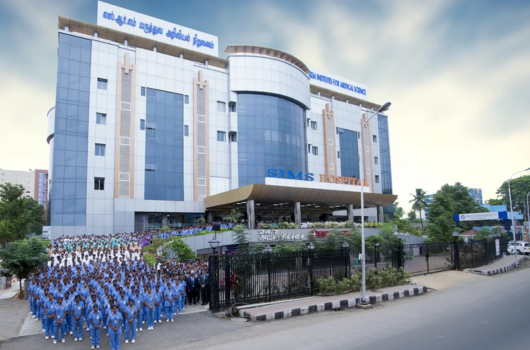
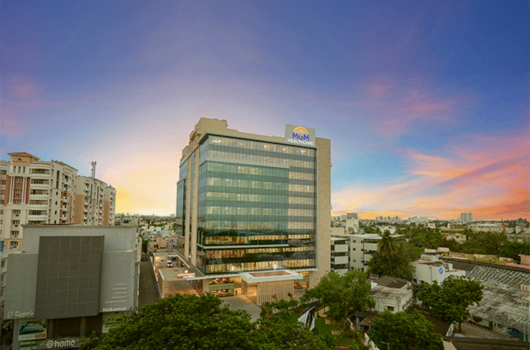
Some of the world’s most advanced cancer hospitals offer specialised care for patients with Acute Myeloid Leukaemia (AML) and other blood cancers. These centres provide comprehensive haematology services, including chemotherapy, targeted therapy, supportive care, and stem cell transplantation where clinically appropriate. Treatment is typically delivered by experienced haematologists working within multidisciplinary oncology teams.
Leading hospitals for Acute Myeloid Leukaemia (AML) care include:
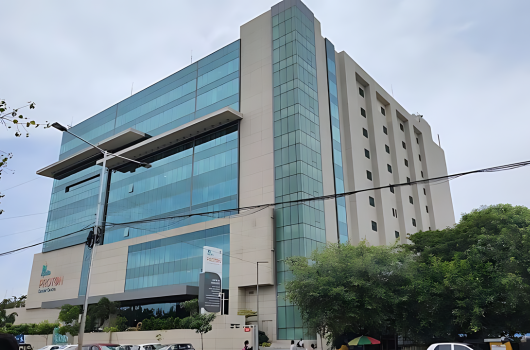
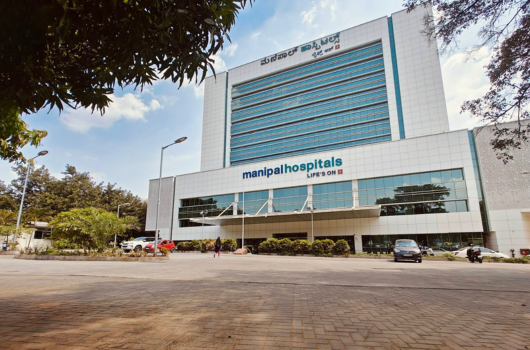
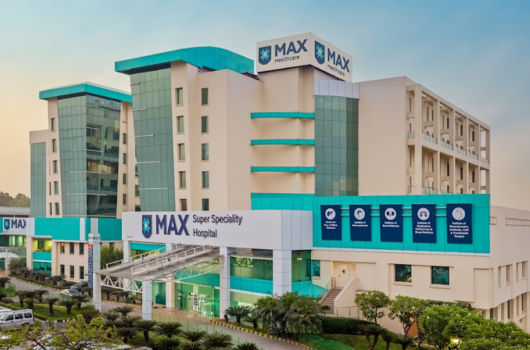
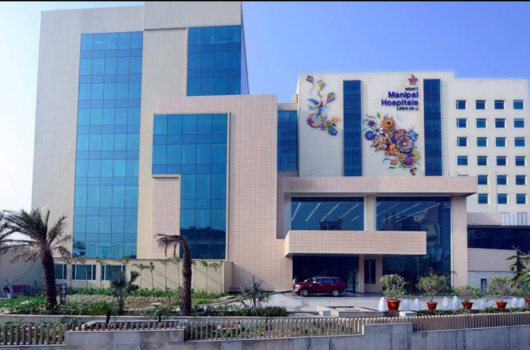
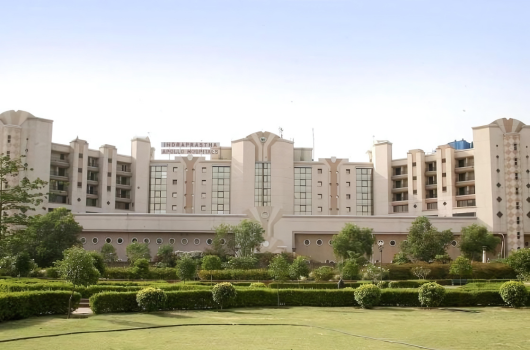
.jpeg)

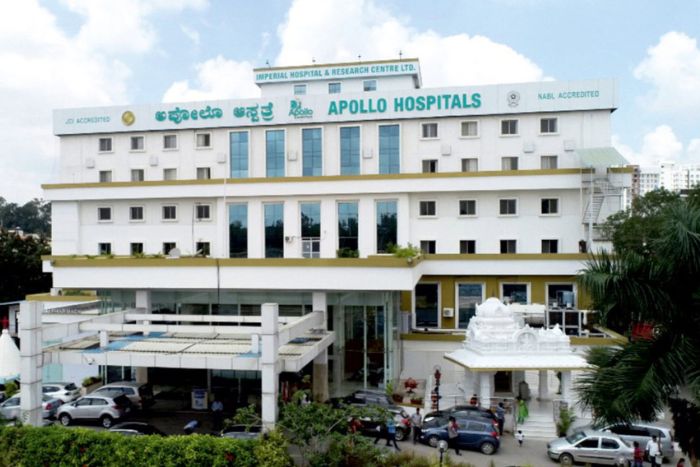
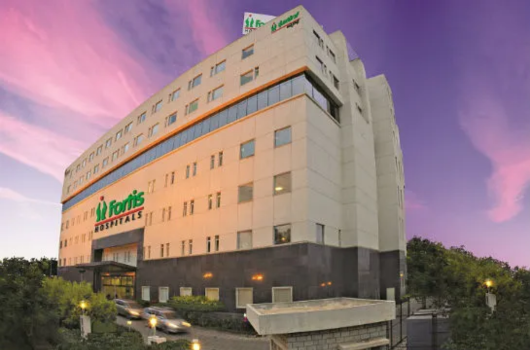
.png)
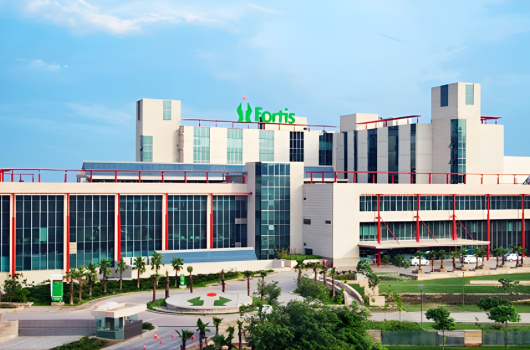
.png)
.png)
.png)
.png)
These hospitals provide evidence-based treatment protocols, stem cell transplant expertise, and coordinated care for international patients seeking treatment for Acute Myeloid Leukaemia (AML).
The typical cost of Acute Myeloid Leukaemia (AML) treatment usually ranges between $8,000 to $35,000 in India and $20,000 to $75,000 in Thailand in Thailand. However, the overall cost can vary depending on the treatment plan, hospital, and the patient’s condition. Before reviewing the detailed cost breakdown, it is important to understand the key factors that influence these expenses.
Note: India is a preferred destination for AML treatment due to its combination of experienced haematologists, advanced treatment options, and relatively cost-effective care. However, the total cost may increase in cases requiring stem cell transplantation or prolonged hospitalisation.
Note: Thailand is known for advanced AML treatment with modern infrastructure and internationally trained specialists. Costs are generally higher, particularly for transplant procedures and specialised therapies.
The above figures are approximate and may vary based on the hospital, treatment plan, and individual patient requirements. Patients are advised to consult healthcare providers for accurate and personalised cost estimates.
The currency conversion rates in the table above are based on data from April 2026.
For a detailed cost estimate and guidance on treatment options, patients can contact myheco to connect with leading hospitals specialising in AML treatment and blood cancer care.
Success rates for AML treatment vary depending on the patient’s age, subtype of AML, and whether a stem cell transplant is performed.
Success in AML treatment does not always mean a cure. It may include:
Renowned cancer hospitals adopt a comprehensive approach to AML treatment, including:
This blend of modern technology, experienced specialists, and patient-centred care has improved remission rates and survival outcomes for AML patients worldwide.

Dr. Padmaja Lokireddy from Apollo Cancer Centre, Hyderabad, explains that acute leukaemias like AML progress quickly and need urgent treatment. She notes that stem cell transplant can provide long-term remission, with many patients achieving survival beyond five years. She also highlights that new options like CAR-T therapy are emerging for high-risk cases.
myheco ensures that international patients receive complete support, from connecting with experienced haematology and oncology specialists to managing every aspect of their treatment journey. With transparent guidance, expert coordination, and trusted hospital partnerships, myheco helps patients access advanced AML treatment safely and efficiently.
Choosing myheco means expert care, faster access, and comprehensive support throughout your treatment journey.
Note: myheco does not provide medical advice.
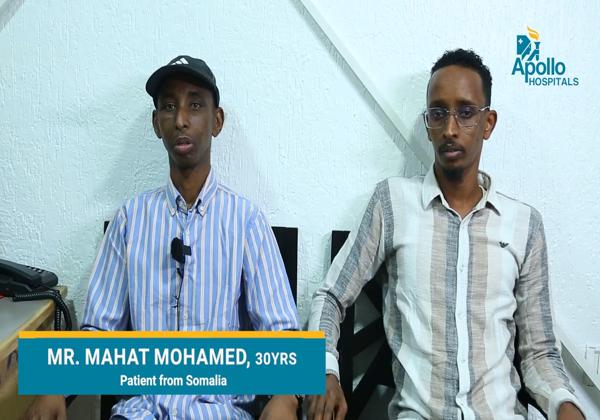
A 30-year-old man from Somalia arrived at Apollo Cancer Hospital, Hyderabad, with severe weight loss and very high white blood cell counts. He was diagnosed with acute myeloid leukaemia (AML) carrying the high-risk FLT3D mutation. Initial chemotherapy reduced his cancer but did not achieve remission. A second-line FLAG regimen was successful, followed by an allogeneic sibling stem cell transplant. Three months later, he is in full remission with 100% donor chimerism and is preparing to return home.

Mr. Sheshagiri Rao, a 70-year-old advocate from Kovvuru, was diagnosed with acute myeloid leukaemia (AML) at an advanced stage after months of severe leg pain and sleeplessness. Under the care of Dr. Padmaja Lokireddy at Apollo Hospitals, Hyderabad, he received a gentle chemotherapy plan tailored to his age and health conditions. Over two years, he gradually regained strength and is now living a healthy life. His wife expressed deep gratitude for the compassionate care, while Dr. Lokireddy highlighted that age is not a barrier to AML treatment.
✅ Share your medical reports
✅ Receive personalised treatment plans from leading hospitals
✅ Choose the option that suits you best
✅ Let us handle the arrangements

AML symptoms may include fatigue, frequent infections, unexplained bleeding, bone pain, and weight loss. However, symptoms can vary between individuals, and some patients may not notice early signs. A blood test and bone marrow biopsy are required to confirm the diagnosis.
AML is managed by haematologists, oncologists, and bone marrow transplant specialists working as a coordinated multidisciplinary team, depending on the patient’s condition and treatment plan.
Treatment duration can vary widely based on the stage of the disease and response to therapy. It may last several months, including chemotherapy cycles, targeted therapy, or transplant recovery, followed by long-term monitoring and follow-up care.
Survival rates depend on several factors, including age, overall health, genetic subtype, and response to treatment. While younger patients may have a 40-50% five-year survival rate, outcomes can vary significantly, and individual prognosis should always be discussed with a treating specialist.
Yes, most hospitals allow one or two accompanying family members. Visa policies may vary by country, but a medical attendant visa is typically arranged to support caregivers during treatment.
Not always. Some patients achieve remission with chemotherapy and targeted therapies alone, while a stem cell transplant may be recommended for high-risk or relapsed cases based on clinical evaluation.
myheco assists with doctor consultations, cost estimates, visa arrangements, travel coordination, and follow-up care, helping international patients access appropriate treatment and support throughout their medical journey.
India’s leading hospitals for Acute Myeloid Leukaemia (AML) treatment include Apollo Proton Cancer Centre, Apollo Cancer Institute, SIMS Hospital, MGM Healthcare, and Rela Hospital in Chennai; Manipal Hospital, Apollo Hospital, and Fortis Hospital in Bangalore; Max Hospital, BLK-Max Super Speciality Hospital, Manipal Hospital Dwarka, Medanta – The Medicity, Indraprastha Apollo Hospital, Apollo Athena Cancer Hospital, and Fortis Hospital in Delhi; Nanavati Max Super Speciality Hospital, Apollo Hospital, and Fortis Hospital in Mumbai; and Apollo Hospitals in Hyderabad. These centres provide multidisciplinary haematology and oncology care, advanced diagnostics, chemotherapy, targeted therapy, immunotherapy, and stem cell transplant services for comprehensive AML management.
In Thailand, Samitivej Sukhumvit Hospital in Bangkok is internationally recognised for advanced haematology services, chemotherapy, targeted therapy, stem cell transplantation, and integrated cancer care. The hospital also provides structured international patient services, supporting patients travelling from overseas for AML treatment.
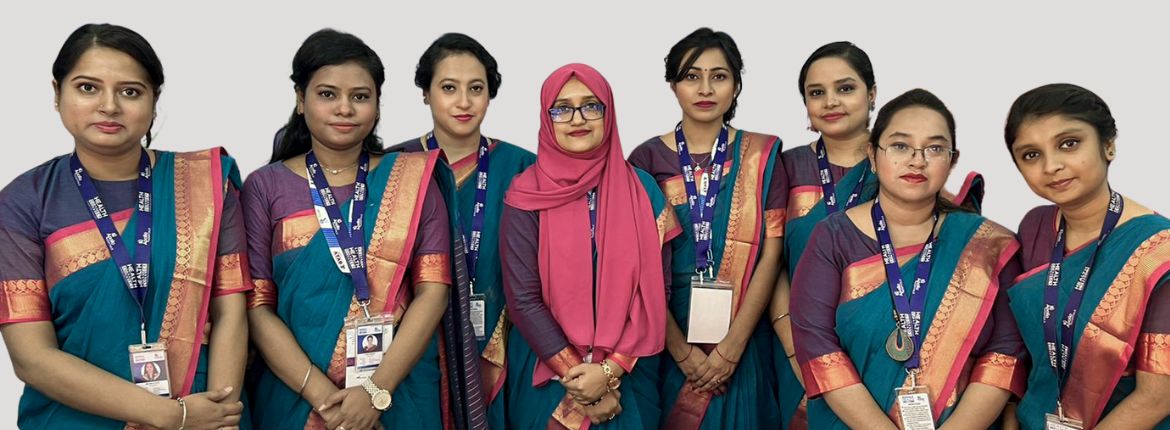

DISCLAIMER: THIS WEBSITE DOES NOT PROVIDE MEDICAL ADVICE
The information, including but not limited to, text, graphics, images and other material contained on this website are for informational purposes only. No material or content on this site is intended to be a substitute for professional medical advice, diagnosis, or treatment. Always seek the advice of your physician or other qualified health care provider with any questions you may have regarding a medical condition or treatment and before undertaking a new health care regimen, and never disregard professional medical advice or delay in seeking it because of something you have read on this website - www.myheco.com

.png)