
Acute lymphoblastic leukaemia (ALL) is a fast-growing cancer of the blood and bone marrow. It happens when the body produces too many immature white blood cells called lymphoblasts. These abnormal cells crowd out healthy blood cells, making it difficult for the body to fight infections, carry oxygen, and stop bleeding.
While ALL is most common in children, it can also occur in adults. Early signs often resemble common illnesses such as fever, tiredness, or frequent infections, which may delay diagnosis.
A common misconception is that bone marrow tests or biopsies are unbearable. In reality, these procedures are performed under anaesthesia or with pain relief and are crucial for early detection and treatment planning.
Understanding ALL, its risk factors, warning symptoms, and available treatment options is essential for patients and families. With modern therapies, including chemotherapy, targeted therapy, and bone marrow transplant, many patients achieve long-term remission and go on to live healthy lives.

People need acute lymphoblastic leukaemia (ALL) treatment to control the rapid growth of abnormal white blood cells, restore healthy blood cell production, and prevent the disease from spreading to other parts of the body, such as the brain or spinal cord. Early treatment greatly improves survival rates, reduces the risk of life-threatening infections or bleeding, and increases the chance of long-term remission and cure.
The exact causes of acute lymphoblastic leukaemia (ALL) are not fully understood, but several factors are linked to a higher risk:
Symptoms of acute lymphoblastic leukaemia (ALL) can develop quickly and are often mistaken for common viral infections or general fatigue. Recognising these early signs is vital for timely diagnosis and effective treatment. Common symptoms include:
These symptoms lead to treatment once blood tests and bone marrow studies confirm the presence of acute lymphoblastic leukaemia. Because ALL progresses quickly, early detection is critical to starting therapy without delay. Timely treatment helps control abnormal cell growth, reduce complications, and improve long-term survival chances.
How to Detect Acute Lymphoblastic Leukaemia?
Early detection of acute lymphoblastic leukaemia can greatly improve treatment outcomes. If ALL is suspected, doctors may recommend the following tests:
Finding acute lymphoblastic leukaemia (ALL) early and starting treatment without delay can greatly improve the chances of remission and long-term survival. If you or a loved one notices any of these symptoms, myheco can connect you with leading haematology specialists at trusted hospitals.
Some of the world’s most advanced cancer hospitals offer specialised care for patients with Acute Lymphoblastic Leukaemia (ALL) and other blood cancers. These centres provide comprehensive haematology services, including chemotherapy, targeted therapy, immunotherapy, and stem cell transplantation where clinically appropriate. Treatment is typically delivered by experienced haematologists working within multidisciplinary oncology teams.
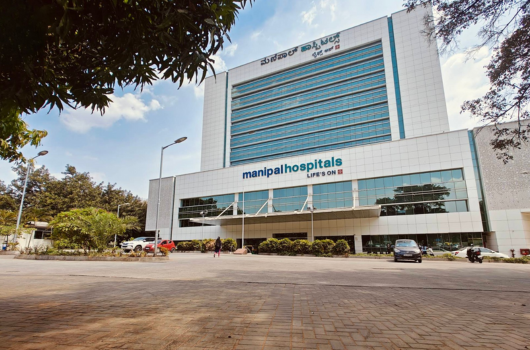
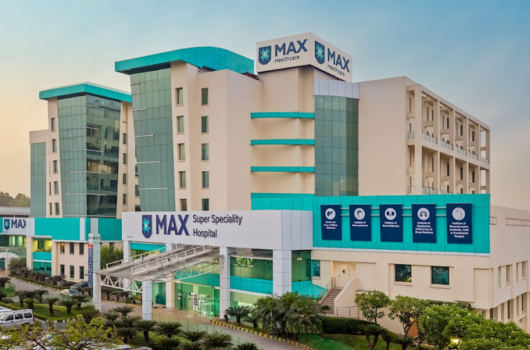
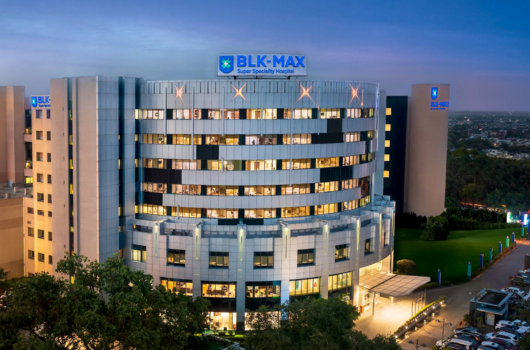
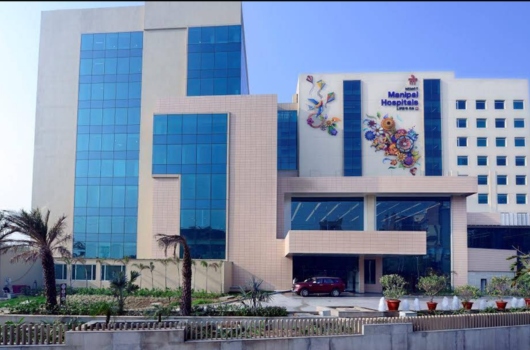
Leading hospitals for Acute Lymphoblastic Leukaemia (ALL) care include:


.jpg)



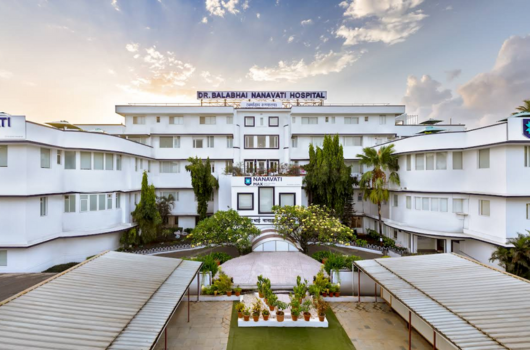
.png)

.png)
.png)
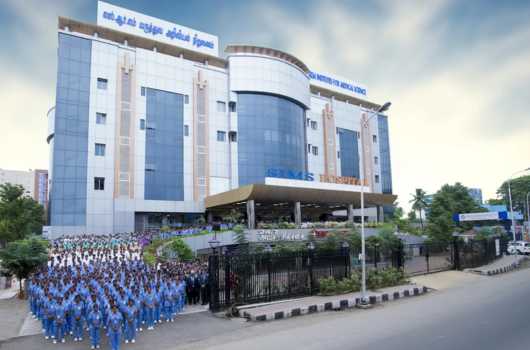

.png)
.png)

These hospitals provide evidence-based treatment protocols, stem cell transplant expertise, and coordinated care for international patients seeking treatment for Acute Lymphoblastic Leukaemia (ALL).
The typical cost of Acute Lymphoblastic Leukaemia (ALL) treatment usually ranges between $10,000 and $25,000 in India and from $12,000 to $50,000 in Thailand. However, the overall cost can vary depending on the treatment protocol, duration of therapy, and whether a bone marrow transplant is required. Before reviewing the detailed cost breakdown, it is important to understand the key factors influencing these expenses.
Note: India is a preferred destination for ALL treatment due to its combination of experienced haematologists, advanced therapies, and relatively cost-effective care. However, the total cost may increase in cases requiring prolonged therapy or stem cell transplantation.
Note: Thailand is recognised for advanced ALL treatment with modern infrastructure and internationally trained specialists. Costs may be higher, particularly for transplant procedures and specialised therapies.
The above figures are approximate and may vary based on the hospital, treatment plan, and individual patient requirements. Patients are advised to consult healthcare providers for accurate and personalised cost estimates.
The currency conversion rates in the table above are based on data from April 2026.
For a detailed cost estimate and guidance on treatment options, patients can contact myheco to connect with leading hospitals specialising in ALL treatment and blood cancer care.
Survival rates for acute lymphoblastic leukaemia (ALL) vary by age and overall health. According to Cancer Research UK,
These statistics show that early diagnosis and timely treatment can significantly improve outcomes, and younger patients tend to have a more favourable prognosis.
Leading hospitals provide patient-centred care with accurate diagnosis, personalised treatment plans, and coordinated support. Their approach includes:
This integrated approach helps patients achieve remission, lowers the risk of relapse, and improves survival outcomes with better quality of life.

Dr. Rayaz Ahmed from Max Super Speciality Hospital, Saket, highlights that treatment outcomes for children with Acute Lymphoblastic Leukaemia (ALL) are highly encouraging. For relapsed patients, advanced options such as bone marrow transplant and CAR T-cell therapy offer hope. While sibling donor transplants provide the best results, haploidentical (parent) transplants are also increasingly successful. Despite infection risks, advances in immunotherapy and transplant techniques now enable 40-50% long-term cures even in difficult, relapsed cases.
Myheco ensures that international patients receive complete support—from connecting with experienced haematology and oncology specialists to managing every aspect of their treatment journey. With transparent guidance, expert coordination, and trusted hospital partnerships, myheco helps patients access advanced Acute Lymphoblastic Leukaemia (ALL) treatment safely and efficiently.
Choosing myheco means expert care, faster access, and comprehensive support throughout your treatment journey.
Note: Myheco does not provide medical advice.
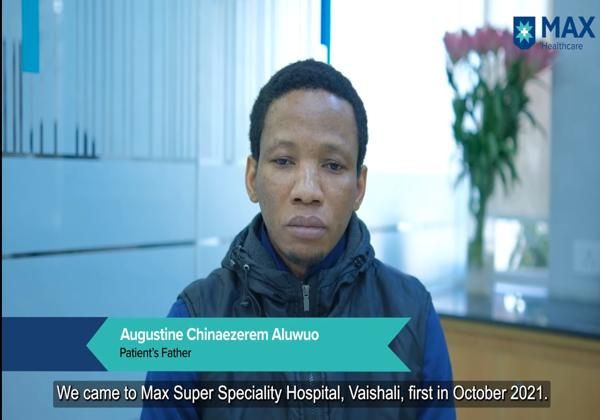
Maximillian, a 7-year-old boy from Nigeria, came to Max Super Speciality Hospital, Vaishali, for treatment of relapsed Acute B Lymphoblastic Leukaemia (ALL). Under the expert care of Dr. Esha Kaul, Associate Director, Medical Oncology, he underwent a haploidentical stem cell transplant using his younger sister as the donor.
The procedure was challenging due to his weak immune system and a severe fungal lung infection, but it was completely successful. Throughout his treatment, complications were carefully managed, allowing him to recover fully and lead a normal, healthy childhood. His family expresses heartfelt gratitude to Dr. Esha Kaul and the Max Hospital team that gave Maximillian a new lease on life.
Dr. Ankita Patil was diagnosed with Acute Lymphoblastic Leukaemia (ALL) in January 2017 and underwent a bone marrow transplant in June 2017 at Manipal Hospital, Bangalore. Under the expert care of Dr. Mallikarjun Kalashetty and a dedicated team of oncologists, surgeons, and nurses, her treatment was successful, and she regained her health. Dr. Ankita expresses heartfelt gratitude to the entire Manipal Hospital team that gave her a second chance at life.
✅ Share your medical reports
✅ Receive personalised treatment plans from leading hospitals
✅ Choose the option that suits you best
✅ Let us handle the arrangements

Yes, ALL is highly treatable, especially when diagnosed early. With modern chemotherapy, targeted therapy, immunotherapy, and bone marrow transplant, many patients achieve long-term remission or a complete cure.
Treatment depends on the patient’s age, disease subtype, and risk factors. Options include multi-phase chemotherapy, targeted therapy (for specific genetic mutations), immunotherapy (such as CAR T-cell therapy), and bone marrow or stem cell transplant.
Recovery varies depending on the treatment type and intensity. Chemotherapy cycles, immunotherapy, and transplant procedures may require several months of treatment and follow-up. Patients are monitored regularly to manage side effects and ensure blood counts return to normal.
Most cases of ALL cannot be prevented as the exact cause is often unknown. However, minimising exposure to high-dose radiation, avoiding certain chemicals, and regular health checkups may help detect abnormalities early.
Myheco assists with online consultations, second opinions, connecting patients with expert haematologists, arranging medical visas, flight bookings, airport transfers, cost estimates, and providing multilingual support throughout the treatment journey.
India’s leading hospitals for Acute Lymphoblastic Leukaemia (ALL) treatment include Apollo Proton Cancer Centre, Apollo Cancer Institute, SIMS Hospital, MGM Healthcare, and Rela Hospital in Chennai; Manipal Hospital, Apollo Hospital, and Fortis Hospital in Bangalore; Max Hospital, BLK-Max Super Speciality Hospital, Manipal Hospital Dwarka, Medanta – The Medicity, Indraprastha Apollo Hospital, Apollo Athena Cancer Hospital, and Fortis Hospital in Delhi; Nanavati Max Super Speciality Hospital, Apollo Hospital, and Fortis Hospital in Mumbai; and Apollo Hospitals in Hyderabad. These centres provide multidisciplinary haematology and oncology care, advanced diagnostics, chemotherapy, targeted therapy, immunotherapy, and stem cell transplant services for comprehensive ALL management.
In Thailand, Samitivej Sukhumvit Hospital in Bangkok is internationally recognised for advanced haematology services, chemotherapy, targeted therapy, immunotherapy, stem cell transplantation, and integrated cancer care. The hospital also provides structured international patient services, supporting patients travelling from overseas for ALL treatment.


DISCLAIMER: THIS WEBSITE DOES NOT PROVIDE MEDICAL ADVICE
The information, including but not limited to, text, graphics, images and other material contained on this website are for informational purposes only. No material or content on this site is intended to be a substitute for professional medical advice, diagnosis, or treatment. Always seek the advice of your physician or other qualified health care provider with any questions you may have regarding a medical condition or treatment and before undertaking a new health care regimen, and never disregard professional medical advice or delay in seeking it because of something you have read on this website - www.myheco.com

.png)