Home
/
Treatment
/
Acute Myeloid Leukaemia (AML)

Acute Myeloid Leukaemia (AML) Treatment: Costs, Hospitals, and Global Care

What is Acute Myeloid Leukaemia (AML) Treatment?

Acute myeloid leukaemia (AML) treatment focuses on removing cancerous cells from the bone marrow and restoring normal blood cell production. It usually combines chemotherapy, targeted therapy, stem cell transplant, and, in some cases, radiation therapy.

AML is a blood and bone marrow cancer that develops from immature white blood cells (called myeloblasts). These abnormal cells grow quickly, crowding out healthy blood cells and leading to symptoms such as anaemia, infections, and bleeding problems.

A common misconception is that AML only affects older adults. While it is more common in people over 60, it can also occur in children and young adults.

The main types of AML include:

  • Acute promyelocytic leukaemia (APL) - a subtype with specific genetic changes, often treated differently.
  • Secondary AML - develops after other blood disorders such as myelodysplastic syndrome.
  • Therapy-related AML - occurs after chemotherapy or radiation for another cancer.

Doctors design a treatment plan based on:

  • The subtype of AML
  • Genetic mutations in leukaemia cells
  • The age and overall health of the patient
  • Whether AML has spread outside the bone marrow

The goal of treatment is to achieve remission, restore healthy blood counts, and prevent relapse. Early diagnosis and advanced care greatly improve survival chances.

Connect with us for expert Acute Myeloid Leukaemia treatment abroad!
We assist patients with Acute Myeloid Leukaemia treatment abroad, including consultations, hospital selection, and complete support.

Why Do People Need Acute Myeloid Leukaemia (AML) Treatment?

AML treatment is necessary because the disease progresses rapidly and can be life-threatening if left untreated. Proper care helps control abnormal blood cell growth, reduce infection risks, and improve survival.

Causes of AML

The exact cause is not always known, but several factors increase the risk:

  • Genetic mutations - changes in DNA that affect blood cell development.
  • Radiation exposure - previous high-dose radiation therapy.
  • Chemotherapy history - certain drugs used for earlier cancers.
  • Blood disorders - such as myelodysplastic syndromes or aplastic anaemia.
  • Age - risk increases with age, especially over 60.
  • Smoking - associated with a higher risk due to benzene exposure.

Symptoms of AML

AML symptoms are often mistaken for common illnesses. Warning signs include:

  • Persistent fatigue or weakness
  • Frequent infections that do not improve
  • Unexplained bruising or bleeding (gums, nosebleeds, or skin)
  • Anaemia - pale skin and shortness of breath
  • Bone or joint pain
  • Swelling in the gums or lymph nodes
  • Unexplained weight loss or loss of appetite

When These Symptoms Lead to Treatment

Doctors recommend starting AML treatment when:

  • Blood tests and bone marrow biopsy confirm leukaemia.
  • Symptoms such as infections, bleeding, or fatigue become severe.
  • AML spreads to the central nervous system or other organs.
  • Standard treatments fail, and advanced therapies or transplants are needed.

Early diagnosis and timely treatment greatly improve the chances of remission. Patients can connect with myheco for guidance on the leading hospitals and treatment plans.

Leading Hospitals for Acute Myeloid Leukaemia (AML) Treatment  

Some of the world’s most advanced cancer hospitals offer specialised care for patients with Acute Myeloid Leukaemia (AML) and other blood cancers. These centres provide comprehensive haematology services, including chemotherapy, targeted therapy, supportive care, and stem cell transplantation where clinically appropriate. Treatment is typically delivered by experienced haematologists working within multidisciplinary oncology teams.

Leading hospitals for Acute Myeloid Leukaemia (AML) care include:

Apollo Proton Cancer Centre, Chennai

This is some text inside of a div block.
150
Bed capacity
24/7
Support for patients

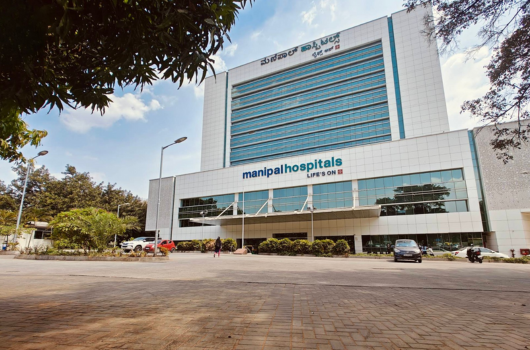
Manipal Hospital, Bangalore

This is some text inside of a div block.
650
Bed capacity
24/7
Support for patients

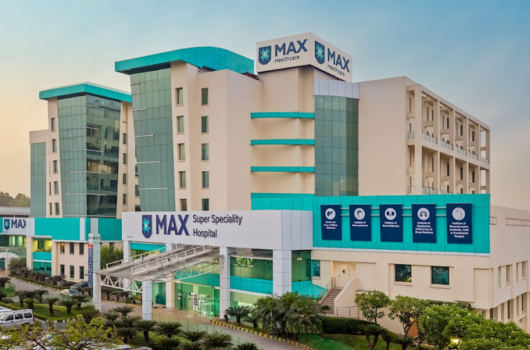
Max Super Speciality Hospital, Saket

This is some text inside of a div block.
539
Bed capacity
24/7
Support for patients

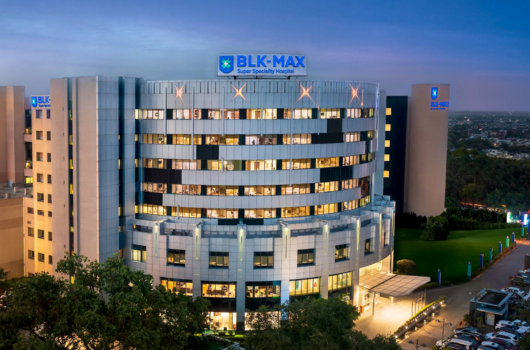
BLK-Max Super Speciality Hospital, Delhi

This is some text inside of a div block.
650
Bed capacity
24/7
Support for patients

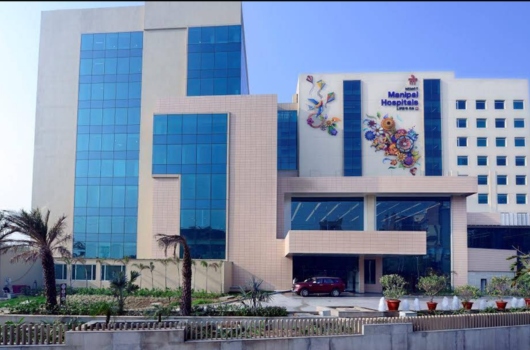
Manipal Hospitals Dwarka, Delhi

This is some text inside of a div block.
300
Bed capacity
24/7
Support for patients

Apollo Hospital Delhi

This is some text inside of a div block.
700
Bed capacity
24/7
Support for patients

Apollo Athenaa Women’s Cancer Centre, New Delhi

This is some text inside of a div block.
Bed capacity
24/7
Support for patients

Fortis Cancer Institute, Defence Colony, New Delhi

This is some text inside of a div block.
330
Bed capacity
24/7
Support for patients

Apollo Bangalore, Bannerghatta Road

This is some text inside of a div block.
250
Bed capacity
24/7
Support for patients

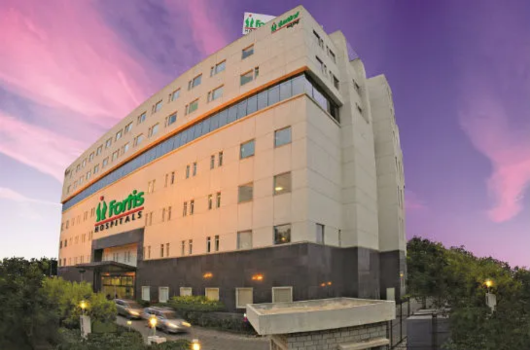
Fortis Hospital BG Road, Bangalore

This is some text inside of a div block.
284
Bed capacity
24/7
Support for patients

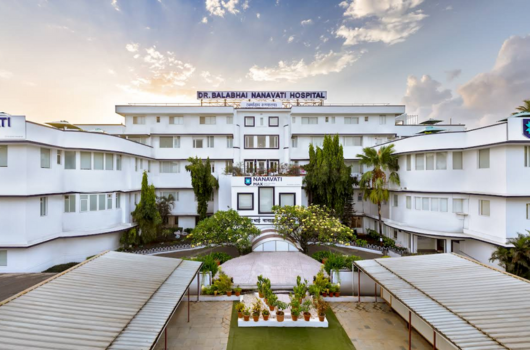
Max Healthcare Hospitals, Nanavati – Vile Parle

This is some text inside of a div block.
350
Bed capacity
24/7
Support for patients

Apollo Hospital Mumbai

This is some text inside of a div block.
500
Bed capacity
24/7
Support for patients

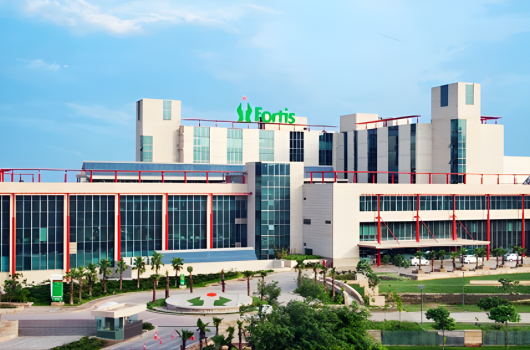
Fortis Hospital, Mulund, Mumbai

This is some text inside of a div block.
400
Bed capacity
24/7
Support for patients

Apollo Hospital Hyderabad, Jubilee Hills

This is some text inside of a div block.
350
Bed capacity
24/7
Support for patients

Apollo Cancer Centre, Teynampet

This is some text inside of a div block.
300
Bed capacity
24/7
Support for patients

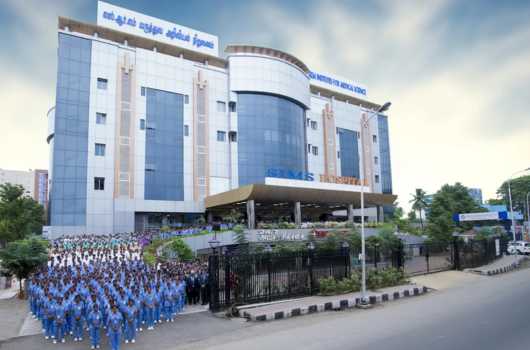
SIMS Hospital – SRM Institutes for Medical Science, Vadapalani, Chennai

This is some text inside of a div block.
345
Bed capacity
24/7
Support for patients

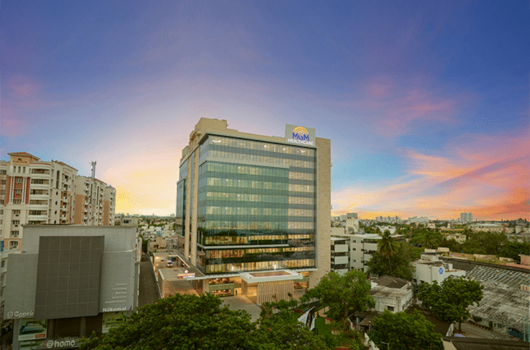
MGM Healthcare, Chennai

This is some text inside of a div block.
400
Bed capacity
24/7
Support for patients

Rela Hospitals Chennai

This is some text inside of a div block.
450
Bed capacity
24/7
Support for patients

Samitivej Sukhumvit Hospital, Bangkok

This is some text inside of a div block.
Bed capacity
24/7
Support for patients

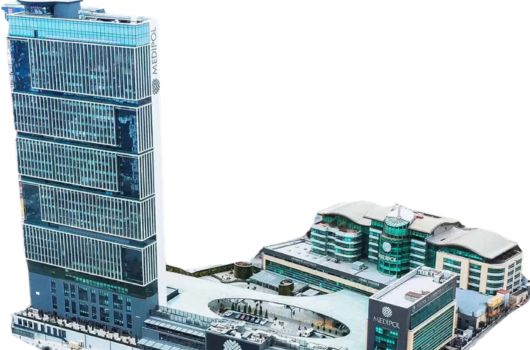
Medipol Mega University Hospital

This is some text inside of a div block.
810
Bed capacity
24/7
Support for patients

These hospitals provide evidence-based treatment protocols, stem cell transplant expertise, and coordinated care for international patients seeking treatment for Acute Myeloid Leukaemia (AML).

Cost of Acute Myeloid Leukaemia (AML) Treatment

The typical cost of Acute Myeloid Leukaemia (AML) treatment usually ranges between $10,000 and $40,000 in India and from $20,000 to $120,000 in Thailand. However, the overall cost can vary depending on the treatment plan, hospital, and the patient’s condition. Before reviewing the detailed cost breakdown, it is important to understand the key factors that influence these expenses.

Key Factors Affecting the Cost  

  • Type of treatment - Costs vary based on chemotherapy, targeted therapy, immunotherapy, or stem cell transplant.
  • Stage of AML - Early-stage cases may require fewer treatment cycles compared to advanced or relapsed disease.
  • Hospital and infrastructure - Specialised cancer centres with advanced facilities may have higher costs.
  • Length of hospital stay - Extended hospitalisation or complications can increase overall expenses.
  • Supportive care - Blood transfusions, antibiotics, and medications contribute to total cost.
  • Stem cell donor search - Identifying a suitable donor may add to transplant-related expenses.

Cost Breakdown of AML Treatment in India

No items found.

Cost Breakdown of AML Treatment in China

No items found.

Cost Breakdown of AML Treatment in Thailand

No items found.

Success Rate & Outcomes of Acute Myeloid Leukaemia (AML) Treatment

Understanding Success Rates

Success rates for AML treatment vary depending on the patient’s age, subtype of AML, and whether a stem cell transplant is performed.

  • Early-stage detection: According to Cancer Research UK, survival for acute myeloid leukaemia (AML) is strongly age-dependent. Around 60% of patients under 40, 55% of those aged 40-49, and 35% of those aged 50-59 survive five years or more after diagnosis, with survival declining further in older groups.
  • Advanced-stage detection: For patients over 60 or with aggressive AML subtypes, remission rates are lower, and five-year survival can fall to around 15-20%.

What Does ‘Success’ Mean?

Success in AML treatment does not always mean a cure. It may include:

  • Achieving and maintaining remission
  • Restoring normal blood counts
  • Reducing the risk of relapse
  • Extending survival and improving quality of life

Approach of Leading Hospitals

Renowned cancer hospitals adopt a comprehensive approach to AML treatment, including:

  • Early and accurate diagnosis through bone marrow biopsy, flow cytometry, and genetic testing
  • Combination chemotherapy protocols such as “7+3” regimens (cytarabine and anthracycline)
  • Targeted therapy and immunotherapy for patients with specific mutations (e.g., FLT3, IDH1/2)
  • Stem cell transplantation with advanced donor-matching facilities
  • Supportive care services, including transfusions, antibiotics, and psychological support

This blend of modern technology, experienced specialists, and patient-centred care has improved remission rates and survival outcomes for AML patients worldwide.

Expert Insights

Dr. Padmaja Lokireddy sharing expert insights on AML treatment at Apollo Hospitals, Hyderabad

Dr. Padmaja Lokireddy from Apollo Cancer Centre, Hyderabad, explains that acute leukaemias like AML progress quickly and need urgent treatment. She notes that stem cell transplant can provide long-term remission, with many patients achieving survival beyond five years. She also highlights that new options like CAR-T therapy are emerging for high-risk cases.

How myheco Supports International Patients

Myheco ensures that international patients receive complete support, from connecting with experienced haematology and oncology specialists to managing every aspect of their treatment journey. With transparent guidance, expert coordination, and trusted hospital partnerships, myheco helps patients access advanced AML treatment safely and efficiently.

Medical Guidance for AML Treatment

  • Helps patients connect with leading AML specialists, including haematologists and transplant experts
  • Provides support for second medical opinions to help patients make informed decisions
  • Guides patients through treatment options such as chemotherapy, targeted therapy, immunotherapy, and stem cell transplant

Travel Assistance for AML Care

Cost Transparency and Patient Support  

  • Shares clear, detailed cost estimates for AML treatment before travel
  • Ensures transparent pricing with no hidden charges
  • Provides multilingual patient coordinators for seamless communication
  • Supports patients throughout the journey, from medical report review to post-treatment follow-up care

Choosing myheco means expert care, faster access, and comprehensive support throughout your treatment journey.

Note: Myheco does not provide medical advice.
Patient Stories

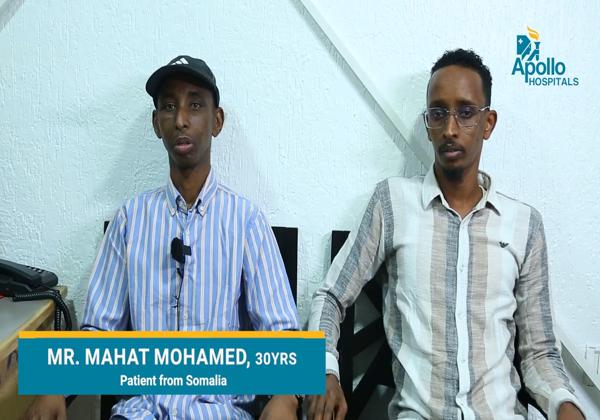
Somalian Patient Recovers from AML at Apollo Hyderabad

30-year-old Somalian AML patient with his brother after successful stem cell transplant at Apollo Hyderabad

A 30-year-old man from Somalia arrived at Apollo Cancer Hospital, Hyderabad, with severe weight loss and very high white blood cell counts. He was diagnosed with acute myeloid leukaemia (AML) carrying the high-risk FLT3D mutation. Initial chemotherapy reduced his cancer but did not achieve remission. A second-line FLAG regimen was successful, followed by an allogeneic sibling stem cell transplant. Three months later, he is in full remission with 100% donor chimerism and is preparing to return home.

70-Year-Old Advocate Recovers from AML at Apollo Hyderabad

Mr. Sheshagiri Rao with his wife after successful AML treatment at Apollo Hospitals, Hyderabad

Mr. Sheshagiri Rao, a 70-year-old advocate from Kovvuru, was diagnosed with acute myeloid leukaemia (AML) at an advanced stage after months of severe leg pain and sleeplessness. Under the care of Dr. Padmaja Lokireddy at Apollo Hospitals, Hyderabad, he received a gentle chemotherapy plan tailored to his age and health conditions. Over two years, he gradually regained strength and is now living a healthy life. His wife expressed deep gratitude for the compassionate care, while Dr. Lokireddy highlighted that age is not a barrier to AML treatment.

Step-by-Step: Your Journey to Treatment Across the Globe

✅ Share your medical reports
✅ Receive personalised treatment plans from leading hospitals
✅ Choose the option that suits you best
✅ Let us handle the arrangements

Connect with us for expert Acute Myeloid Leukaemia treatment abroad!
We assist patients with Acute Myeloid Leukaemia treatment abroad, including consultations, hospital selection, and complete support.
Chat with Us on WhatsApp

FAQs

What are the common symptoms of AML?

AML symptoms include fatigue, frequent infections, unexplained bleeding, bone pain, and weight loss. A blood test and bone marrow biopsy confirm the diagnosis.

Which doctors treat AML?

AML is managed by haematologists, oncologists, and bone marrow transplant specialists working as a team.

How long does AML treatment take?

Treatment may last several months, including chemotherapy cycles, targeted therapy, or transplant recovery. Follow-up is required for years.

What is the survival rate for AML patients?

Success depends on age and subtype. Younger patients may have a 40-50% five-year survival rate, while older patients may have lower outcomes.

Can international patients bring family members for AML treatment?

Yes, most hospitals allow one or two family members. A medical attendant visa can be arranged.

Is a stem cell transplant always required for AML?

Not always. Some patients achieve remission with chemotherapy and targeted drugs, but a transplant is advised for high-risk cases.

What support does myheco provide for AML patients?

We assist with doctor consultations, cost estimates, visas, travel, and follow-up care, ensuring international patients receive complete support.

What are the best hospitals for AML in India?

India has several leading hospitals that specialise in acute myeloid leukaemia (AML) treatment. In Chennai, leading centres include SIMS Hospital, MGM Healthcare, Apollo Cancer Institute, and the Apollo Proton Cancer Centre. Bangalore’s Manipal Hospital Main Hospital Oncology is recognised for advanced haematology and transplant services. In Delhi, Manipal Hospital Dwarka, Max Hospital Saket, and BLK-Max Hospital are leading providers. Mumbai’s Nanavati Max Hospital and Kolkata’s Manipal Hospitals EM Bypass (Medica Synergie Cancer Hospital) are also well regarded for comprehensive AML care.

What is the best hospital for AML in Thailand?

Samitivej Hospital is a leading choice for AML treatment in Thailand. It provides advanced diagnostics, chemotherapy, targeted therapy, stem cell transplant facilities, and international patient support through a dedicated haematology team.

Need help with Myheco?
Doctor Appointment | Medical Visa Invitation Letter | Second Opinion | Cost of Treatment | Flight Ticket