
An anal tumour is an abnormal growth that forms in or around the anal canal, the short passage at the end of the rectum. While many anal tumours are cancerous (anal cancer), some are benign. Benign tumours, such as anal papillomas, polyps, skin tags, and genital warts (condyloma acuminatum), can also appear in this area. These growths are generally non-cancerous but may occasionally need treatment or monitoring.
Anal tumours often start as small cellular changes, frequently triggered by infections like HPV (human papillomavirus). If untreated, these abnormal cells can grow and spread to nearby tissues. Early signs are often mistaken for common conditions like piles, which can delay diagnosis. However, not every anal growth is cancerous, and proper medical evaluation is essential to determine its exact nature.
A common misconception is that diagnostic tests, such as anoscopy or biopsy, are extremely painful. In reality, these procedures are usually quick, carefully performed, and can be life-saving by detecting tumours early.
Understanding anal tumours, their risk factors, early warning signs, and treatment options helps patients make informed decisions. With timely diagnosis, anal tumours are treatable, and many patients go on to lead full, healthy lives.

People need anal tumour treatment to remove or destroy abnormal cells, prevent the tumour from spreading, and improve long-term survival. When diagnosed early, treatment for anal tumours is often very effective, helping to preserve normal bowel function and reduce the risk of the tumour returning.
The exact causes are not fully understood, but several factors are strongly associated with an increased risk:
Symptoms of anal tumours can be subtle initially and are often mistaken for common conditions like haemorrhoids (piles) or minor skin irritations. Early recognition of these warning signs can lead to faster diagnosis and more effective treatment. Common symptoms include:
Since these symptoms can result from both benign and malignant anal tumours, medical evaluation is essential for accurate diagnosis and appropriate treatment.
These symptoms prompt treatment once medical tests confirm the presence of an anal tumour, whether it is cancerous or a growth that has the potential to become cancerous. Early detection is vital for initiating the right treatment quickly and improving the likelihood of a successful outcome. The final treatment plan depends on detailed clinical assessment and diagnostic findings.
Early detection of anal tumours can significantly improve outcomes. If a tumour is suspected, your doctor may recommend several tests:
While not all cases of anal cancer can be prevented, certain lifestyle choices and medical precautions can significantly reduce the risk. Experts recommend the following steps:
Finding anal tumours early and starting treatment promptly can significantly improve outcomes. If you or a loved one notice any of these symptoms, myheco can connect you with experienced specialists at trusted hospitals.
Some of the world’s leading hospitals provide specialised care for anal tumour patients. These centres offer advanced treatment options with highly experienced oncologists and multidisciplinary care teams.
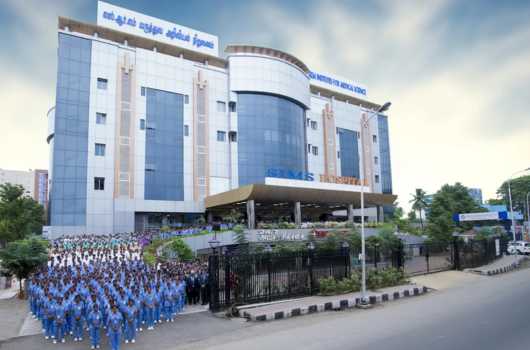
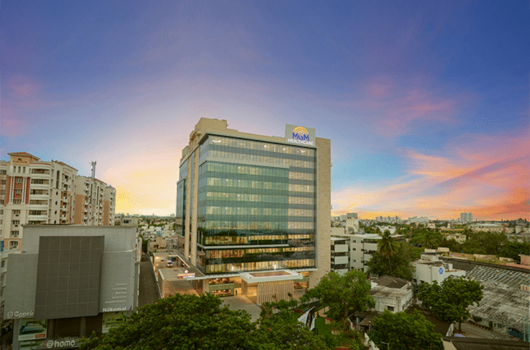
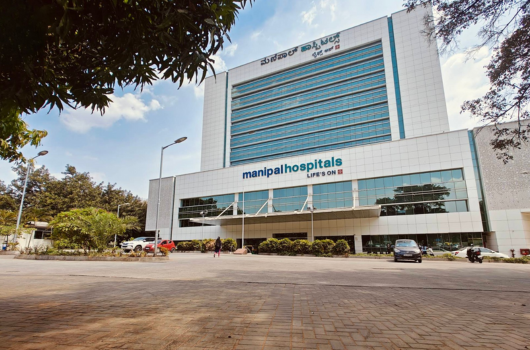
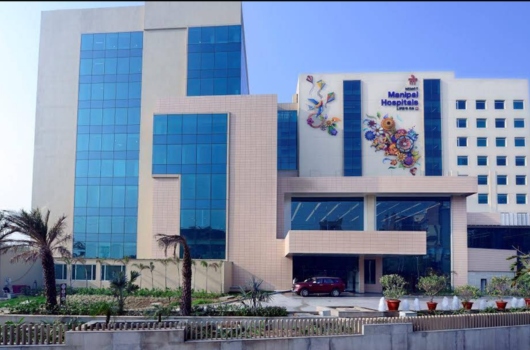
Leading hospitals for anal tumour care include:
.png)

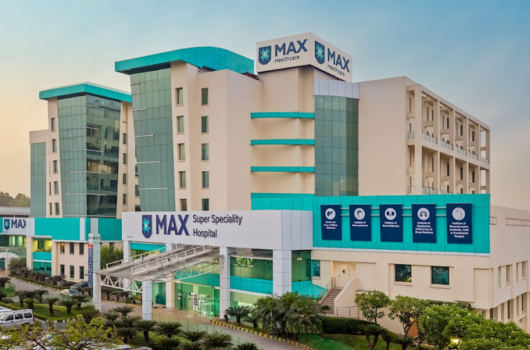
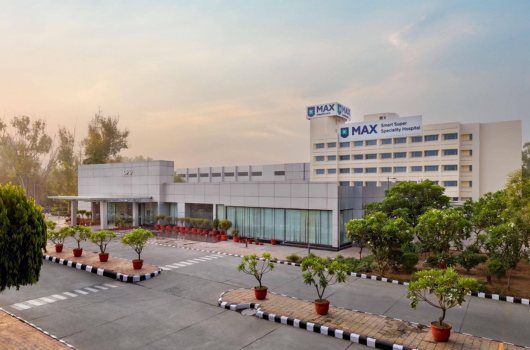
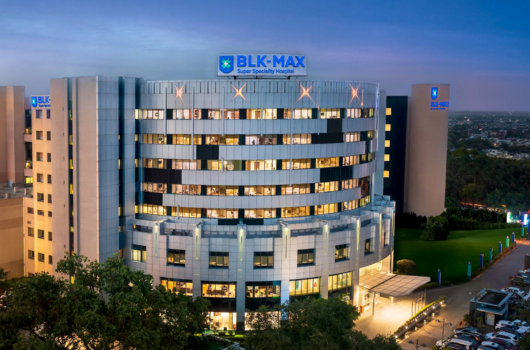
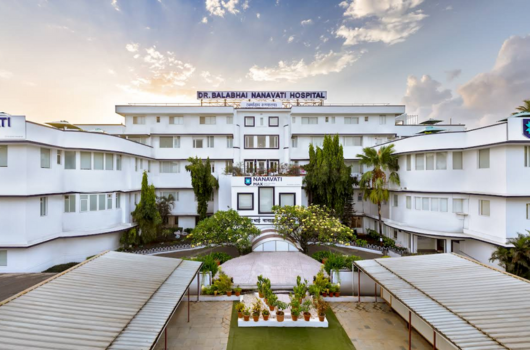

.png)
These hospitals follow international guidelines for care and are equipped to support patients from various countries, from diagnosis and treatment to follow-up care after returning home.
The average cost of anal tumour treatment ranges from $3,000 to $4,500 in India and from $8,000 to $13,000 in Thailand. The final expense may vary depending on factors such as the treatment method, hospital location, and the type of tumour. Before checking the detailed table of treatment-wise costs, it is useful to understand what influences these costs the most.
Several elements can impact the overall cost of treatment:
Note: India has become a preferred destination for advanced cancer treatment, offering world-class care at a fraction of the international cost. Patients benefit from expert oncologists, modern medical technology, and affordable access to high-quality generic medicines, making treatment both effective and economical.
Note: Thailand has established itself as a premium destination for cancer treatment, offering world-class hospitals, advanced technology, and internationally trained oncologists. Patients choose Thailand not only for its high-quality medical care but also for its holistic approach, combining clinical excellence with exceptional comfort and service standards.
The above figures are approximate and can vary based on the hospital, location, and individual patient requirements. Always consult the healthcare provider for the most accurate and up-to-date pricing.
The currency conversion rates in the table above are based on data from February 2026.
For a detailed cost estimate and guidance on treatment options, patients can contact myheco to connect with leading hospitals.
According to Cancer Research UK, the 5-year survival rate for anal cancer is nearly 90% for stage 1 and over 75% for stage 2, demonstrating excellent outcomes when the disease is detected early. Approximately 60% of stage 3 patients survive for five years or more, while survival for stage 4 drops to around 20%. Overall, more than 60% of all anal cancer patients survive at least five years after diagnosis, underscoring the importance of early detection and timely treatment.
Success in anal tumour treatment means the tumour is effectively controlled or removed, allowing the patient to return to a normal or near-normal life.
Leading hospitals provide patient-centred care with precise diagnosis, personalised treatment, and expert collaboration. Their approach includes:
This integrated approach ensures better disease control, reduces recurrence risk, and improves the quality of life for patients with anal tumours.

Dr. Venkat Munikrishnan, Senior Consultant Colorectal Surgeon at Apollo Hospitals, Chennai, provides insights on colorectal cancer, which affects the colon, rectum, or anus. He explains that it often begins as harmless polyps in the large intestine, which may take nearly ten years to become cancerous. Early warning signs, including rectal bleeding, persistent changes in bowel habits, unexplained weight loss, anaemia, or an abdominal lump, should not be ignored, particularly if they last more than six weeks. Dr. Munikrishnan emphasises that early detection makes colorectal cancer highly treatable, and outcomes are greatly improved with timely medical intervention and structured follow-up care.

Dr. Narasimhaiah Srinivasaiah, Senior Consultant in the Department of Colorectal Surgery at Apollo Hospitals, Bangalore, explains that although anal cancer is rare, it is often misdiagnosed as piles or warts. He notes that anal cancer can lead to symptoms such as bleeding, itching, lumps, and anaemia. Key risk factors include age, HIV, immunosuppression, and HPV infection. Early diagnosis through proper examination and biopsy is essential. Dr. Srinivasaiah adds that early-stage cases are typically treated with chemotherapy and radiotherapy, while advanced cases may require surgery, including removal of the anal canal. He emphasises that prompt medical attention for any back passage issues can significantly improve outcomes.
Choosing myheco means expert care, faster access, and comprehensive support throughout your treatment journey.
Note: Myheco does not provide medical advice.
✅ Share your medical reports
✅ Receive personalised treatment plans from leading hospitals
✅ Choose the option that suits you best
✅ Let us handle the arrangements

Yes, anal cancer is highly treatable, especially when detected early. Treatments like chemoradiation and surgery are effective, and many patients return to normal life after therapy. Regular monitoring helps prevent recurrence. Treatment success depends on the cancer stage, overall health, and response to therapy.
Anal tumour is diagnosed through physical exams, anoscopy, biopsy, imaging tests such as Treatment depends on the type, size, and stage of the tumour. Options include surgery, chemotherapy, radiation therapy, or a combination of these. Early-stage tumours may respond well to chemoradiation, while advanced cases may require surgical intervention. The exact treatment plan is determined by a specialist after detailed evaluation.
Recovery time varies based on the treatment used. Many patients recover within 4 to 8 weeks, though complex procedures or advanced-stage tumours may require longer. Doctors provide guidance on wound care, diet, and follow-up visits to support healing. Recovery timelines differ from person to person and may change based on complications or response to treatment.
While not all anal tumours can be prevented, risk can be reduced through HPV vaccination, practicing safe sex, quitting smoking, maintaining good anal hygiene, and regular health checkups, especially for high-risk individuals. These measures reduce risk but do not guarantee complete prevention.
Myheco reviews your medical reports and recommends hospitals and specialists based on your condition, treatment options, and convenience. Final treatment decisions should always be made in consultation with your treating doctor.
We assist with pre-travel consultations, visa and document guidance, flight arrangements, cost estimates, and airport transfers. Multilingual patient coordinators support you throughout your treatment journey. Support services do not replace direct medical consultation or clinical decision-making.
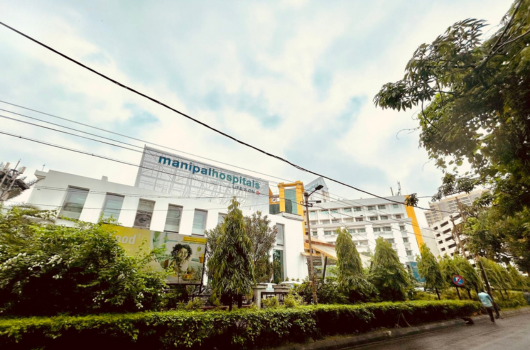
India has many leading hospitals that specialise in anal tumour care. In Chennai, top centres include SIMS Hospital, MGM Healthcare, Apollo Cancer Institute, and the Apollo Proton Cancer Centre, offering expertise in surgery, radiation, and advanced therapies. Manipal Hospital Main Hospital Oncology in Bangalore provides comprehensive anal tumour management through surgical, medical, and radiation oncology teams. In Delhi, leading hospitals such as Manipal Hospital Dwarka, Max Hospital Saket, and BLK-Max Hospital are recognised for their advanced surgical techniques. In Mumbai, Nanavati Max Hospital is known for specialised surgical oncology and personalised treatment strategies for anal tumours. In Kolkata, Manipal Hospitals EM Bypass (Medica Synergie Cancer Hospital) is well-regarded for multidisciplinary care, including precision surgery, targeted therapy, and modern radiation methods.
Samitivej Hospital is highly recommended for anal tumour treatment. It provides advanced care with expertise in minimally invasive surgery, precision radiation therapy, targeted therapies, and personalised treatment plans tailored to each patient.


DISCLAIMER: THIS WEBSITE DOES NOT PROVIDE MEDICAL ADVICE
The information, including but not limited to, text, graphics, images and other material contained on this website are for informational purposes only. No material or content on this site is intended to be a substitute for professional medical advice, diagnosis, or treatment. Always seek the advice of your physician or other qualified health care provider with any questions you may have regarding a medical condition or treatment and before undertaking a new health care regimen, and never disregard professional medical advice or delay in seeking it because of something you have read on this website - www.myheco.com

.png)