
AVM/AVF embolization is a minimally invasive medical procedure used to treat abnormal connections between arteries and veins in the body, particularly in the brain or spinal cord. These abnormal connections are known as arteriovenous malformations (AVMs) or arteriovenous fistulas (AVFs). The procedure aims to block or reduce abnormal blood flow within these vessels, helping prevent complications such as bleeding or neurological damage.
An arteriovenous malformation (AVM) occurs when arteries connect directly to veins without the normal network of tiny blood vessels (capillaries) in between. This disrupts normal blood circulation and can place extra pressure on surrounding tissues. An arteriovenous fistula (AVF) is a similar condition where a direct connection forms between an artery and a vein, often due to congenital abnormalities, trauma, or certain medical conditions.
During embolization, doctors use advanced imaging technology and a thin tube called a catheter, which is inserted through a blood vessel (usually in the groin or wrist) and carefully guided to the abnormal vessel. Special materials such as medical glue, tiny coils, or particles are then released to block the abnormal blood flow. By sealing the abnormal vessels, embolization reduces the risk of rupture and improves circulation.
A common misconception is that embolization always completely cures AVMs or AVFs. In reality, embolization may be used alone in some cases, but it is often part of a combined treatment approach that may include surgery or radiosurgery. The goal may be to reduce the size of the malformation, control symptoms, or make other treatments safer.
Doctors consider several factors before recommending AVM/AVF embolization. These include the size and location of the malformation, the patient’s symptoms, the risk of bleeding, and the individual’s overall health condition. Imaging tests such as MRI, CT scans, and cerebral angiography are typically used to evaluate the condition in detail.
Early diagnosis plays a crucial role in managing AVMs and AVFs effectively. Identifying the abnormal vessels before complications occur allows doctors to plan the most appropriate treatment strategy and reduce the risk of serious neurological damage.

AVM/AVF embolization is recommended when abnormal blood vessel connections pose a significant risk to a patient’s health or cause troubling symptoms. Because these vascular abnormalities disrupt normal blood flow, they can gradually affect surrounding tissues and increase the risk of serious complications.
One of the primary concerns with arteriovenous malformations and fistulas is the possibility of internal bleeding, particularly in the brain. The abnormal vessels often have thinner walls than normal blood vessels, making them more likely to rupture. If bleeding occurs, it can lead to stroke, neurological damage, or life-threatening hemorrhage.
Some patients may initially have mild symptoms such as headaches, seizures, dizziness, or vision problems, while others may remain symptom-free for years. However, the risk of complications can still exist even when symptoms are minimal. In such cases, doctors may recommend embolization to reduce the likelihood of future bleeding or neurological damage.
Untreated AVMs or AVFs can also affect the normal circulation of oxygen-rich blood to the brain or spinal cord. Over time, this may lead to neurological symptoms such as weakness, difficulty with coordination, or cognitive problems. In certain cases, abnormal blood flow can also place stress on the heart, especially when the malformation is large.
Quality of life may also be significantly affected in patients who experience recurring symptoms like seizures or chronic headaches. These symptoms can interfere with daily activities, work, and overall well-being.
By blocking the abnormal vessels, embolization helps reduce pressure within the malformation, control symptoms, and lower the risk of severe complications. For many patients, the procedure serves either as a definitive treatment or as an important step in a broader treatment plan designed to improve long-term outcomes.
Understanding the causes and risk factors of AVMs and AVFs can help doctors identify the condition earlier and guide treatment decisions.
Symptoms can vary widely depending on the size, location, and severity of the vascular abnormality. Recognising symptoms early may help prevent serious complications.
Anyone experiencing persistent neurological symptoms should seek prompt medical evaluation, as early diagnosis can improve treatment outcomes.
Doctors recommend AVM/AVF embolization based on detailed clinical evaluation, imaging results, and the patient’s overall health.
Early evaluation and timely intervention are important in reducing the risk of complications associated with AVMs and AVFs. By carefully assessing each case, doctors can determine the most appropriate treatment approach, helping improve outcomes and preserve neurological function over the long term.
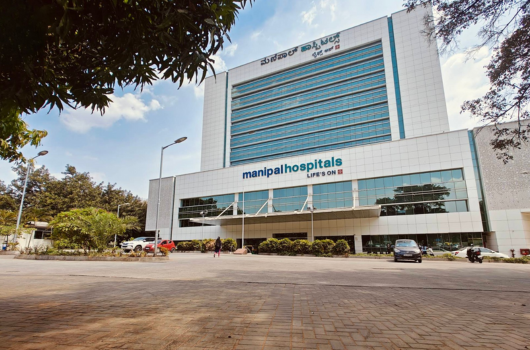
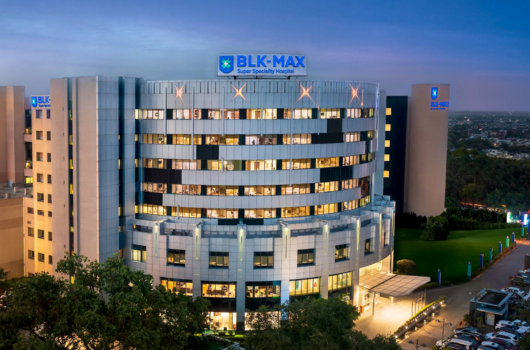
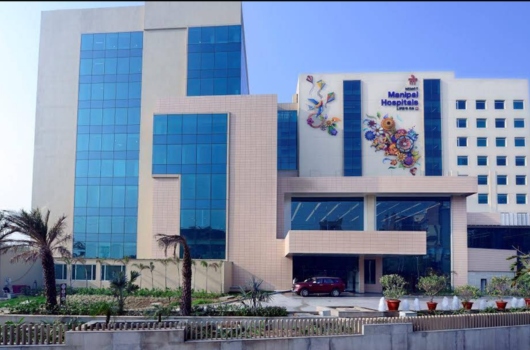
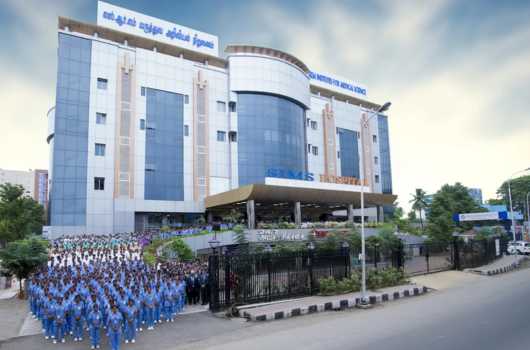
Some of the world’s advanced neurology and neurosurgery hospitals offer specialised care for patients with arteriovenous malformations (AVM) and arteriovenous fistulas (AVF). These centres provide comprehensive endovascular neurosurgery services, including advanced angiography, catheter-based embolization procedures, and multidisciplinary neurological care where clinically appropriate, supported by experienced neurosurgeons and interventional neuroradiology teams.
Leading hospitals for AVM/AVF embolization include:








.png)
.png)


.png)
.png)
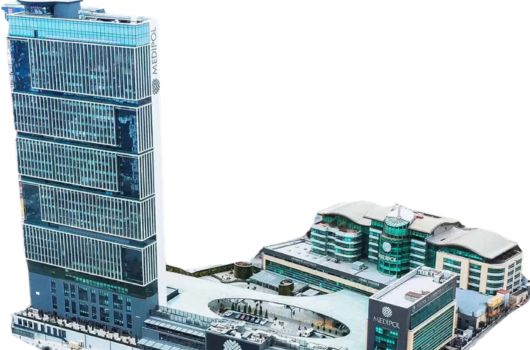
These hospitals provide evidence-based neurovascular treatment protocols, advanced imaging technologies, and coordinated care for international patients seeking AVM/AVF embolization treatment.
The average cost of AVM/AVF Embolization typically falls between $12,000 and $20,000 in India and $20,000 and $38,000 in Thailand. However, the exact amount may vary depending on factors such as the size and location of the vascular malformation, the number of embolization sessions required, and the hospital’s technology and expertise. Before reviewing the detailed cost comparison by country, it is helpful to understand the main factors that influence treatment expenses.
Note: India has become a preferred destination for advanced neurointerventional procedures, offering experienced specialists, modern catheter-based treatment technology, and comparatively affordable treatment costs.
Note: Thailand is known for its high-quality neurovascular care, internationally accredited hospitals, and advanced endovascular treatment facilities. Many patients choose Thailand for its specialised neurological centres and comprehensive patient services.
The above figures are approximate and can vary based on the hospital, location, and individual patient requirements. Always consult the healthcare provider for the most accurate and up-to-date pricing.
The currency conversion rates in the table above are based on data from April 2026.
For a detailed cost estimate and guidance on treatment options, patients can contact myheco to connect with leading hospitals specialising in AVM/AVF embolization and cerebrovascular care.
The outcomes of AVM/AVF embolization depend on several factors, including the size and location of the malformation, the number of feeding blood vessels, and the overall treatment strategy. In many cases, embolization is performed as part of a broader treatment plan that may also include microsurgery or radiosurgery.
According to a study published on PubMed Central (PMC) based on data from the Japanese Registry of Neuroendovascular Therapy (JR-NET), which analysed 987 embolization procedures across multiple medical centres, the procedure demonstrated favourable safety and clinical outcomes in a large group of patients.
Key findings from the study include:
These findings indicate that AVM/AVF embolization is generally a safe and effective procedure when performed in specialised neurovascular centres. While embolization alone may not completely eliminate every vascular malformation, it often plays an essential role in reducing abnormal blood flow, lowering bleeding risk, and preparing the malformation for further treatment if necessary.
Early diagnosis and careful treatment planning remain important factors in improving long-term neurological outcomes.
One of the most common questions people ask is whether the condition can be cured. The answer depends on the type of disease, stage at diagnosis, and how early treatment begins. While not every condition is fully curable, many patients achieve remission or live longer, healthier lives with appropriate care.
In Arteriovenous Malformation (AVM) / Arteriovenous Fistula (AVF) treatment, “success” can mean:
Leading hospitals follow evidence-based protocols and multidisciplinary approaches to improve outcomes in AVM/AVF treatment.
With appropriate expertise and careful follow-up, AVM/AVF embolization can significantly reduce the risk of bleeding and improve long-term neurological outcomes for many patients.
Myheco ensures that international patients receive complete support, from connecting with experienced neurovascular specialists to coordinating every aspect of their medical journey. With transparent guidance, expert coordination, and trusted hospital partnerships, myheco helps patients access advanced AVM/AVF embolization treatment safely and efficiently.
Choosing myheco means receiving expert medical connections, smooth coordination, and trusted support throughout the AVM/AVF treatment journey.
Note: Myheco does not provide medical advice.
✅ Share your medical reports
✅ Receive personalised treatment plans
✅ Choose the option that suits you best
✅ Let us handle the arrangements

When performed by experienced endovascular neurosurgeons, embolization is generally considered safe. However, like all medical procedures, it carries risks such as bleeding, infection, or stroke. Patients should discuss individual risks with their treating doctor.
Most patients stay in the hospital for 1-3 days for observation. Recovery time varies depending on the size and location of the malformation, but many patients can resume normal activities within a few weeks with medical guidance.
Potential risks include bleeding, stroke, damage to nearby blood vessels, or incomplete blockage of the abnormal vessels. Doctors evaluate imaging studies carefully to minimise these risks.
Yes. Depending on the condition, treatment options may include microsurgical removal, stereotactic radiosurgery, or careful monitoring. Doctors determine the best approach based on the patient’s specific condition.
India’s leading hospitals for AVM/AVF embolization and endovascular neurosurgery include Apollo Proton Cancer Centre, Apollo Hospital, SIMS Hospital, MGM Healthcare, and Rela Hospital in Chennai; Manipal Hospital, Apollo Hospital, and Fortis Hospital in Bangalore; Medanta – The Medicity, Max Hospital, BLK-Max Super Speciality Hospital, Manipal Hospital Dwarka, Institute of Brain and Spine (IBS), Indraprastha Apollo Hospital, and Fortis Hospital in Delhi; and Nanavati Max Super Speciality Hospital, Apollo Hospital, and Fortis Hospital in Mumbai. These centres are known for advanced neurointerventional facilities, multidisciplinary neuroscience teams, and modern angiography systems used for treating complex vascular malformations.
In Thailand, Samitivej Sukhumvit Hospital in Bangkok is internationally recognised for advanced neurology and neurosurgery services, including catheter-based treatment of vascular malformations. The hospital provides specialised neurovascular care, modern angiography suites, and dedicated international patient support services for overseas patients seeking AVM/AVF embolization treatment.
Yes. myheco assists patients by connecting them with experienced specialists, coordinating hospital appointments, and helping organise travel and treatment planning.
myheco can provide transparent cost estimates based on the patient’s medical reports and the recommended treatment plan. This helps patients understand expected expenses before travelling for treatment.


DISCLAIMER: THIS WEBSITE DOES NOT PROVIDE MEDICAL ADVICE
The information, including but not limited to, text, graphics, images and other material contained on this website are for informational purposes only. No material or content on this site is intended to be a substitute for professional medical advice, diagnosis, or treatment. Always seek the advice of your physician or other qualified health care provider with any questions you may have regarding a medical condition or treatment and before undertaking a new health care regimen, and never disregard professional medical advice or delay in seeking it because of something you have read on this website - www.myheco.com

.png)