
AVM resection is a neurosurgical procedure performed to remove an arteriovenous malformation (AVM), an abnormal tangle of blood vessels connecting arteries and veins in the brain or spinal cord. These irregular connections disrupt normal blood flow and can lead to serious complications such as bleeding (haemorrhage), seizures, or neurological damage.
The primary goal of AVM resection is to eliminate the risk of bleeding and restore normal circulation in the affected area. The surgery involves identifying and safely removing the AVM while preserving healthy brain tissue.
AVMs differ in size and location, and not every case requires surgery. In selected patients, specialists may recommend alternative treatments such as:
A common misconception is that all AVMs are dangerous and require immediate surgery. In reality, many AVMs remain stable for years without causing symptoms. The decision to perform AVM resection depends on several factors:
When performed in specialised neurosurgery centres, AVM resection can provide lasting relief, reduce the risk of haemorrhage, and prevent life-threatening complications. Treatment choice depends on AVM characteristics, symptoms, and overall risk, and is determined after specialist evaluation.

AVM resection becomes necessary when an arteriovenous malformation in the brain or spinal cord poses a risk of bleeding or causes neurological symptoms. AVMs can rupture, leading to intracerebral haemorrhage, which may result in life-threatening emergencies or long-term neurological disability.
This procedure helps prevent future bleeding, relieve pressure on the brain or spinal cord, and restore or protect neurological function.
The exact reason AVMs form is not fully understood, but several factors may contribute:
Symptoms depend on the AVM’s size, location, and blood flow characteristics. Common ones include:
Doctors recommend AVM resection when:
Timely treatment helps prevent serious complications such as stroke, permanent neurological damage, or death. Doctors recommend surgery based on symptoms, imaging findings, and overall risk assessment. Myheco connects international patients with expert neurosurgeons and accredited hospitals offering safe and effective AVM management.
Several leading hospitals worldwide offer specialised care for patients requiring AVM resection. These centres are equipped with state-of-the-art neurosurgical and neurovascular facilities, ensuring precision, safety, and positive outcomes in complex cerebrovascular procedures. The focus is on complete AVM removal, preservation of vital brain functions, and faster recovery for patients.
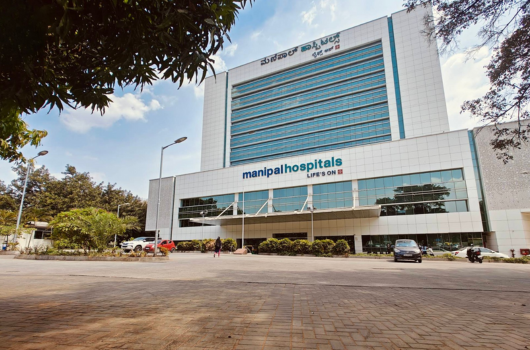
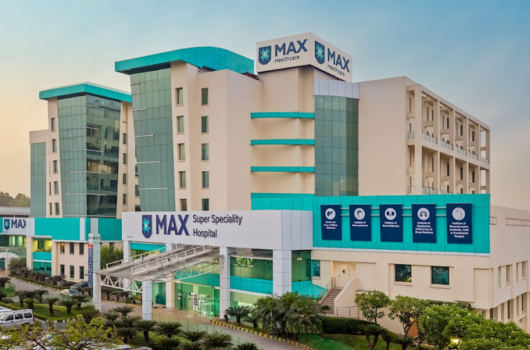
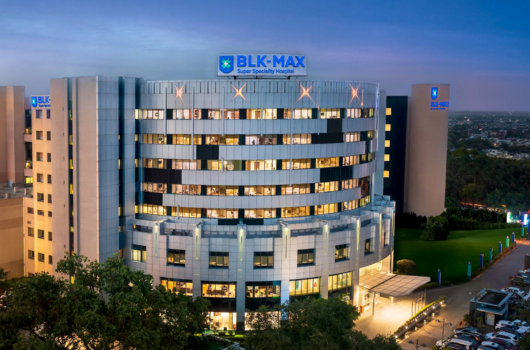
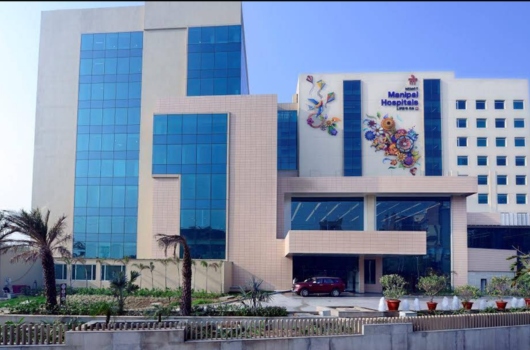
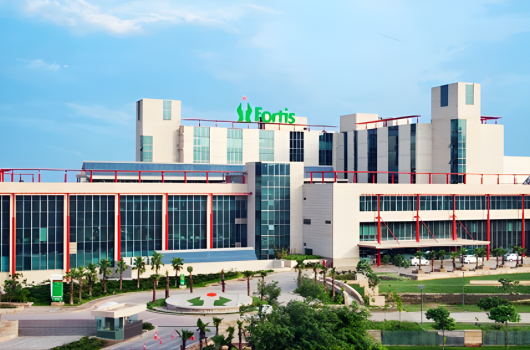
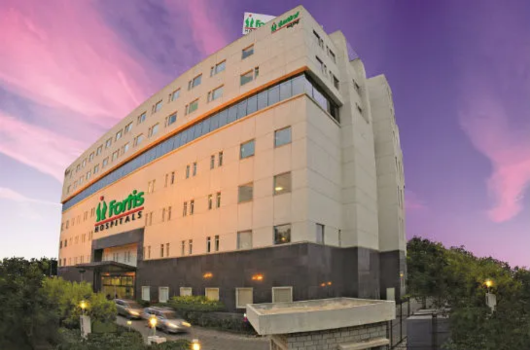
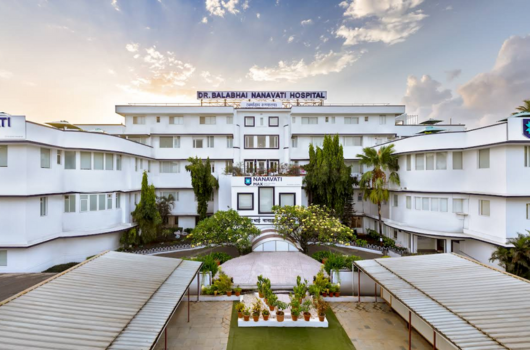
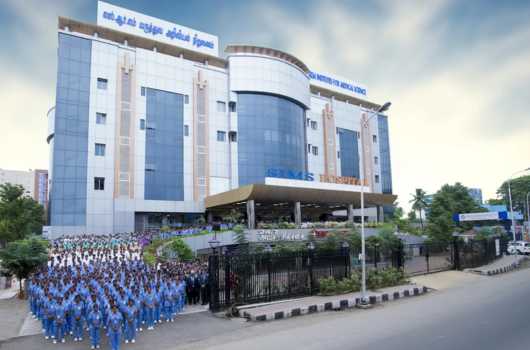
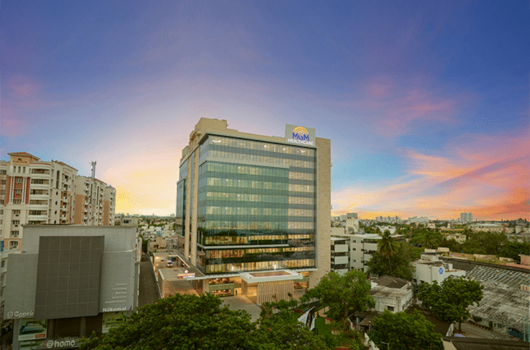
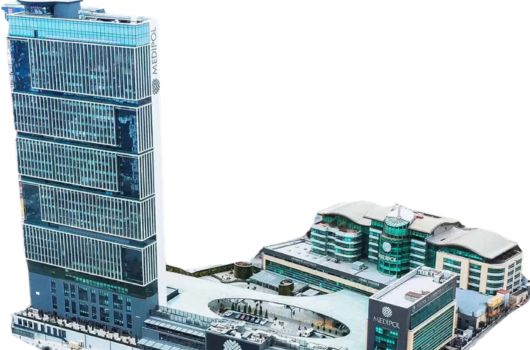
Leading hospitals for AVM resection include:




.png)
.png)

.png)
.png)
These hospitals combine advanced technology, experienced neurosurgeons, and international care support to deliver safe and effective outcomes for AVM resection.
The average cost of AVM resection in India ranges from $6,000 to $15,000, depending on the complexity of the procedure, AVM location, and the hospital’s infrastructure. In Thailand, the cost typically ranges between $9,000 and $25,000.
The total expense can vary based on several elements such as surgical approach, technology used, hospital stay duration, and postoperative rehabilitation needs. Before exploring the treatment-wise breakdown, it’s helpful to understand the factors that influence these costs.
Note: India is known for offering cost-effective and advanced neurosurgical care. Hospitals combine affordability with highly experienced surgeons, modern infrastructure, and proven clinical outcomes.
Note: Thailand’s hospitals are recognised for their premium facilities, international patient coordination, and advanced rehabilitation services. Their higher prices reflect the use of imported medical technology and all-inclusive care packages.
The above costs are approximate and may vary based on the hospital, patient condition, and treatment plan.
The currency conversion rates in the tables are based on data from April 2026.
For personalised cost estimates and guidance, patients can reach out to myheco to connect with top neurosurgical centres in India and Thailand.
Outcomes after AVM resection depend on factors such as Spetzler-Martin grade, AVM size, location, rupture status, and patient selection.
A 2021 study published in the Croatian Medical Journal reported strong surgical outcomes in carefully selected patients:
These findings demonstrate that microsurgical resection is highly effective, particularly for low- to moderate-grade AVMs (Spetzler-Martin I–III) when performed by experienced neurosurgical teams.
Careful patient selection and preoperative planning remain essential to achieving these favourable outcomes.
These outcomes are based on selected patient groups and may vary depending on individual clinical factors, AVM characteristics, and the expertise of the treating centre.
In clinical practice, success after AVM resection is defined by both complete removal of the malformation and preservation of neurological function.
Key indicators of successful treatment include:
Approach of Leading Hospitals
Leading neurosurgical centres achieve optimal outcomes through precision planning and multidisciplinary care:
This combination of meticulous surgical planning, advanced intraoperative techniques, and specialised postoperative care supports high rates of AVM obliteration, favourable functional outcomes, and long-term neurological stability.
Myheco provides end-to-end assistance for international patients seeking AVM resection. The focus is on expert neurosurgical guidance, multidisciplinary care coordination, and seamless treatment planning with trusted neurovascular centres.
Myheco provides end-to-end assistance for international patients seeking AVM resection. The focus is on expert neurosurgical guidance, multidisciplinary care coordination, and seamless treatment planning with trusted neurovascular centres.
Choosing myheco means having access to expert guidance, personalised coordination, and comprehensive assistance at every stage of your AVM treatment journey.
Note: Myheco does not provide medical advice.

Tamar Ismail Hasan, from Duhok, travelled to India after being misdiagnosed locally. Under Dr. Arun Saroha, Director of Neurosciences & Neurosurgery, his condition was identified as an arteriovenous malformation (AVM).
He underwent successful AVM resection, followed by physiotherapy and medication. Mr. Hasan is now showing gradual improvement and thanked the team for their transparent care and supportive post-surgery recovery.
✅ Share your medical reports
✅ Receive personalised treatment plans from leading hospitals
✅ Choose the option that suits you best
✅ Let us handle the arrangements

AVM resection is a neurosurgical procedure that removes an abnormal tangle of blood vessels called an arteriovenous malformation (AVM). The goal is to stop abnormal blood flow and prevent bleeding or stroke.
Doctors recommend surgery when an AVM has bled previously, causes seizures or neurological problems, or shows a high risk of rupture based on imaging results.
Like all major brain surgeries, risks may include bleeding, infection, seizures, or temporary neurological weakness. These risks are minimised when performed at specialised neurosurgery centres. Individual risk levels can vary based on the patient’s overall health and AVM location, so consultation with a qualified neurosurgeon is essential. Risks differ for each patient and should be discussed in detail with a doctor before surgery.
Recovery usually takes 4-8 weeks, depending on the AVM’s size and location. Patients often begin physiotherapy and rehabilitation soon after surgery to regain strength and balance. Recovery timelines may differ for each patient, and the treating neurosurgeon will provide specific guidance based on individual progress. Recovery duration varies, and a doctor will guide rehabilitation based on individual healing.
Once an AVM is completely removed, recurrence is rare. However, follow-up imaging (CTA or DSA) is done to ensure that no residual AVM remains. In rare cases, recurrence may occur depending on patient age, AVM type, and treatment response, so long-term follow-up is recommended. Regular follow-up with a doctor is important to monitor for rare recurrence.
India’s leading hospitals for AVM resection and neurovascular treatment include Manipal Hospital Bangalore, Max Hospital Delhi, Apollo Proton Cancer Center (APCC) Chennai, Max BLK Delhi, Manipal Dwarka, Medanta Delhi, IBS (Institute of Bran and Spine) Delhi, Apollo Delhi, Fortis Delhi, Apollo Bangalore, Fortis Banglore, Nanavati Max Mumbai, Apollo Mumbai, Fortis Mumbai, Apollo Hyderabad, Apollo Chennai, SIMS Chennai, MGM Chenai, and Rela Chennai. These centres are recognised for advanced neurosurgical expertise, intraoperative imaging, neurocritical care, and comprehensive AVM management.
In Thailand, Samitivej Sukhumvit Hospital, Thailand is internationally recognised for advanced neurovascular surgery, stereotactic radiosurgery, and multidisciplinary care. The hospital also provides dedicated international patient support services for patients travelling for treatment.
Myheco assists with doctor consultations, cost estimates, visa invitations, airport transfers, and post-surgery follow-up, ensuring a smooth and well-coordinated treatment experience.


DISCLAIMER: THIS WEBSITE DOES NOT PROVIDE MEDICAL ADVICE
The information, including but not limited to, text, graphics, images and other material contained on this website are for informational purposes only. No material or content on this site is intended to be a substitute for professional medical advice, diagnosis, or treatment. Always seek the advice of your physician or other qualified health care provider with any questions you may have regarding a medical condition or treatment and before undertaking a new health care regimen, and never disregard professional medical advice or delay in seeking it because of something you have read on this website - www.myheco.com

.png)