Home
/
Treatment
/
Breast Tumour

Breast Tumour Treatment: Hospitals, Costs, and Global Care

What is a Breast Tumour?

A breast tumour is an abnormal growth of tissue in the breast caused by uncontrolled cell division. It can be:

  • Benign (non-cancerous): These tumours do not spread to other parts of the body and are usually not life-threatening (for example, fibroadenomas).
  • Malignant (cancerous): These tumours may grow rapidly, invade nearby tissues, and spread to other organs (known as breast cancer).

What is a Lump in Breast (Implied Tumour)? A tumour may be suspected when there is a lump in the breast (implied tumour) or similar findings, but confirmation requires medical tests. Breast tumours often appear as a lump or thickening in the breast or underarm, which may feel firm or irregular in shape. Not all tumours cause visible symptoms at an early stage. However, not every lump indicates a tumour, and proper medical evaluation is necessary to understand its exact cause.

A common myth is that breast tumours affect only older women, they can also occur in younger women and even teenagers. This makes regular breast self-exams and screening tests like mammograms essential for early detection. While self-exams help in noticing changes early, they are not a substitute for professional medical assessment. Some lumps may be harmless, but timely medical evaluation is crucial.

Early diagnosis greatly improves survival outcomes, and awareness about breast health encourages people to seek prompt medical care if any changes are noticed.

Connect with us for expert breast tumour treatment abroad!
We assist patients with breast tumour treatment abroad, including consultations, hospital selection, and complete support.

Why Do People Need Treatment for Breast Tumours?

Breast tumours need timely treatment because they can impact both overall health and quality of life. Symptoms may appear similar in both non-cancerous and cancerous cases, making professional evaluation essential. Consulting a breast specialist ensures an accurate diagnosis.

Causes of a Breast Tumour

Breast tumours may develop due to a mix of genetic, hormonal, and lifestyle-related factors. Common causes and risk factors include:

  • Hormonal changes: Imbalances in oestrogen and progesterone during puberty, pregnancy, or menopause.
  • Genetic mutations: Inherited changes in genes such as BRCA1 or BRCA2.
  • Family history: Having close relatives with breast cancer increases the likelihood of developing a tumour.
  • Age: Risk rises with age, though benign tumours like fibroadenomas are more common in younger women.
  • Obesity: Excess body fat can elevate oestrogen levels, increasing risk.
  • Radiation exposure: Prior radiation to the chest area, especially at a young age.
  • Reproductive history: Early menstruation, late menopause, or never having children.
  • Lifestyle factors: Lack of physical activity, high-fat diet, alcohol consumption, and smoking.

Common Symptoms of a Breast Tumour

Common signs of breast tumours include:

  • A lump or thickening in the breast or underarm that feels different from the surrounding tissue
  • Change in breast size or shape
  • Unusual pain in the breast or nipple (not linked to menstrual cycle)
  • Nipple discharge, especially clear or bloody fluid
  • Inverted or pulled-in nipple
  • Skin changes over the breast, such as redness, dimpling, puckering, or orange-peel texture
  • Itching, rash, or scaling on the nipple or breast skin
  • A hard, immovable lump that grows over time

When Do These Symptoms Lead to Treatment?

Symptoms of breast tumours should be addressed promptly, even if they seem minor. Doctors usually recommend treatment after:

  • Physical breast examination: The doctor checks the lump, nipple, and underarms for size, tenderness, and visible changes.
  • Imaging tests: Mammogram or ultrasound helps determine if the lump is solid or fluid-filled and assesses how suspicious it appears.
  • Biopsy: A small tissue sample is taken from the lump to confirm whether it is benign or malignant.

The exact course of action depends on the findings of these tests and the individual’s overall health condition.

How to Recognise a Breast Tumour

Early recognition of a breast tumour significantly improves treatment outcomes. Many tumours in the initial stages may not cause pain, so regular self-checks and awareness of subtle changes are essential.

1. Perform Regular Self-Exams

  • Stand in front of a mirror and check for changes in breast shape, size, or skin texture.
  • Use your fingertips to feel each breast and underarm for lumps, thickening, or hardness.
  • Perform self-exams once a month, ideally after menstruation when breasts are less tender.

2. Watch for Warning Signs

  • A new lump in the breast or underarm, especially if hard, fixed, or irregular.
  • Skin changes like dimpling, puckering, or redness.
  • Nipple changes, including retraction, discharge, pain, or rash.
  • Swelling or thickening, even without a noticeable lump.

3. Seek Medical Evaluation

If any unusual changes are noticed, consult a breast specialist promptly. They may recommend:

  • Clinical breast examination
  • Imaging tests such as a mammogram, ultrasound, or MRI
  • Biopsy if needed

Regular screening is important for women over 40 or those with a family history of breast cancer.

What to Do if There Is a Breast Tumour

Finding a lump can be alarming, but many tumours are benign. Prompt evaluation is important.

  1. Consult a Specialist: See a breast surgeon or oncologist for a thorough examination and confirmatory tests.
  2. Understand Your Diagnosis:
    1. Benign: Often monitored or treated if causing discomfort.
    2. Malignant: Requires a personalised treatment plan based on stage and type.
  1. Follow the Treatment Plan: Options may include surgery, radiation, chemotherapy, hormonal, or targeted therapy. Early and timely treatment improves recovery and outcomes.

The treatment approach is personalised and decided after careful evaluation by the treating specialist.

Diagnosis Steps for a Breast Tumour

Doctors follow a step-by-step process to confirm if a breast lump is benign or malignant:

  1. Clinical Breast Examination: Evaluates the size, shape, texture of lumps, underarms, and skin or nipple changes.
  2. Imaging Tests: Mammogram, ultrasound, or MRI to locate and assess the lump.
  3. Biopsy: Tissue sample via fine-needle aspiration, core needle, or surgical biopsy to confirm diagnosis.
  4. Lab Testing: Determines if the tumour is benign or malignant, identifies cancer type, and checks hormone receptor status (ER, PR, HER2) to guide treatment.

Early detection and timely treatment of a breast tumour can greatly improve recovery and survival. If you or a loved one notices any symptoms, myheco can connect you with experienced breast specialists and oncologists for expert care.

Best Hospitals for Breast Tumour Treatment

Some of the world’s leading hospitals provide specialised care for breast tumour patients. These centres offer accurate diagnosis, advanced therapies, and comprehensive support for international patients.
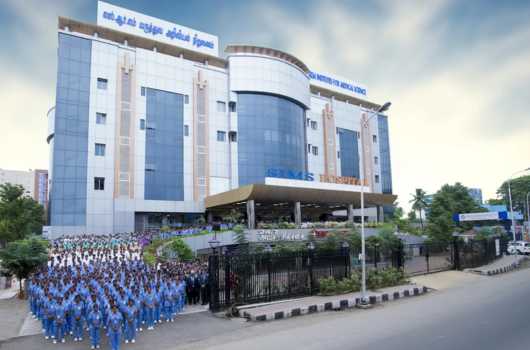
SIMS Hospital – SRM Institutes for Medical Science, Vadapalani, Chennai

This is some text inside of a div block.
345
Bed capacity
24/7
Support for patients

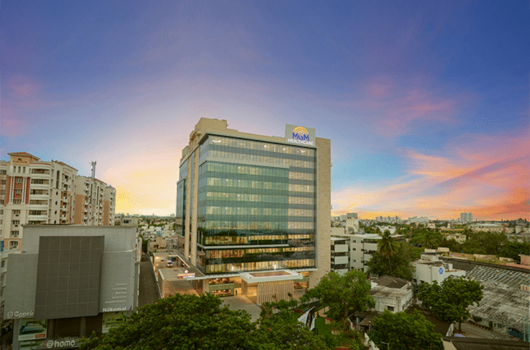
MGM Healthcare, Chennai

This is some text inside of a div block.
400
Bed capacity
24/7
Support for patients

Apollo Cancer Centre, Teynampet

This is some text inside of a div block.
300
Bed capacity
24/7
Support for patients

Apollo Proton Cancer Centre, Chennai

This is some text inside of a div block.
150
Bed capacity
24/7
Support for patients

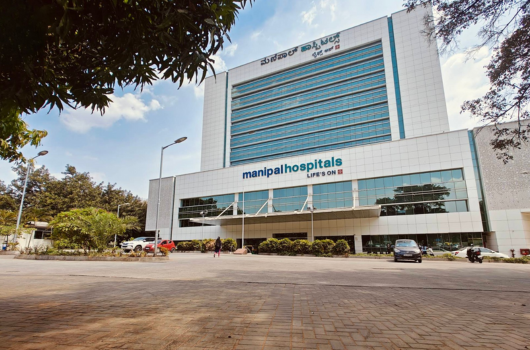
Manipal Hospital, Bangalore

This is some text inside of a div block.
650
Bed capacity
24/7
Support for patients

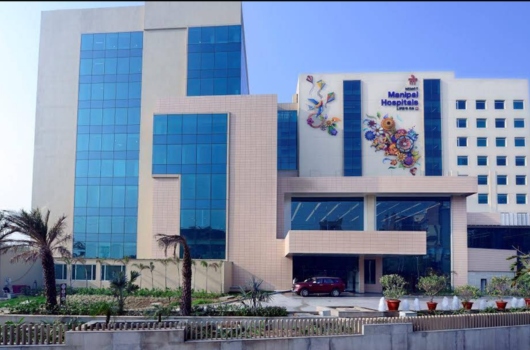
Manipal Hospitals Dwarka, Delhi

This is some text inside of a div block.
300
Bed capacity
24/7
Support for patients

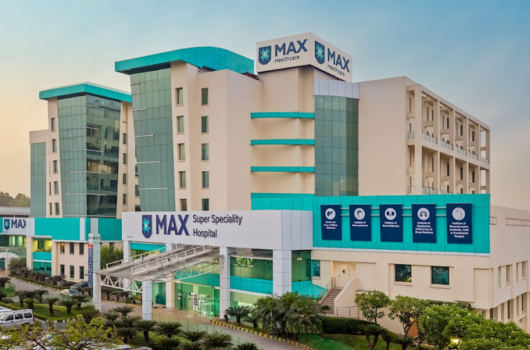
Max Super Speciality Hospital, Saket

This is some text inside of a div block.
539
Bed capacity
24/7
Support for patients

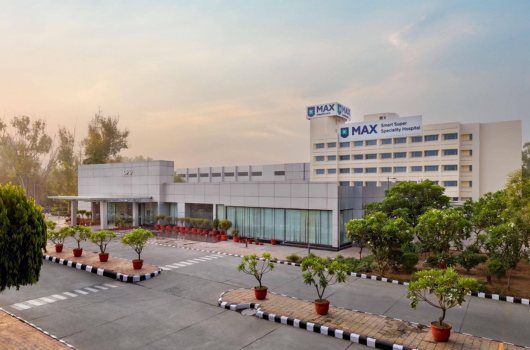
Max Smart Super Speciality Hospital, Saket

This is some text inside of a div block.
250
Bed capacity
24/7
Support for patients

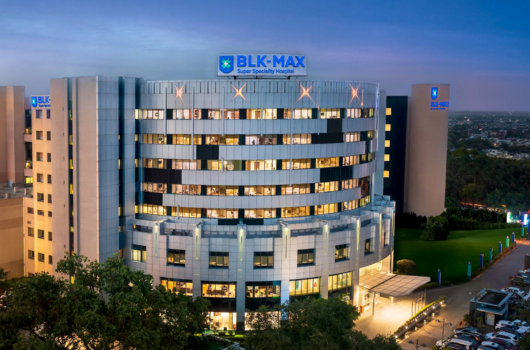
BLK-Max Super Speciality Hospital, Delhi

This is some text inside of a div block.
650
Bed capacity
24/7
Support for patients

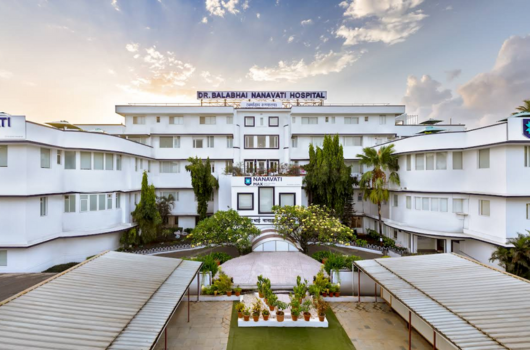
Max Healthcare Hospitals, Nanavati – Vile Parle

This is some text inside of a div block.
350
Bed capacity
24/7
Support for patients

Samitivej Srinakarin Hospital, Bangkok

This is some text inside of a div block.
400
Bed capacity
24/7
Support for patients

Samitivej Sukhumvit Hospital, Bangkok

This is some text inside of a div block.
Bed capacity
24/7
Support for patients

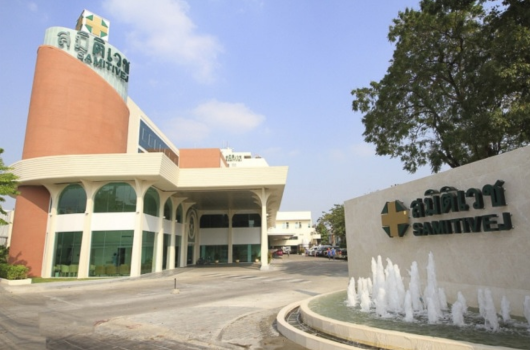
Samitivej Thonburi Hospital, Bangkok

This is some text inside of a div block.
150
Bed capacity
24/7
Support for patients

These hospitals follow international guidelines and are equipped to support patients from various countries, from diagnosis and treatment to follow-up care after returning home.

Cost of Treatment for Breast Tumours

The average cost of breast tumour treatment ranges from $2,500 to $3,500 in India and from $4,000 to $5,500 in Thailand. The final cost can vary depending on factors such as the treatment approach, hospital location, and the type of tumour. Before checking the detailed table of treatment-wise costs, it is useful to understand the main factors that influence these expenses.

Factors Affecting Treatment Cost

Several elements can affect the overall cost of breast tumour treatment in India:

  • Type of tumour: Benign (non-cancerous) lumps are generally less expensive to treat than malignant (cancerous) tumours.
  • Stage of the tumour: Early-stage cancers usually require simpler treatment, whereas advanced stages may involve surgery, chemotherapy, and radiation.
  • Tests and scans: Mammograms, biopsies, MRIs, and blood tests can increase the total cost.
  • Surgery and hospital stay: Costs vary depending on whether a breast-conserving surgery or mastectomy is performed.

Cost Breakdown of Breast Tumour Treatment in India

Breast Mammography

Approximate Cost in USD
$10 - $20
Approximate Cost in INR
₹900 - ₹1,800

Breast Biopsy

Approximate Cost in USD
$500 - $700
Approximate Cost in INR
₹44,000 - ₹61,000

Lumpectomy (Breast-Conserving Surgery)

Approximate Cost in USD
$350 - $750
Approximate Cost in INR
₹31,000 - ₹66,000

Mastectomy (Complete Breast Removal)

Approximate Cost in USD
$3,000 - $4,500
Approximate Cost in INR
₹2,64,000 - ₹3,96,000

Chemotherapy (per cycle)

Approximate Cost in USD
$300 - $800
Approximate Cost in INR
₹26,000 - ₹70,000

Radiation Therapy (full session)

Approximate Cost in USD
$3,800 - $4,500
Approximate Cost in INR
₹3,34,000 - ₹3,96,000

Hormone Therapy (annual)

Approximate Cost in USD
$100 - $500
Approximate Cost in INR
₹8,800 - ₹44,000

Immunotherapy (per cycle)

Approximate Cost in USD
$1,000 - $1,500
Approximate Cost in INR
₹88,000 - ₹1,32,000

Targeted Therapy (per cycle)

Approximate Cost in USD
$500 - $800
Approximate Cost in INR
₹44,000 - ₹70,000

Note: India has become a preferred destination for advanced cancer treatment, offering world-class care at a fraction of the international cost. Patients benefit from expert oncologists, modern medical technology, and affordable access to high-quality generic medicines, making treatment both effective and economical.

Cost Breakdown of Breast Tumour Treatment in China

No items found.

Cost Breakdown of Breast Tumour Treatment in Thailand

Breast Mammography

Approximate Cost in USD
$150 - $200
Approximate Cost in THB
฿4,950 - ฿6,600

Breast Biopsy

Approximate Cost in USD
$600 - $1,200
Approximate Cost in THB
฿19,800 - ฿39,600

Lumpectomy (Breast-Conserving Surgery)

Approximate Cost in USD
$3,000 - $4,400
Approximate Cost in THB
฿99,000 - ฿1,45,000

Mastectomy (Complete Breast Removal)

Approximate Cost in USD
$6,000 - $8,850
Approximate Cost in THB
฿1,98,000 - ฿2,92,000

Chemotherapy (per cycle)

Approximate Cost in USD
$300 - $800
Approximate Cost in THB
฿9,900 - ฿26,000

Radiation Therapy (full session)

Approximate Cost in USD
$80 - $300
Approximate Cost in THB
฿2,600 - ฿9,900

Hormone Therapy (annual)

Approximate Cost in USD
$80 - $280
Approximate Cost in THB
฿2,600 - ฿9,200

Immunotherapy (per cycle)

Approximate Cost in USD
$3,900 - $8,000
Approximate Cost in THB
฿1,28,700 - ฿2,64,000

Targeted Therapy (per cycle)

Approximate Cost in USD
$780 - $2,000
Approximate Cost in THB
฿25,700 - ฿66,000

Note: Thailand has established itself as a premium destination for cancer treatment, offering world-class hospitals, advanced technology, and internationally trained oncologists. Patients choose Thailand not only for its high-quality medical care but also for its holistic approach, combining clinical excellence with exceptional comfort and service standards.

The above figures are approximate and can vary based on the hospital, location, and individual patient requirements. Always consult the healthcare provider for the most accurate and up-to-date pricing.

The currency conversion rates in the table above are based on data from February 2026.

For a detailed cost estimate and guidance on treatment options, patients can contact myheco to connect with leading hospitals.

Success & Outcomes for Breast Tumour Treatment

Success in breast tumour treatment means the tumour is fully removed or controlled, and the patient can return to a normal or healthy life.

Understanding Success Rates

According to the National Cancer Research UK, survival rates for breast cancer vary by stage at diagnosis. Women diagnosed with early-stage breast cancer have significantly higher chances of surviving five years or more:

  • Stage 1: Nearly 100% of women survive for five years or more.
  • Stage 2: Around 90% of women survive for five years or more.
  • Stage 3: More than 70% of women survive for five years or more.
  • Stage 4: Over 25% of women survive for five years or more. While the cancer is generally not curable at this stage, treatment can help control it for several years.

Early detection and timely treatment greatly improve survival outcomes. It is important to remember that survival rates are general estimates and individual outcomes may differ.

What Does Success Mean?

  • Complete removal of the tumour with no spread, particularly in early-stage cancers
  • No recurrence of the tumour following treatment
  • Maintaining a good quality of life with preserved breast function (for breast-conserving surgery)
  • Long-term health through regular monitoring and minimal side effects

Approach of Leading Hospitals for Breast Tumours

Leading hospitals provide patient-centred care with precise diagnosis, personalised treatment, and expert collaboration. Their approach includes:

  • Accurate diagnostics: Blood tests, imaging (mammogram, ultrasound, MRI), biopsies, and genetic testing.
  • Minimally invasive surgeries: Lumpectomy, mastectomy, robotic, and breast-conserving procedures.
  • Advanced treatments: Chemotherapy, hormonal therapy, targeted therapy, immunotherapy, and modern radiation methods.
  • Multidisciplinary care: Oncologists, surgeons, and specialists collaborate to create customised treatment plans.

This integrated approach ensures better survival outcomes and improves the quality of life for patients with breast tumours.

Expert Insights

Dr. Jayanti Thumsi explains breast diseases, diagnosis, and the importance of early screening and treatment.

Dr. Jayanti Thumsi, a renowned Surgical Oncologist and Breast Surgeon at Apollo Cancer Centres, Bangalore, shares her insights on managing breast-related conditions. She highlights that benign breast diseases are more common than breast cancer but still require timely attention. Dr. Thumsi explains the importance of early diagnosis using the triple assessment approach, which includes clinical examination, imaging, and biopsy. She also highlights key diagnostic tools such as mammograms, breast MRI, and ultrasound. Additionally, she discusses conditions like fibroadenoma and phyllodes tumour, and provides information on breast lumpectomy. Her primary goal is to raise awareness about breast screening and early intervention to ensure better outcomes.

How myheco Supports International Patients

Medical Guidance for Breast Tumour Treatment

Travel Assistance for Breast Tumour Care

Cost Transparency and Patient Support

  • Provides detailed cost estimates for surgery, chemotherapy, hormonal or targeted therapy, and radiation.
  • Ensures transparent pricing with no hidden charges.
  • Offers multilingual patient coordinators for smooth communication.
  • Supports patients throughout their journey, from medical report review to post-treatment follow-up care.
  • Has successfully helped thousands of international patients access expert breast tumour treatment.

Choosing myheco means expert care, faster access, and comprehensive support throughout your treatment journey.

Note: Myheco does not provide medical advice.

Patient Stories

Peninah’s Successful Breast Cancer Journey at Manipal Dwarka

Peninah Wairimu’s breast cancer surgery success at Manipal Hospital, shared by her daughter Frashiah.

Peninah Wairimu, a breast cancer patient, came to Manipal Hospital, Dwarka, for treatment. Under the expert guidance of Dr. Pushpindar, Surgical Oncologist, she underwent surgery, which was a complete success. Throughout the journey, her side effects were carefully managed, allowing her to maintain a good quality of life. Her daughter Frashiah expresses heartfelt gratitude to Dr. Pushpindar and the Manipal team for their compassionate and effective care that gave her mother a new lease of life.

Mrs. Ayesha from Dhaka overcame breast cancer after treatment at Apollo Chennai

Mrs. Ayesha, a 50-year-old from Dhaka, was diagnosed with stage III breast cancer and chose Apollo Hospitals in Chennai for her treatment. Under the specialised care of Dr. Meera and Dr. Ravi, she received a comprehensive treatment plan that included surgery, chemotherapy, and radiation therapy. This multidisciplinary approach resulted in a significant reduction in her tumour, eventually leading her into remission. Her doctors also ensured that side effects were carefully managed, helping her maintain a good quality of life throughout the process. Mrs. Ayesha expressed deep gratitude for the compassionate and effective care provided by the Apollo team.

Step-by-Step: Your Journey to Treatment Across the Globe

✅ Share your medical reports
✅ Receive personalised treatment plans from leading hospitals
✅ Choose the option that suits you best
✅ Let us handle the arrangements

Connect with us for expert breast tumour treatment abroad!
We assist patients with breast tumour treatment abroad, including consultations, hospital selection, and complete support.
Chat with Us on WhatsApp

FAQs

What should I do if I find a lump in my breast?

If you notice a lump in your breast (implied tumour), seek medical advice promptly for early evaluation and care. A lump does not always indicate cancer, and only a medical professional can determine its cause.

What tests are needed to confirm a breast tumour?

Doctors usually recommend a triple assessment: clinical examination, imaging (mammogram or ultrasound), and biopsy for accurate diagnosis. The choice of tests may vary depending on age, symptoms, and individual clinical findings.

Can breast tumours be cured?

Yes. Early-stage breast cancer can be treated successfully with surgery, chemotherapy, radiation, or a combination. Benign tumours may only need monitoring or minor procedures. Treatment outcomes and options differ for each individual and should be discussed with a specialist.

Will myheco help with doctor appointments and travel?

Yes. Myheco connects patients with experienced breast specialists, assists with medical documentation, and provides airport pickup and transfer support.

What are the best hospitals for breast tumour treatment in India?

India has many leading hospitals that specialise in breast tumour care. In Chennai, leading centres include SIMS Hospital, MGM Healthcare, Apollo Cancer Institute, and the Apollo Proton Cancer Centre. Manipal Hospital Main Hospital Oncology in Bangalore offers comprehensive breast tumour management through surgical, medical, and radiation oncology. In Delhi, leading hospitals are Manipal Hospital Dwarka, Max Hospital Saket, and BLK-Max Hospital, known for their expertise in minimally invasive breast surgery, chemotherapy, and holistic care. In Mumbai, Nanavati Max Hospital is recognised for advanced surgical oncology and systemic treatment for breast tumours. In Kolkata, Manipal Hospitals EM Bypass (Medica Synergie Cancer Hospital) is known for multidisciplinary management of breast tumours.

What is the best hospital for breast tumour treatment in Thailand?

Samitivej Hospital is highly recommended for breast tumour treatment. It provides advanced care with expertise in breast-conserving surgery, minimally invasive techniques, targeted therapies, and personalised treatment plans for every patient.

Need help with Myheco?
Doctor Appointment | Medical Visa Invitation Letter | Second Opinion | Cost of Treatment | Flight Ticket