
Cancer is a disease in which certain cells in the body grow uncontrollably and can spread to other areas. Under normal conditions, cells grow and divide as required, but in cancer, this process malfunctions, resulting in abnormal growths known as tumours.
A tumour is an abnormal growth of tissue resulting from uncontrolled cell division. Normally, cells grow, divide, and die in a regulated manner, but when this balance is disrupted, cells can multiply excessively and form a tumour. Tumours are generally classified into two types:
A common belief is that all tumours are cancerous, but in reality, many are benign and non-life-threatening. Some people think cancer is always incurable, yet early detection and modern treatments have significantly improved survival rates. Another myth is that cancer spreads if touched during surgery, which is untrue; surgery remains one of the most effective ways to remove tumours.
Misconceptions like these often cause fear, so accurate information and timely medical guidance are essential. Early detection and treatment is crucial.Always consult a qualified oncologist or healthcare professional for accurate evaluation, guidance, and care.

Treatment for cancer and tumours is essential to remove or control abnormal cells, stop the disease from spreading, and lower the risk of recurrence. It also helps relieve symptoms such as pain or swelling and improves overall quality of life. In many cases, receiving treatment on time can help patients live longer and maintain better health, even if a complete cure is not achievable.
Cancer and tumours can arise due to a variety of factors:
Cancer can develop in almost any part of the body. Early detection improves the chances of successful treatment. Symptoms vary depending on the tumour’s location. Below are some commonly diagnosed cancers, along with the organs they affect.
How to recognise a tumour in the head? Head tumours, especially brain tumours, can impact thinking, movement, and vital body functions. Common signs of a brain tumour include:
Does brain stroke mean a tumour? No, a brain stroke is not the same as a brain tumour. They are completely different medical conditions, although some of their symptoms may appear similar.
Key Differences are as follows:
Patients can explore detailed information on brain tumour treatment, including cost and hospitals.
An abdominal tumour can form in various organs, including the stomach, liver, kidneys, colon, spleen, appendix, or ovaries. The early symptoms of an abdominal tumour are often subtle and hard to notice. As the tumour grows, specific signs may appear depending on its location, whether it is a tumour on the right side of abdomen or a tumour on the left side of abdomen.
Common early symptoms of an abdominal tumour include:
These symptoms can vary depending on the affected organ. For instance:
Patients can explore detailed information on abdominal tumour treatment, including cost and hospitals.
Tumours in the anal passage, also known as an anal tumour, affect the final part of the gastrointestinal tract. When these tumours are malignant, they can lead to anal cancer. Early detection is crucial but can be challenging, as symptoms often overlap with other anorectal conditions such as piles.
Common signs of an anal tumour include:
Patients can explore detailed information on Anal Tumour treatment, including cost and hospitals.
Lung cancer develops when abnormal cells in the lungs grow uncontrollably, leading to the formation of tumours.
Causes of lung cancer include:
Symptoms of lung cancer may include:
Treatment for lung cancer depends on the stage of the disease and can involve surgery, chemotherapy, radiation therapy, or targeted therapy.
Patients can explore detailed Lung Cancer treatment, including cost and hospitals.
A breast tumour is an abnormal growth of cells in the breast, which can be either benign or malignant. When the tumour is malignant, it is referred to as breast cancer.
Causes of breast cancer include:
Symptoms of breast cancer may include:
Patients can explore the detailed Breast Tumour treatment, including cost and hospitals.
Prostate cancer begins in the prostate gland and may grow slowly or spread to other parts of the body.
Causes of prostate cancer include:
Symptoms of prostate cancer may include:
Patients can explore the detailed Prostate Cancer treatment, including cost and hospitals.
Bone cancer develops when abnormal cells grow in the bone, leading to the formation of a tumour.
Causes of bone cancer include:
Symptoms of bone cancer may include:
Patients can explore the detailed Bone Cancer treatment, including cost and hospitals.
Colorectal cancer begins in the colon or rectum, often developing from polyps that turn cancerous over time.
Causes of colorectal cancer include:
Symptoms of colorectal cancer may include:
Cervical cancer develops in the cervix, most often as a result of a long-term infection with high-risk types of HPV.
Causes of cervical cancer include:
Symptoms of cervical cancer may include:
Patients can explore the detailed Cervical Cancer treatment, including cost and hospitals.
Liver cancer begins in the liver cells and may grow rapidly or spread to other parts of the body.
Causes of liver cancer include:
Symptoms of liver cancer may include:
Patients can explore the detailed Liver Cancer treatment, including cost and hospitals.
Blood cancer impacts the blood, bone marrow, or lymphatic system, leading to abnormal production of blood cells.
Causes of blood cancer include:
Symptoms of blood cancer may include:
Patients can explore the detailed Blood Cancer treatment, including cost and hospitals.
Kidney cancer develops in the kidneys when abnormal cells grow uncontrollably, forming a tumour.
Causes of kidney cancer include:
Symptoms of kidney cancer may include:
Patients can explore the detailed Kidney Cancer treatment, including cost and hospitals.
Throat cancer occurs in the throat (pharynx or larynx) when abnormal cells grow and form tumours, which can affect speech and swallowing.
Causes of throat cancer include:
Symptoms of throat cancer may include:
Patients can explore the detailed Throat Cancer treatment, including cost and hospitals.
Symptoms of cancer and tumours should never be ignored, as early treatment can improve survival rates and help prevent the tumour from spreading.
Doctors may suggest treatment after conducting:
Survival after a cancer diagnosis varies based on several factors:
Survival rates vary widely depending on cancer type, stage, treatment, and individual health. Always consult a qualified oncologist for personalised guidance.
While not all cancers can be prevented, certain lifestyle choices and medical care can lower the risk. Early detection and timely treatment greatly improve survival chances.
Prevention Tips:
The suggestions provided are for general educational purposes and may reduce risk but cannot guarantee prevention. Individual risk factors and medical history vary, so consult your doctor for personalised advice.
These tips are general lifestyle recommendations and may help lower cancer risk, but they are not a substitute for medical care or screening. Always follow guidance from your healthcare provider.
Finding cancer or tumours early and starting treatment promptly can greatly improve outcomes. If you or a loved one notices any unusual symptoms, myheco can connect you with experienced specialists at trusted hospitals for diagnosis and treatment.
Some of the world’s leading cancer centres provide advanced care for patients with different types of tumours. These hospitals offer precise diagnosis, cutting-edge therapies, and support services tailored for international patients.
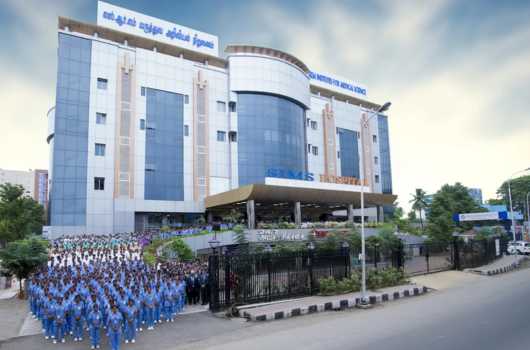
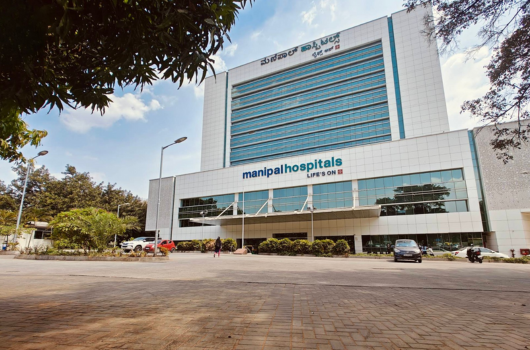
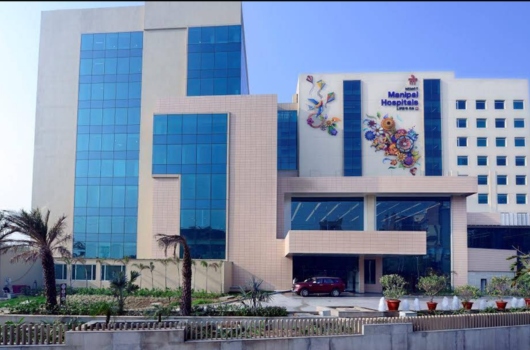
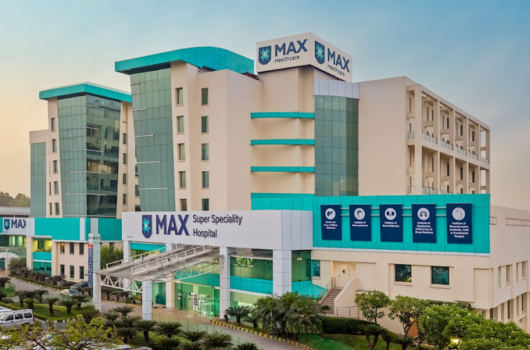
Leading hospitals for cancer and tumour treatment include:

.png)

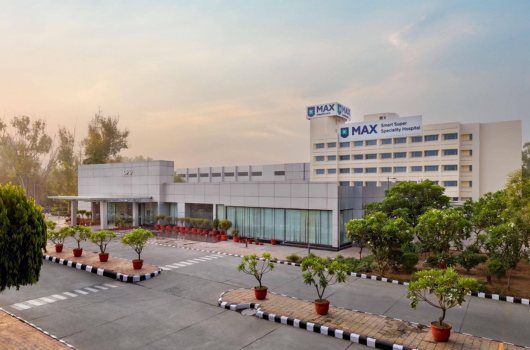



.png)

These hospitals follow international guidelines for cancer care and are equipped to support patients from various countries, from diagnosis and treatment to follow-up care after returning home.
On average, cancer treatment can range from $4,900 to $12,300 in India and from $13,900 to $25,800 in Thailand. The final cost may vary based on multiple factors such as the treatment method, hospital location, and type of tumour. Before viewing the detailed table of treatment-wise costs, it's helpful to understand what influences these expenses most.
Several factors can influence the cost of tumour or cancer treatment in India, including:
Note: India has become a preferred destination for advanced cancer treatment, offering world-class care at a fraction of the international cost. Patients benefit from expert oncologists, modern medical technology, and affordable access to high-quality generic medicines, making treatment both effective and economical.
Note: Thailand has established itself as a premium destination for cancer treatment, offering world-class hospitals, advanced technology, and internationally trained oncologists. Patients choose Thailand not only for its high-quality medical care but also for its holistic approach, combining clinical excellence with exceptional comfort and service standards.
The above figures are approximate and can vary based on the hospital, location, and individual patient requirements. Always consult the healthcare provider for the most accurate and up-to-date pricing.
The currency conversion rates in the table above are based on data from February 2026.
For a detailed cost estimate and guidance on treatment options, patients can contact myheco to connect with leading hospitals specialising in cancer care.
Success in cancer and tumour treatment is often measured by how effectively the disease can be controlled, the tumour can be removed or reduced, and how well patients can live following treatment.
According to the American Cancer Society – Cancer Statistics 2026 Report, the five-year relative survival rate for all cancers combined has reached 70% for people diagnosed between 2015 and 2021, compared with 49% in the mid-1970s. The report also highlights major survival gains for several historically fatal cancers, including:
Further details reported in a Cancer Network summary of the ACS data show that survival varies significantly by cancer type:
It is important to understand that survival statistics are population averages and do not predict individual outcomes. Prognosis depends on:
Success in cancer care is not only measured by survival percentages. It also includes:
Ongoing research, improved screening programmes, and advances in precision medicine continue to improve long-term outcomes for many cancer patients worldwide.
Leading cancer hospitals provide patient-centred care with advanced diagnosis, personalised treatment, and expert collaboration. Their approach includes:
This combined approach ensures better survival outcomes and improved quality of life for cancer and tumour patients.

Dr. Rathna Devi, Senior Consultant and Radiation Oncologist at Apollo Cancer Centre, Chennai, outlined the three primary treatment approaches: surgical oncology, medical oncology, and radiation oncology. She emphasised the important role each method plays in treating various types of cancer. Dr. Devi also highlighted modern surgical techniques and advanced radiation therapies, explaining how they contribute to faster and better recovery compared to earlier methods. With years of expertise in this field, she appreciates that today’s technologies enable patients to return to a normal life more effectively.

Dr. Rayappa, Head & Neck and Skull Base Surgeon at Apollo Cancer Centre, Chennai, explains that parotid gland tumours are usually benign and appear as painless swellings near the jaw or ear. Warning signs such as rapid growth, pain, or facial weakness may indicate cancer. Diagnosis typically involves a clinical examination, imaging, and biopsy. While the exact causes are often unknown, smoking and alcohol use can increase the risk. Surgery is the primary treatment, with careful preservation of the facial nerve. In malignant cases, radiation or chemotherapy may also be required. Dr. Rayappa emphasises that early detection and expert care, supported by Apollo’s advanced technology, are essential for achieving better outcomes.

During an awareness session, Dr. T. Raja, Director of Medical Oncology at Apollo Cancer Centre, Chennai, highlighted the rising cancer burden in India, noting that children and adolescents now account for nearly 15% of cases, a serious and growing concern. He emphasised the increasing incidence of cancer among the population and the frequent problem of late diagnosis. Dr. Raja stressed that early detection can provide up to an 80% cure rate. He also discussed recent advancements in treatment, including proton therapy, targeted drugs, and PET CT scans, which together improve treatment precision, minimise side effects, and significantly enhance cancer care outcomes.

In this session, Dr. Ajit Pai, Surgical Oncologist at Apollo Hospitals Chennai, discussed the increasing use of laparoscopic and robotic-assisted surgery in cancer care. These minimally invasive techniques enable precise tumour removal through smaller incisions, resulting in less pain, faster recovery, and minimal scarring. He highlighted their effectiveness in treating gastrointestinal and pelvic cancers, particularly when used alongside chemotherapy or radiation. Dr. Pai also emphasised the need for specialised training, multidisciplinary collaboration, and ongoing research to enhance outcomes and make these advanced surgical methods more accessible and reliable for patients at various stages of cancer.
Travelling abroad for cancer and tumour treatment can feel overwhelming without the right guidance and coordination. From selecting experienced oncologists to planning surgery or systemic therapies, patients require clear information and organised support at every stage. Myheco streamlines this process by connecting international patients with leading specialists, coordinating travel arrangements, and providing continuous assistance from the initial medical review through recovery and follow-up care.
Choosing myheco means expert care, faster access, and comprehensive support throughout your treatment journey.
Note: Myheco does not provide medical advice.
Mr. Iqbal Shahriar, a patient from Bangladesh, was diagnosed with a peri-ampullary tumour after experiencing multiple abdominal symptoms. He was advised to undergo a Whipple’s procedure, a major and complex abdominal surgery. Travelling to India with hope, he underwent the operation at Apollo, where Dr. JKA Jameel, Senior Consultant in Gastrointestinal and Laparoscopic Surgery, Chennai, performed the surgery successfully and completely removed the tumour. Mr. Shahriar expressed immense satisfaction with the care he received and returned home in good health.
MD Nural Bashar, a patient from Bangladesh, was diagnosed with stomach cancer and referred for treatment by Dr. Ajit Pai, Surgical Oncologist at Apollo Hospitals, Chennai, who had first met him during a medical camp in Bangladesh. Following the recommendation, Mr. Bashar travelled to Chennai for surgery. The procedure was successful, and he has since returned to a healthy life. Today, he enjoys a normal routine with his two children and remains thankful for the expert care he received at Apollo.
Mr. Rahim, a 45-year-old patient from Bangladesh, was diagnosed with a complex chest wall tumour situated near vital organs. His treatment required careful planning and expert surgical skills. At Apollo Chennai, Dr. Ashok Kumar and Dr. Suresh Menon successfully removed the tumour without any complications. Mr. Rahim made a complete recovery, showcasing Apollo’s expertise in handling challenging cancer cases.
✅ Share your medical reports
✅ Receive personalised treatment plans from leading hospitals
✅ Choose the option that suits you best
✅ Let us handle the arrangements

Symptoms differ based on the type and location of the cancer or tumour but can include unusual lumps, unexplained weight loss, fatigue, changes in bowel or bladder habits, bleeding, or persistent pain. Detecting cancer early can significantly improve outcomes.
Cancer can often be prevented by not smoking, maintaining a healthy diet and weight, exercising regularly, limiting alcohol intake, getting vaccinated (for example, against HPV), and attending regular screening check-ups. Individual cancer risk can vary based on genetics, lifestyle, and environmental factors. Always consult a healthcare professional for personalised prevention advice.
Some cancers are completely curable, especially if caught early. Others may be managed effectively over the long term with proper treatment. Modern advances in surgery, chemotherapy, radiation, targeted therapy, and immunotherapy have greatly improved survival rates. Always consult an oncologist to understand the best available treatment options for your specific diagnosis.
Success rates vary depending on the type of cancer, its stage, and the patient’s overall health. Early-stage cancers generally have higher cure rates, while advanced cancers can often be controlled effectively through multidisciplinary care. Success rates are statistical estimates and may not predict individual outcomes. Response to treatment depends on various factors including cancer type, stage, patient health, and access to specialised care.
Cancer patients are encouraged to follow a high-protein, balanced diet rich in fruits, vegetables, whole grains, and healthy fats. Processed foods, excessive sugar, and alcohol should generally be avoided unless specifically recommended by a doctor. Dietary needs can vary depending on the cancer type, treatment plan, and individual health status. Always seek guidance from a qualified oncologist or dietitian before making major dietary changes.
Yes. Myheco offers end-to-end assistance, from connecting patients with top cancer specialists and providing cost estimates to arranging travel, hospital coordination, and post-treatment follow-up care.
India has many leading hospitals that specialise in cancer and tumour care. In Chennai, top centres include SIMS Hospital, MGM Healthcare, Apollo Cancer Institute, and the Apollo Proton Cancer Centre. Manipal Hospital Main Hospital Oncology in Bangalore offers comprehensive cancer and tumour management through surgical, medical, and radiation oncology. In Delhi, leading hospitals are Manipal Hospital Dwarka, Max Hospital Saket, and BLK-Max Hospital, known for their expertise in robotic surgery, chemotherapy, radiotherapy, and holistic patient support. In Mumbai, Nanavati Max Hospital is recognised for advanced surgical oncology and systemic treatment for different cancers and tumours. In Kolkata, Manipal Hospitals EM Bypass (Medica Synergie Cancer Hospital) is known for multidisciplinary management of cancers and tumours with modern diagnostic and treatment facilities.
Samitivej Sukhumvit Hospital and Samitivej Srinakarin Hospital are highly recommended for cancer and tumour treatment in Thailand. It provides advanced care with expertise in minimally invasive surgery, targeted therapies, radiation oncology, and personalised treatment plans tailored to every patient.


DISCLAIMER: THIS WEBSITE DOES NOT PROVIDE MEDICAL ADVICE
The information, including but not limited to, text, graphics, images and other material contained on this website are for informational purposes only. No material or content on this site is intended to be a substitute for professional medical advice, diagnosis, or treatment. Always seek the advice of your physician or other qualified health care provider with any questions you may have regarding a medical condition or treatment and before undertaking a new health care regimen, and never disregard professional medical advice or delay in seeking it because of something you have read on this website - www.myheco.com

.png)