
CAR T-cell therapy is an advanced form of immunotherapy where a patient’s own T cells (a type of immune cell) are modified in a laboratory to target and destroy cancer cells. This therapy is mainly used for certain blood cancers, including leukaemia and lymphoma.
How Does CAR T-Cell Therapy Work?
CAR T therapy is usually considered for patients whose cancer has not responded to standard treatments or has relapsed. It can provide a highly targeted approach, often when other options are limited.
A common misconception about CAR T-cell therapy is that it cures all cancers. In truth, it mainly helps certain blood cancers, not solid tumours, and can cause serious side effects, requiring careful monitoring.
CAR T-cell therapy can cause side effects such as fever, fatigue, or more serious immune reactions known as cytokine release syndrome, so close medical monitoring is essential. The treatment is available only at select specialised hospitals, and early consultation with an expert is important to determine patient eligibility and ensure safe administration.

CAR T-cell therapy is needed for patients whose blood cancers, such as leukaemia or lymphoma, have not responded to standard treatments or have relapsed. Early intervention with this therapy can provide a targeted approach to destroying cancer cells that other treatments may have missed. Consulting a specialised oncologist is essential to determine if CAR T cell therapy is suitable and to plan safe and effective treatment.
CAR T-cell therapy is generally considered when standard treatments for certain blood cancers fail or when the disease relapses. Factors that may lead to the need for this therapy include:
Patients may be considered for CAR T therapy if they experience:
This therapy targets the root of the problem; the patient’s own immune system is modified to recognise and destroy cancer cells, offering hope when other treatments are insufficient.
Patients are considered for CAR T-cell therapy when standard treatments are not effective or the cancer returns. The decision usually follows:
This careful assessment ensures that CAR T cell therapy is offered to those who are most likely to respond safely and effectively.
Early intervention and timely treatment with CAR T cell therapy can significantly improve outcomes for patients with certain blood cancers. If you or a loved one meets the criteria, myheco can connect you with experienced oncologists and specialised centres to receive expert guidance and care.
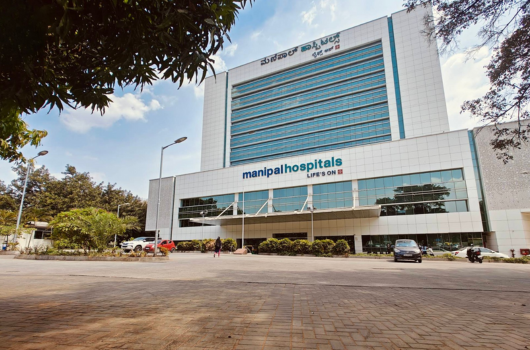
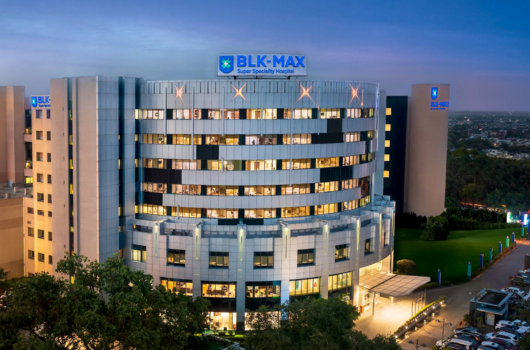
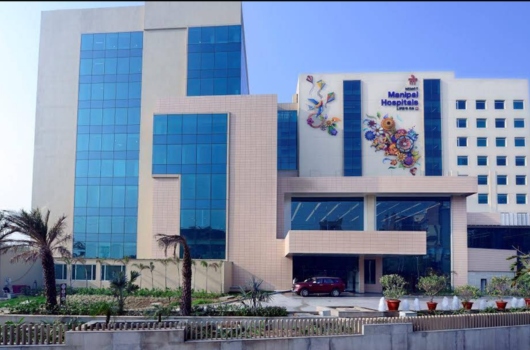
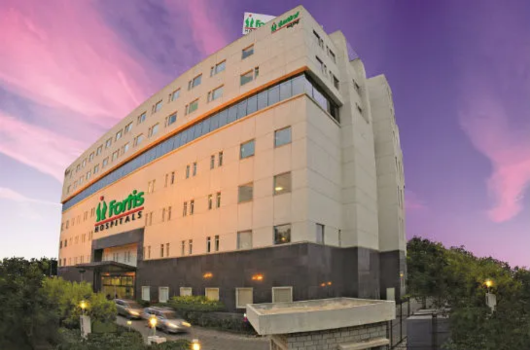
Some of the world’s most advanced cancer hospitals offer specialised care for patients undergoing CAR T cell therapy, particularly for blood cancers such as leukemia, lymphoma, and multiple myeloma. These centres provide comprehensive haematology and oncology services, including cellular immunotherapy, advanced diagnostics, and post-infusion monitoring, supported by experienced haematologists and multidisciplinary oncology teams.
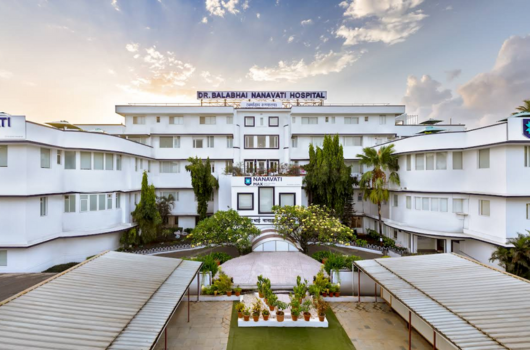
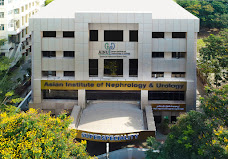
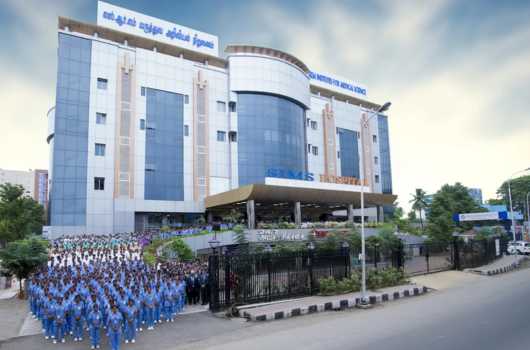
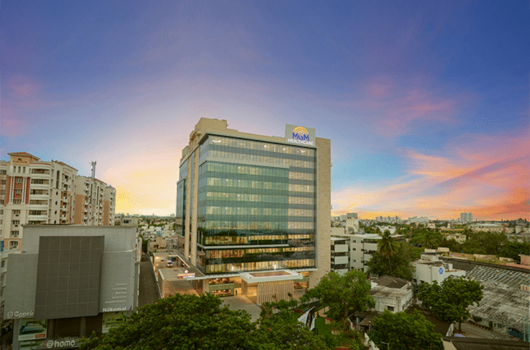
Leading hospitals for CAR T-cell therapy include:



.jpg)


.png)

.png)
%20%E2%80%93%20Banjara%20Hills%2C%20Hyderabad.png)
.png)
.png)
.png)

These hospitals provide evidence-based treatment protocols, advanced cellular therapy expertise, and coordinated care for international patients seeking CAR T cell therapy.
The average cost of CAR T cell therapy typically ranges between $55,000 and $75,000 in India and from $180,000 to $350,000 in Thailand. However, the exact cost can vary depending on factors such as the type of cancer, hospital location, and the complexity of the case. Before reviewing the detailed cost breakdown, it is important to understand the key factors that influence the overall expenses.
Note: India has emerged as a preferred destination for advanced CAR T cell therapy, offering world-class treatment, experienced haematologists and oncologists, and cost-effective access to cutting-edge cellular immunotherapy.
Note: Thailand is recognised as a premium destination for advanced CAR T cell therapy, offering internationally accredited hospitals, advanced medical infrastructure, and specialised oncology care with a strong focus on patient safety and outcomes.
The above figures are approximate and may vary based on the hospital, location, and individual patient requirements. Patients are advised to consult healthcare providers for the most accurate and updated cost estimates.
The currency conversion rates in the table above are based on data from April 2026.
For a detailed cost estimate and personalised guidance, patients can contact myheco to connect with leading hospitals specialising in CAR T cell therapy and advanced blood cancer treatment.
Success in CAR T cell therapy means the patient’s cancer cells are effectively targeted and reduced, achieving remission or disease control. Positive outcomes allow many patients to experience improved quality of life.
Leading specialised centres follow a patient-focused approach with precise evaluation, personalised treatment, and expert collaboration. Their approach includes:
This integrated approach enhances treatment efficacy, ensures patient safety, and improves overall outcomes for patients receiving CAR T cell therapy.

Dr. Sajjan Rajpurohit, Senior Consultant and Medical Oncologist at Max Hospital, Shalimar Bagh, shares his expert insights on CAR T-cell therapy. He explains that this treatment is often called a “living drug,” as it uses a patient’s own T-cells, which are collected, genetically engineered with chimeric antigen receptors (CARs), and then multiplied in the lab. Once reinfused, these modified cells directly target and destroy cancer cells. He highlights that CAR T-cell therapy has shown the most success in blood cancers, particularly in patients with leukaemia and lymphoma.
He also points out that while its application in solid tumours is still under research, ongoing studies continue to expand its potential. His main message is that CAR T-cell therapy offers new hope for patients with limited treatment options, paving the way for more effective and personalised cancer care.
Myheco ensures that international patients receive complete support, from connecting with leading haematology and oncology specialists to managing every aspect of their medical journey. With transparent guidance, expert coordination, and trusted hospital partnerships, myheco helps patients access advanced CAR T cell therapy safely and efficiently.
Choosing myheco means expert care, faster access, and comprehensive support throughout your treatment journey.
Note: Myheco does not provide medical advice.
✅ Share your medical reports
✅ Receive personalised treatment plans from leading hospitals
✅ Choose the option that suits you best
✅ Let us handle the arrangements

Patients with certain blood cancers, such as relapsed or refractory leukaemia, lymphoma, or multiple myeloma, who have not responded to standard treatments, may be considered for CAR T Cell therapy. Eligibility is determined by a specialised oncologist.
Doctors typically recommend blood tests, bone marrow examination, imaging scans, and molecular profiling to assess the type and extent of cancer and determine if CAR T therapy is suitable.
Yes. CAR T therapy has shown high remission rates for specific blood cancers. Outcomes are best when administered in specialised centres with expert care.
Yes. Myheco connects patients with expert CAR T specialists, arranges online consultations, provides second opinions, and assists with medical visa documents, flight bookings, and airport transfers for a smooth treatment journey.
The CAR T cell therapy process involves T cell collection, genetic modification in a lab, pre-treatment conditioning, infusion, and hospital monitoring, usually spanning several weeks. The exact duration depends on the patient’s condition and treatment plan. An expert's guidance is required.
India’s leading hospitals for CAR T cell therapy include Apollo Proton Cancer Centre, Apollo Cancer Institute, SIMS Hospital, MGM Healthcare, and Rela Hospital in Chennai; Manipal Hospital, Apollo Hospital, and Fortis Hospital in Bangalore; Max Hospital, BLK-Max Super Speciality Hospital, Manipal Hospital Dwarka, Medanta – The Medicity, Indraprastha Apollo Hospital, Apollo Athena Women’s Cancer Hospital, and Fortis Hospital in Delhi; Nanavati Max Super Speciality Hospital, Apollo Hospital, and Fortis Hospital in Mumbai; and Apollo Hospital and Asian Institute of Nephrology & Urology (AINU) in Hyderabad. These centres provide multidisciplinary haematology and oncology care, advanced diagnostics, cellular immunotherapy, stem cell transplant support, and specialised post-infusion monitoring for blood cancer treatment.
In Thailand, Samitivej Sukhumvit Hospital in Bangkok is internationally recognised for advanced cellular therapy services, specialised immunotherapy units, experienced oncology teams, and integrated cancer care. The hospital also provides structured international patient services, supporting patients travelling from overseas for CAR T cell therapy.


DISCLAIMER: THIS WEBSITE DOES NOT PROVIDE MEDICAL ADVICE
The information, including but not limited to, text, graphics, images and other material contained on this website are for informational purposes only. No material or content on this site is intended to be a substitute for professional medical advice, diagnosis, or treatment. Always seek the advice of your physician or other qualified health care provider with any questions you may have regarding a medical condition or treatment and before undertaking a new health care regimen, and never disregard professional medical advice or delay in seeking it because of something you have read on this website - www.myheco.com

.png)