
Carotid Artery Stenting (CAS) is a minimally invasive procedure used to treat carotid artery stenosis, a condition in which one or both carotid arteries become narrowed due to plaque buildup. The carotid arteries are the main blood vessels that carry oxygen-rich blood from the heart to the brain. When these arteries narrow significantly, blood flow to the brain can be reduced, increasing the risk of a stroke.
Carotid artery stenosis most commonly occurs due to atherosclerosis, a process in which fatty deposits, cholesterol, and other substances accumulate inside the artery walls. Over time, this buildup can harden and restrict blood flow. In some cases, small pieces of plaque may break off and travel to the brain, potentially blocking smaller vessels and causing a stroke.
Carotid artery stenting is performed by specialists in endovascular neurosurgery or interventional vascular medicine. During the procedure, a thin catheter is inserted through a blood vessel, usually in the groin or wrist, and guided to the narrowed carotid artery using advanced imaging technology. A small mesh tube called a stent is then placed in the artery to hold it open, allowing blood to flow more freely to the brain.
Many people assume that surgery is always required to treat severe carotid artery narrowing. However, carotid artery stenting provides an alternative to traditional carotid endarterectomy, which involves open surgery to remove plaque from the artery. CAS may be recommended for patients who have higher surgical risks or certain anatomical conditions that make open surgery more challenging.
Before recommending carotid artery stenting, doctors carefully evaluate several factors. These include the degree of arterial narrowing, the patient’s overall health, previous stroke or transient ischemic attack (TIA) history, and the presence of other cardiovascular conditions. Imaging tests such as ultrasound, CT angiography, or MR angiography are often used to confirm the diagnosis and assess the severity of the blockage.
Early detection of carotid artery stenosis is important because the condition can progress silently for years without noticeable symptoms. Timely diagnosis and appropriate treatment can significantly reduce the risk of stroke and help preserve long-term brain health.

Carotid artery stenting is recommended when a significant narrowing in the carotid arteries increases the risk of stroke or other neurological complications. The procedure helps restore proper blood flow to the brain and reduces the likelihood of future vascular events.
If carotid artery stenosis is left untreated, plaque buildup inside the artery can continue to grow and further restrict blood circulation. Reduced blood flow may deprive the brain of oxygen and nutrients, potentially leading to transient ischemic attacks (TIAs) or full strokes. TIAs are sometimes referred to as “mini-strokes” and may serve as early warning signs of a more serious event.
Another major concern is plaque rupture. When unstable plaque breaks apart, fragments can travel through the bloodstream and block smaller arteries in the brain. This sudden obstruction can cause permanent brain damage within minutes if blood supply is not restored quickly.
The effects of carotid artery stenosis can significantly impact a person’s quality of life. Individuals may experience weakness, difficulty speaking, vision disturbances, or problems with coordination. In severe cases, stroke can result in long-term disability, affecting mobility, memory, and independence in daily activities.
Long-term health implications may also include increased cardiovascular risk. Patients with carotid artery disease often have underlying atherosclerosis in other parts of the body, including the coronary arteries. This means they may also face a higher risk of heart attack and other vascular complications.
Carotid artery stenting offers a minimally invasive treatment option that helps reduce these risks by reopening the narrowed artery and stabilizing blood flow to the brain. For many patients, especially those who are not ideal candidates for open surgery, the procedure provides an effective method of stroke prevention while supporting long-term neurological health.
Understanding the causes and risk factors of carotid artery stenosis can help support early detection, preventive care, and timely treatment.
Symptoms of carotid artery stenosis may vary depending on the degree of narrowing and whether blood flow to the brain has already been affected. Early recognition of symptoms can improve treatment outcomes.
Anyone experiencing these symptoms should seek medical attention promptly. Early evaluation can help prevent serious complications and allow doctors to determine whether treatments such as carotid artery stenting are appropriate.
Doctors recommend carotid artery stenting based on detailed clinical evaluation, imaging results, symptom severity, and the patient’s overall health condition.
Early intervention helps reduce the risk of stroke and long-term neurological damage. Carotid artery stenting provides a minimally invasive way to restore blood flow, especially when performed in suitable patients at the right time.
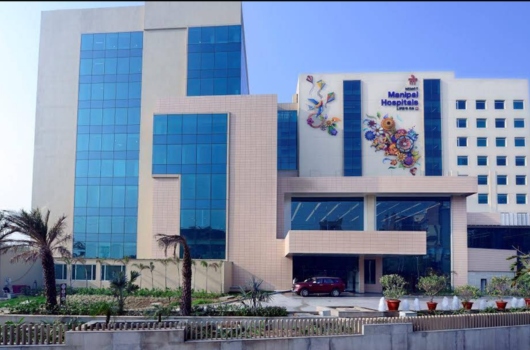
Some of the world’s leading hospitals offer specialised care for patients with carotid artery stenosis and other cerebrovascular conditions. These centres provide advanced neurovascular services, including minimally invasive endovascular procedures such as carotid artery stenting, supported by experienced neurosurgeons, interventional neurologists, and multidisciplinary stroke care teams.
Leading hospitals for carotid artery stenting include:










.png)
.png)



.png)
.png)

These hospitals provide advanced neurovascular imaging, experienced endovascular specialists, and coordinated stroke care programmes to support international patients undergoing carotid artery stenting.
The average cost of Carotid Artery Stenting typically falls between $2,200 and $4,400 in India and from $10,000 and $15,000 in Thailand. However, the exact amount can differ depending on factors such as the type of treatment, the hospital’s location, and the stage or complexity of the condition. Before exploring the detailed cost breakdown by treatment, it’s useful to understand the main elements that influence these expenses.
Note: India has become a preferred destination for advanced treatment, offering world-class care at a fraction of the international cost. Patients benefit from expert specialists, modern medical technology, and cost-effective access to high-quality care.
Note: Thailand has established itself as a premium destination for advanced treatment, offering world-class hospitals, cutting-edge technology, and internationally trained specialists. Patients choose Thailand not only for high-quality care but also for its holistic and patient-focused service standards.
The above figures are approximate and can vary based on the hospital, location, and individual patient requirements. Always consult the healthcare provider for the most accurate and up-to-date pricing.
The currency conversion rates in the table above are based on data from April 2026.
For a detailed cost estimate and guidance on treatment options, patients can contact myheco to connect with leading hospitals specialising in carotid artery stenosis care.
The outcomes of Carotid Artery Stenting depend on the severity of carotid artery stenosis, the presence of symptoms such as stroke or transient ischemic attack (TIA), and careful patient selection before the procedure. One of the key indicators of success is whether the narrowed carotid artery can be safely reopened and blood flow to the brain restored without major complications.
A 14-year single-centre study published in the Journal of Cerebrovascular and Endovascular Neurosurgery and indexed in PubMed evaluated 313 carotid artery stenting procedures performed for carotid artery stenosis:
The study concluded that carotid artery stenting is generally a safe and effective treatment for carotid artery stenosis, particularly when performed by experienced endovascular specialists.
These findings highlight the importance of careful patient selection, experienced procedural teams, and structured follow-up care to achieve optimal outcomes.
Early diagnosis and timely treatment remain key factors in reducing stroke risk and improving long-term neurological health.
One of the most common concerns patients have is whether the narrowing in the carotid artery can be completely resolved. In many cases, successful treatment means restoring stable blood flow to the brain and preventing future strokes.
In carotid artery stenosis treatment, “success” can mean:
Leading hospitals follow evidence-based protocols and multidisciplinary approaches to improve outcomes in carotid artery stenosis treatment.
With appropriate expertise and structured follow-up, Carotid Artery Stenting can effectively restore blood flow and reduce stroke risk in many patients with carotid artery stenosis.
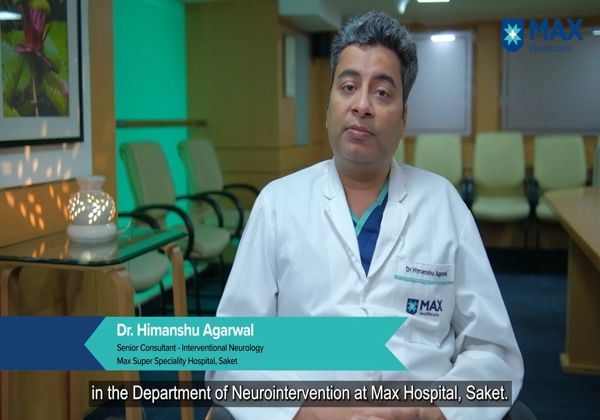
Dr. Himanshu Aggarwal, Senior Consultant in Neurointervention at Max Hospital, Saket, explains that the carotid arteries are two major blood vessels in the neck that supply blood to the brain. In individuals with conditions such as diabetes, hypertension, high cholesterol, smoking, or increasing age, these arteries may become narrowed or blocked, reducing blood supply to the brain and increasing the risk of stroke. Symptoms may include weakness in the arms or legs, speech difficulties, difficulty walking, or vision loss. He notes that carotid artery stenosis can be evaluated using MRI, CT scan, ultrasound, or conventional angiography, and when significant blockage is detected, carotid artery stenting can help open the artery and restore blood flow to the brain.
Myheco ensures that international patients receive complete support, from connecting with leading endovascular neurosurgeons to managing every aspect of their medical journey. With transparent guidance, expert coordination, and trusted hospital partnerships, myheco helps patients access advanced Carotid Artery Stenting treatment safely and efficiently.
Choosing myheco means receiving expert medical connections, smooth coordination, and trusted guidance for every step of your Carotid Artery Stenosis treatment journey.
Note: Myheco does not provide medical advice.

Mr. Ramprakash Sharma, a patient from New Moti Nagar, India, experienced sudden weakness on the right side of his body along with difficulty speaking while having tea one morning. The symptoms appeared suddenly when he tried to lift a cup, but his hand lost strength before reaching his mouth.
Medical evaluation and imaging tests, including CT angiography angiography at BLK-Max Super Speciality Hospital, Delhi, revealed a blood clot on the left side of the brain caused by carotid artery stenosis, which had reduced blood supply to the brain. Initially, doctors prescribed medication to help stabilise the condition and reduce the clot risk.
After a short treatment period, he underwent a carotid artery stenting procedure to open the narrowed blood vessel and restore proper blood flow to the brain. Following the procedure and recovery period, his strength gradually improved and his speech returned to normal.
His experience highlights how timely diagnosis and minimally invasive treatment such as carotid artery stenting can help reduce the risk of recurrent stroke and support recovery.
✅ Share your medical reports
✅ Receive personalised treatment plans
✅ Choose the option that suits you best
✅ Let us handle the arrangements

Carotid artery stenting is generally considered safe when performed by experienced specialists. Like any medical procedure, it carries risks such as stroke or bleeding, but careful patient selection and modern technology help minimise complications. Patients should discuss risks and benefits with their treating doctor.
Most patients stay in the hospital for one or two days after the procedure. Normal daily activities can often resume within a week, although doctors may recommend avoiding heavy physical activity for a short period.
Possible risks include stroke, bleeding at the catheter insertion site, artery damage, or stent blockage. These complications are relatively uncommon but should be discussed with the medical team before treatment.
Yes. One common alternative is carotid endarterectomy, an open surgical procedure that removes plaque from the artery. Doctors choose the most suitable option based on the patient’s health condition and artery anatomy.
Myheco connects patients with experienced neurosurgeons and specialised hospitals worldwide. The platform assists with medical evaluations, second opinions, travel planning, and coordination throughout the treatment journey.
Yes, myheco provides transparent cost estimates for carotid artery stenting and related procedures. Patients receive detailed guidance to help them understand treatment options and plan their medical travel.
India’s leading hospitals for carotid artery stenting include Apollo Hospitals, SIMS Hospital, MGM Healthcare, and Rela Hospital in Chennai; Manipal Hospital and Apollo Hospital in Bangalore; Manipal Hospital Dwarka, Max Super Speciality Hospital Saket, BLK-Max Super Speciality Hospital, Medanta – The Medicity, IBS (Institute of Brain and Spine), Apollo Indraprastha Hospital, and Fortis Hospital in Delhi; Nanavati Max Super Speciality Hospital, Apollo Hospital, and Fortis Hospital in Mumbai; and Manipal Hospitals EM Bypass in Kolkata. These centres are known for advanced neurovascular treatment, modern catheterisation laboratories, and multidisciplinary stroke care programs led by experienced neurosurgeons and interventional specialists.
In Thailand, Samitivej Sukhumvit Hospital in Bangkok is internationally recognised for advanced stroke care programs, neuro-interventional procedures, and comprehensive neurological treatment services. The hospital also offers modern diagnostic imaging, minimally invasive vascular procedures, and dedicated international patient support services for overseas patients.


DISCLAIMER: THIS WEBSITE DOES NOT PROVIDE MEDICAL ADVICE
The information, including but not limited to, text, graphics, images and other material contained on this website are for informational purposes only. No material or content on this site is intended to be a substitute for professional medical advice, diagnosis, or treatment. Always seek the advice of your physician or other qualified health care provider with any questions you may have regarding a medical condition or treatment and before undertaking a new health care regimen, and never disregard professional medical advice or delay in seeking it because of something you have read on this website - www.myheco.com

.png)