
Cavernous malformation excision is a neurosurgical procedure used to remove abnormal clusters of blood vessels, known as cavernous malformations, that develop in the brain or spinal cord. These malformations resemble small mulberry-like structures filled with slow-moving blood and can leak or bleed, leading to neurological symptoms.
The goal of treatment is to prevent further bleeding, reduce symptoms, and preserve brain or spinal cord function. Depending on the lesion’s location and symptoms, doctors may recommend:
A common myth is that all cavernous malformations require immediate surgery. In reality, many are discovered incidentally on scans and may only need monitoring unless they bleed or cause symptoms.
Doctors decide on treatment based on:
With timely diagnosis and expert surgical care, most patients recover well and lead active lives after treatment. Outcomes vary based on lesion location and patient health.

Cavernous malformation excision is needed when these clusters of abnormal blood vessels start to bleed, press on nearby brain tissue, or cause symptoms such as seizures and weakness. Although many cavernous malformations remain silent, some become life-threatening if left untreated.
Surgery helps:
The exact cause is not always clear, but several factors are known:
Symptoms depend on the malformation’s size and location. Common signs include:
Doctors usually recommend surgical excision when:
Early diagnosis and proper surgical evaluation greatly reduce the risk of permanent neurological injury. Symptoms and progression can differ widely, so treatment decisions must be tailored to each patient’s specific medical condition.
Myheco helps patients connect with expert neurosurgeons worldwide for safe and advanced cavernous malformation excision.
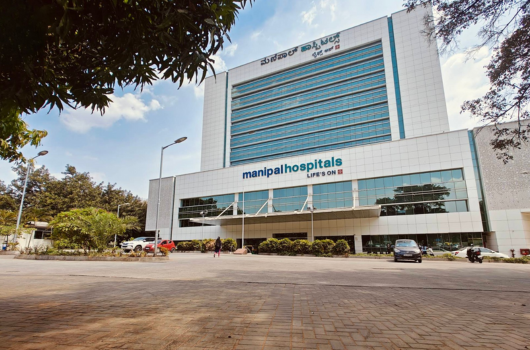
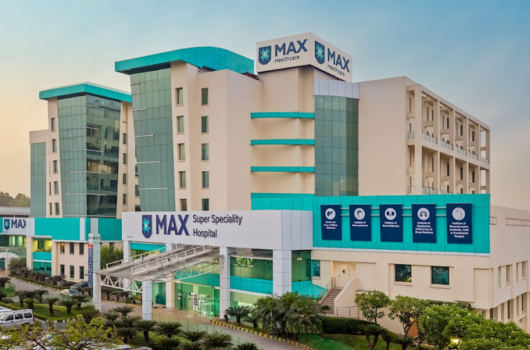
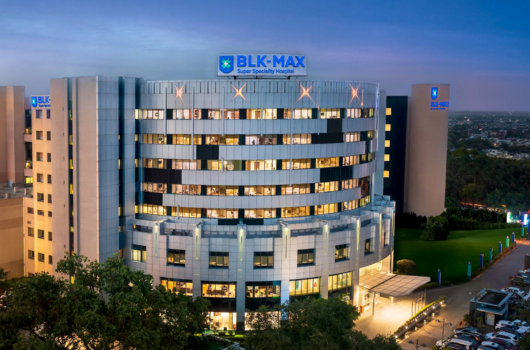
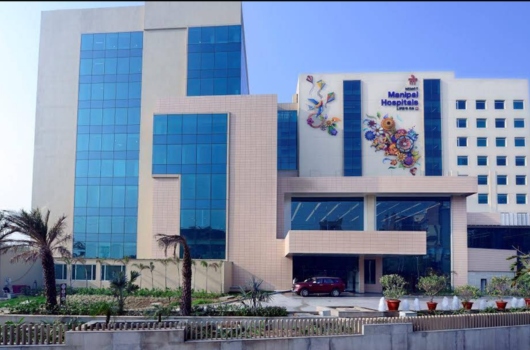
Several leading hospitals worldwide offer specialised care for patients requiring cavernous malformation excision. These centres are equipped with state-of-the-art neurosurgical and neurovascular facilities, ensuring precision, safety, and positive outcomes in complex brain surgeries. The focus is on complete lesion removal, preservation of surrounding brain tissue, and improved neurological recovery for patients.
Leading hospitals for cavernous malformation excision include:



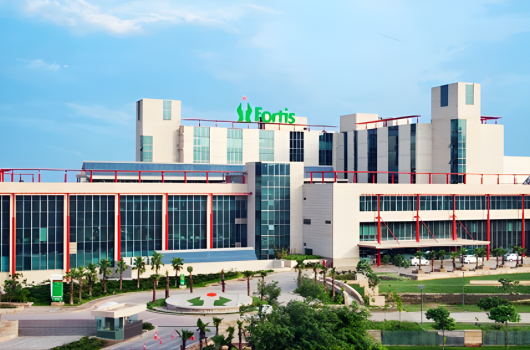

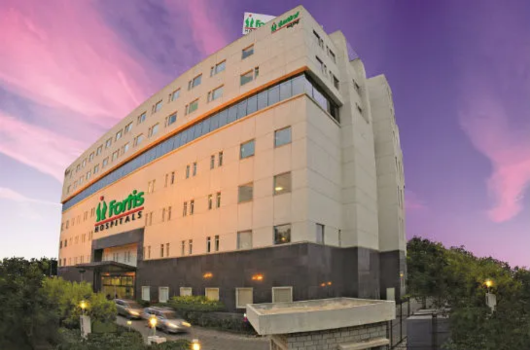
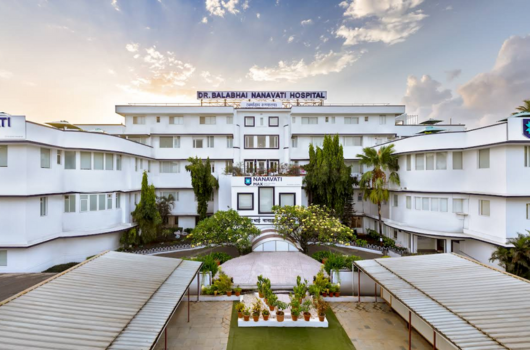
.png)
.png)

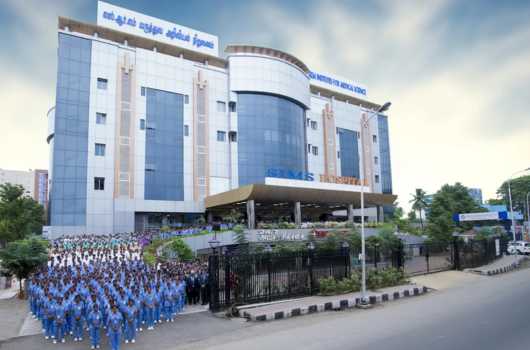
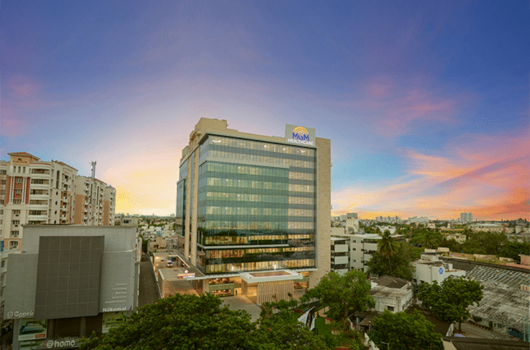
.png)
.png)
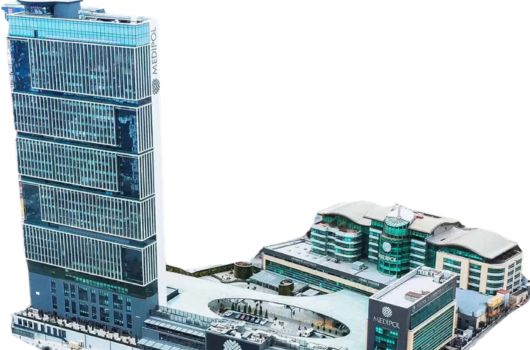
These hospitals combine expert surgical precision, multidisciplinary care, and advanced technology to ensure safe and successful outcomes for patients undergoing cavernous malformation excision.
The average cost of cavernous malformation excision in India ranges between $2,800 and $8,900, while in Thailand, it varies from $18,000 to $25,000. The total expense depends on the malformation’s size, location, the hospital’s facilities, and the complexity of the surgery. Before viewing the detailed cost tables, it’s helpful to understand the main factors influencing the treatment cost.
Note: India remains one of the most affordable destinations for advanced neurosurgery. Hospitals provide high-quality care through skilled neurosurgeons, advanced imaging technology, and patient-centred support.
Note: Thailand’s hospitals are considered premium centres for international patients, offering comprehensive all-inclusive packages that include hospital stay, medication, and post-surgical care.
The above figures are approximate and can vary based on the hospital, location, and individual patient requirements. Always consult the healthcare provider for the most accurate and up-to-date pricing.
The currency conversion rates in the table above are based on data from April 2026.
For a detailed cost estimate and guidance on treatment options, patients can contact myheco to connect with leading hospitals.
Outcomes after cavernous malformation excision depend on factors such as lesion location (eloquent vs non-eloquent areas), size, symptom severity, prior haemorrhage, and overall patient selection.
A 2021 study published in Neurosurgical Review evaluated long-term outcomes of microsurgical resection for cerebral cavernous malformations and reported favourable surgical results:
These findings demonstrate that microsurgical excision is highly effective, particularly for symptomatic cavernous malformations, when performed by experienced neurosurgical teams.
Careful patient selection and preoperative planning remain essential to achieving these favourable outcomes.
These outcomes are based on selected patient groups and may vary depending on lesion location, surgical complexity, and the expertise of the treating centre.
In clinical practice, success after cavernous malformation excision is defined by both complete removal of the malformation and preservation or improvement of neurological function.
Key indicators of successful treatment include:
Leading neurosurgical centres achieve optimal outcomes through precision planning and multidisciplinary care:
This combination of meticulous surgical planning, advanced intraoperative techniques, and specialised postoperative care supports high rates of complete lesion removal, favourable neurological outcomes, and long-term stability in patients undergoing cavernous malformation excision.
Myheco provides end-to-end assistance for international patients seeking cavernous malformation excision. The focus is on expert surgical guidance, reliable medical coordination, and seamless treatment planning with trusted neurosurgical centres.
Thousands of international patients trust myheco for their neurosurgical journey because it ensures expert care, timely treatment access, and reliable coordination at every step.
Note: Myheco does not provide medical advice.
✅ Share your medical reports
✅ Receive personalised treatment plans from leading hospitals
✅ Choose the option that suits you best
✅ Let us handle the arrangements

A cavernous malformation is a cluster of abnormal blood vessels in the brain or spinal cord that can leak or bleed, leading to symptoms such as seizures, weakness, or vision problems.
Surgery is required when the lesion causes bleeding, repeated seizures, or progressive neurological symptoms that affect daily life. The decision for surgery should always be made after a detailed evaluation by a qualified neurosurgeon based on MRI findings and overall clinical condition.
No. Many cavernous malformations are discovered by chance and may not need immediate treatment. Observation with regular MRI scans is preferred unless symptoms develop or bleeding occurs. Patients should discuss their condition with a neurosurgeon to determine whether monitoring or surgery is the most suitable option.
Patients typically stay 5-10 days in the hospital and begin light activities within a week. Full recovery often takes 4-6 weeks depending on the lesion’s complexity. Recovery time may vary for each individual, so it’s important to follow the surgeon’s post-operative instructions and attend regular follow-up appointments. Recovery timelines vary, and a doctor will guide post-surgical care based on individual progress.
Accessible lesions have a success rate of over 90%, with most patients experiencing long-term seizure control and neurological improvement. However, outcomes can differ based on the lesion’s size, location, and the patient’s overall health, so results should be discussed individually with the treating neurosurgeon. Outcomes differ by case and should be discussed with a doctor.
Risks are rare but may include infection, bleeding, or temporary speech, vision, or movement difficulties, which usually improve with rehabilitation. Risks vary for each patient and should be reviewed with a doctor before surgery.
Recurrence is very uncommon when the lesion is completely removed. Follow-up MRIs help confirm long-term stability. The exact risks depend on the lesion’s location and surgical complexity, and patients should review these with their neurosurgeon before the procedure. Regular follow-up with a doctor is important to monitor long-term outcomes.
Yes. Hospitals typically allow one or two attendants with a medical attendant visa, ensuring support during the recovery phase.
India’s leading hospitals for cavernous malformation excision and advanced neurosurgical treatment include Manipal Hospital Bangalore, Max Hospital Delhi, Apollo Proton Cancer Center (APCC) Chennai, Max BLK Delhi, Manipal Dwarka, Medanta Delhi, IBS (Institute of Brain and Spine) Delhi, Apollo Delhi, Fortis Delhi, Apollo Bangalore, Fortis Bangalore, Nanavati Max Mumbai, Apollo Mumbai, Fortis Mumbai, Apollo Hyderabad, Apollo Chennai, SIMS Chennai, MGM Chenai, and Rela Chennai. These centres are recognised for advanced neurosurgical expertise, intraoperative imaging, minimally invasive techniques, and comprehensive brain lesion management.
In Thailand, Samitivej Sukhumvit Hospital, Thailand is internationally recognised for advanced neurosurgery, minimally invasive techniques, and multidisciplinary care. The hospital also provides dedicated international patient support services for patients travelling for treatment.


DISCLAIMER: THIS WEBSITE DOES NOT PROVIDE MEDICAL ADVICE
The information, including but not limited to, text, graphics, images and other material contained on this website are for informational purposes only. No material or content on this site is intended to be a substitute for professional medical advice, diagnosis, or treatment. Always seek the advice of your physician or other qualified health care provider with any questions you may have regarding a medical condition or treatment and before undertaking a new health care regimen, and never disregard professional medical advice or delay in seeking it because of something you have read on this website - www.myheco.com

.png)