
Chronic lymphocytic leukaemia (CLL) is a slow-growing cancer of the blood and bone marrow. It develops when the body produces too many abnormal lymphocytes, a type of white blood cell. These cells build up in the blood, bone marrow, and lymph nodes, reducing the body’s ability to fight infections and function properly.
CLL is most common in older adults and often progresses gradually, sometimes without symptoms in the early stages. When symptoms do appear, they may include fatigue, swollen lymph nodes, night sweats, or frequent infections.
A common misconception is that a CLL diagnosis always requires immediate aggressive treatment. In fact, many patients are managed with a “watch and wait” approach until treatment is necessary.
Understanding CLL, its risk factors, warning signs, and treatment options is important for patients and families. With advancements such as targeted therapy, immunotherapy, and in some cases stem cell transplantation, many patients live with CLL for years with a good quality of life.

People need chronic lymphocytic leukaemia (CLL) treatment to manage the buildup of abnormal lymphocytes, prevent complications such as frequent infections, anaemia, or enlarged lymph nodes, and maintain overall quality of life. While some patients may not require immediate therapy, timely treatment is essential once symptoms develop or the disease progresses. Modern treatments can control CLL effectively, slow its growth, and help patients live longer, healthier lives.
The exact causes of chronic lymphocytic leukaemia (CLL) are not fully understood, but several factors are linked to a higher risk:
Symptoms of chronic lymphocytic leukaemia (CLL) often develop slowly and may go unnoticed for years. In some cases, CLL is found during routine blood tests before symptoms appear. Common symptoms include:
These symptoms lead to treatment once blood tests confirm the presence and progression of chronic lymphocytic leukaemia. Unlike ALL, CLL often develops slowly, and many patients do not need immediate therapy. Treatment usually begins when symptoms such as frequent infections, severe fatigue, weight loss, or enlarged lymph nodes and spleen start to interfere with daily life. Timely treatment helps control abnormal cell growth, reduce complications, and improve quality of life.
How to Detect Chronic Lymphocytic Leukaemia?
Early detection of chronic lymphocytic leukaemia is important to monitor its course and decide the right time for treatment. If CLL is suspected, doctors may recommend the following tests:
Detecting chronic lymphocytic leukaemia early and monitoring its progress helps doctors decide when treatment should start. If you or a loved one notices persistent symptoms, myheco can connect you with leading haematology specialists at trusted hospitals.
Some of the world’s most advanced cancer hospitals offer specialised care for patients with Chronic Lymphocytic Leukaemia (CLL) and other blood cancers. These centres provide comprehensive haematology services, including targeted therapy, immunotherapy, chemotherapy, and stem cell transplantation where clinically appropriate. Treatment is typically delivered by experienced haematologists working within multidisciplinary oncology teams.
Leading hospitals for Chronic Lymphocytic Leukaemia (CLL) care include:






.jpg)




.png)

.png)
.png)

.png)
.png)

These hospitals provide evidence-based treatment protocols, stem cell transplant expertise, and coordinated care for international patients seeking treatment for Chronic Lymphocytic Leukaemia (CLL).
The average cost of chronic lymphocytic leukaemia (CLL) treatment ranges from $3,000 to $10,000 in India and from $10,000 to $13,000 in Thailand. The final expense may vary depending on factors such as the treatment type, duration of therapy, hospital location, and whether advanced procedures like stem cell transplantation are required. Before checking the detailed table of treatment-wise costs, it is important to understand the factors that influence these costs the most, including diagnostics, hospital stay, medications, and supportive care.
Several elements can impact the overall cost of treatment:
Note: India has become a preferred destination for advanced cancer treatment, offering world-class care at a fraction of the international cost. Patients benefit from expert oncologists, modern medical technology, and affordable access to high-quality generic medicines, making treatment both effective and economical.
Note: Thailand has established itself as a premium destination for cancer treatment, offering world-class hospitals, advanced technology, and internationally trained oncologists. Patients choose Thailand not only for its high-quality medical care but also for its holistic approach, combining clinical excellence with exceptional comfort and service standards.
The above figures are approximate and can vary based on the hospital, location, and individual patient requirements. Always consult the healthcare provider for the most accurate and up-to-date pricing.
The currency conversion rates in the table above are based on data from April 2026.
For a detailed cost estimate and guidance on treatment options, patients can contact myheco to connect with leading hospitals.
According to Cancer Research UK,
By age group
By risk group
Survival is improving with modern targeted treatments, so outcomes today may be better than past statistics.
Leading hospitals provide patient-centred care with accurate diagnosis, personalised treatment plans, and coordinated support. Their approach includes:
This integrated approach helps control disease progression, reduces complications, and improves long-term quality of life for patients with CLL.

Dr. Srinivas Chakravarthy G, Apollo Hospital, Hyderabad, shares his expert insights on Chronic Lymphocytic Leukaemia (CLL) and busts common myths about leukaemia. He broadly classifies leukaemia into two types: chronic and acute.
He explains that certain kinds of CLL, particularly in low-risk patients, do not require immediate treatment and are kept under regular observation. When an elderly person is diagnosed with CLL, they can often live a normal lifestyle without therapy.
Dr. Chakravarthy adds that CLL may require treatment at some point, depending on disease progression or symptoms. Even when CLL is not curable, appropriate medical measures can significantly improve quality of life and help patients manage the condition effectively.
Myheco ensures that international patients receive complete support, from connecting with experienced haematology and oncology specialists to managing every aspect of their treatment journey. With transparent guidance, expert coordination, and trusted hospital partnerships, myheco helps patients access advanced Chronic Lymphocytic Leukaemia (CLL) treatment safely and efficiently.
Choosing myheco means expert care, faster access, and comprehensive support throughout your treatment journey.
Note: Myheco does not provide medical advice.
✅ Share your medical reports
✅ Receive personalised treatment plans from leading hospitals
✅ Choose the option that suits you best
✅ Let us handle the arrangements

CLL is generally not considered curable, but it is highly manageable. Many patients live for years with minimal symptoms. Modern treatments such as targeted therapy, immunotherapy, and stem cell transplant help control the disease and improve quality of life.
Treatment depends on the stage, the patient’s age, and overall health. Options include a “watch and wait” approach in early, symptom-free stages, targeted drugs (like BTK inhibitors), chemotherapy, immunotherapy (monoclonal antibodies), or stem cell transplant in selected cases.
Recovery differs based on treatment choice. Targeted therapies and immunotherapies are often given over long periods with manageable side effects, while chemotherapy may involve cycles lasting several months. Follow-up monitoring is essential to track response and manage complications.
CLL cannot usually be prevented, as the exact cause is unknown. Reducing exposure to harmful chemicals, radiation, and maintaining regular health checkups can support early detection, but no proven prevention method exists.
Myheco supports patients by offering online consultations, arranging second opinions, connecting with leading haematologists, providing cost estimates, issuing medical visa invitation letters, booking travel and transfers, and ensuring multilingual assistance throughout the treatment journey.
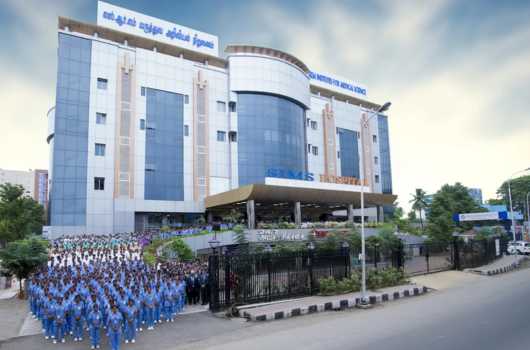
India’s leading hospitals for Chronic Lymphocytic Leukaemia (CLL) treatment include Apollo Proton Cancer Centre, Apollo Cancer Institute, SIMS Hospital, MGM Healthcare, and Rela Hospital in Chennai; Manipal Hospital, Apollo Hospital, and Fortis Hospital in Bangalore; Max Hospital, BLK-Max Super Speciality Hospital, Manipal Hospital Dwarka, Medanta – The Medicity, Indraprastha Apollo Hospital, Apollo Athena Cancer Hospital, and Fortis Hospital in Delhi; Nanavati Max Super Speciality Hospital, Apollo Hospital, and Fortis Hospital in Mumbai; and Apollo Hospitals in Hyderabad. These centres provide multidisciplinary haematology and oncology care, advanced diagnostics, targeted therapy, immunotherapy, chemotherapy, and stem cell transplant services for comprehensive CLL management.
In Thailand, Samitivej Sukhumvit Hospital in Bangkok is internationally recognised for advanced haematology services, targeted therapy, immunotherapy, chemotherapy, stem cell transplantation, and integrated cancer care. The hospital also provides structured international patient services, supporting patients travelling from overseas for CLL treatment.


DISCLAIMER: THIS WEBSITE DOES NOT PROVIDE MEDICAL ADVICE
The information, including but not limited to, text, graphics, images and other material contained on this website are for informational purposes only. No material or content on this site is intended to be a substitute for professional medical advice, diagnosis, or treatment. Always seek the advice of your physician or other qualified health care provider with any questions you may have regarding a medical condition or treatment and before undertaking a new health care regimen, and never disregard professional medical advice or delay in seeking it because of something you have read on this website - www.myheco.com

.png)