
Chronic Myeloid Leukaemia (CML) is a type of blood cancer that starts in the bone marrow, where blood cells are made. It happens when too many white blood cells (especially granulocytes) grow in an uncontrolled way. These cells crowd out normal blood cells and can spread into the blood and other parts of the body.
CML usually develops slowly in the beginning, which is why many patients do not realise they are unwell. Over time, if not treated, it can progress into more aggressive stages.
A common myth is that CML is only found once symptoms appear. In reality, many patients are diagnosed during routine blood tests even when they feel healthy and have no noticeable signs.
Doctors often classify CML into three phases based on how fast the disease is growing:
The main treatments for CML are targeted therapy with tyrosine kinase inhibitors (TKIs), which block the abnormal gene driving the disease. If TKIs do not work, doctors may use chemotherapy or consider a stem cell transplant, especially for younger patients. Supportive care, such as blood transfusions, also helps manage symptoms and improve quality of life.
Doctors choose a treatment plan based on:
With timely and proper treatment, many patients with CML can live long, healthy lives.

CML treatment is essential because the disease can reduce healthy blood cells, weaken the immune system, and progress into life-threatening stages if untreated. Proper care helps control abnormal cell growth, prevent complications, and improve survival.
The exact cause is not always clear, but certain factors are linked to the risk of developing CML:
CML symptoms can be mild in the early stages or confused with other illnesses. Common signs include:
Doctors recommend starting CML treatment when:
Early diagnosis and prompt treatment with TKIs or other therapies can help most patients live many years with well-controlled CML. Myheco connects patients to leading specialists for timely care.
Some of the world’s most advanced cancer hospitals offer specialised care for patients with Chronic Myeloid Leukaemia (CML) and other blood cancers. These centres provide comprehensive haematology services, including targeted therapy, chemotherapy, molecular monitoring, and stem cell transplantation where clinically appropriate. Treatment is typically delivered by experienced haematologists working within multidisciplinary oncology teams.
Leading hospitals for Chronic Myeloid Leukaemia (CML) care include:

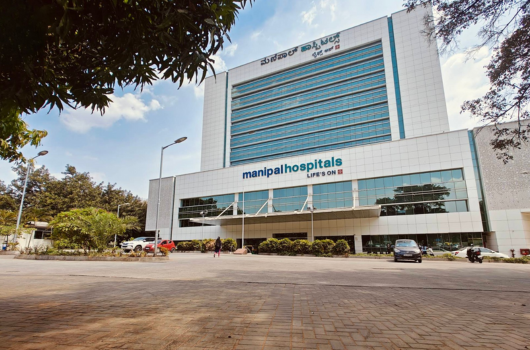
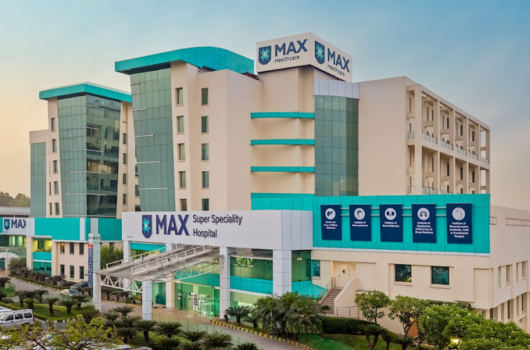
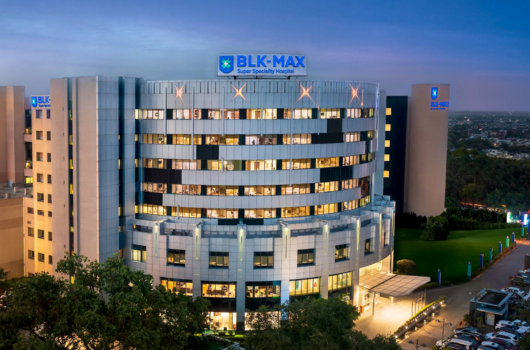
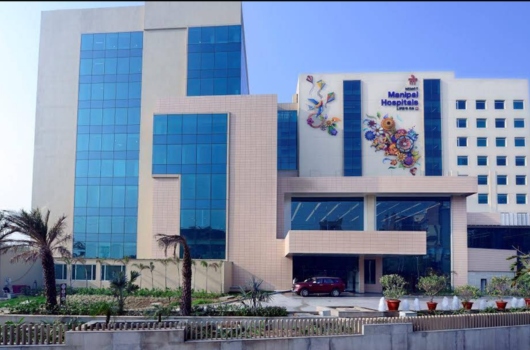

.jpg)


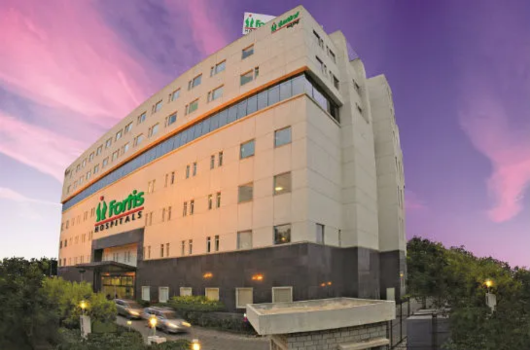
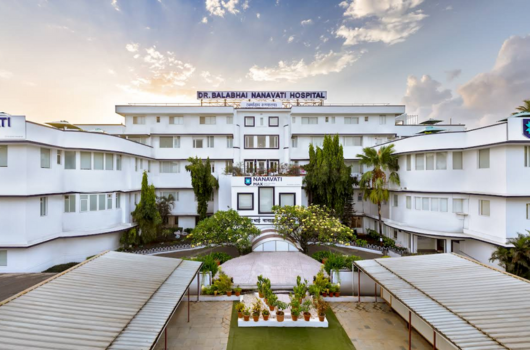
.png)
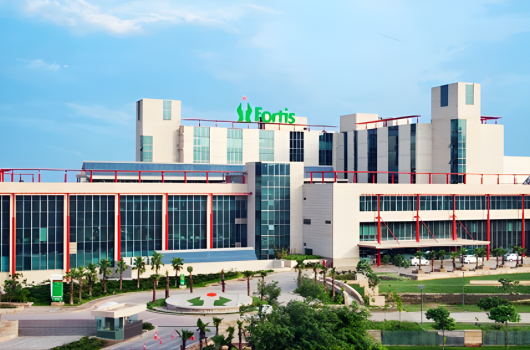
.png)
.png)
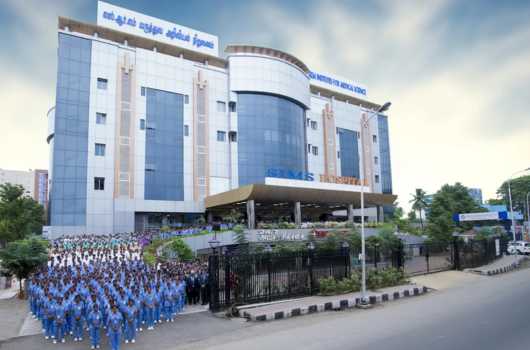
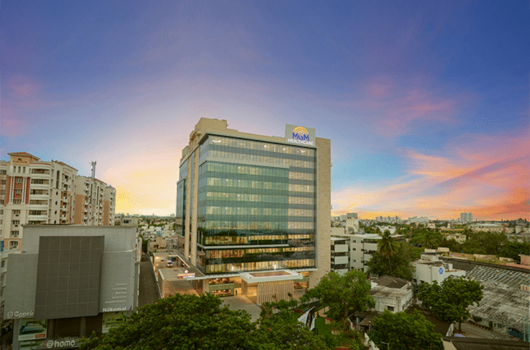
.png)
.png)

These hospitals provide evidence-based treatment protocols, stem cell transplant expertise, and coordinated care for international patients seeking treatment for Chronic Myeloid Leukaemia (CML).
The typical cost of Chronic Myeloid Leukaemia (CML) treatment usually ranges between $6,000 and $14,000 in India and from $15,000 to $30,000 in Thailand. However, the total cost can vary depending on the treatment approach, disease stage, and duration of therapy. Before reviewing the detailed cost breakdown, it is helpful to understand the key factors influencing these expenses.
Note: India is known for offering cost-effective CML treatment with access to experienced haematologists, advanced therapies, and widely available generic medicines. However, long-term medication and monitoring can influence the overall cost.
Note: Thailand is recognised for advanced cancer care with modern infrastructure and internationally trained specialists. Costs are generally higher, particularly for imported medications and transplant procedures.
The above figures are approximate and may vary based on the hospital, treatment plan, and individual patient requirements. Patients are advised to consult healthcare providers for accurate and personalised cost estimates.
The currency conversion rates in the table above are based on data from April 2026.
For a detailed cost estimate and guidance on treatment options, patients can reach out to myheco to connect with leading hospitals specialising in CML treatment and blood cancer care.
According to Cancer Research UK, survival for Chronic Myeloid Leukaemia (CML) has improved greatly in recent years with the use of targeted therapy.
These numbers highlight the importance of early detection and consistent treatment with tyrosine kinase inhibitors (TKIs).
Success in treating CML does not always mean a permanent cure. It can also include:
Renowned cancer hospitals follow a comprehensive, patient-centred approach to CML care that includes:
This integrated approach, supported by modern labs and expert teams, helps patients achieve long-term remission and maintain a good quality of life.

Dr Padmaja Lokireddy, Consultant Hemato-Oncologist & Bone Marrow Transplant Specialist at Apollo Hospitals, Jubilee Hills (Hyderabad), explains that CML is often suspected when white blood cell counts remain persistently high. Patients may initially appear well, and it can be mistaken for an infection. A BCR-ABL PCR test confirms the diagnosis. She adds that with continuous treatment and monitoring of this genetic marker, many patients are able to maintain remission and live a near-normal lifespan.
Myheco ensures that international patients receive complete support, from connecting with experienced haematology and oncology specialists to managing every aspect of their treatment journey. With transparent guidance, expert coordination, and trusted hospital partnerships, myheco helps patients access advanced Chronic Myeloid Leukaemia (CML) treatment safely and efficiently.
Choosing myheco means expert care, faster access, and comprehensive support throughout your treatment journey.
Note: Myheco does not provide medical advice.
✅ Share your medical reports
✅ Receive personalised treatment plans from leading hospitals
✅ Choose the option that suits you best
✅ Let us handle the arrangements

Typical symptoms may include fatigue, night sweats, weight loss, abdominal swelling from an enlarged spleen, frequent infections, and easy bruising. However, some patients may have few or no symptoms in the early stages, and the condition is often detected through routine blood tests.
CML is treated by haematologists and medical oncologists who specialise in blood cancers, often working together as part of a multidisciplinary care team.
Most patients take tyrosine kinase inhibitors (TKIs) long-term, with regular monitoring. In selected cases, such as those eligible for stem cell transplant, treatment duration and approach may differ based on clinical evaluation.
TKIs help control CML effectively for many patients. In some cases, particularly with stem cell transplantation, long-term remission or cure may be possible, depending on individual response and disease characteristics.
The cost varies depending on the treatment type, duration, and country. Costs are approximate and may vary based on the hospital, location, and individual patient requirements.
Yes, most hospitals allow one or two accompanying family members. Visa policies may vary by country, but a medical attendant visa is typically arranged to support caregivers.
myheco assists with doctor consultations, cost estimates, visa documentation, flight arrangements, and airport pickup, helping patients navigate their treatment journey from initial evaluation to post-treatment follow-up care.
India’s leading hospitals for Chronic Myeloid Leukaemia (CML) treatment include Apollo Proton Cancer Centre, Apollo Cancer Institute, SIMS Hospital, MGM Healthcare, and Rela Hospital in Chennai; Manipal Hospital, Apollo Hospital, and Fortis Hospital in Bangalore; Max Hospital, BLK-Max Super Speciality Hospital, Manipal Hospital Dwarka, Medanta – The Medicity, Indraprastha Apollo Hospital, Apollo Athena Cancer Hospital, and Fortis Hospital in Delhi; Nanavati Max Super Speciality Hospital, Apollo Hospital, and Fortis Hospital in Mumbai; and Apollo Hospitals in Hyderabad. These centres provide multidisciplinary haematology and oncology care, advanced diagnostics, targeted therapy, molecular monitoring, and stem cell transplant services for comprehensive CML management.
In Thailand, Samitivej Sukhumvit Hospital in Bangkok is internationally recognised for advanced haematology services, targeted therapy, molecular monitoring, stem cell transplantation, and integrated cancer care. The hospital also provides structured international patient services, supporting patients travelling from overseas for CML treatment.


DISCLAIMER: THIS WEBSITE DOES NOT PROVIDE MEDICAL ADVICE
The information, including but not limited to, text, graphics, images and other material contained on this website are for informational purposes only. No material or content on this site is intended to be a substitute for professional medical advice, diagnosis, or treatment. Always seek the advice of your physician or other qualified health care provider with any questions you may have regarding a medical condition or treatment and before undertaking a new health care regimen, and never disregard professional medical advice or delay in seeking it because of something you have read on this website - www.myheco.com

.png)