
Cerebrospinal Fluid (CSF) Leak Repair is a specialised surgical or minimally invasive procedure used to seal abnormal openings where the cerebrospinal fluid, the clear liquid surrounding the brain and spinal cord, escapes through the skull base or spinal canal. This fluid cushions and protects the central nervous system, and a leak can cause severe headaches, dizziness, nasal drainage, or risk of infection, such as meningitis.
The repair can be performed through endoscopic (minimally invasive) or open surgical techniques, depending on the location and severity of the leak. The most common method is endoscopic endonasal repair, where surgeons use an endoscope inserted through the nasal passage to locate and seal the defect using tissue grafts or synthetic materials.
A widespread misconception is that every CSF leak needs open brain surgery. In reality, most skull base leaks are repaired through the nose using advanced endoscopic techniques without any external incisions, resulting in minimal scarring, faster recovery, and lower complication rates.
The procedure is usually performed under general anaesthesia by a team of neurosurgeons and ENT specialists using high-definition endoscopic cameras and intraoperative navigation systems to ensure precise closure of the defect.
Doctors recommend CSF leak repair based on several factors:
The primary goals of CSF leak repair are to stop the fluid leakage, prevent meningitis or other infections, restore normal intracranial pressure, and protect brain and spinal structures. With proper surgical technique and postoperative care, most patients achieve complete recovery and return to normal life without long-term complications.

CSF leak repair is necessary because a leak allows the protective fluid surrounding the brain and spinal cord to escape through a defect in the skull or spine. This loss of fluid weakens the brain’s cushioning, increases the risk of infections like meningitis, and can cause persistent headaches, hearing changes, or clear nasal discharge.
When untreated, continuous leakage may lead to complications such as brain sagging, nerve irritation, and chronic fatigue. The goal of repair is to close the opening, restore the fluid barrier, and protect vital neurological functions.
Common causes of CSF leaks include:
Symptoms vary by leak location but often include:
Doctors recommend initiating CSF leak repair when:
Timely diagnosis and repair are essential to prevent infections, restore normal pressure, and improve long-term neurological health. Myheco connects patients with leading neurosurgeons and ENT specialists for accurate diagnosis and advanced treatment options for CSF leaks.
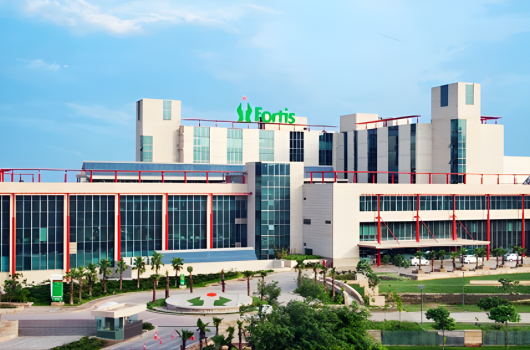
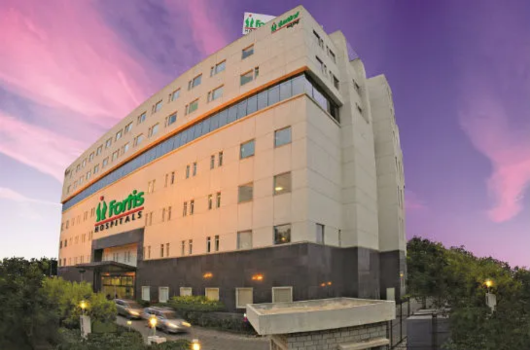
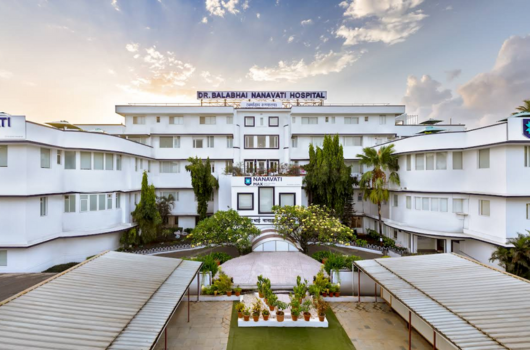
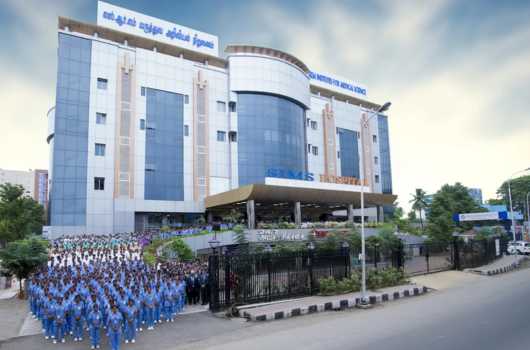
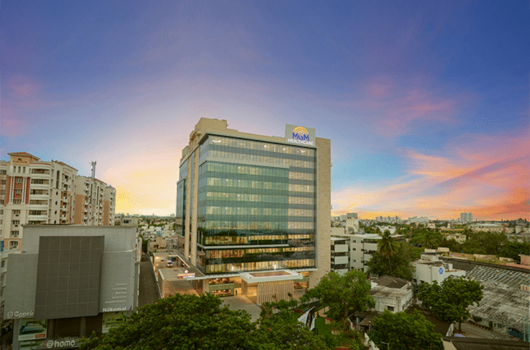
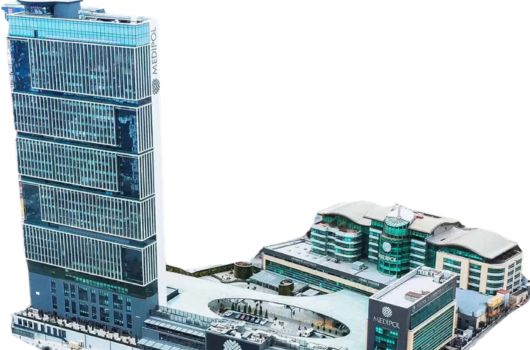
Some of the world’s most advanced neurosurgery and ENT hospitals offer specialised care for patients with cerebrospinal fluid (CSF) leaks, requiring precise diagnosis and minimally invasive repair. These centres provide comprehensive skull base and spinal care, including endoscopic CSF leak repair, advanced neuro-imaging, intraoperative navigation, and multidisciplinary neurosurgery–ENT collaboration, supported by experienced neurosurgeons, ENT specialists, and multidisciplinary teams. They also offer international patient services and structured follow-up care to ensure optimal recovery.
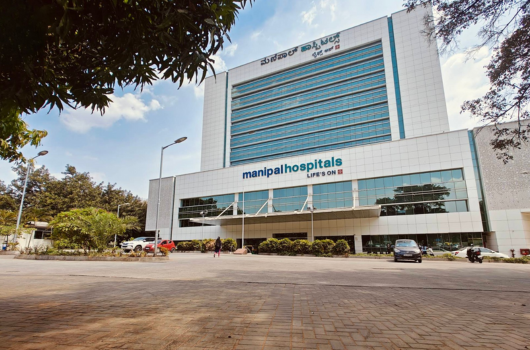
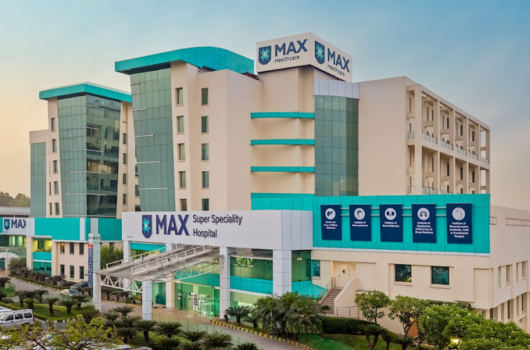
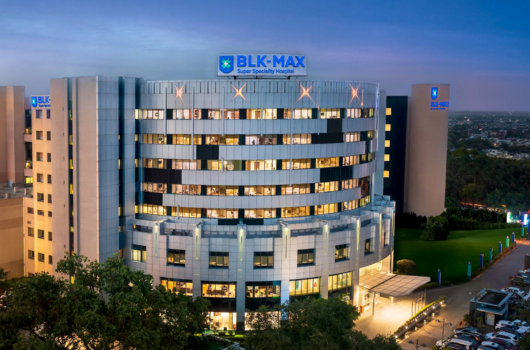
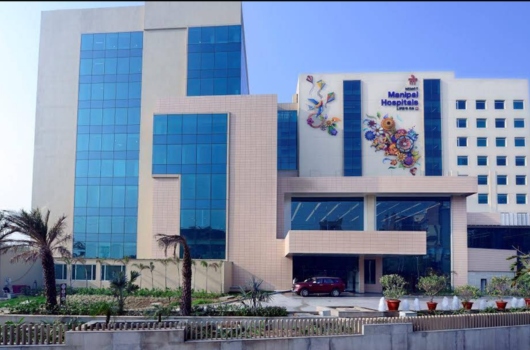
Leading hospitals for CSF leak repair include:




.png)
.png)

.png)
.png)
These hospitals follow evidence-based treatment protocols, offer access to advanced neurosurgical technologies, and provide coordinated care for international patients seeking CSF leak repair.
The average cost of CSF leak repair in India typically ranges between $4,500 and $12,000, depending on the site of the leak (skull base or spinal), surgical technique, and hospital. In Thailand, costs generally range from $7,000 to $18,000, reflecting the inclusion of premium facilities, imported materials, and all-inclusive international patient care packages.
Before reviewing the detailed cost tables, it is helpful to understand the factors that influence these expenses.
Note: India offers highly cost-effective options for CSF leak repair while maintaining international-quality outcomes. Hospitals combine advanced endoscopic systems, experienced specialists, and multidisciplinary post-care support to ensure patient safety and faster recovery.
The above figures are approximate and can vary based on the hospital, location, and individual patient requirements. Always consult the healthcare provider for the most accurate and up-to-date pricing.
The currency conversion rates in the table above are based on data from April 2026.
For a detailed cost estimate and guidance on treatment options, patients can contact myheco to connect with leading hospitals.
A PMC study on 30 patients who underwent endoscopic repair of CSF leaks at the anterior skull base reported a 93.4% success rate after the first surgery, with only 6.6% requiring a second procedure. No open craniotomy was needed. The study concluded that endoscopic repair offers high success with low complications when the leak site and cause are accurately identified.
Successful CSF leak repair focuses on:
Leading hospitals in India and Thailand use a multidisciplinary, precision-driven approach that combines:
This combination of modern surgical tools, experienced specialists, and comprehensive rehabilitation ensures a high rate of success with low recurrence risk.
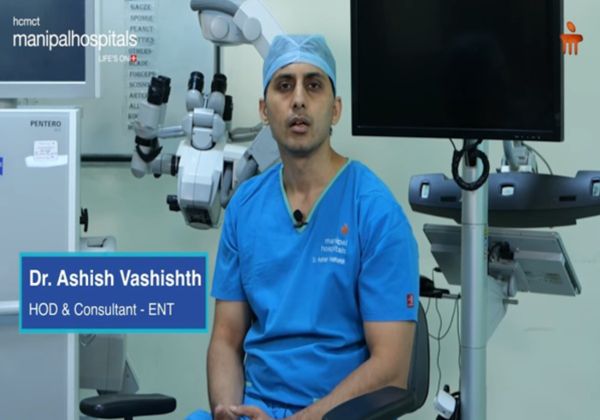
Dr Ashish Vashishth, HOD & Consultant - ENT at Manipal Hospital, Delhi, explains that CSF rhinorrhea occurs when brain fluid leaks into the nose due to a defect at the skull base. He warns that untreated leaks can cause serious infections such as meningitis.
Dr. Vashishth states that the condition requires surgical repair through the nose, where the defect is sealed using fat, fascia, or local tissue. He emphasises that early diagnosis and prompt repair are key to preventing complications and ensuring full recovery.
Myheco assists international patients in accessing safe, effective, and affordable CSF leak repair by connecting them with experienced neurosurgeons and accredited hospitals across India and Thailand. From diagnosis to recovery, myheco ensures a seamless medical journey through professional coordination and transparent support.
Choosing myheco means accessing trusted hospitals, expert medical teams, and comprehensive international support, ensuring peace of mind throughout the treatment journey.
Note: Myheco does not provide medical advice.
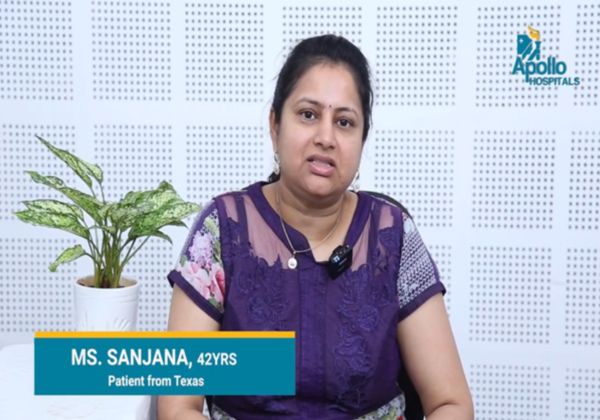
Sanjana, a 42-year-old patient from Texas, discovered she had a CSF leak while visiting India after months of mistaking it for allergies. Under the care of Dr Alok Ranjan, Neurosurgeon at Apollo Hospitals, Hyderabad, she underwent successful surgery to repair the leak.
She shared that Dr Ranjan’s clear explanation and the hospital’s attentive care made her feel confident about receiving treatment in India. Sanjana expressed gratitude to Apollo Hospitals Jubilee Hills for their excellent facilities and compassionate support during her recovery.
✅ Share your medical reports
✅ Receive personalised treatment plans from leading hospitals
✅ Choose the option that suits you best
✅ Let us handle the arrangements

Symptoms include clear, watery nasal or ear discharge, headaches that worsen when standing, nausea, neck stiffness, vision changes, and sometimes hearing loss. Some patients may also experience recurrent meningitis if the leak remains untreated.
CSF leaks are managed by a multidisciplinary team of neurosurgeons and ENT (ear, nose, and throat) specialists, often with support from radiologists and neurologists for diagnosis and post-surgical care.
Diagnosis involves MRI or CT cisternography, nasal fluid tests to confirm cerebrospinal fluid, and detailed endoscopic examination to locate the leak precisely.
Treatment depends on the cause and location of the leak. Conservative therapy (bed rest, fluids, caffeine) is used for mild leaks, while endoscopic repair, open surgery, or spinal patch repair is done for persistent or complex cases. Treatment plans can differ based on each patient’s health, so it’s important to consult a qualified specialist for personalised medical advice and the most suitable care approach.
Most patients recover within 2-4 weeks after an endoscopic repair. Those undergoing open or spinal repair may require a slightly longer recovery period with follow-up imaging and rest. Recovery duration can vary based on individual health, the type of surgery performed, and post-operative care. Always follow your surgeon’s specific instructions for rest, medications, and follow-up appointments.
Small or spontaneous leaks can sometimes heal with conservative management, but persistent leaks require surgical repair to prevent infections like meningitis and avoid recurrence. The decision to manage conservatively or surgically should be made by a qualified neurosurgeon after proper diagnosis and imaging.
The success rate for endoscopic CSF leak repair is approximately 90-95% after the first procedure, increasing to nearly 100% after revision surgery when required. Success rates mentioned may vary depending on the hospital, the surgeon’s experience, and the patient's condition. Individual outcomes can differ; consult your doctor for personalised information.
Yes, most hospitals allow one or two family members to accompany patients on a medical attendant visa, and myheco assists with all required documentation.
Myheco helps patients with doctor appointments, cost estimates, visa letters, airport pickups, and ongoing follow-up care through its dedicated international patient coordination team.
India’s leading hospitals for CSF leak repair include Manipal Hospital, Apollo Hospital, and Fortis Hospital in Bangalore; Max Hospital, Saket, BLK-Max Super Speciality Hospital, Manipal Hospital Dwarka, Medanta – The Medicity, Institute of Brain and Spine (IBS) Hospital, Indraprastha Apollo Hospital, and Fortis Hospital in Delhi; Apollo Proton Cancer Centre (APCC), Apollo Hospital, SIMS Hospital, MGM Healthcare, and Rela Hospital in Chennai; Nanavati Max Super Speciality Hospital, Apollo Hospital, and Fortis Hospital in Mumbai; and Apollo Hospital in Hyderabad. These centres provide advanced endoscopic skull base surgery, neuronavigation-guided procedures, high-resolution imaging, and multidisciplinary neurosurgery–ENT care for precise and minimally invasive CSF leak repair.
In Thailand, Samitivej Sukhumvit Hospital in Bangkok is internationally recognised for advanced endoscopic skull base surgery, minimally invasive neurosurgical techniques, precision imaging, and integrated neurosurgery–ENT care. The hospital also offers structured international patient services, supporting patients travelling from overseas for specialised treatment.


DISCLAIMER: THIS WEBSITE DOES NOT PROVIDE MEDICAL ADVICE
The information, including but not limited to, text, graphics, images and other material contained on this website are for informational purposes only. No material or content on this site is intended to be a substitute for professional medical advice, diagnosis, or treatment. Always seek the advice of your physician or other qualified health care provider with any questions you may have regarding a medical condition or treatment and before undertaking a new health care regimen, and never disregard professional medical advice or delay in seeking it because of something you have read on this website - www.myheco.com

.png)