
Sézary syndrome treatment focuses on reducing the number of malignant T-cells in the blood, skin, and lymph nodes while relieving symptoms such as redness, scaling, and severe itching. Treatment options typically include skin-directed therapies, phototherapy, systemic medications (like interferons, retinoids, or histone deacetylase inhibitors), targeted therapy, immunotherapy, and in select advanced cases, stem cell transplantation.
Sézary syndrome is an advanced and systemic form of cutaneous T-cell lymphoma (CTCL), a rare type of non-Hodgkin lymphoma that originates in the skin instead of the lymph nodes. It occurs when abnormal T-cells (called Sézary cells) circulate in the blood and infiltrate the skin, leading to widespread redness, thickened skin, and enlarged lymph nodes.
A common misconception is that Sézary syndrome is only a severe skin condition. In reality, it is a blood-related lymphoma that affects both the skin and the immune system, requiring multidisciplinary care involving dermatologists, haematologists, and oncologists.
The disease usually develops through progressive stages:
Doctors create a treatment plan based on factors such as disease stage, extent of skin and blood involvement, immune status, and the patient’s overall health and response to prior therapies.
The primary goal of treatment is to control symptoms, slow disease progression, improve immune function, and maintain quality of life. Continuous monitoring and long-term follow-up are essential, as Sézary syndrome tends to relapse and requires ongoing care by experienced specialists.
The right treatment depends on each patient’s condition and the doctor’s assessment.

Cutaneous T-cell lymphoma (Sézary syndrome) requires treatment because the abnormal T-cells multiply uncontrollably, spreading through the blood, skin, and lymph nodes, which can cause extensive skin inflammation, itching, and infection risk. If left untreated, the disease can progress and affect internal organs, leading to serious complications.
The primary goals of treatment are to control symptoms, reduce tumour burden, and slow disease progression while maintaining quality of life. Since Sézary syndrome is a chronic and relapsing condition, ongoing treatment and follow-up are essential.
Disease progression and treatment response differ among patients.
The exact cause of Sézary syndrome is not fully understood, but research suggests several contributing factors:
The causes of Sézary syndrome are not fully understood, and known risk factors do not guarantee disease development.
Symptoms typically affect both skin and overall health. Common signs include:
These symptoms may occur in other dermatological or haematological conditions. Only a doctor can confirm the diagnosis after proper medical tests.
Doctors recommend treatment when:
Early diagnosis and prompt treatment can significantly reduce complications and improve long-term survival. Myheco helps patients connect with top international hospitals and haematology specialists for advanced, coordinated care of Sézary syndrome.
Early treatment may improve outcomes, but survival and response depend on multiple clinical factors.
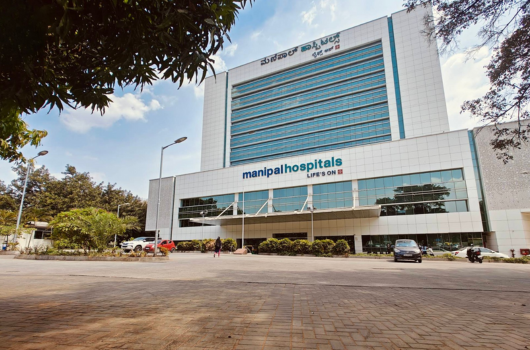
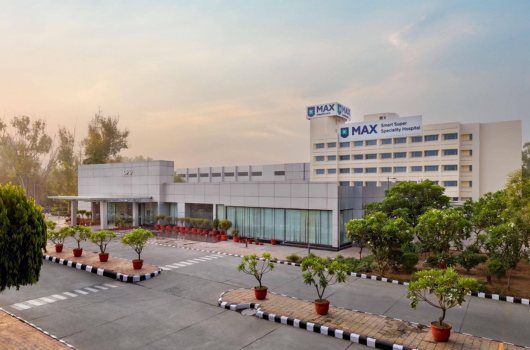
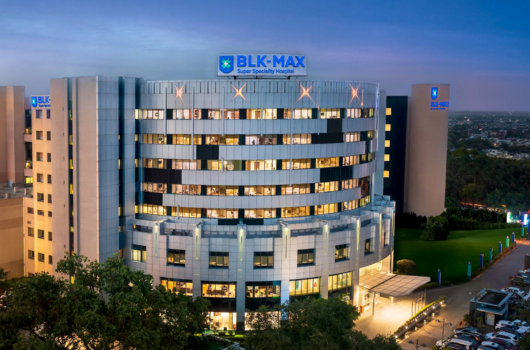
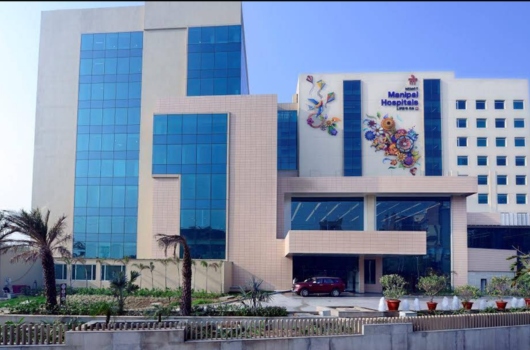
These hospitals combine modern oncology technology, experienced specialists, and comprehensive international services to ensure safe and effective treatment for Sézary syndrome.
Through myheco, patients can access these hospitals for diagnosis, customised treatment plans, and post-treatment care, supported by transparent pricing and seamless coordination.
Hospital listings are based on available oncology services, and treatment options may vary depending on the patient’s condition.


.jpg)


.png)
.png)
%20%E2%80%93%20Banjara%20Hills%2C%20Hyderabad.png)
.png)
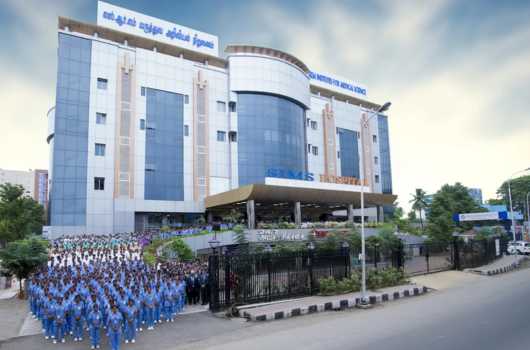
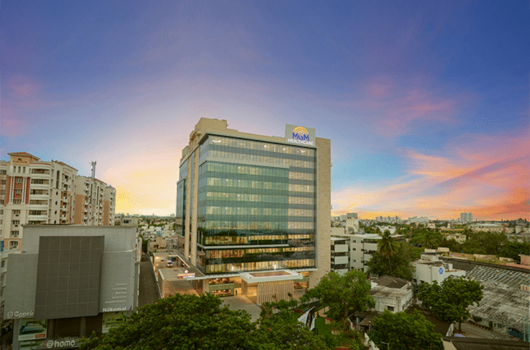
.png)
.png)

Several leading hospitals in India and Thailand provide specialised care for cutaneous T-cell lymphoma (Sézary syndrome), offering advanced diagnostics, targeted therapies, and international patient support. These centres bring together expert haematologists, oncologists, and dermatologists to deliver coordinated and comprehensive lymphoma care.
The average cost of cutaneous T-cell lymphoma (Sézary syndrome) treatment in India typically ranges between $8,000 to $13,700 in India and $9,900 to $22,200 in Thailand. Actual expenses depend on the type of therapy, stage of disease, hospital selection, and length of treatment, since Sézary syndrome often requires combination therapies and ongoing monitoring. Before reviewing the treatment-wise cost tables, let us learn the factors that affect the cost as it helps to understand the key factors that influence pricing.
Note: India is recognised for affordable, advanced lymphoma care delivered by expert oncologists and haematologists. Hospitals combine transparent pricing, skilled medical teams, and access to cost-effective generic medicines to ensure safe and successful treatment outcomes.
Note: Thailand’s hospitals are considered premium centres for international cancer care. The higher cost reflects the use of imported immunotherapy drugs, world-class infrastructure, and comprehensive patient packages including in-house accommodation and global coordination support.
The costs listed are approximate and may vary based on hospital, location, and patient needs. Consult the healthcare provider for accurate and updated information.
The currency conversion rates in the table above are based on data from March 2026.
For a detailed cost estimate and guidance on treatment options, patients can reach out to myheco to connect with leading hospitals.
Sézary syndrome is a rare type of cutaneous T-cell lymphoma (CTCL) where outcomes vary based on age, health condition, and treatment type. Modern studies show a median survival of around four to five years, with five-year overall survival typically ranging between 20% and 60%. These differences mainly reflect patient diversity and access to advanced therapies such as immunotherapy and stem cell transplantation.
Every patient responds differently to Sézary syndrome treatment, so outcomes may vary from published survival data.
Leading hospitals in India and Thailand follow international treatment standards to provide coordinated, evidence-based care for Sézary syndrome. Their approach includes:
This integrated and patient-focused approach helps control disease symptoms, delay progression, and enhance survival and quality of life for individuals living with Sézary syndrome.
For patients diagnosed with Cutaneous T-Cell Lymphoma (Sézary syndrome), accessing specialised care abroad can open doors to advanced therapies and experienced lymphoma specialists. Managing this rare and complex condition requires accurate diagnosis, personalised treatment planning, and coordinated international support. Myheco simplifies the journey by connecting patients with expert haematology and oncology centres, organising travel and documentation, and ensuring clear cost guidance and continuous coordination from initial evaluation through post-treatment follow-up.
Choosing myheco ensures expert guidance, seamless coordination, and transparent medical support throughout your treatment journey.
Note: Myheco does not provide medical advice.
✅ Share your medical reports
✅ Receive personalised treatment plans from leading hospitals
✅ Choose the option that suits you best
✅ Let us handle the arrangements

Symptoms include widespread redness and scaling (erythroderma), severe itching, hair loss, thickened skin, and swollen lymph nodes. Some patients may also experience fatigue, weight loss, or nail changes due to blood involvement. These symptoms of Sézary syndrome may also appear in other skin or blood conditions. A proper medical diagnosis by a specialist is required.
Sézary syndrome is treated by haematologists, oncologists, and dermatologists working together in a multidisciplinary team. In advanced cases, transplant specialists may also be involved. The type of doctor and treatment team for Sézary syndrome depends on the stage of disease and the patient’s overall health.
Diagnosis involves blood tests, flow cytometry, T-cell receptor gene testing, skin biopsy, and lymph node evaluation to confirm the presence of abnormal Sézary cells. Tests for Sézary syndrome are selected based on individual symptoms and medical evaluation.
Treatment includes skin-directed therapies (phototherapy, topical steroids), systemic therapies (retinoids, interferons), targeted therapy (mogamulizumab, brentuximab vedotin), immunotherapy, and stem cell transplantation in select patients. Treatment options for Sézary syndrome vary for each patient and are decided by the treating specialist.
The median survival ranges between 3 and 5 years, depending on the disease stage, patient’s health, and response to treatment. Early intervention and combination therapies can improve outcomes. Survival rates for Sézary syndrome are based on research data and may differ from person to person.
While Sézary syndrome is usually chronic and relapsing, some patients achieve long-term remission with stem cell transplantation or immunotherapy-based treatment. The focus is on controlling symptoms and maintaining good quality of life. Long-term remission in Sézary syndrome is possible in some cases, but results vary depending on the patient and treatment response.
Yes, most hospitals allow patients to bring one or two attendants under a medical attendant visa, ensuring family support during treatment. Medical visa rules and hospital policies may change based on country regulations.
Myheco helps with doctor appointments, cost estimates, medical visa paperwork, airport transfers, and post-treatment coordination, ensuring a seamless healthcare experience for international patients. Myheco provides medical travel support services and does not replace consultation with qualified doctors.
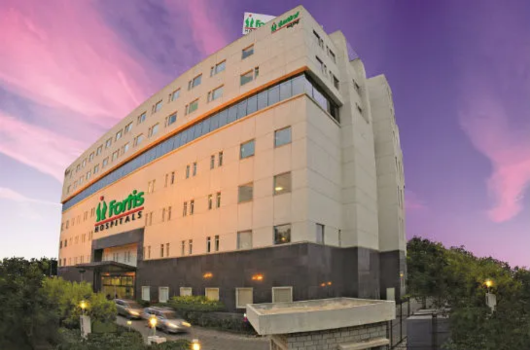
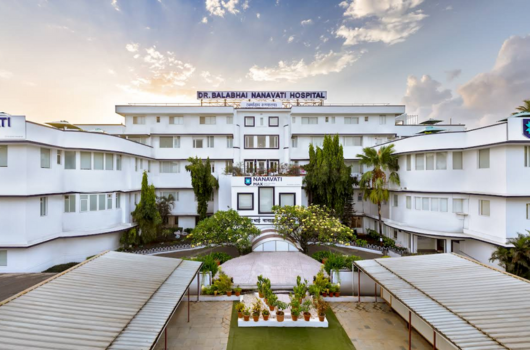
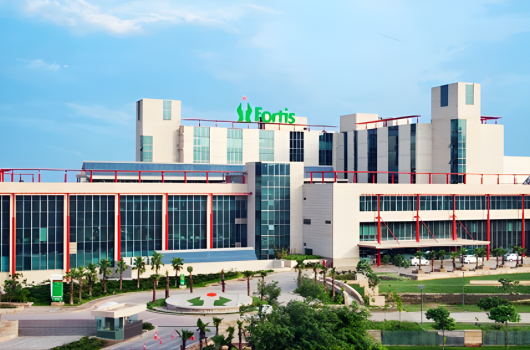
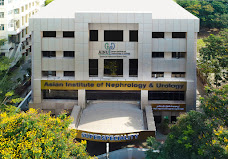
Leading hospitals in India for Sézary syndrome treatment include Apollo Proton Cancer Centre (Chennai), Apollo Cancer Institute (Chennai), SIMS Hospital (Chennai), MGM Healthcare (Chennai), Rela Hospital (Chennai), Apollo Indraprastha (Delhi), Max Hospital (Delhi), Max BLK Hospital (Delhi), Manipal Hospital (Dwarka), Medanta (Delhi), Fortis Hospital (Delhi), Manipal Hospital (Bangalore), Apollo Hospital (Bangalore), Nanavati Max (Mumbai), Apollo Hospital (Mumbai), Fortis Hospital (Mumbai), Apollo Hospital (Hyderabad), and Asian Institute of Nephrology and Urology (Hyderabad). These centres offer advanced haematology-oncology services, including immunotherapy, targeted therapy, and stem cell transplantation for lymphoma patients. Hospital choice for Sézary syndrome treatment depends on disease stage, specialist availability, and individual medical needs.
In Thailand, Samitivej Sukhumvit Hospital is internationally recognised for comprehensive lymphoma care, including advanced diagnostics, systemic therapies, and international patient services. Treatment services, specialist expertise, and therapy availability may vary based on hospital protocols and patient condition.


DISCLAIMER: THIS WEBSITE DOES NOT PROVIDE MEDICAL ADVICE
The information, including but not limited to, text, graphics, images and other material contained on this website are for informational purposes only. No material or content on this site is intended to be a substitute for professional medical advice, diagnosis, or treatment. Always seek the advice of your physician or other qualified health care provider with any questions you may have regarding a medical condition or treatment and before undertaking a new health care regimen, and never disregard professional medical advice or delay in seeking it because of something you have read on this website - www.myheco.com

.png)