
Deep Brain Stimulation (DBS) is a neurosurgical treatment used to manage certain movement disorders by delivering controlled electrical stimulation to specific areas of the brain. The procedure involves implanting thin electrodes into targeted brain regions and connecting them to a small device called a neurostimulator, usually placed under the skin near the chest. The system sends electrical signals that help regulate abnormal brain activity responsible for movement symptoms.
DBS is commonly used to treat neurological conditions such as Parkinson’s disease, essential tremor, and dystonia. These conditions affect the brain’s motor control systems and can lead to symptoms such as tremors, muscle stiffness, involuntary movements, and difficulty with coordination or balance.
The therapy works by targeting precise brain structures involved in movement control. The three most common targets are:
By adjusting the electrical signals delivered to these areas, DBS can help restore more balanced brain activity and reduce movement-related symptoms.
A common misconception is that DBS cures Parkinson’s disease or other neurological disorders. In reality, it does not cure the underlying condition or stop disease progression. Instead, it helps control symptoms and may allow patients to reduce certain medications.
Before recommending DBS, doctors carefully evaluate several factors. These include the patient’s diagnosis, symptom severity, response to medications, overall health, and whether symptoms significantly affect daily life. Neurologists and neurosurgeons often work together in multidisciplinary teams to assess candidacy.
Early diagnosis and proper disease management are important in movement disorders. Identifying symptoms early allows physicians to provide medical therapies and monitor disease progression, helping determine when advanced treatments such as DBS may be appropriate.
For many patients with movement disorders that are not adequately controlled by medication, DBS offers an important treatment option that can improve symptom control and daily functioning.

Deep Brain Stimulation (DBS) is usually considered when movement disorder symptoms become difficult to manage with medications alone. Conditions such as Parkinson’s disease, essential tremor, and dystonia can gradually worsen over time, affecting a person’s ability to perform everyday tasks.
When these conditions are untreated or poorly controlled, abnormal brain signals continue to disrupt normal motor function. Patients may experience persistent tremors, muscle stiffness, involuntary movements, or slowed movement. These symptoms can make simple activities like writing, eating, walking, or dressing increasingly challenging.
For individuals with Parkinson’s disease, long-term medication use may also lead to fluctuations in symptom control. Some patients experience “off periods” where medications stop working effectively, or develop involuntary movements known as dyskinesia. DBS may help stabilise these fluctuations and reduce motor complications.
Essential tremor, one of the most common movement disorders, can significantly affect the hands, head, or voice. Severe tremors may interfere with daily activities such as drinking from a cup or using utensils. When medications do not provide adequate control, DBS targeting the VIM (ventral intermediate nucleus) of the thalamus may help reduce tremor severity.
Dystonia involves abnormal muscle contractions that cause twisting movements or unusual postures. In some cases, DBS targeting the GPi (globus pallidus internus) can help improve muscle control and reduce involuntary movements.
Beyond physical symptoms, these conditions can also affect quality of life and independence. Persistent movement difficulties may lead to reduced mobility and social withdrawal.
Deep Brain Stimulation does not cure the underlying neurological disease, but it can improve symptom management and help patients maintain daily functioning for longer. For many individuals, it becomes an important option when conventional treatments no longer provide sufficient relief.
Understanding the causes and risk factors of these movement disorders can help support early detection and appropriate medical care.
Symptoms vary depending on the specific disorder and its stage, but recognising early signs allows earlier evaluation and treatment.
Anyone experiencing persistent movement symptoms should seek medical advice from a neurologist for proper evaluation and management.
Treatment decisions are based on clinical evaluation, symptom severity, and overall patient health.
Early and careful evaluation by a multidisciplinary medical team is essential to determine whether Deep Brain Stimulation (DBS) is the right option. With appropriate patient selection and timely intervention, DBS can help improve symptom control and support better daily functioning in individuals with movement disorders.
Some of the world’s leading neuroscience centres offer specialised treatment for patients with movement disorders such as Parkinson’s disease, essential tremor, and dystonia. These hospitals provide comprehensive neurological evaluation, advanced neurosurgical procedures such as Deep Brain Stimulation (DBS), and long-term follow-up care through multidisciplinary teams.
Leading DBS centres typically include experienced neurosurgeons, neurologists, neurophysiologists, and rehabilitation specialists. Many also have dedicated international patient departments that support overseas patients with treatment coordination, travel arrangements, and post-surgical device programming.
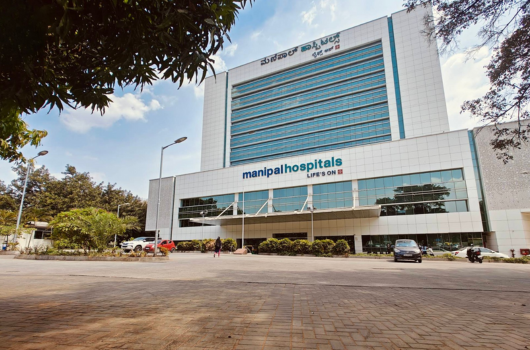
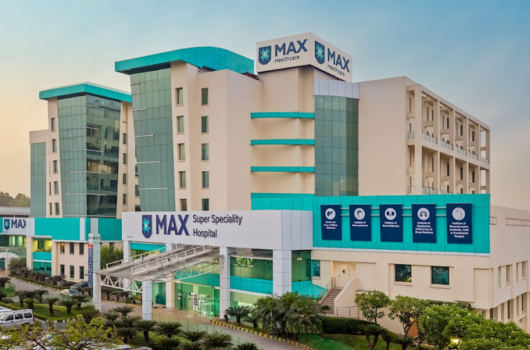
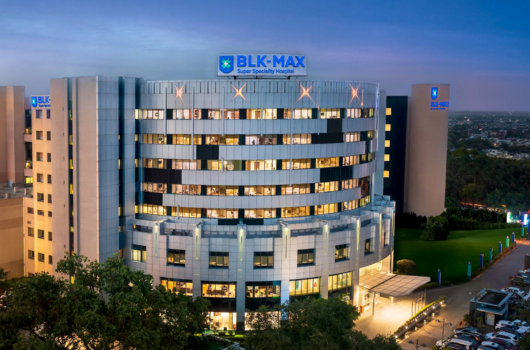
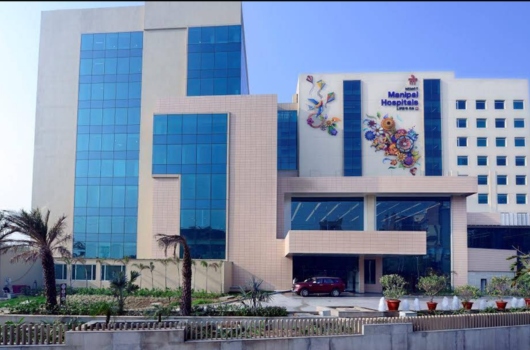
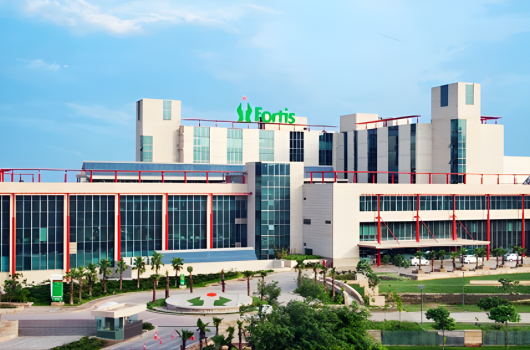
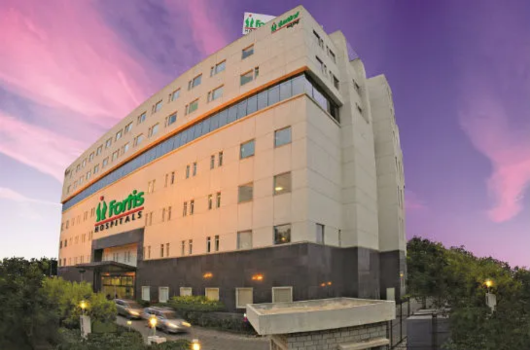
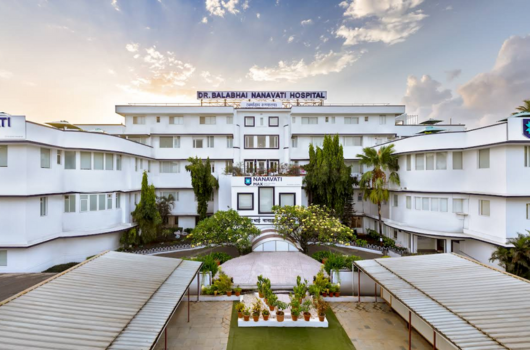
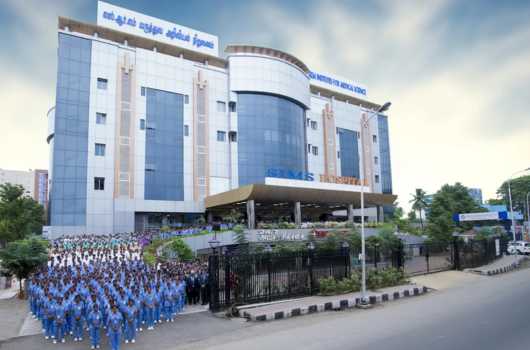
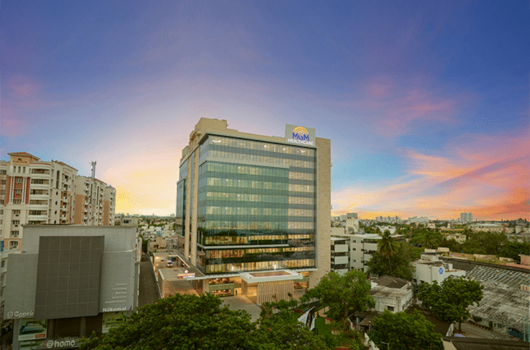
Leading hospitals offering advanced neurosurgery and movement disorder treatment include:




.png)
.png)

.png)
.png)
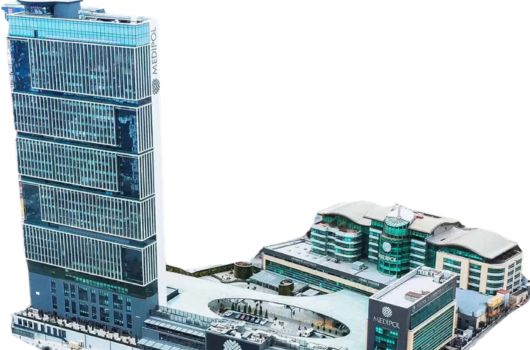
These hospitals offer advanced neurosurgical technology, specialised neurological teams, and structured follow-up care programs to support patients undergoing Deep Brain Stimulation treatment.
The average cost of Deep Brain Stimulation (DBS) typically falls between $17,000 and $40,000 in India and from $19,000 to $42,000 in Thailand. However, the exact amount can differ depending on factors such as the type of treatment, the hospital’s location, and the stage or complexity of the condition. Before exploring the detailed cost breakdown by treatment, it’s useful to understand the main elements that influence these expenses.
Note: India has become a preferred destination for advanced treatment, offering world-class care at a fraction of the international cost. Patients benefit from expert specialists, modern medical technology, and cost-effective access to high-quality care.
Note: Thailand has established itself as a premium destination for advanced treatment, offering world-class hospitals, cutting-edge technology, and internationally trained specialists. Patients choose Thailand not only for high-quality care but also for its holistic and patient-focused service standards.
The above figures are approximate and can vary based on the hospital, location, and individual patient requirements. Always consult the healthcare provider for the most accurate and up-to-date pricing.
The currency conversion rates in the table above are based on data from April 2026.
For a detailed cost estimate and guidance on treatment options, patients can contact myheco to connect with leading hospitals specialising in Parkinson’s disease, essential tremor, and dystonia care.
The outcomes of Deep Brain Stimulation (DBS) depend on several factors, including the underlying neurological condition, the brain target selected (STN, GPi, or VIM), the patient’s response to medication before surgery, and accurate placement of the electrodes. DBS is most commonly used to treat Parkinson’s disease and essential tremor, particularly when symptoms are no longer adequately controlled with medication.
According to research published on PubMed Central (PMC), DBS targeting the subthalamic nucleus (STN) or globus pallidus internus (GPi) has demonstrated substantial improvements in motor symptoms for patients with Parkinson’s disease.
Key findings from the study include:
For patients with medication-resistant essential tremor, DBS targeting the ventral intermediate nucleus (VIM) of the thalamus has also shown strong outcomes. A clinical review published on PubMed Central (PMC) reported that VIM DBS reduced tremor severity by approximately 40%–85% in many patients, with improvements often maintained during long-term follow-up.
These findings indicate that DBS can significantly improve motor control and reduce disabling symptoms for many patients when performed in specialised neurosurgical centres.
One of the most common questions patients ask is whether DBS can cure their condition. While DBS does not cure neurological disorders such as Parkinson’s disease or essential tremor, it can effectively control symptoms and improve quality of life.
In Deep Brain Stimulation treatment, “success” may include:
Leading hospitals follow advanced treatment protocols and multidisciplinary care to achieve better outcomes in Deep Brain Stimulation procedures.
With careful patient selection, precise surgical techniques, and ongoing neurological follow-up, Deep Brain Stimulation can provide long-term symptom relief and improved quality of life for many patients with movement disorders.
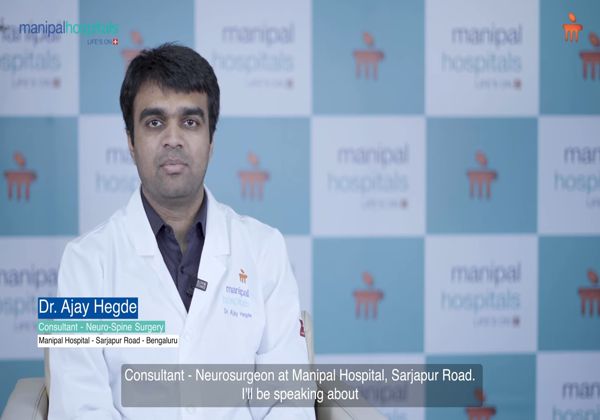
Dr. Ajay Hegde, Consultant Neurosurgeon at Manipal Hospital, Sarjapur, explains that Deep Brain Stimulation (DBS) is a treatment for Parkinson’s disease that involves placing two very fine electrodes in specific areas of the brain. These electrodes are connected to a pacemaker-like device that delivers electrical stimulation to help improve symptoms such as tremor, stiffness, and slowness of movement. He notes that DBS may be considered around five years after diagnosis, particularly when medications like levodopa start to lose their effectiveness or cause drug-induced dyskinesia. The procedure can help smoothen the on-off fluctuations caused by medication, helping patients manage their symptoms more effectively.
Myheco ensures that international patients receive complete support, from connecting with experienced neurology and neurosurgery specialists to managing every aspect of their treatment journey. With transparent guidance, expert coordination, and trusted hospital partnerships, myheco helps patients access advanced Deep Brain Stimulation (DBS) treatment safely and efficiently.
Choosing myheco means receiving reliable medical access, seamless coordination, and end-to-end support throughout the Deep Brain Stimulation journey.
Note: Myheco does not provide medical advice.
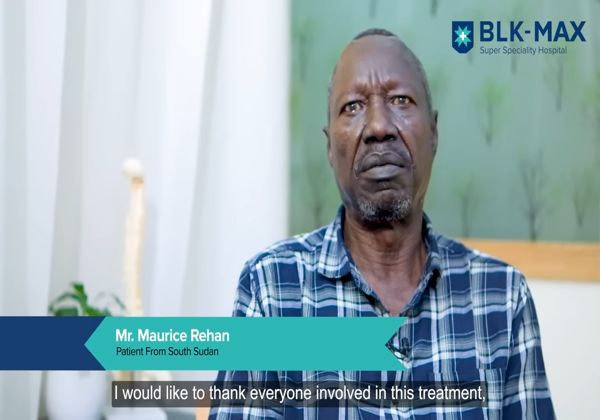
Maurice Rehan, a 69-year-old patient from South Sudan, was living with advanced Parkinson’s disease, which caused severe tremors and stiffness. These symptoms made everyday activities such as eating and drinking difficult and significantly affected his quality of life.
After medical evaluation, he underwent Deep Brain Stimulation (DBS) surgery, a procedure in which electrodes are placed in specific areas of the brain and connected to a pulse generator that sends electrical signals to help regulate abnormal brain activity.
Three weeks after the procedure, his tremors had reduced and the dose of levodopa medication was lowered by more than 50%. With improved symptom control, he was able to perform his daily activities more comfortably.
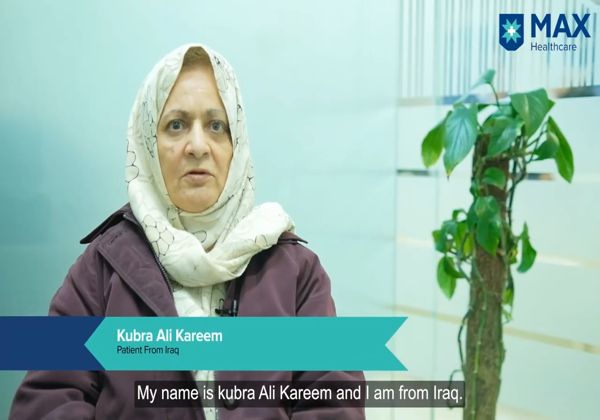
Kubra Ali Kareem, a patient from Iraq, had been living with Parkinson’s disease and experienced severe symptoms, including involuntary movements and increasing stiffness. Although she had previously undergone Deep Brain Stimulation (DBS) surgery in Yemen, her symptoms continued because the stimulation programming was not adequate.
She was later brought to India for further evaluation, where doctors carefully reviewed her condition. The medical team adjusted the DBS programming and medications to better control her symptoms.
Following these adjustments, her condition improved significantly and her symptoms reduced. Her experience highlights how proper DBS programming and ongoing neurological management can play an important role in improving symptom control and daily functioning for patients with Parkinson’s disease.
✅ Share your medical reports
✅ Receive personalised treatment plans
✅ Choose the option that suits you best
✅ Let us handle the arrangements

Deep Brain Stimulation (DBS) is generally considered safe when performed by experienced neurosurgical teams. As with any brain surgery, risks such as infection, bleeding, or device-related complications may occur. Patients should discuss potential risks with their doctor before deciding on treatment.
Hospital stay usually lasts several days following the procedure. Most patients gradually return to normal activities within a few weeks, although device programming and follow-up visits are required to optimise stimulation settings.
The battery life of the neurostimulator typically ranges from several years depending on usage and device type. Some newer systems use rechargeable batteries that may last longer but require periodic charging.
DBS does not completely replace medication for most patients. However, it may allow doctors to reduce medication doses or better control symptom fluctuations, depending on individual response. Treatment plans are determined by the treating medical team.
Myheco helps international patients connect with experienced neurosurgeons, obtain second opinions, and coordinate appointments with hospitals specialising in movement disorder surgery. While myheco facilitates access to medical experts and hospitals, treatment decisions are made by qualified doctors based on individual patient evaluation.
Yes, myheco assists with visa documentation, airport transfers, travel planning, and hospital coordination so that patients and their families can focus on treatment and recovery.
India has several leading hospitals specialising in advanced neurosurgery and movement disorder treatment, including Deep Brain Stimulation (DBS) procedures. Prominent centres include Apollo Hospitals, SIMS Hospital, MGM Healthcare, and Rela Hospital in Chennai; Manipal Hospital and Apollo Hospital in Bangalore; Manipal Hospital Dwarka, Max Hospital, BLK-Max Super Speciality Hospital, Medanta – The Medicity, Institute of Brain and Spine (IBS), Apollo Indraprastha Hospital, and Fortis Hospital in Delhi; and Nanavati Max Super Speciality Hospital, Apollo Hospital, and Fortis Hospital in Mumbai. These hospitals are known for their experienced neurosurgeons, advanced neuro-navigation technology, and multidisciplinary neurological care for patients with Parkinson’s disease, essential tremor, and dystonia.
In Thailand, Samitivej Sukhumvit Hospital in Bangkok is recognised for its advanced neurology and neurosurgery services, including movement disorder treatment and Deep Brain Stimulation (DBS) procedures. The hospital offers specialised neurological evaluation, modern surgical technology, and comprehensive follow-up care. It also provides dedicated international patient services, making it a preferred destination for patients travelling abroad for neurological treatment.


DISCLAIMER: THIS WEBSITE DOES NOT PROVIDE MEDICAL ADVICE
The information, including but not limited to, text, graphics, images and other material contained on this website are for informational purposes only. No material or content on this site is intended to be a substitute for professional medical advice, diagnosis, or treatment. Always seek the advice of your physician or other qualified health care provider with any questions you may have regarding a medical condition or treatment and before undertaking a new health care regimen, and never disregard professional medical advice or delay in seeking it because of something you have read on this website - www.myheco.com

.png)