
Diffuse large B-cell lymphoma (DLBCL) is the most common type of non-Hodgkin lymphoma. It is a blood cancer that begins in the lymphatic system when abnormal B lymphocytes (a type of white blood cell) grow rapidly and crowd out healthy cells.
DLBCL often develops in the lymph nodes, but it can also appear in other organs such as the stomach, intestines, liver, or bone marrow. Unlike some slow-growing lymphomas, DLBCL is considered an aggressive lymphoma, but it is also highly treatable with modern therapies.
A common misconception is that aggressive cancers like DLBCL cannot be treated successfully. In reality, with prompt diagnosis and the right treatment, many patients achieve complete remission, and some are cured.
Modern treatment options include:
With these therapies, survival rates for diffuse large B-cell lymphoma are significantly improving, and many patients go on to live long and healthy lives.

People need diffuse large B-cell lymphoma (DLBCL) treatment because it is an aggressive cancer that can spread quickly to the lymph nodes, bone marrow, and vital organs. Without treatment, the fast-growing abnormal B-cells can overwhelm the body, damage organs, and become life-threatening in a short time.
Timely treatment is essential to stop the rapid progression, relieve symptoms, and give patients the best chance of long-term remission.
The exact causes of diffuse large B-cell lymphoma are not fully known, but several factors can increase the risk:
Symptoms depend on how fast the lymphoma is growing and which organs or lymph nodes are involved. Because DLBCL is aggressive, symptoms often appear suddenly and worsen quickly. Common symptoms include:
These symptoms lead to treatment when medical tests confirm the presence of diffuse large B-cell lymphoma. Because this cancer grows and spreads quickly, early diagnosis is critical. Prompt treatment helps stop the disease from advancing, relieve symptoms, and greatly improves the chance of remission and long-term survival.
How to Detect Diffuse Large B-Cell Lymphoma?
Early detection of diffuse large B-cell lymphoma allows doctors to start treatment quickly and achieve better results. If DLBCL is suspected, doctors may recommend the following tests:
Finding diffuse large B-cell lymphoma early and starting the right treatment is crucial to stop the cancer from spreading, manage symptoms, and improve survival outcomes. If you or a loved one notices these warning signs, myheco can connect you with leading haematology and oncology specialists at trusted hospitals.
Some of the world’s most advanced cancer hospitals offer specialised care for patients with Diffuse Large B-Cell Lymphoma (DLBCL) and other aggressive blood cancers. These centres provide comprehensive haematology and oncology services, including chemotherapy (such as R-CHOP), immunotherapy, targeted therapy, and stem cell transplantation, supported by experienced haematologists and multidisciplinary teams. They also offer international patient services and structured follow-up care to ensure continuity of treatment.
Leading hospitals for Diffuse Large B-Cell Lymphoma treatment include:

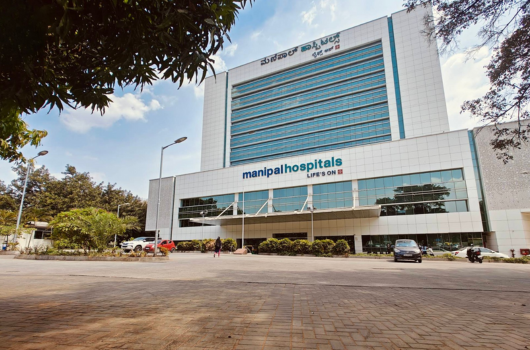
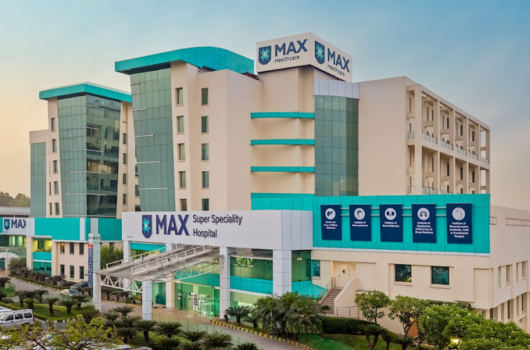
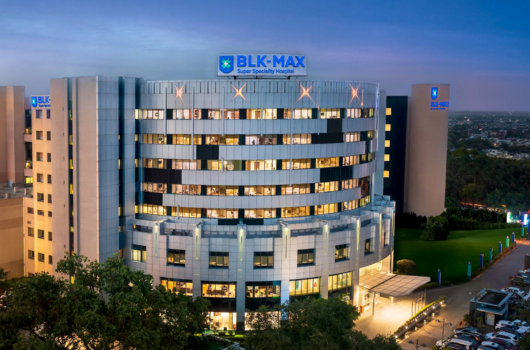
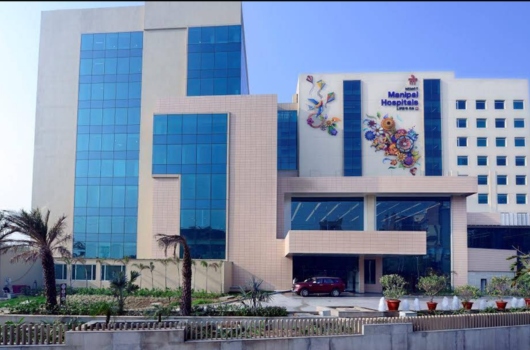

.jpg)


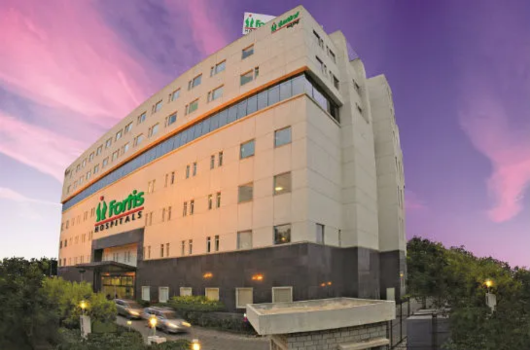
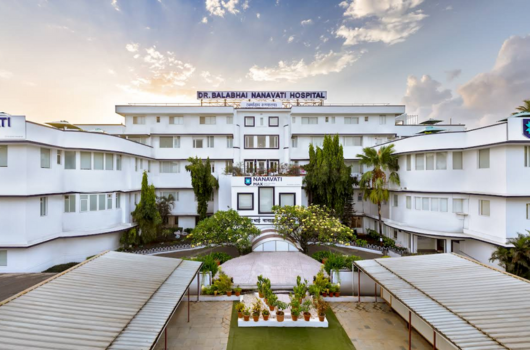
.png)
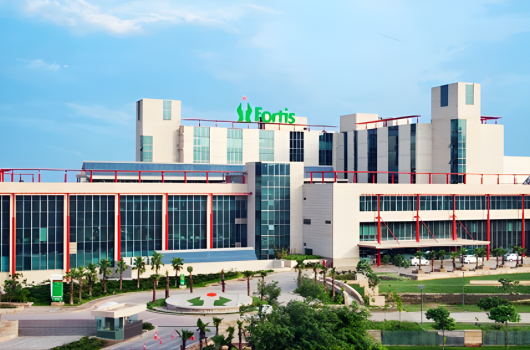
.png)
%20%E2%80%93%20Banjara%20Hills%2C%20Hyderabad.png)
.png)
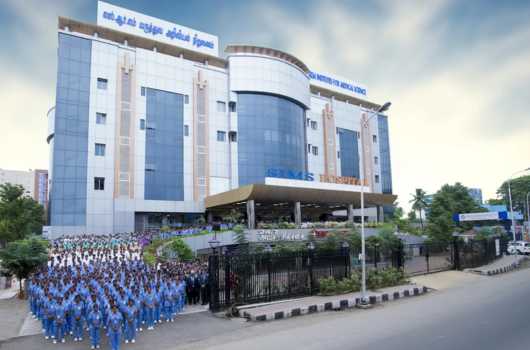
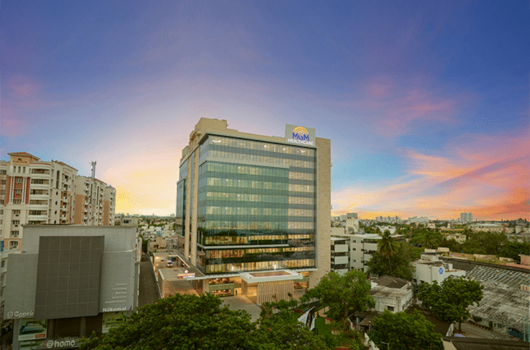
.png)
.png)
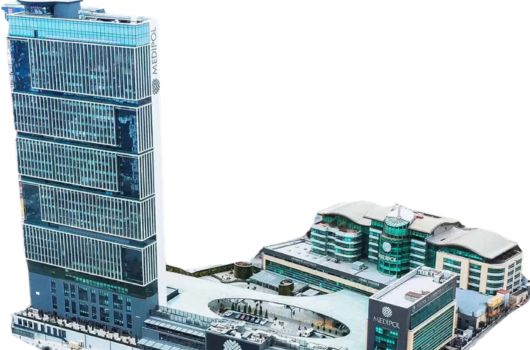
These hospitals follow evidence-based treatment protocols, offer access to advanced technologies, and provide coordinated care for international patients seeking treatment for Diffuse Large B-Cell Lymphoma.
The average cost of diffuse large B-cell lymphoma (DLBCL) treatment ranges from $12,400 to $22,000 in India and from $37,000 to $1,07,000 in Thailand. The total expense can vary widely depending on the stage of the disease, hospital choice, treatment duration, and whether advanced therapies like stem cell transplantation or CAR T-cell therapy are needed. Before reviewing the detailed table of treatment-wise costs, it is important to understand the main factors that influence expenses, including diagnostics, hospital stay, medications, and supportive care.
Note: India has become a preferred destination for advanced cancer treatment, offering world-class care at a fraction of the international cost. Patients benefit from expert oncologists, modern medical technology, and affordable access to high-quality generic medicines, making treatment both effective and economical.
Note: Thailand has established itself as a premium destination for cancer treatment, offering world-class hospitals, advanced technology, and internationally trained oncologists. Patients choose Thailand not only for its high-quality medical care but also for its holistic approach, combining clinical excellence with exceptional comfort and service standards.
The above figures are approximate and can vary based on the hospital, location, and individual patient requirements. Always consult the healthcare provider for the most accurate and up-to-date pricing.
The currency conversion rates in the table above are based on data from April 2026.
For a detailed cost estimate and guidance on treatment options, patients can contact myheco to connect with leading hospitals.
On average, about 65% of people with diffuse large B-cell lymphoma (DLBCL) survive for at least five years after diagnosis, making it one of the more treatable non-Hodgkin lymphomas. Prognosis depends on factors such as age, overall health, disease stage, and response to treatment. Younger patients generally have better outcomes, with around 80% of those under 55 living five years or more, compared with 70% of those aged 55-64 and about 55% of patients over 65. While survival statistics provide useful guidance, individual outlooks can vary widely based on personal risk factors and how well the lymphoma responds to therapy.
Leading hospitals provide patient-centred care with accurate diagnosis, personalised treatment plans, and ongoing support. Their approach includes:
This integrated approach helps achieve remission, lowers the chance of recurrence, and improves long-term survival and quality of life for patients with diffuse large B-cell lymphoma.
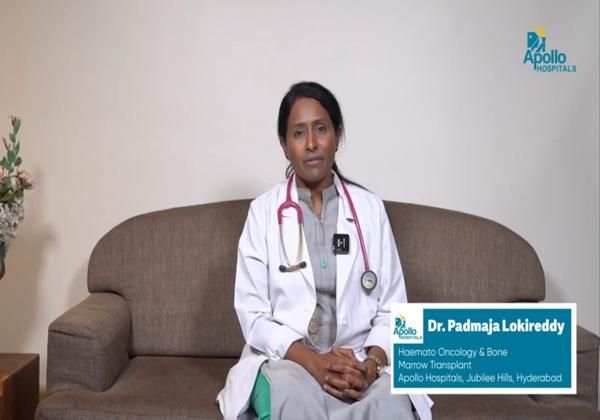
Dr Padmaja Lokireddy, Consultant Hemato-Oncology and Bone Marrow Transplant at Apollo Cancer Centre, Jubilee Hills, Hyderabad, shares her expert insights on Diffuse Large B-Cell Lymphoma (DLBCL), the most common aggressive form of non-Hodgkin’s lymphoma.
She explains that DLBCL is a high-grade lymphoma, meaning it grows rapidly but can often be cured if diagnosed and treated early. Unlike slow-growing (low-grade) lymphomas that may relapse after years, DLBCL requires urgent therapy, usually involving combination chemotherapy with or without targeted drugs and, in some cases, stem cell transplantation.
Addressing misconceptions, Dr Lokireddy clarifies that lymphoma, including DLBCL, is not the same as leukemia. While leukaemia primarily affects the blood and bone marrow, lymphoma usually begins as a solid tumour in the lymphatic tissues. Rarely, advanced lymphomas can enter a “leukemic phase,” but they remain biologically distinct.
Myheco offers dedicated guidance and end-to-end assistance for international patients seeking advanced treatment worldwide. From connecting you with leading specialists to arranging online consultations, myheco ensures a smooth and informed treatment journey.
Choosing myheco means expert care, faster access, and comprehensive support throughout your treatment journey.
Note: Myheco does not provide medical advice.
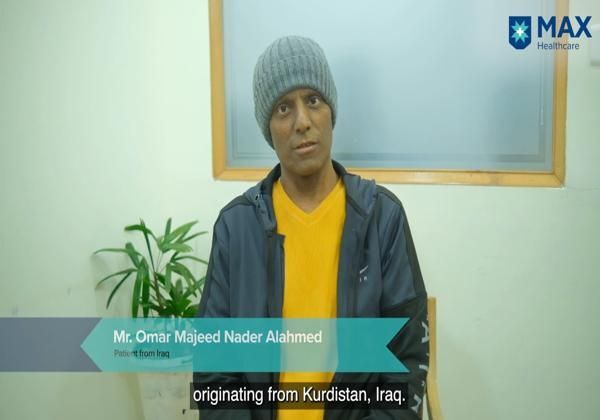
Mr Omar Majeed Nader, a 40-year-old from Iraq, was diagnosed with relapsed, refractory diffuse large B-cell lymphoma after unsuccessful treatment in his home country. At Max Hospital, Saket, under the care of Dr Rayaz Ahmed, he underwent salvage chemotherapy followed by an autologous stem cell transplant. Today, his pain and fever have subsided, his appetite has returned, and he looks forward to living a healthy and active life.
✅ Share your medical reports
✅ Receive personalised treatment plans from leading hospitals
✅ Choose the option that suits you best
✅ Let us handle the arrangements

In Thailand, Samitivej Sukhumvit Hospital in Bangkok is internationally recognised for advanced haematology services, chemotherapy, targeted therapy, immunotherapy (including CAR T-cell therapy in select cases), and integrated cancer care. The hospital also provides structured international patient services, supporting patients travelling from overseas for specialised treatment.
DLBCL is an aggressive but highly treatable form of non-Hodgkin lymphoma. Many patients achieve complete remission, and some may be cured, especially with timely diagnosis and modern therapies. Outcomes can vary depending on individual factors such as stage, response to treatment, and overall health, so evaluation by a specialist is essential.
Treatment depends on the stage of the disease, patient age, and overall health. Common options include chemotherapy (R-CHOP or similar regimens), targeted therapy (monoclonal antibodies), immunotherapy (including CAR T-cell therapy in select cases), radiation therapy, and stem cell transplantation for relapsed or refractory disease. The exact treatment plan is personalised and determined by the treating oncology team.
Recovery varies depending on the therapy used and individual response. Chemotherapy is typically given in cycles over several months, while targeted therapy and immunotherapy may continue longer, often with manageable side effects. Regular follow-up is important to monitor recovery and detect any recurrence early.
There is no proven way to prevent DLBCL, as the exact cause is not fully understood. While maintaining overall health and avoiding certain risk factors may be beneficial, these measures do not guarantee prevention. Early medical evaluation for persistent symptoms can help with timely diagnosis.
Myheco supports international patients by facilitating online consultations, arranging second opinions, connecting with experienced haematologists and oncologists, and coordinating treatment planning. It also assists with cost estimates, medical visa invitation letters, travel arrangements, hospital transfers, and multilingual support throughout the treatment journey. Services may vary depending on the hospital and country.
India’s leading hospitals for Diffuse Large B-Cell Lymphoma (DLBCL) treatment include Apollo Proton Cancer Centre, Apollo Cancer Institute, SIMS Hospital, MGM Healthcare, Rela Hospital, and Asian Institute of Nephrology & Urology (AINU) in Chennai; Manipal Hospital, Apollo Hospital, and Fortis Hospital in Bangalore; Max Hospital, Saket, BLK-Max Super Speciality Hospital, Manipal Hospital Dwarka, Medanta – The Medicity, Indraprastha Apollo Hospital, Apollo Athena Women’s Cancer Hospital, and Fortis Hospital in Delhi; Nanavati Max Super Speciality Hospital, Apollo Hospital, and Fortis Hospital in Mumbai; and Apollo Hospital and Asian Institute of Nephrology & Urology (AINU) in Hyderabad. These centres provide multidisciplinary oncology care, advanced diagnostics, R-CHOP–based chemotherapy, immunotherapy, targeted therapy, and stem cell transplantation for comprehensive lymphoma management.
In Thailand, Samitivej Sukhumvit Hospital in Bangkok is internationally recognised for advanced haematology services, chemotherapy, targeted therapy, immunotherapy (including CAR T-cell therapy in select cases), and integrated cancer care. The hospital also provides structured international patient services, supporting patients travelling from overseas for specialised treatment.


DISCLAIMER: THIS WEBSITE DOES NOT PROVIDE MEDICAL ADVICE
The information, including but not limited to, text, graphics, images and other material contained on this website are for informational purposes only. No material or content on this site is intended to be a substitute for professional medical advice, diagnosis, or treatment. Always seek the advice of your physician or other qualified health care provider with any questions you may have regarding a medical condition or treatment and before undertaking a new health care regimen, and never disregard professional medical advice or delay in seeking it because of something you have read on this website - www.myheco.com

.png)