
Endoscopic Endonasal Transsphenoidal (EET) surgery is a minimally invasive neurosurgical procedure used to remove tumours located at the base of the skull, particularly around the pituitary gland and nearby structures. Instead of opening the skull, surgeons access the tumour through the nasal cavity using an endoscope, a thin tube equipped with a light and camera, to reach the sphenoid sinus and underlying brain area.
This approach is commonly used to treat pituitary adenomas, craniopharyngiomas, Rathke’s cleft cysts, meningiomas, and chordomas near the skull base. It enables precise tumour removal while protecting critical structures such as the optic nerves, carotid arteries, and brain tissue.
A common misconception is that this surgery involves cutting through the brain. In reality, no brain tissue is disturbed. Surgeons access the tumour entirely through the nose and sinuses, without any external incision. This results in minimal scarring, faster recovery, and reduced postoperative complications (Johns Hopkins Medicine).
The procedure is typically performed under general anaesthesia by a team of neurosurgeons and ENT specialists. They use high-definition endoscopic cameras and navigation systems to operate with exceptional precision in confined areas.
Doctors recommend endoscopic endonasal transsphenoidal surgery based on factors such as:
The main goal of this surgery is to remove the tumour safely, relieve pressure on surrounding structures, restore normal hormone function, and preserve neurological health. With proper postoperative care, many patients experience significant recovery and improved quality of life.

Endoscopic endonasal transsphenoidal surgery is recommended when a tumour or abnormal growth forms near the pituitary gland or skull base, causing hormonal imbalance, vision problems, or pressure on the brain. These tumours are often benign (non-cancerous) but can still affect vital functions due to their location beneath the brain.
The surgery helps relieve pressure on the optic nerves, correct hormonal issues, and prevent further growth or recurrence. It is especially beneficial for patients whose tumours cannot be safely accessed through traditional open surgery.
Doctors recommend this procedure for:
Common symptoms prompting medical evaluation and surgical treatment include:
Doctors consider endoscopic endonasal transsphenoidal surgery when:
The procedure is often curative for pituitary adenomas and related tumours, offering patients a better chance at normal hormone function and improved vision. With advanced imaging and surgical precision, recovery outcomes are high, and most patients can resume normal activities within a few weeks.
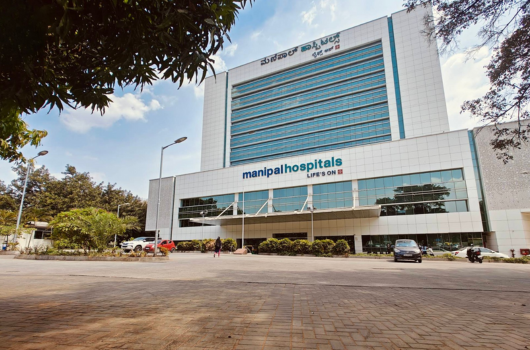
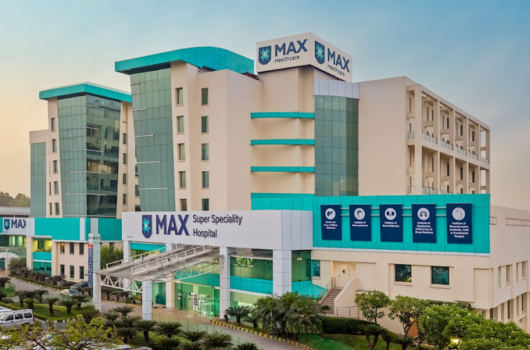
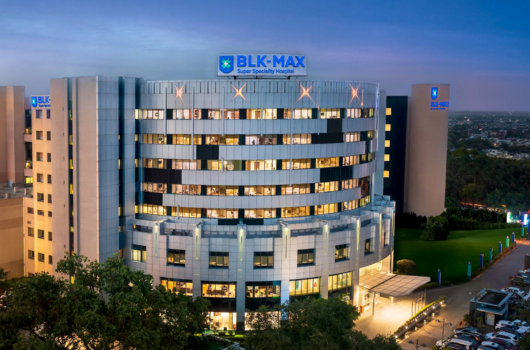
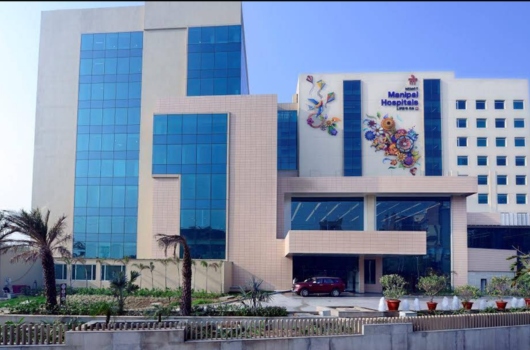
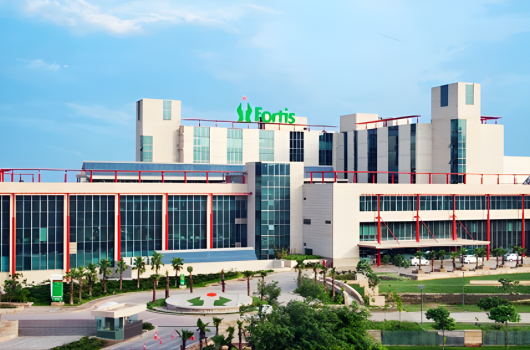
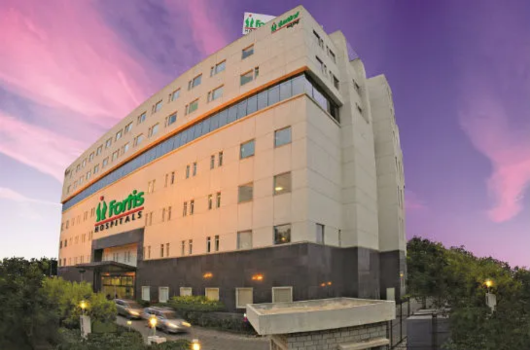
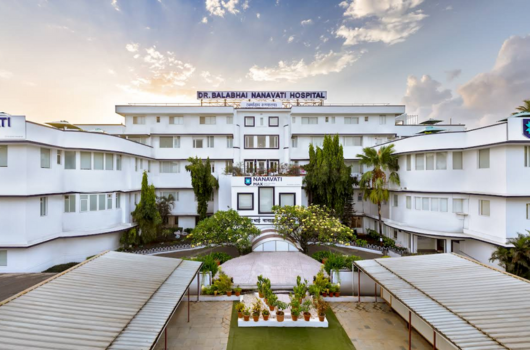
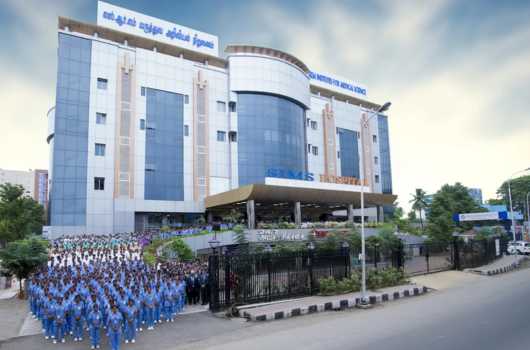
Some of the world’s most advanced neurosurgery hospitals offer specialised care for patients undergoing endoscopic endonasal transsphenoidal surgery, a minimally invasive technique used for pituitary and skull base conditions. These centres provide comprehensive neurosurgical and ENT care, including endoscopic skull base surgery, neuronavigation-guided procedures, and advanced imaging, supported by experienced neurosurgeons, ENT specialists, endocrinologists, and multidisciplinary teams. They also offer international patient services and structured follow-up care to ensure optimal recovery.
Leading hospitals for endoscopic endonasal transsphenoidal surgery include:




.png)
.png)

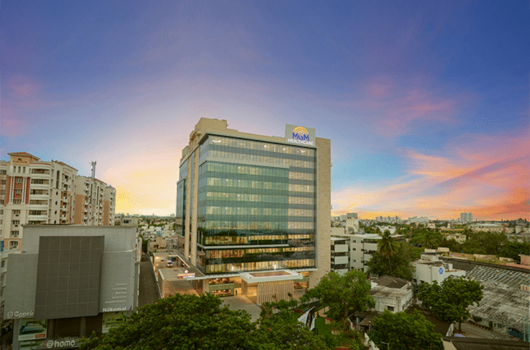
.png)
.png)
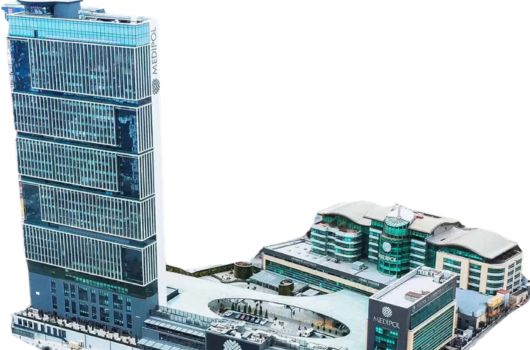
These hospitals follow evidence-based treatment protocols, offer access to advanced neurosurgical technologies, and provide coordinated care for international patients seeking endoscopic endonasal transsphenoidal surgery.
The average cost of endoscopic endonasal transsphenoidal surgery in India generally ranges between $6,000 and $12,000, while in Thailand it ranges from $8,000 to $18,000.
Actual expenses depend on factors such as tumour size, surgical complexity, hospital category, and post-operative recovery needs. Before reviewing the cost tables, it helps to understand what influences these variations.
Note: India is well known for offering cost-effective neurosurgical and pituitary tumour treatments. Hospitals provide advanced surgical technology and high success rates at significantly lower costs than Western countries.
Note: Thailand’s hospitals often feature premium international services and luxury patient suites. Costs are higher mainly due to imported consumables, medical technology, and all-inclusive patient packages.
The costs listed are approximate and may vary based on hospital, location, and patient needs. Consult the healthcare provider for accurate and updated information.
The currency conversion rates in the table above are based on data from April 2026.
For a detailed cost estimate and guidance on treatment options, patients can reach out to myheco to connect with leading hospitals.
A PMC (2022) study on 29 patients with craniopharyngioma treated using endoscopic endonasal surgery showed positive outcomes. Surgeons achieved gross total tumour removal in 62% of patients, while more than 95% of the tumour was removed in 86.2%. Vision improved in 72% of patients and was stable or better in 92.3% overall. The study concluded that this approach provides good tumour control and visual improvement with manageable risks when performed by experienced surgical teams.
Success in this surgery extends beyond just removing the tumour. It includes:
For most patients, especially those with non-invasive pituitary adenomas, the outlook is excellent, and recurrence rates are low when regular follow-up is maintained.
Top hospitals in India and Thailand follow a multidisciplinary, precision-guided approach that integrates:
This structured approach ensures better surgical precision, improved outcomes, and enhanced patient safety.
Myheco helps international patients access world-class neurosurgical care by connecting them with leading specialists, coordinating treatment plans, and ensuring smooth travel and recovery. Every step from medical evaluation to follow-up is handled with transparency and compassion to make the process stress-free.
Choosing myheco means choosing expert guidance, reliable care, and peace of mind throughout your treatment journey.
Note: Myheco does not provide medical advice.
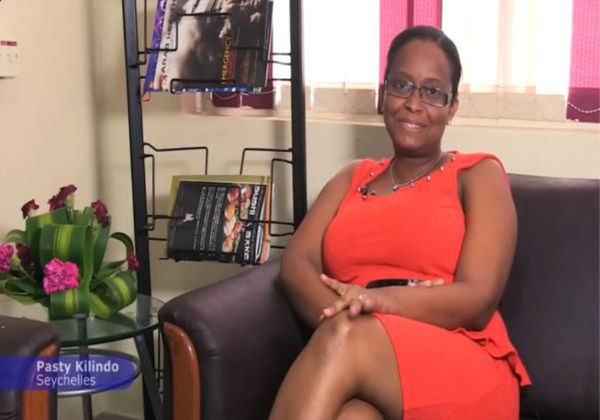
Patsy Kilindo, a 35-year-old patient from Seychelles, had been experiencing severe headaches and vision problems for two years. After being diagnosed with a pituitary gland tumour, she travelled to Manipal Hospital, Bangalore, where Dr Paritosh Pandey, Senior Consultant Neurosurgeon, performed a successful endoscopic transsphenoidal surgery to remove the tumour.
Following the surgery, her headaches and mood swings disappeared, and her vision improved. Patsy said the hospital’s international team and nurses cared for her very well, and Dr Pandey explained everything clearly. Just eleven days after the surgery, she felt comfortable and ready to fly home to Seychelles.
✅ Share your medical reports
✅ Receive personalised treatment plans from leading hospitals
✅ Choose the option that suits you best
✅ Let us handle the arrangements

This surgery is used to remove tumours located at the base of the skull or pituitary gland, such as pituitary adenomas, craniopharyngiomas, Rathke’s cleft cysts, and meningiomas. It allows surgeons to access these tumours through the nasal cavity without opening the skull. Suitability depends on tumour type, size, and location, so evaluation by a specialist is essential.
It is generally considered safe and effective when performed by experienced neurosurgeons and ENT specialists. Modern tools like 3D endoscopes and neuro-navigation systems improve precision and help reduce risks. As with any surgery, individual outcomes may vary depending on patient health and tumour complexity.
The surgery usually takes 2 to 4 hours, depending on tumour size and complexity. Most patients stay in the hospital for 4 to 7 days, and recovery may take 2 to 4 weeks, followed by hormone checks and follow-up scans. Recovery timelines can vary based on the individual case and post-operative progress.
No external cuts are typically required, as the procedure is performed through the nostrils, so there are usually no visible scars. In rare or complex cases, additional approaches may be needed based on surgical requirements.
Complications are uncommon but may include cerebrospinal fluid leakage, infection, or temporary hormonal imbalance. The risk profile varies by case and is carefully managed through advanced surgical techniques and close post-operative monitoring.
Recurrence is relatively uncommon, particularly when the tumour is completely removed. However, regular MRI scans and endocrinology follow-ups are important, as outcomes depend on tumour type, extent of removal, and individual factors.
Yes. Myheco provides visa assistance, airport pickup, accommodation support, and patient coordination to help streamline the treatment journey. Services may vary depending on the hospital, location, and individual requirements.
India’s leading hospitals for endoscopic endonasal transsphenoidal surgery include Manipal Hospital, Apollo Hospital, and Fortis Hospital in Bangalore; Max Hospital, BLK-Max Super Speciality Hospital, Manipal Hospital Dwarka, Medanta – The Medicity, Institute of Brain and Spine (IBS) Hospital, Indraprastha Apollo Hospital, and Fortis Hospital in Delhi; Apollo Proton Cancer Centre (APCC), Apollo Hospital, SIMS Hospital, MGM Healthcare, and Rela Hospital in Chennai; Nanavati Max Super Speciality Hospital, Apollo Hospital, and Fortis Hospital in Mumbai; and Apollo Hospital in Hyderabad. These centres provide advanced endoscopic skull base surgery, neuronavigation-guided procedures, precision imaging, and comprehensive neuro-endocrine care, supported by experienced neurosurgeons, ENT specialists, endocrinologists, and multidisciplinary teams.
In Thailand, Samitivej Sukhumvit Hospital in Bangkok is internationally recognised for advanced endoscopic skull base surgery, minimally invasive neurosurgical techniques, precision imaging, and integrated multidisciplinary care. The hospital also offers structured international patient services, supporting patients travelling from overseas for specialised treatment.


DISCLAIMER: THIS WEBSITE DOES NOT PROVIDE MEDICAL ADVICE
The information, including but not limited to, text, graphics, images and other material contained on this website are for informational purposes only. No material or content on this site is intended to be a substitute for professional medical advice, diagnosis, or treatment. Always seek the advice of your physician or other qualified health care provider with any questions you may have regarding a medical condition or treatment and before undertaking a new health care regimen, and never disregard professional medical advice or delay in seeking it because of something you have read on this website - www.myheco.com

.png)