
Endovascular coiling is a minimally invasive neuro-interventional procedure used to treat brain (cerebral) aneurysms. An aneurysm is a weakened, bulging area in the wall of a blood vessel that can rupture and cause life-threatening bleeding in the brain.
In this procedure, a thin catheter is inserted through an artery, usually from the groin or wrist, and carefully guided to the aneurysm under imaging guidance. Tiny platinum coils are then placed inside the aneurysm. These coils promote blood clotting within the aneurysm, preventing blood flow into it and reducing the risk of rupture.
Stent-assisted coiling is an advanced form of this treatment. It is used when the aneurysm has a wide neck or complex shape, making standard coiling unstable. In such cases:
The primary goals of endovascular coiling and stent-assisted coiling are to:
These procedures are widely preferred due to their minimally invasive nature, shorter hospital stay, faster recovery, and favourable outcomes when performed at experienced neurovascular centres. The choice between coiling, stenting, or other treatments depends on aneurysm characteristics and is determined by a doctor after detailed evaluation.

Endovascular coiling and stent-assisted coiling are recommended to prevent a brain (cerebral) aneurysm from rupturing or re-rupturing. A ruptured aneurysm can cause subarachnoid haemorrhage, a medical emergency associated with high risk of stroke, permanent neurological damage, or death. These procedures are chosen to secure the aneurysm from inside the blood vessel while avoiding open brain surgery when appropriate.
Cerebral aneurysms develop due to weakness in the blood vessel wall. While some aneurysms remain asymptomatic, others enlarge or rupture over time. Common causes and risk factors include:
Many unruptured aneurysms cause no symptoms and are discovered incidentally during imaging. When symptoms occur, they may include:
Doctors recommend endovascular coiling or stent-assisted coiling when:
Timely intervention significantly reduces the risk of catastrophic bleeding and long-term disability. Endovascular techniques allow specialists to treat aneurysms safely while preserving normal brain circulation. The need for coiling or stenting depends on aneurysm risk factors and is determined after detailed imaging evaluation.
Myheco helps patients connect with experienced neuro-interventional teams equipped with advanced cath lab facilities, ensuring timely and effective aneurysm treatment.
Several leading hospitals worldwide offer specialised care for patients requiring endovascular coiling and stent-assisted coiling. These centres are equipped with state-of-the-art neuro-interventional and neurovascular facilities, ensuring precision, safety, and positive outcomes in complex cerebral aneurysm treatment. The focus is on complete aneurysm occlusion, preservation of normal blood flow, and faster neurological recovery for patients.
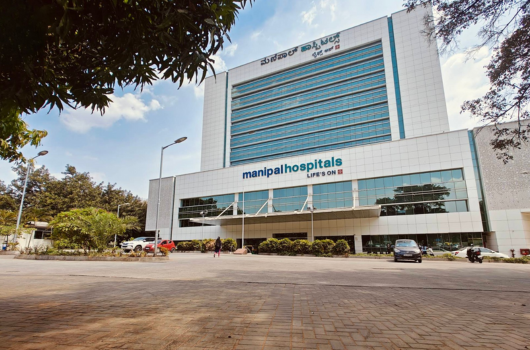
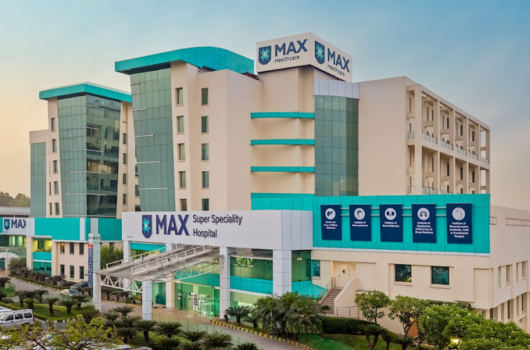
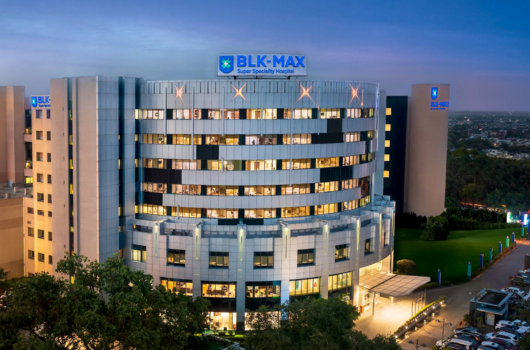
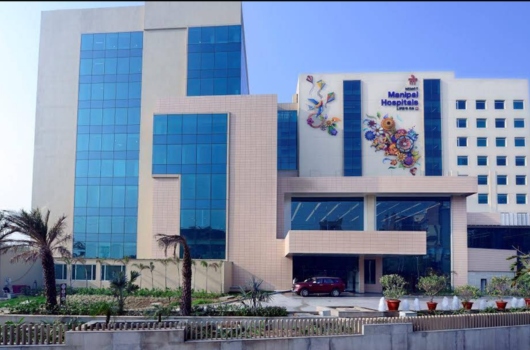
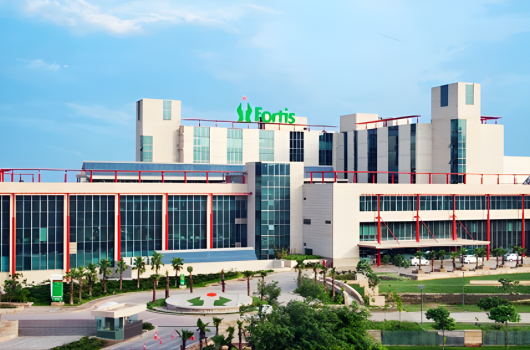
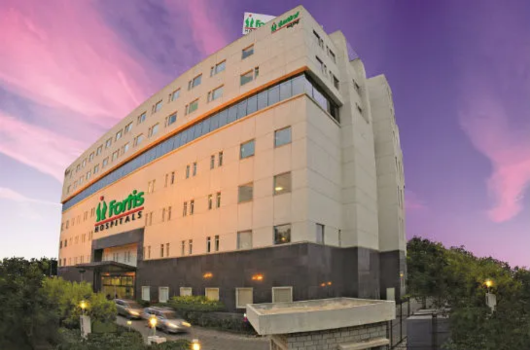
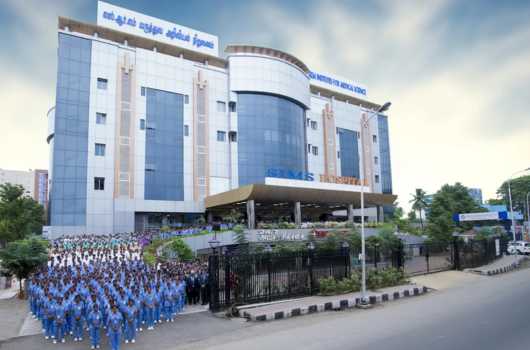
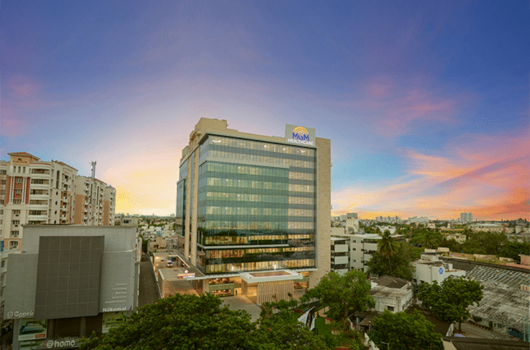
Leading hospitals for endovascular coiling and stent-assisted coiling include:





.png)
.png)

.png)
.png)
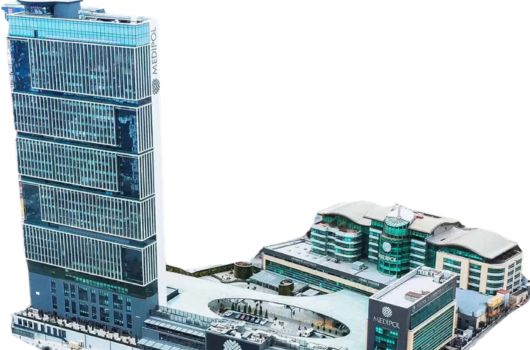
These hospitals are equipped to manage both emergency and elective aneurysm cases, offering precise diagnosis, minimally invasive treatment, and structured post-procedure rehabilitation for patients.
The average cost of endovascular coiling or stent-assisted coiling in India ranges from $2,200 to $10,000, while in Thailand it ranges from $17,000 to $40,000. The final cost may vary depending on aneurysm complexity, type of stent or coils used, neuro-interventional expertise, hospital infrastructure, and duration of ICU and hospital stay.
Overall, India offers a cost-effective option with high clinical standards, while Thailand is known for premium facilities and comprehensive patient services.
Before reviewing the treatment-wise cost tables, it is important to understand the factors that influence the total expense.
Note: India is widely preferred for neuro-interventional procedures due to its combination of experienced specialists, advanced cath labs, and significantly lower costs compared to many Western countries.
Note: Thailand’s higher treatment cost reflects premium hospital infrastructure, advanced imported devices, and comprehensive patient services, including comfort-focused recovery care.
The costs listed above are approximate estimates and may vary depending on the patient’s condition, hospital policies, and procedural requirements. Final costs should always be confirmed directly with the treating hospital.
The currency conversion rates mentioned above are based on data from April 2026.
For personalised cost estimates and treatment planning, patients may contact myheco to connect with trusted neurovascular centres.
A clinical study published in the Egyptian Journal of Neurology, Psychiatry and Neurosurgery (Springer) evaluated outcomes of endovascular coiling for cerebral aneurysms.
The study reported:
These findings indicate that endovascular coiling is a safe and effective treatment, especially when performed at experienced neurovascular centres.
For ruptured aneurysms, early treatment significantly reduces the risk of rebleeding, which is a major factor influencing survival and neurological recovery.
Outcomes may vary depending on patient condition, aneurysm characteristics, and timing of intervention.
This combination of early diagnosis, advanced endovascular techniques, and specialised post-procedure care ensures high success rates, reduced complications, and improved long-term neurological outcomes for patients undergoing endovascular coiling.
Myheco provides end-to-end assistance for international patients seeking endovascular coiling or stent-assisted coiling. The focus is on transparent guidance, reliable medical coordination, and seamless treatment planning with trusted neurovascular centres.
Choosing myheco allows patients to focus on recovery while all logistical and coordination needs are managed professionally.
Note: Myheco does not provide medical advice.
✅ Share your medical reports
✅ Receive personalised treatment plans from leading hospitals
✅ Choose the option that suits you best
✅ Let us handle the arrangements

Endovascular coiling involves placing tiny coils inside the aneurysm to block blood flow. Stent-assisted coiling uses a stent to support coil placement, especially in wide-neck or complex aneurysms, improving stability and long-term results.
Patients with ruptured or unruptured cerebral aneurysms may be eligible. Suitability depends on aneurysm size, shape, and location, as well as overall health. A neuro-interventionist determines eligibility after detailed imaging. Eligibility varies, and a doctor confirms suitability after evaluation.
The procedure usually lasts 1.5 to 3 hours, depending on aneurysm complexity. Emergency cases may take longer due to stabilisation and additional imaging requirements.
Most patients recover within 1 to 2 weeks after elective procedures. Ruptured aneurysms may require longer hospitalisation and rehabilitation. Recovery differs by case, and a doctor will guide post-procedure care.
Yes, when performed at experienced centres. Patients undergoing stent-assisted coiling may need antiplatelet medication to prevent clot formation around the stent.
Possible risks include bleeding, stroke, infection, or aneurysm recurrence, though these are uncommon when treated by skilled specialists. Risks vary for each patient and should be discussed with a doctor.
Coils and stents are permanent implants and do not need replacement. Regular follow-up imaging ensures long-term stability. Ongoing follow-up with a doctor is important to monitor long-term outcomes.
Yes. Most hospitals allow one or two attendants under a medical attendant visa to support the patient during treatment.
India’s leading hospitals for endovascular coiling and stent-assisted coiling include Manipal Hospital Bangalore, Max Hospital Delhi, Apollo Proton Cancer Centre (APCC) Chennai, Max BLK Delhi, Manipal Dwarka, Medanta Delhi, IBS (Institute of Brain and Spine) Delhi, Apollo Delhi, Fortis Delhi, Apollo Bangalore, Fortis Bangalore, Nanavati Max Mumbai, Apollo Mumbai, Fortis Mumbai, Apollo Hyderabad, Apollo Chennai, SIMS Chennai, MGM Chennai, and Rela Chennai. These centres are recognised for advanced neuro-interventional procedures, modern catheterisation labs, experienced neurovascular specialists, and comprehensive aneurysm management. Patients are advised to consult specialists to determine the most suitable hospital based on their condition.
In Thailand, Samitivej Sukhumvit Hospital is internationally recognised for advanced neuro-interventional radiology, cerebral aneurysm treatment, and modern endovascular techniques. The hospital also offers dedicated international patient support, advanced imaging facilities, and comprehensive neurovascular care programs. Final treatment decisions should be made in consultation with qualified neuro-interventionists.


DISCLAIMER: THIS WEBSITE DOES NOT PROVIDE MEDICAL ADVICE
The information, including but not limited to, text, graphics, images and other material contained on this website are for informational purposes only. No material or content on this site is intended to be a substitute for professional medical advice, diagnosis, or treatment. Always seek the advice of your physician or other qualified health care provider with any questions you may have regarding a medical condition or treatment and before undertaking a new health care regimen, and never disregard professional medical advice or delay in seeking it because of something you have read on this website - www.myheco.com

.png)