
Essential Thrombocythaemia (ET) treatment refers to the medical management of a rare blood disorder in which the bone marrow produces too many platelets. ET belongs to a group of conditions known as myeloproliferative neoplasms, a type of chronic blood cancer that affects blood cell production.
Platelets are essential for blood clotting. However, when platelet levels become excessively high, the blood may clot more easily than normal. This increases the risk of complications such as stroke, heart attack, or deep vein thrombosis. In some cases, abnormal platelet function may also cause bleeding problems.
The goal of Essential Thrombocythaemia treatment is not always to “cure” the condition but to control platelet levels, reduce the risk of clotting or bleeding, and improve long-term quality of life. Treatment approaches may include low-dose aspirin, cytoreductive medications, or targeted therapies in selected patients. In rare cases, plateletpheresis (a procedure to remove excess platelets) may be used in emergencies.
A common misconception is that all patients with ET require aggressive cancer therapy. In reality, treatment decisions are highly individualised. Some low-risk patients may only require regular monitoring and preventive medication, while higher-risk individuals may need more active intervention.
Before recommending treatment, doctors consider several factors:
Early diagnosis is extremely important. Many patients are diagnosed during routine blood tests before symptoms appear. Detecting ET early allows doctors to manage risks proactively and prevent serious complications. With proper monitoring and treatment, many individuals with ET live long and stable lives.

Essential Thrombocythaemia may progress silently, but without appropriate management, it can lead to serious health risks.
If left untreated, excessively high platelet levels can increase the risk of abnormal blood clot formation. These clots may block blood flow to critical organs, leading to stroke, heart attack, or pulmonary embolism. In some patients, the condition may also cause bleeding complications due to dysfunctional platelets.
ET can significantly affect quality of life. Patients may experience headaches, dizziness, fatigue, visual disturbances, or tingling in the hands and feet. Recurrent symptoms can interfere with daily activities and work productivity.
Over time, a small percentage of patients may develop complications such as myelofibrosis (bone marrow scarring) or transformation into acute leukaemia. While this progression is not common, regular monitoring is essential.
Long-term health implications depend on individual risk factors and how effectively the condition is controlled. With appropriate treatment and follow-up, many patients maintain stable blood counts and avoid major complications.
Treatment needs vary by patient. Consult a qualified healthcare professional for personalised medical advice.
Understanding the causes and risk factors of Essential Thrombocythaemia helps in early detection and proper monitoring.
Symptoms may vary depending on disease stage, platelet levels, and individual risk factors. Early recognition improves treatment outcomes.
If any concerning symptoms appear, immediate consultation with a haematologist is strongly advised. Early intervention significantly reduces the risk of complications.
Treatment decisions are based on clinical findings, symptom severity, and overall patient health.
A qualified healthcare professional makes treatment decisions based on individual clinical evaluation.
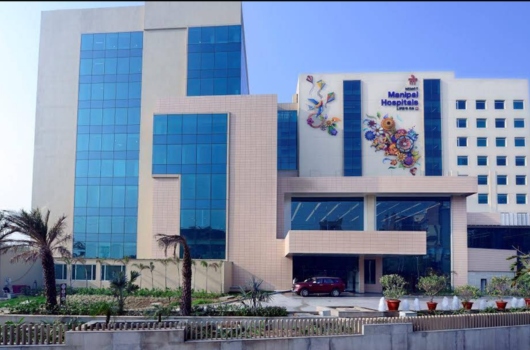
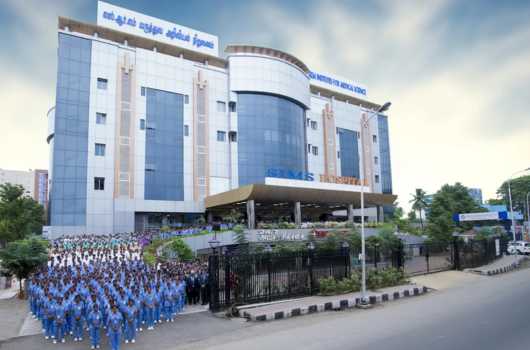
Leading hospitals offering Essential Thrombocythaemia treatment are equipped with advanced diagnostic laboratories, molecular testing facilities, and specialised haematology departments. Multidisciplinary teams, including haematologists, oncologists, pathologists, and cardiovascular specialists, work together to create personalised treatment plans.
Many internationally accredited centres provide international patient support services, including interpreter assistance and structured post-treatment follow-up care, to ensure continuity after returning home.





.jpg)




.png)

.png)
%20%E2%80%93%20Banjara%20Hills%2C%20Hyderabad.png)
.png)


.png)
.png)

These hospitals provide comprehensive Essential Thrombocythaemia treatment supported by modern diagnostic tools, advanced transplant facilities, and dedicated international care teams.
The average cost of Essential Thrombocythaemia (ET) treatment typically falls between $2,000 and $6,000 in India for routine outpatient management. In Thailand, outpatient costs are usually provided on a case-by-case basis by hospitals. For rare high-risk cases requiring hematopoietic stem cell transplantation (HSCT), costs are significantly higher in both countries.
However, the exact amount can differ depending on factors such as the treatment type, hospital location, and disease complexity. Before exploring the detailed cost breakdown, it is helpful to understand the main elements that influence these expenses.
Note: India has become a preferred destination for advanced haematology treatment, offering internationally aligned protocols at comparatively cost-effective rates. Most ET patients are managed on an outpatient basis.
Note: Thailand has established itself as a premium destination for advanced treatment, offering internationally accredited hospitals, modern medical technology, and specialised haematology services for complex cases.
The above figures are approximate and can vary based on the hospital, location, treatment complexity, and individual patient requirements. Always consult the healthcare provider for the most accurate and up-to-date pricing.
The currency conversion rates in the table above are based on data from March 2026.
Doctors decide treatment based on disease risk and management needs, so costs may vary depending on therapy type and follow-up requirements.
For a detailed cost estimate and guidance on treatment options, patients can contact myheco to connect with leading hospitals specialising in Essential Thrombocythaemia care.
As reported in an international study published in the Journal of Clinical Oncology and indexed by the National Center for Biotechnology Information (NCBI), long-term survival in strictly WHO-defined Essential Thrombocythaemia (ET) is generally favourable when accurately diagnosed.
The study found that:
Survival in patients with WHO-defined ET was reported to be comparable to that of the age- and sex-matched general European population.
Outcomes may vary depending on individual patient factors, disease characteristics, and treatment approach.
These findings highlight the importance of accurate diagnosis, as outcomes differ from related conditions such as prefibrotic myelofibrosis. With appropriate monitoring and management, many patients achieve long-term disease stability.
Success in ET treatment does not necessarily mean complete cure, as it is typically a chronic condition. Instead, success focuses on:
With structured follow-up and specialist care, most patients can live stable and productive lives for many years after diagnosis.
Leading hospitals follow evidence-based protocols and multidisciplinary approaches to improve outcomes in Essential Thrombocythaemia (ET) management.
With structured monitoring and expert oversight, patients often experience better disease stability, fewer complications, and improved long-term quality of life.
Myheco ensures that international patients receive complete support, from connecting with leading haematology specialists to managing every aspect of their medical journey. With transparent guidance, expert coordination, and trusted hospital partnerships, Myheco helps patients access advanced Essential Thrombocythaemia treatment safely and efficiently.
Choosing Myheco means receiving expert medical connections, seamless coordination, and trusted guidance at every step of your Essential Thrombocythaemia treatment journey.
Note: Myheco does not provide medical advice.
✅ Share your medical reports
✅ Receive personalised treatment plans
✅ Choose the option that suits you best
✅ Let us handle the arrangements

When managed by experienced haematologists, treatment is generally safe. Risks depend on the type of medication used and patient-specific factors. Regular monitoring helps reduce complications, although individual responses may vary. Safety and risks vary by treatment type and individual factors; regular monitoring helps manage potential complications.
Essential Thrombocythaemia is usually a chronic condition requiring long-term management. Some patients may need lifelong medication and periodic follow-up, depending on disease severity and response to treatment. Management duration varies based on disease course and individual response to treatment.
Many patients are treated on an outpatient basis. Hospitalisation is typically needed only for complications or emergency procedures, and duration may vary based on the patient’s condition. Doctors decide on hospitalisation based on the patient’s condition and need for monitoring or complications.
Possible side effects include bleeding, infection risk, or medication-related complications. Doctors adjust therapy based on tolerance and response, and risks may differ for each patient.
India has several leading hospitals for Essential Thrombocythaemia treatment. In Chennai, Apollo Proton Cancer Centre, Apollo Cancer Institute, SIMS Hospital, MGM Healthcare, and Rela Hospital offer advanced haematology care. In Bangalore, Manipal Hospital, Apollo Hospital, and Fortis Hospital provide specialised blood disorder management. In Delhi, Max Hospital, BLK-Max Super Speciality Hospital, Manipal Hospital Dwarka, Medanta, Apollo Hospital Indraprastha, Apollo Athena Women’s Cancer Hospital, and Fortis Hospital are recognised for comprehensive haematology services. In Mumbai, Nanavati Max Hospital, Apollo Hospital, and Fortis Hospital offer advanced treatment facilities, while in Hyderabad, Apollo Hospital and AINU provide multidisciplinary care. Hospital selection may vary based on the patient’s condition, the doctor’s expertise, and treatment requirements.
In Thailand, Samitivej Sukhumvit Hospital in Bangkok is a leading choice for Essential Thrombocythaemia treatment, offering advanced haematology services and comprehensive patient care. Choice of hospital may depend on individual medical needs, the availability of specialists, and treatment preferences.
Myheco coordinates medical consultations, hospital selection, travel planning, and follow-up support to simplify the treatment journey. Services may vary based on the patient’s location, treatment plan, and hospital selection.
Yes, Myheco provides cost estimates and connects patients with specialists for second opinions before travel decisions. Final costs and recommendations may vary depending on the treatment plan and clinical evaluation.


DISCLAIMER: THIS WEBSITE DOES NOT PROVIDE MEDICAL ADVICE
The information, including but not limited to, text, graphics, images and other material contained on this website are for informational purposes only. No material or content on this site is intended to be a substitute for professional medical advice, diagnosis, or treatment. Always seek the advice of your physician or other qualified health care provider with any questions you may have regarding a medical condition or treatment and before undertaking a new health care regimen, and never disregard professional medical advice or delay in seeking it because of something you have read on this website - www.myheco.com

.png)