
Flow-Diverting Stent Placement is a minimally invasive endovascular procedure used to treat complex intracranial aneurysms. An intracranial aneurysm is a weak or bulging area in the wall of a blood vessel in the brain. Over time, this weakened section can enlarge and may rupture, leading to bleeding in the brain, which can be life-threatening.
Unlike traditional surgical clipping, which involves open brain surgery, or coiling, which fills the aneurysm sac with coils, a flow-diverting stent works differently. The stent is a fine mesh tube placed inside the parent artery across the neck of the aneurysm. It redirects blood flow away from the aneurysm, allowing it to gradually shrink and heal while preserving normal blood flow to the brain.
A common misconception is that the stent “removes” the aneurysm immediately. In reality, it promotes natural healing over time. The aneurysm closes gradually as the vessel wall remodels and new tissue forms along the stent.
Doctors carefully evaluate several factors before recommending this treatment. These include:
Early diagnosis of intracranial aneurysms is essential. Many aneurysms are detected incidentally during brain imaging for unrelated symptoms. Identifying them before rupture allows doctors to plan preventive treatment, potentially reducing the risk of severe complications.
Flow-diverting stents are particularly useful for large, wide-necked, or complex aneurysms that are difficult to treat with conventional methods. When performed by experienced neurosurgical and neurointerventional teams, this approach offers a targeted and less invasive solution for selected patients.

Flow-Diverting Stent Placement is recommended to prevent aneurysm rupture or re-rupture. When an intracranial aneurysm bursts, it can cause subarachnoid hemorrhage, a serious type of stroke that may lead to permanent brain damage or death.
If left untreated, certain aneurysms may:
A rupture can result in severe headache, neurological deficits, coma, or long-term disability. Even unruptured aneurysms can affect quality of life if they cause persistent headaches, vision problems, or nerve compression.
Long-term implications of untreated aneurysms may include:
For many patients, especially those with complex aneurysm anatomy, flow-diverting stents provide a preventive solution. By reducing blood flow into the aneurysm and promoting healing, the procedure aims to lower the risk of catastrophic bleeding.
Timely intervention can significantly influence overall neurological health and future quality of life.
Understanding the causes and risk factors helps in early detection and prevention of intracranial aneurysms.
Symptoms may vary depending on the aneurysm’s size, location, and whether it has ruptured. Early recognition improves treatment outcomes.
If any emergency warning signs occur, immediate medical attention is essential.
Even mild or unclear symptoms should be evaluated by a healthcare professional, especially in individuals with risk factors.
Treatment decisions are based on clinical evaluation, imaging findings, and overall patient health.
Timely evaluation and well-informed decision-making play a key role in managing intracranial aneurysms effectively. Choosing the right treatment approach, guided by specialist expertise and detailed imaging, helps balance safety with long-term outcomes. Ongoing follow-up and adherence to medical advice remain important for maintaining vascular health after treatment.
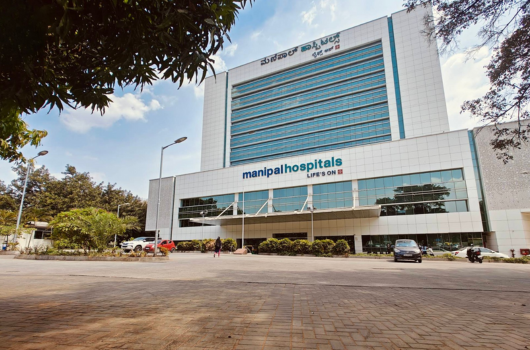
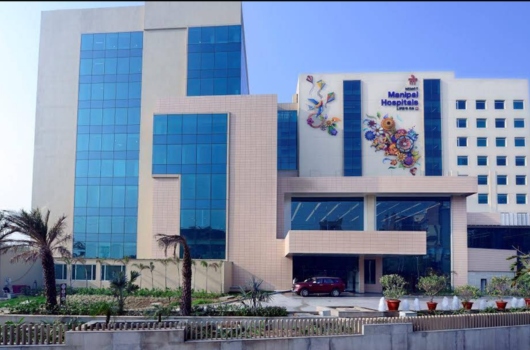
Some of the world’s advanced multispeciality and neuroscience hospitals provide specialised care for patients diagnosed with Intracranial Aneurysm. These centres are equipped with modern neuroimaging systems, endovascular suites, hybrid operating rooms, and dedicated neurocritical care units. Treatment is delivered by multidisciplinary teams including neurosurgeons, neurointerventional radiologists, neurologists, and intensive care specialists.
Many of these hospitals also have established international patient departments that assist with medical visas, travel coordination, interpreter services, and post-treatment follow-up planning.
Leading hospitals include:







.png)

.png)



.png)
.png)

These hospitals follow evidence-based treatment protocols and provide coordinated care for international patients seeking Flow-Diverting Stent Placement for Intracranial Aneurysm.
The average cost of Flow-Diverting Stent Placement typically falls between ₹6,60,000 and ₹12,50,000 in India and from $18,000 to $30,000 in Thailand. However, the exact amount can differ depending on factors such as the type of treatment, the hospital’s location, and the stage or complexity of the condition. Before exploring the detailed cost breakdown by treatment, it’s useful to understand the main elements that influence these expenses.
Note: India has become a preferred destination for advanced treatment, offering world-class care at a fraction of the international cost. Patients benefit from expert specialists, modern medical technology, and cost-effective access to high-quality care.
Note: Thailand has established itself as a premium destination for advanced treatment, offering world-class hospitals, cutting-edge technology, and internationally trained specialists. Patients choose Thailand not only for high-quality care but also for its holistic and patient-focused service standards.
The above figures are approximate and can vary based on the hospital, location, and individual patient requirements. Always consult the healthcare provider for the most accurate and up-to-date pricing.
The currency conversion rates in the table above are based on data from April 2026.
For a detailed cost estimate and guidance on treatment options, patients can contact myheco to connect with leading hospitals specialising in Intracranial Aneurysm care.
The outcomes of Flow-Diverting Stent Placement depend on aneurysm size, location, rupture status, and careful patient selection. One of the most important measures of success is whether the aneurysm is completely excluded from blood circulation during follow-up imaging.
A 10-year single-centre study published in Cureus and indexed in PubMed evaluated 153 intracranial aneurysms treated with flow-diverting stents.
The study showed no statistically significant difference in complete occlusion rates based on aneurysm size or type. However, aneurysms located in the internal carotid artery (ICA) supraclinoid segment demonstrated particularly high occlusion rates (92.1%).
These findings suggest that Flow-Diverting Stent Placement can provide durable aneurysm closure across a wide range of aneurysm sizes, including large and giant aneurysms. Importantly, aneurysm closure often progresses over time, making structured imaging follow-up essential.
Early diagnosis and treatment planning remain key factors in improving long-term neurological outcomes.
One of the most common concerns patients have is whether the aneurysm can be fully resolved. In many cases, successful treatment means that the aneurysm is no longer filling with blood and is effectively excluded from circulation.
In Intracranial Aneurysm treatment, “success” can mean:
Leading hospitals follow evidence-based protocols and multidisciplinary approaches to improve outcomes in Intracranial Aneurysm treatment.
With appropriate expertise and structured follow-up, Flow-Diverting Stent Placement offers high aneurysm occlusion rates with relatively low morbidity and mortality in experienced centres.
Myheco ensures that international patients receive comprehensive support, from connecting with experienced neurosurgery specialists to managing every aspect of their treatment journey. With transparent guidance, expert coordination, and trusted hospital partnerships, myheco helps patients access advanced Flow-Diverting Stent Placement for Intracranial Aneurysm safely and efficiently.
Choosing myheco means receiving expert medical connections, smooth coordination, and trusted guidance for every step of your Intracranial Aneurysm treatment journey.
Note: Myheco does not provide medical advice.
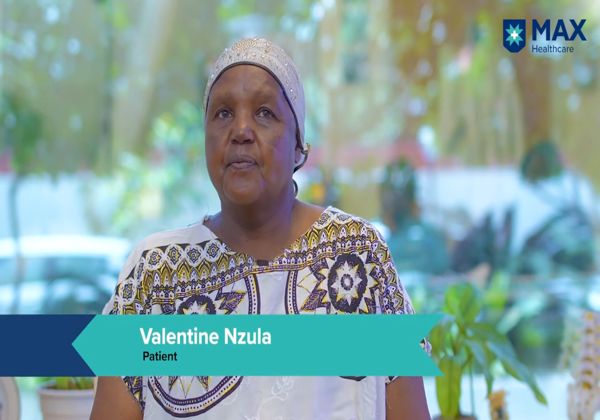
Ms. Valentine, a patient from Kenya, had been living with a brain aneurysm for nearly ten years. As treatment options were limited in her home country, she travelled to India for specialised care.
Imaging revealed two aneurysms located close to each other, including one large aneurysm and a smaller adjacent aneurysm.Doctors at Max Super Specialty Hospital, Saket, recommendedFlow-Diverting Stent Placement, and the procedure was planned so that both aneurysms could be treated using a single stent. She recovered well after the procedure and was discharged from the hospital within a few days.
✅ Share your medical reports
✅ Receive personalised treatment plans
✅ Choose the option that suits you best
✅ Let us handle the arrangements

When performed in experienced centres, it is considered safe, but like all procedures, it carries risks. A detailed discussion with your neurosurgeon is essential.
Most patients stay between 2 to 5 days, including ICU monitoring. The duration depends on individual recovery.
Potential risks include stroke, bleeding, infection, or stent blockage. Doctors evaluate risks carefully before recommending treatment.
Many patients resume light activities within 1–2 weeks. Full recovery varies depending on overall health and complications.
India’s leading hospitals for Flow-Diverting Stent Placement include Apollo Hospitals in Chennai, Apollo Proton Cancer Centre (APCC), SIMS Hospital, MGM Healthcare, and Rela Hospital in Chennai; Manipal Hospital and Fortis Hospital in Bangalore; Manipal Hospital Dwarka, Max Hospital, BLK-Max Super Speciality Hospital, Medanta – The Medicity, IBS (Institute of Brain and Spine), Apollo Indraprastha Hospital, and Fortis Hospital in Delhi; Nanavati Max Super Speciality Hospital, Apollo Hospital, and Fortis Hospital in Mumbai; and Manipal Hospitals EM Bypass in Kolkata.
These centres are recognised for advanced neurosurgery departments, modern neurointerventional suites, hybrid operating theatres, and neurocritical care services.
In Thailand, Samitivej Sukhumvit Hospital in Bangkok is internationally recognised for advanced neurovascular care and endovascular procedures. The hospital provides specialised neurosurgery services, modern interventional radiology suites, and structured international patient coordination. Additionally, leading multispeciality hospitals in Thailand offer comprehensive neurological treatment supported by experienced neurosurgeons and dedicated international patient services.
Myheco reviews your medical reports and connects you with suitable hospitals and specialists based on your condition and preferences.
Yes, myheco supports post-treatment coordination, follow-up planning, and communication with treating hospitals. Treatment decisions should always be made in consultation with a qualified healthcare professional.


DISCLAIMER: THIS WEBSITE DOES NOT PROVIDE MEDICAL ADVICE
The information, including but not limited to, text, graphics, images and other material contained on this website are for informational purposes only. No material or content on this site is intended to be a substitute for professional medical advice, diagnosis, or treatment. Always seek the advice of your physician or other qualified health care provider with any questions you may have regarding a medical condition or treatment and before undertaking a new health care regimen, and never disregard professional medical advice or delay in seeking it because of something you have read on this website - www.myheco.com

.png)