
Follicular lymphoma is a slow-growing cancer of the lymphatic system. It develops from abnormal B-cells inside the lymph nodes and may spread to the bone marrow or other organs. While it progresses gradually, it often comes back after treatment and usually requires long-term management.
Follicular lymphoma treatment aims to control the disease, reduce symptoms, and improve quality of life. Because it does not always need immediate therapy, doctors may sometimes recommend watchful waiting, delaying treatment until there are signs of progression.
A common misconception is that all lymphomas are aggressive and require urgent care. In reality, many people with follicular lymphoma live well for years without starting treatment right away.
Treatment options may include:
With timely treatment and proper follow-up, patients often achieve long periods of remission and maintain active lives. Doctors decide the treatment based on disease stage, symptoms, overall health, and how the lymphoma progresses. Some patients may need treatment immediately, while others may be monitored for a period of time.

Follicular lymphoma treatment is important because, even though this cancer grows slowly, it can still spread to the bone marrow and other organs. Over time, it may cause fatigue, infections, or organ damage if left untreated. Treatment helps relieve symptoms, keep the disease under control, and improve survival.
The exact cause is not always clear, but some factors may increase risk:
Symptoms depend on how advanced the disease is. Common ones include:
Doctors may recommend beginning treatment when:
Early diagnosis and proper management improve outcomes. Treatment usually begins when symptoms worsen, lymph nodes enlarge significantly, or blood counts are affected. Doctors assess these changes carefully before recommending therapy. Myheco helps international patients access expert care for follicular lymphoma at leading hospitals worldwide.
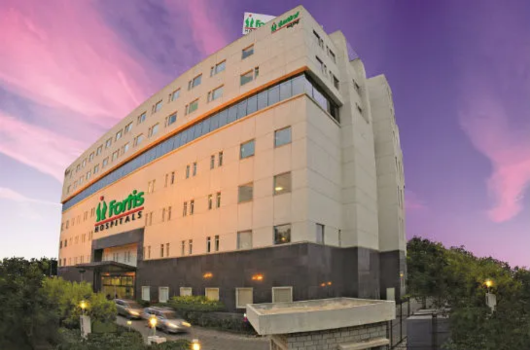
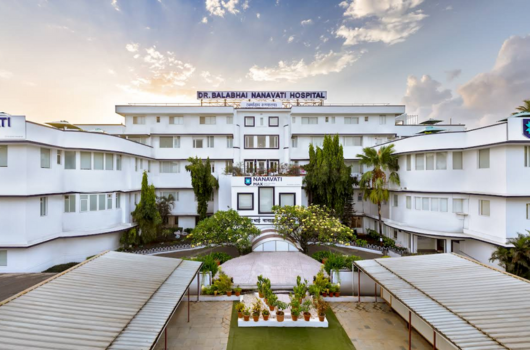
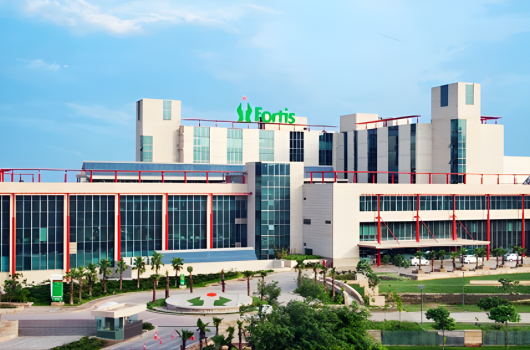
Many leading hospitals around the world offer specialised care for patients with follicular lymphoma. These centres bring together expert oncologists and bone marrow transplant specialists, supported by advanced treatment technologies and comprehensive international patient services.

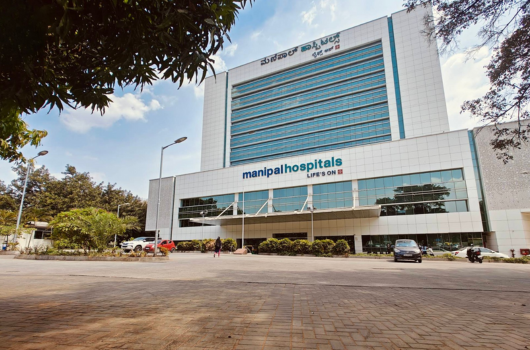
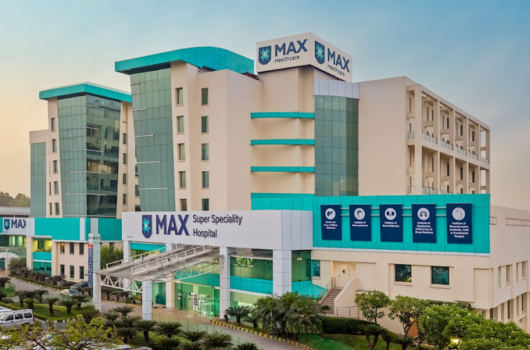
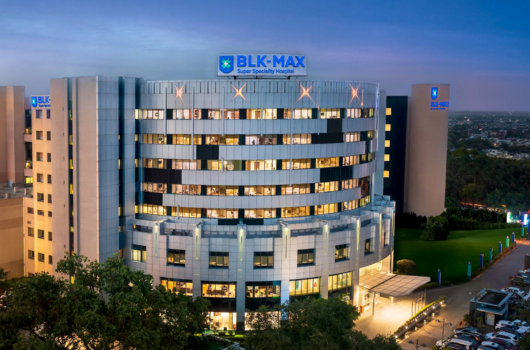
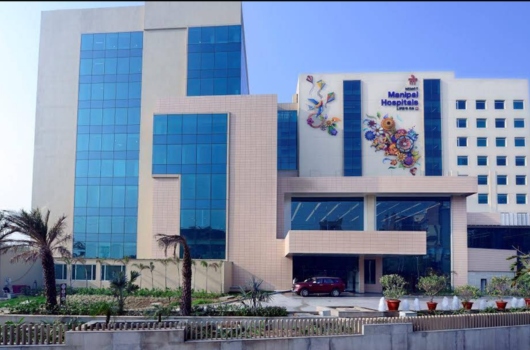

.jpg)


.png)
.png)
%20%E2%80%93%20Banjara%20Hills%2C%20Hyderabad.png)
.png)
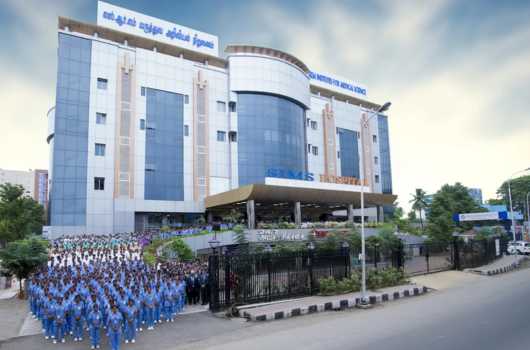
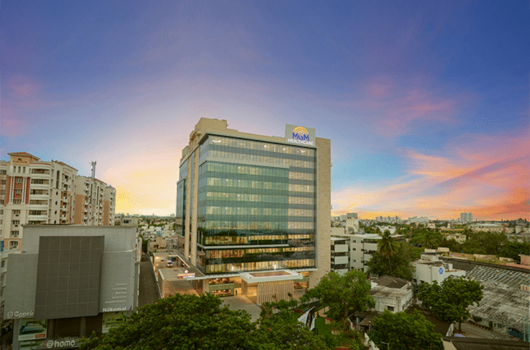
.png)
.png)

These hospitals combine modern cancer technology, experienced oncologists, and strong international patient services to ensure safe and effective treatment for follicular lymphoma.
The average cost of follicular lymphoma treatment in India is generally between $2,500 and $7,000, while in Thailand it ranges from $3,000 to $7,000. Actual expenses depend on the type of therapy, hospital, and whether advanced treatments such as targeted therapy, immunotherapy, or radiation therapy are required.
Before exploring the treatment-wise cost tables, it is useful to understand the main factors that influence these expenses.
Note: India is well known for offering cost-effective cancer care. Hospitals combine affordability with advanced technology, skilled oncologists, and widely available generic medicines.
Note: Thailand’s hospitals are promoted as premium destinations for international patients. The higher cost reflects imported medicines, luxury infrastructure, and all-inclusive patient services.
The costs listed are approximate and may vary based on hospital, location, and patient needs. Consult the healthcare provider for accurate and updated information.
The currency conversion rates in the table above are based on data from March 2026.
Final treatment costs depend on the therapy plan, number of treatment cycles, hospital policies, and patient condition. Actual expenses may vary from the listed ranges.
For a detailed cost estimate and guidance on treatment options, patients can reach out to myheco to connect with leading hospitals.
Follicular lymphoma is generally a slow-growing form of non-Hodgkin lymphoma, and while it is often long-term rather than curable, advances in therapy have led to excellent survival outcomes.
According to Cancer Research UK:
Doctors use a tool called the Follicular Lymphoma International Prognostic Index (FLIPI) to assess outcomes based on factors such as age, stage, and blood test results.
These figures show that most patients achieve long-term control of the disease, especially when treatment begins early and is tailored to individual risk groups.
Survival statistics are based on population studies and may not reflect individual outcomes. Prognosis varies depending on disease stage, risk group, and response to treatment.
What Does ‘Success’ Mean?
Success in follicular lymphoma treatment does not always mean a permanent cure. Instead, it may involve:
Leading hospitals use a multidisciplinary and personalised approach that includes:
This comprehensive strategy ensures better outcomes and quality of life for patients with follicular lymphoma.
Myheco helps international patients access advanced follicular lymphoma treatment by connecting them with leading oncologists, guiding them through medical planning, and coordinating every stage of their care. Myheco ensures that each patient receives personalised, seamless, and transparent support from diagnosis to recovery.
Choosing myheco means expert guidance, faster access, and comprehensive support throughout the treatment journey.
Note: Myheco does not provide medical advice.
✅ Share your medical reports
✅ Receive personalised treatment plans from leading hospitals
✅ Choose the option that suits you best
✅ Let us handle the arrangements

The most common symptoms include painless swollen lymph nodes in the neck, armpits, or groin. Patients may also experience fatigue, unexplained weight loss, fever, night sweats, or frequent infections due to weakened immunity. Symptoms can vary in intensity and duration, so any persistent or unusual changes should be evaluated by a healthcare professional for accurate diagnosis and timely care. Please contact a physician for clinical advise based on your clinical symptoms.
Follicular lymphoma is treated by haematologists and medical oncologists. In some cases, radiation oncologists and transplant specialists are also part of the care team to provide comprehensive treatment.
The duration of treatment depends on the chosen therapy. Chemotherapy or immunotherapy usually takes several months. Stem cell transplant requires around 3-4 weeks of hospital stay, while maintenance therapy with rituximab may continue for up to 2 years. Treatment timelines can differ from person to person, so it’s best to follow a specialist’s advice for a plan suited to individual health and response to therapy.
Yes, follicular lymphoma often relapses. However, many patients achieve long periods of remission after treatment. Relapsed cases can be managed effectively with targeted therapy, immunotherapy, or stem cell transplant. The likelihood and timing of recurrence vary by individual, so regular follow-ups and ongoing medical supervision are essential for long-term disease management.
Yes, most hospitals allow one or two family members to accompany patients under a medical attendant visa. Many centres also provide accommodation and support services for accompanying relatives.
Myheco assists with doctor consultations, cost estimates, visa invitation letters, airport pickup, and ongoing follow-up care. Patients receive end-to-end guidance throughout their treatment journey.
India has several hospitals that specialise in lymphoma care. In Chennai, international patients often choose Apollo Proton Cancer Centre, Apollo Cancer Institute, SIMS Hospital, MGM Healthcare, and Rela Hospital, which offer advanced cancer treatment, radiation therapy, and multidisciplinary oncology care. In Delhi, leading centres include Manipal Hospital Dwarka, Max Super Speciality Hospital, BLK-Max Super Speciality Hospital, Medanta – The Medicity, Indraprastha Apollo Hospital, Apollo Athena Cancer Hospital, and Fortis Hospital, all providing targeted therapy, immunotherapy, and bone marrow transplant programmes. Bangalore has major oncology centres such as Manipal Hospital, Apollo Hospital, and Fortis Hospital, known for advanced bone marrow transplant and oncology services. In Mumbai, hospitals such as Nanavati Max Super Speciality Hospital, Apollo Hospital, and Fortis Hospital provide personalised lymphoma treatment supported by modern diagnostics.
Samitivej Sukhumvit Hospital in Bangkok is a leading choice for lymphoma treatment in Thailand. It is internationally recognised for its bone marrow transplant programme, advanced radiation therapy, and patient-focused oncology services. The hospital offers personalised treatment plans with a multidisciplinary team to support international patients.


DISCLAIMER: THIS WEBSITE DOES NOT PROVIDE MEDICAL ADVICE
The information, including but not limited to, text, graphics, images and other material contained on this website are for informational purposes only. No material or content on this site is intended to be a substitute for professional medical advice, diagnosis, or treatment. Always seek the advice of your physician or other qualified health care provider with any questions you may have regarding a medical condition or treatment and before undertaking a new health care regimen, and never disregard professional medical advice or delay in seeking it because of something you have read on this website - www.myheco.com

.png)