
Glioma is a type of tumour that begins in the glial cells of the brain or spinal cord. These cells support and protect nerve cells, but when they grow abnormally, they form tumours that can affect brain function.
Gliomas can be low-grade (slow-growing) or high-grade (aggressive and fast-growing). The severity depends on the type and grade of the tumour. Symptoms vary based on the tumour’s location but may include headaches, seizures, memory loss, vision or speech problems, and changes in personality or behaviour.
A common misconception is that all gliomas are immediately life-threatening. While aggressive types such as glioblastoma require urgent treatment, some slow-growing gliomas can be managed with regular monitoring before active treatment is needed.
Understanding gliomas, their risk factors, warning signs, and treatment options is essential for patients and families. With modern treatments such as surgery, radiation therapy, chemotherapy, and targeted therapy, many patients achieve longer survival and improved quality of life.

People need glioma treatment to control tumour growth, relieve pressure on the brain or spinal cord, and prevent serious complications such as seizures, memory loss, or loss of motor function. While some slow-growing gliomas can be monitored for a time, timely treatment is essential when symptoms appear or the tumour shows signs of progression. Modern therapies help remove or shrink tumours, slow their growth, and improve both survival and quality of life for patients.
The exact causes of gliomas are not fully understood, but several factors may increase the risk:
Glioma symptoms vary depending on the tumour’s size, type, and location in the brain or spinal cord. In some cases, symptoms may develop gradually, while aggressive gliomas can cause sudden changes. Common symptoms include:
These symptoms lead to treatment once imaging tests confirm the presence and growth of a glioma. Unlike some other brain tumours, gliomas can range from slow-growing to highly aggressive. Treatment usually begins when symptoms such as persistent headaches, seizures, vision or speech problems, or memory loss start to interfere with daily life. Timely treatment helps reduce tumour size or control its growth, relieve pressure on the brain, and improve quality of life.
Early detection of gliomas is crucial to deciding the right treatment approach and improving outcomes. If a glioma is suspected, doctors may recommend the following tests:
Detecting gliomas early and monitoring their growth helps doctors decide the best time and type of treatment. If you or a loved one notices persistent symptoms, myheco can connect you with leading neurology and oncology specialists at trusted hospitals.
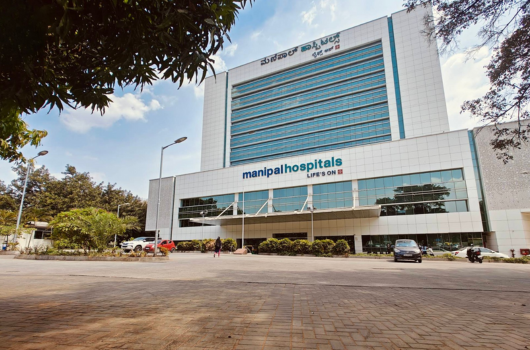
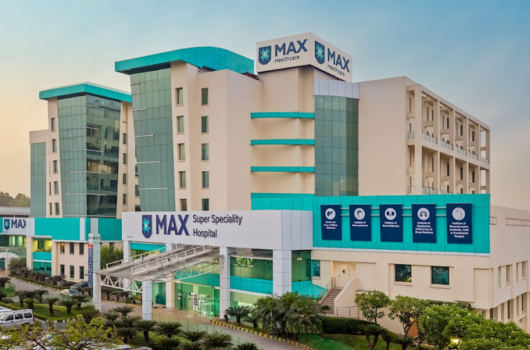
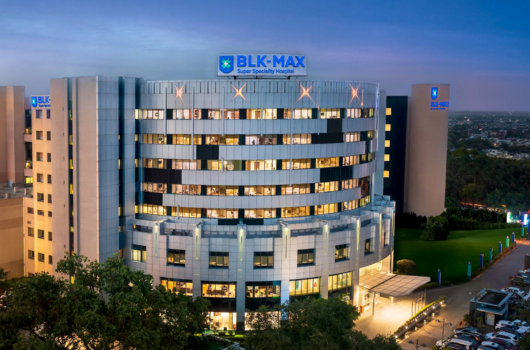
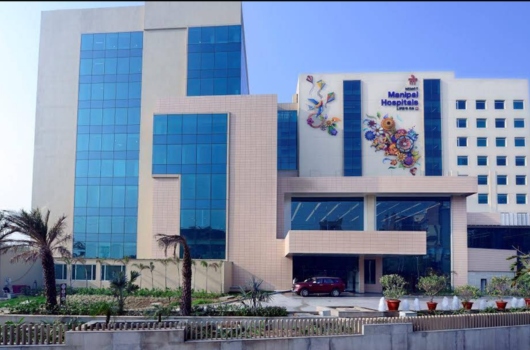
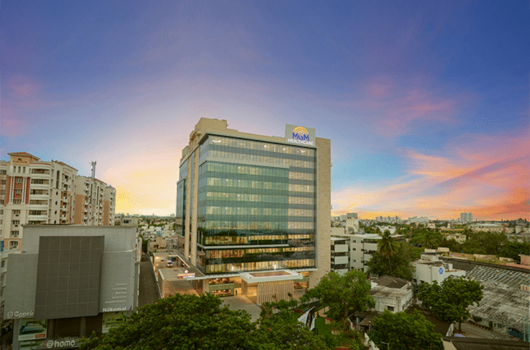
Some of the world’s most advanced hospitals offer specialised care for patients with glioma and other brain tumours. These centres provide comprehensive neurosurgery and neuro-oncology services, including tumour resection surgery, radiation therapy, chemotherapy, and targeted therapy, supported by experienced neurosurgeons and multidisciplinary care teams.
Leading hospitals for glioma treatment include:



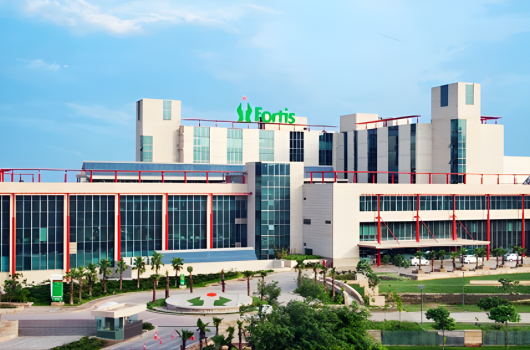

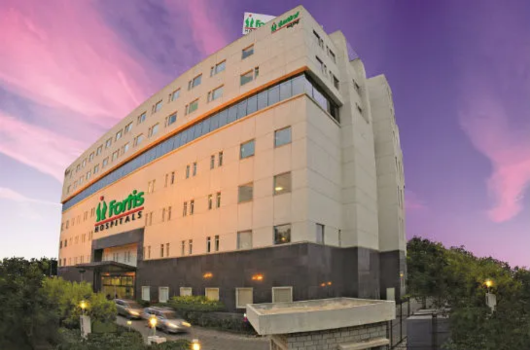
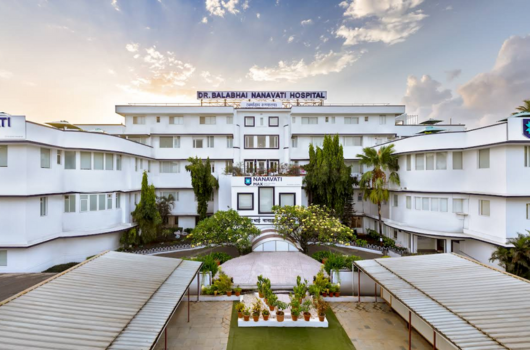
.png)
.png)

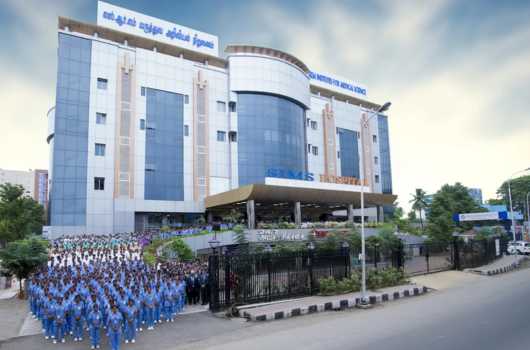
.png)
.png)

These hospitals provide evidence-based treatment protocols, advanced neurosurgical expertise, and coordinated care for international patients seeking treatment for glioma.
The average cost of glioma treatment ranges from $1900 to $5,000 in India and from $7500 to $10,200 in Thailand. The final expense depends on several factors, such as the type and grade of glioma, treatment approach, duration of therapy, and the hospital’s location. Before checking the detailed table of treatment-wise costs, it is essential to understand the main factors that influence glioma treatment expenses.
Several elements can impact the overall cost of glioma treatment:
Note: India has become a preferred destination for advanced treatment, offering world-class care at a fraction of the international cost. Patients benefit from expert doctors, modern medical technology, and affordable access to high-quality generic medicines, making treatment both effective and economical.
Note: Thailand has established itself as a premium destination for any treatment, offering world-class hospitals, advanced technology, and internationally trained specialists. Patients choose Thailand not only for its high-quality medical care but also for its holistic approach, combining clinical excellence with exceptional comfort and service standards.
The above figures are approximate and can vary based on the hospital, location, and individual patient requirements. Always consult the healthcare provider for the most accurate and up-to-date pricing.
The currency conversion rates in the table above are based on data from April 2026.
For a detailed cost estimate and guidance on treatment options, patients can contact myheco to connect with leading hospitals.
Survival depends on the type of brain tumour, its grade, and age.
Astrocytomas:
Oligodendrogliomas:
Leading hospitals adopt a multidisciplinary, patient-focused approach to glioma care with accurate diagnosis, advanced treatments, and holistic support. Their approach includes:
This integrated approach helps control tumour growth, lowers the risk of recurrence and complications, and enhances long-term quality of life for patients with glioma.

Dr Tarang K Vora, Pediatric Neurosurgeon at Apollo Hospitals, Hyderabad, explains that astrocytomas are one of the most common types of brain tumours in children and fall under the broader category of pediatric gliomas. Pediatric brain tumours remain a leading cause of cancer-related illness and mortality in children, making early detection critical.
Symptoms may be subtle and often mimic common childhood illnesses. Key warning signs include recurrent morning vomiting, persistent headaches not linked to infections, confusion, uncontrolled movements, and changes in behaviour or urination. Dr Vora emphasises that timely recognition of these symptoms and consultation with a pediatric neurospecialist is essential for accurate diagnosis and effective management.
Understanding the nuances of gliomas like astrocytomas can significantly improve outcomes and reduce morbidity, highlighting the importance of expert care and early intervention.
Myheco ensures that international patients receive complete support, from connecting with experienced neurosurgeons and neuro-oncology specialists to managing every aspect of their treatment journey. With transparent guidance, expert coordination, and trusted hospital partnerships, myheco helps patients access advanced glioma treatment safely and efficiently.
Choosing myheco means expert care, faster access, and comprehensive support throughout your treatment journey.
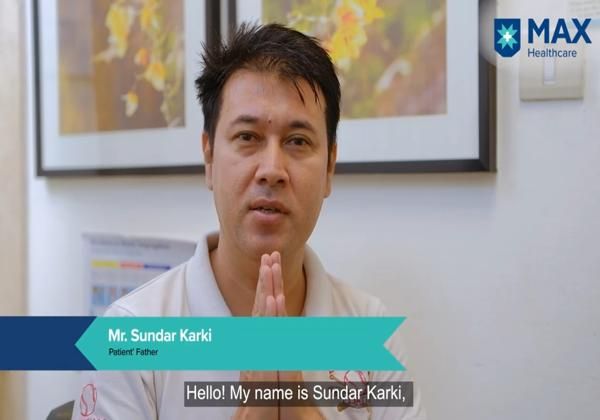
Master Sijan Karki, a young patient from Nepal, was diagnosed with a brainstem glioma. He underwent radiation therapy combined with concurrent oral chemotherapy (thide) using helical tomotherapy, under the care of Dr Dodul Mondal at Max Super Speciality Hospital, Saket. After 6 weeks of treatment, Sijan regained the ability to walk, stand, talk, and eat independently, with around 60-70% of his problems resolved. His life improved significantly following the treatment.
✅ Share your medical reports
✅ Receive personalised treatment plans from leading hospitals
✅ Choose the option that suits you best
✅ Let us handle the arrangements

Gliomas are challenging to cure completely, especially high-grade types. However, surgery, radiotherapy, chemotherapy, and targeted therapies can help control tumour growth, reduce symptoms, and improve survival outcomes.
Treatment depends on the type, grade, and location of the tumour. Options include surgery, radiotherapy (IMRT, stereotactic radiosurgery), chemotherapy, targeted therapy, and in some cases tumour-treating fields (TTF). A combination of therapies is often used for the best results.
Recovery varies depending on the type of treatment. Surgery may require a hospital stay of 5-10 days followed by rehabilitation, while radiotherapy and chemotherapy are delivered in cycles over weeks to months. Ongoing monitoring and follow-up scans are essential.
There is no proven way to prevent gliomas, as their exact cause is not fully understood. Maintaining a healthy lifestyle and regular health checkups can support early detection and timely treatment.
Myheco supports patients by arranging online consultations, connecting with leading neurosurgeons and oncologists, providing detailed cost estimates, issuing medical visa invitation letters, assisting with travel and hospital transfers, and offering multilingual coordination throughout the treatment journey.
India’s leading hospitals for glioma treatment include Manipal Hospital, Apollo Hospital, and Fortis Hospital in Bangalore; Max Hospital, BLK-Max Super Speciality Hospital, Manipal Hospital Dwarka, Medanta – The Medicity, Institute of Brain and Spine (IBS) Hospital, Indraprastha Apollo Hospital, and Fortis Hospital in Delhi; Apollo Proton Cancer Centre (APCC), Apollo Hospital, SIMS Hospital, MGM Healthcare, and Rela Hospital in Chennai; Nanavati Max Super Speciality Hospital, Apollo Hospital, and Fortis Hospital in Mumbai; and Apollo Hospital in Hyderabad. These centres provide advanced neurosurgery, stereotactic radiosurgery, radiation therapy, chemotherapy, and targeted therapy, supported by experienced neurosurgeons and multidisciplinary care teams for comprehensive glioma management.
In Thailand, Samitivej Sukhumvit Hospital in Bangkok is internationally recognised for advanced neurosurgery, radiotherapy, chemotherapy, targeted therapy, and integrated brain tumour care. The hospital also offers structured international patient services, supporting patients travelling from overseas for glioma treatment.


DISCLAIMER: THIS WEBSITE DOES NOT PROVIDE MEDICAL ADVICE
The information, including but not limited to, text, graphics, images and other material contained on this website are for informational purposes only. No material or content on this site is intended to be a substitute for professional medical advice, diagnosis, or treatment. Always seek the advice of your physician or other qualified health care provider with any questions you may have regarding a medical condition or treatment and before undertaking a new health care regimen, and never disregard professional medical advice or delay in seeking it because of something you have read on this website - www.myheco.com

.png)