
Hairy cell leukaemia (HCL) is a rare, slow-growing cancer of B-lymphocytes. Under the microscope, the cells show fine “hair-like” projections. They build up in the bone marrow, spleen, and blood, which lowers normal blood cells and often enlarges the spleen. People may feel tired, get infections, or bruise easily.
HCL treatment uses medical and targeted approaches to control these abnormal cells, restore blood counts, and reduce spleen enlargement. The aim is to prevent infections, ease symptoms, and help patients live longer, healthier lives.
A common misconception is that HCL cannot be treated or always needs urgent chemotherapy. This is not true. Many people are first managed with watchful waiting until treatment is clearly needed, and modern therapy can lead to long remissions.
Doctors decide the best plan based on:
Early diagnosis is important. Timely, appropriate treatment improves recovery, preserves quality of life, and leads to longer remissions.

Hairy cell leukaemia is usually slow-growing, but abnormal cells can build up in the bone marrow and spleen. This reduces healthy blood cells and increases the risk of infections, bleeding, and fatigue. Treatment helps restore blood counts, shrink the spleen, relieve symptoms, and prevent complications. Some people may have relapses after years. Timely care supports long remissions and a better daily life.
The exact cause is not fully understood, but several patterns are well recognised:
Symptoms vary and may be subtle at first. Common features include:
Doctors consider treatment when there is clear evidence that HCL is affecting health or progressing. Typical triggers include:
Starting care at the right time helps stabilise blood counts, lowers the risk of infection, and protects everyday quality of life. Myheco connects patients with accredited hospitals worldwide for expert-led HCL care, clear cost estimates, and seamless coordination from consult to follow-up.
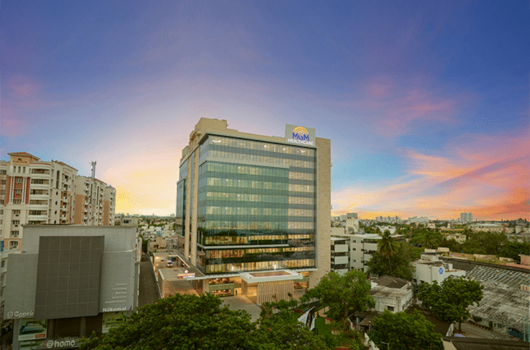
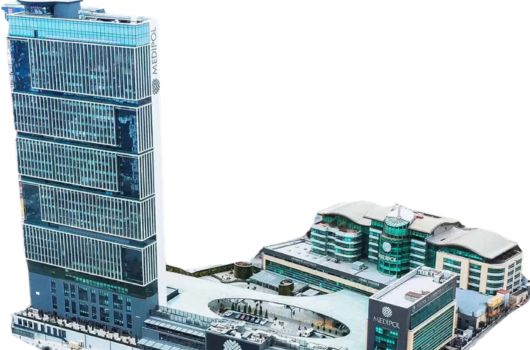
Some of the world’s most advanced cancer hospitals offer specialised care for patients with Hairy Cell Leukaemia (HCL) and other blood cancers. These centres provide comprehensive haematology services, including chemotherapy, immunotherapy, targeted therapy, and supportive care, supported by experienced haematologists and multidisciplinary oncology teams.
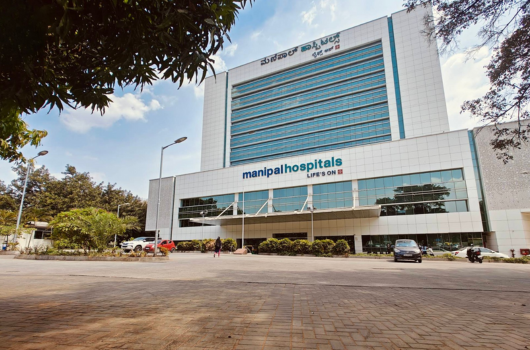
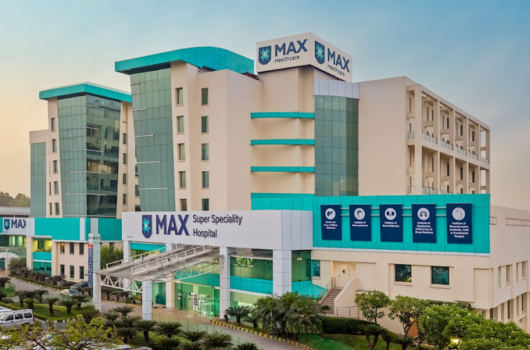
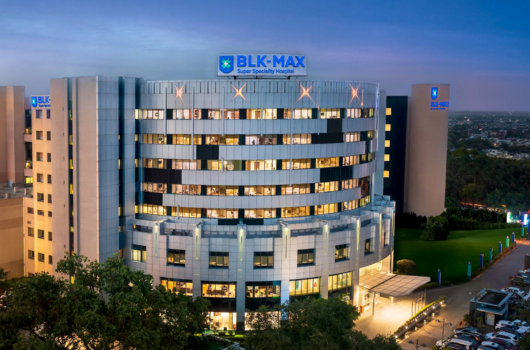
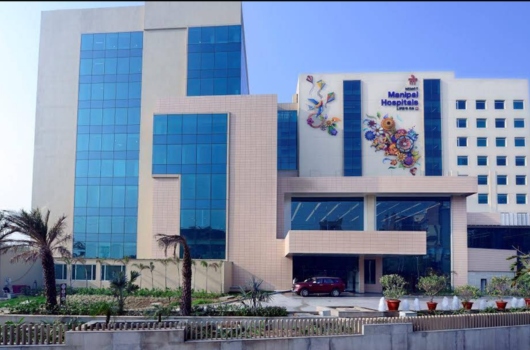
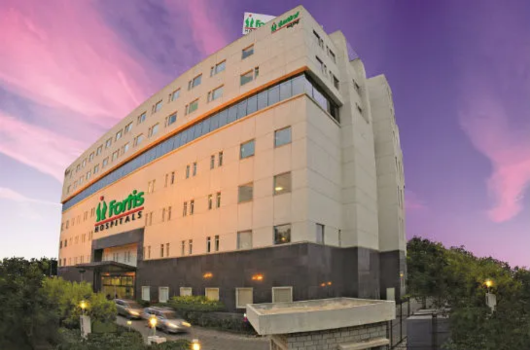
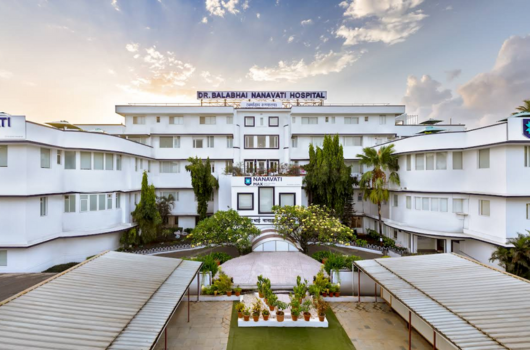
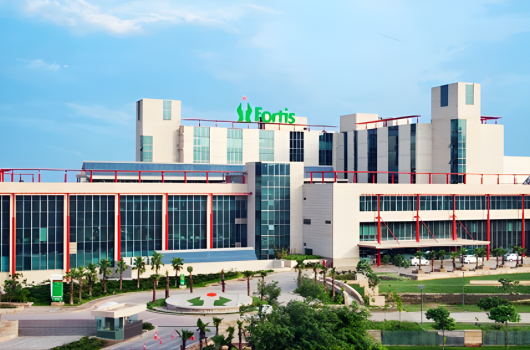
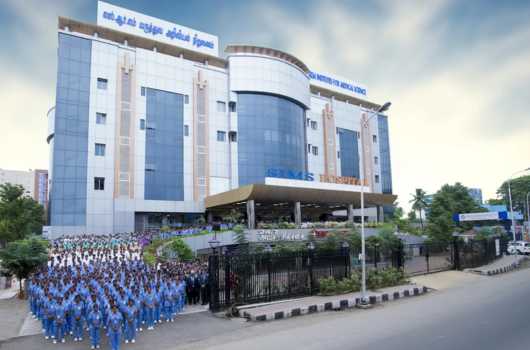
Leading hospitals for Hairy Cell Leukaemia (HCL) care include:


.jpg)


.png)
.png)
%20%E2%80%93%20Banjara%20Hills%2C%20Hyderabad.png)


.png)
.png)
These hospitals provide evidence-based treatment protocols, advanced haematology expertise, and coordinated care for international patients seeking treatment for Hairy Cell Leukaemia (HCL).
The average cost of hairy cell leukaemia (HCL) treatment in India is generally between $2,500 and $9,000, while in Thailand it ranges from $5,500 to $18,000. Actual expenses depend on the treatment plan, drug brand, hospital choice, city, and length of stay. Before viewing the treatment-wise cost tables, it helps to understand the main factors that influence pricing.
Note: India is well-known for offering cost-effective, advanced cancer treatment. Hospitals combine affordability with strong clinical outcomes, supported by skilled oncologists and the widespread availability of generic medicines.
Note: Thailand’s hospitals are often promoted as premium destinations for international patients. Their higher costs reflect the use of advanced imported medicines, luxury infrastructure, and all-inclusive patient care packages.
The costs listed are approximate and may vary based on hospital, location, and patient needs. Consult the healthcare provider for accurate and updated information.
The currency conversion rates in the table above are based on data from April 2026.
For a detailed cost estimate and guidance on treatment options, patients can reach out to myheco to connect with leading hospitals.
Hairy cell leukaemia usually develops slowly and can be kept under control for many years with treatment. Most people can expect a normal length of life. According to Cancer Research UK, survival outcomes for HCL are generally excellent with modern care:
Success in HCL is not only about cure. It includes:
This integrated approach helps achieve high remission rates, reduces the risk of complications, and supports long-term disease control and quality of life for patients with Hairy Cell Leukaemia.
Myheco ensures that international patients receive complete support by connecting them with experienced haematologists and managing every aspect of their treatment journey. With transparent guidance, expert coordination, and trusted hospital partnerships, myheco helps patients access advanced Hairy Cell Leukaemia (HCL) treatment safely and efficiently.
Choosing myheco means expert care, faster access, and comprehensive support throughout your treatment journey.
Note: Myheco does not provide medical advice.
✅ Share your medical reports
✅ Receive personalised treatment plans from leading hospitals
✅ Choose the option that suits you best
✅ Let us handle the arrangements

Persistent tiredness, frequent infections, easy bruising or bleeding, and a feeling of fullness or pain under the left ribs. Unexplained fevers, night sweats, or weight loss also need a check-up. Symptoms can vary between individuals.
With blood tests, flow cytometry, and a bone-marrow examination. Many centres also check for BRAF to guide treatment choices.
No. Doctors often monitor first. Treatment starts when blood counts fall, infections keep returning, or the spleen becomes painful or affects eating, based on individual clinical assessment.
Temporary low counts can raise the risk of infection or bleeding. Teams give prevention advice, prompt antibiotics when needed, and provide close monitoring. Report fever or unusual bleeding immediately. Side effects and recovery can vary between patients.
HCL is highly treatable. Many patients achieve long remissions and resume normal activities. Relapse can happen after years and is usually manageable, with appropriate follow-up care.
For first-line cladribine, many international patients plan a 1-2 week stay for treatment and early monitoring, with later follow-ups done via teleconsults and local labs. The duration may vary depending on individual response and clinical needs.
India’s leading hospitals for Hairy Cell Leukaemia (HCL) treatment include Apollo Proton Cancer Centre (APCC), Apollo Cancer Institute, SIMS Hospital, MGM Healthcare, and Rela Hospital in Chennai; Manipal Hospital, Apollo Hospital, and Fortis Hospital in Bangalore; Max Hospital, BLK-Max Super Speciality Hospital, Manipal Hospital Dwarka, Medanta – The Medicity, Indraprastha Apollo Hospital, and Fortis Hospital in Delhi; Nanavati Max Super Speciality Hospital, Apollo Hospital, and Fortis Hospital in Mumbai; and Apollo Hospital in Hyderabad. These centres provide advanced haematology services, chemotherapy, immunotherapy (including cladribine and rituximab), targeted therapy, and comprehensive supportive care, supported by experienced haematologists and multidisciplinary oncology teams.
In Thailand, Samitivej Sukhumvit Hospital in Bangkok is internationally recognised for advanced haematology care, day-care infusion services, targeted therapies, and comprehensive supportive care. The hospital also offers structured international patient services, supporting patients travelling from overseas for HCL treatment.


DISCLAIMER: THIS WEBSITE DOES NOT PROVIDE MEDICAL ADVICE
The information, including but not limited to, text, graphics, images and other material contained on this website are for informational purposes only. No material or content on this site is intended to be a substitute for professional medical advice, diagnosis, or treatment. Always seek the advice of your physician or other qualified health care provider with any questions you may have regarding a medical condition or treatment and before undertaking a new health care regimen, and never disregard professional medical advice or delay in seeking it because of something you have read on this website - www.myheco.com

.png)