
Intracranial aneurysm clipping is a surgical procedure performed to treat a bulging or weakened area in a brain artery known as an aneurysm. The goal of this surgery is to prevent the aneurysm from rupturing or rebleeding, which can lead to life-threatening brain haemorrhage or stroke.
During the procedure, a neurosurgeon makes a small opening in the skull (craniotomy) to reach the affected blood vessel. A tiny metal clip is then placed across the neck of the aneurysm to stop blood flow into it while allowing normal circulation through the surrounding vessels. This permanently seals the aneurysm and prevents further growth or rupture.
Aneurysm clipping is typically used for patients with ruptured or large, complex, or wide-necked aneurysms that cannot be treated with minimally invasive endovascular procedures like coiling. It provides a durable, long-term solution with a very low risk of aneurysm recurrence.
Compared to other treatment options, clipping offers direct visual control for the surgeon and complete closure of the aneurysm. However, it requires careful planning, advanced imaging, and high surgical expertise to ensure the best outcomes.
With modern microsurgical tools, intraoperative imaging, and neuronavigation, intracranial aneurysm clipping has become a highly safe and effective treatment option. Patients generally experience significant improvement in recovery and long-term protection from rebleeding. Understanding how this procedure works, its benefits, and the recovery process helps patients and families make informed decisions about aneurysm care.

People may need intracranial aneurysm clipping when they have a brain aneurysm that poses a high risk of rupture or has already ruptured, causing bleeding in the brain (subarachnoid haemorrhage). Clipping is performed to permanently block blood flow into the aneurysm, preventing it from bursting or rebleeding. Intracranial aneurysm clipping is crucial for preventing life-threatening complications such as stroke, brain damage, or death caused by aneurysm rupture.
Intracranial aneurysm clipping is not a disease itself but a surgical treatment used to manage brain aneurysms, abnormal bulges or ballooning in the walls of brain arteries. These aneurysms can rupture and cause bleeding in the brain, which requires urgent medical intervention. Common causes and risk factors include:
Symptoms depend on whether the aneurysm is unruptured or has ruptured. Many small aneurysms cause no symptoms until they grow large or leak. Common signs include:
Recognising these warning signs early and seeking prompt medical attention can help prevent life-threatening complications.
Surgery for intracranial aneurysm clipping is recommended when an aneurysm poses a high risk of rupture or has already ruptured, causing bleeding in the brain (subarachnoid haemorrhage). It is also considered when the aneurysm is large, irregular in shape, or causing symptoms such as severe headaches, vision problems, or nerve compression. Early surgical intervention prevents life-threatening complications like rebleeding, stroke, or brain damage.
A precise diagnosis is vital before deciding on surgery. Neurosurgeons use advanced imaging tests to locate and assess the aneurysm’s size, shape, and risk of rupture. Common diagnostic methods include:
Early diagnosis allows doctors to determine the safest and most effective treatment approach. If you or a loved one experiences sudden, severe headaches, visual changes, or neurological symptoms, myheco can help connect you with experienced neurosurgeons at top hospitals for expert evaluation and timely care.
Some of the world’s most advanced neurosurgery hospitals offer specialised care for patients with intracranial aneurysms, which require precise and timely intervention. These centres provide comprehensive neurovascular care, including microsurgical aneurysm clipping, endovascular procedures, advanced neuroimaging, and intraoperative monitoring, supported by experienced neurosurgeons, neurointerventional specialists, and multidisciplinary teams. They also offer neurocritical care, rehabilitation, and international patient services to ensure optimal outcomes and continuity of care.
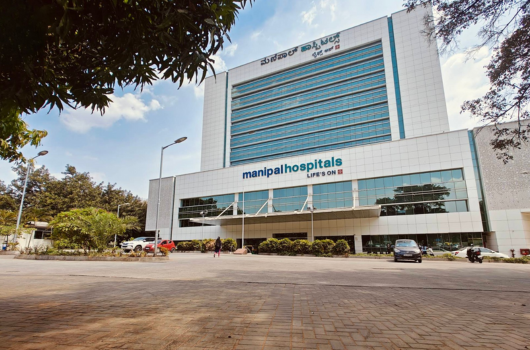
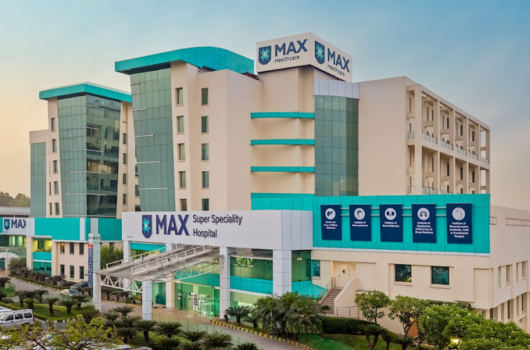
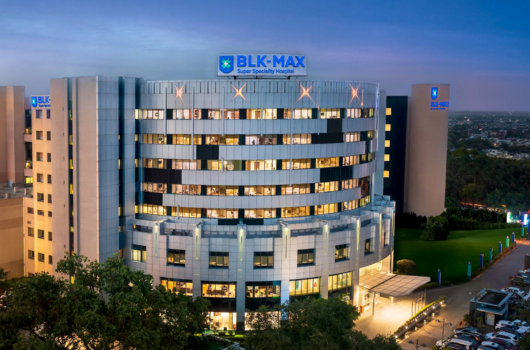
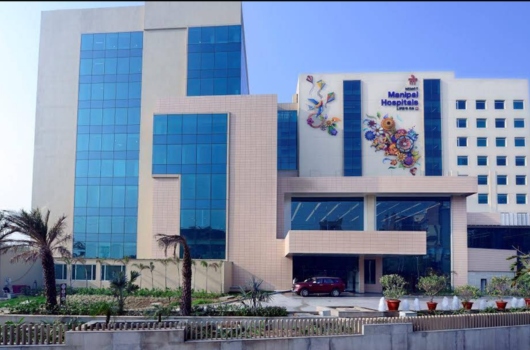
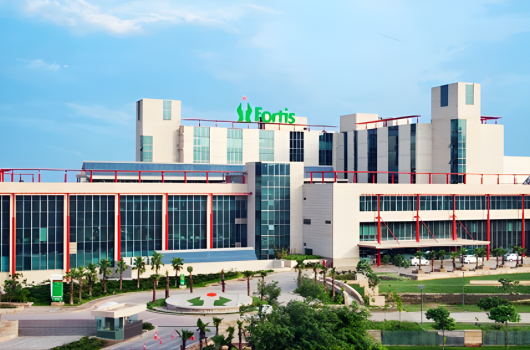
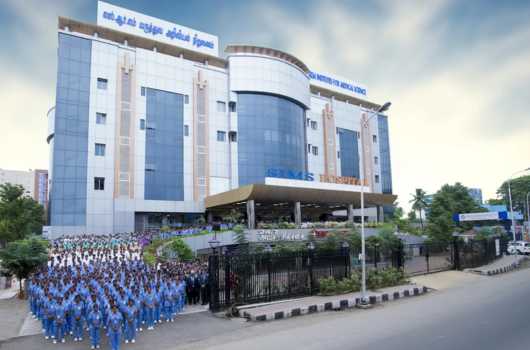
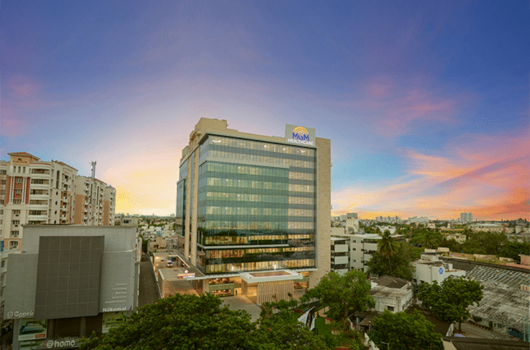
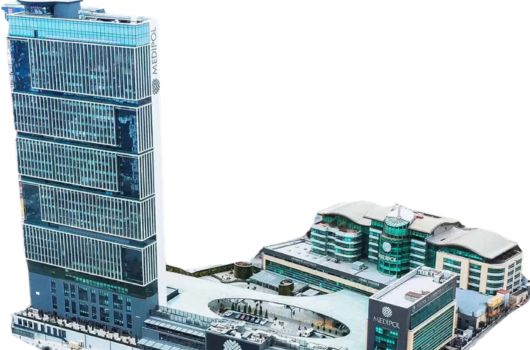
Leading hospitals for intracranial aneurysm clipping include:






.png)
.png)

.png)
.png)
These hospitals follow evidence-based treatment protocols, offer access to advanced neurovascular technologies, and provide coordinated care for international patients seeking intracranial aneurysm clipping.
The average cost of intracranial aneurysm clipping ranges from $9,500 to $15,000 in India and from $18,500 to $30,000 in Thailand. The overall cost depends on several factors, including the aneurysm’s size and location, whether it has ruptured, the complexity of the surgery, hospital facilities, and the patient’s recovery requirements. Before exploring detailed hospital-wise expenses, it is important to understand the main factors influencing aneurysm clipping costs.
Understanding these factors helps patients estimate treatment costs accurately and make informed financial decisions.
Note: India has become a preferred destination for advanced treatment, offering world-class care at a fraction of the international cost. Patients benefit from expert doctors, modern medical technology, and affordable access to high-quality generic medicines, making treatment both effective and economical.
Note: Thailand has established itself as a premium destination, offering world-class hospitals, advanced technology, and internationally trained specialists. Patients choose Thailand not only for its high-quality medical care but also for its holistic approach, combining clinical excellence with exceptional comfort and service standards.
The above figures are approximate and can vary based on the hospital, location, and individual patient requirements. Always consult the healthcare provider for the most accurate and up-to-date pricing.
The currency conversion rates in the table above are based on data from April 2026.
For a detailed cost estimate and guidance on treatment options, patients can contact myheco to connect with leading hospitals.
In a study involving 148 unruptured aneurysms in 116 patients, Surgical clipping of unruptured intracranial aneurysms shows excellent outcomes, with a 96.6% success rate, 0.8% mortality, and 3.4% permanent morbidity. Most patients (95%) recover well within three months, and follow-up scans show no residual aneurysms. Compared to the 10-year natural risk of rupture and severe complications (7.5% or higher), clipping offers a significantly safer and more durable outcome.
For intracranial aneurysm clipping, success is measured by:
Top hospitals adopt a comprehensive and safety-focused approach to intracranial aneurysm clipping, combining precision imaging, advanced microsurgical techniques, and multidisciplinary neurocritical care. Their approach includes:
This structured, multidisciplinary approach ensures the aneurysm is completely secured, brain function is preserved, and the patient achieves the best possible recovery after intracranial aneurysm clipping.

Dr Sharad Rajamani, Consultant Neurosurgeon at Manipal Hospitals Whitefield, highlights the rising incidence of intracranial aneurysms in India, linked to lifestyle factors like hypertension, smoking, and binge drinking. Early detection through CT angiography and timely treatment are crucial to prevent life-threatening rupture and neurological damage.
According to Dr Rajamani, treatment includes surgical clipping or endovascular coiling, depending on aneurysm size and condition. Treating unruptured aneurysms offers safer outcomes. He strongly advises lifestyle modifications, especially controlling blood pressure, quitting smoking, and limiting alcohol, to significantly lower the risk of aneurysm formation and rupture.
From connecting patients with top neurosurgeons to arranging online consultations and personalised treatment plans, myheco ensures a smooth and well-coordinated medical journey for international patients. Myheco manages all logistics and support while guiding the patients.
Choosing myheco means expert care, faster access, and comprehensive support throughout your treatment journey.
Note: Myheco does not provide medical advice.
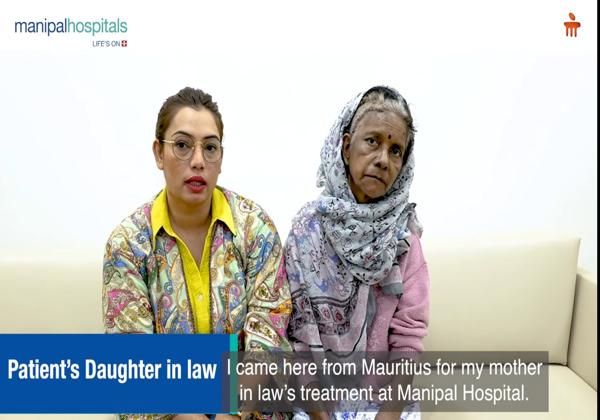
Mauritius patient Ms Saraswatee Poorun, once bedridden due to a brain aneurysm, regained full mobility after successful surgical clipping at Manipal Hospital, Baner, Pune. Under the care of Dr Amit Dhakoji and his neurovascular team, she made a remarkable recovery and now leads a normal, independent life.

Mrs Maryam Abdulwahab from Nigeria underwent successful brain aneurysm clipping at Max Hospital, Saket, under Dr Arun Saroha. After suffering from severe headaches and dizziness, she recovered quickly post-surgery, walking the next day without symptoms. Her family expressed heartfelt gratitude for the expert care and compassionate support received.
✅ Share your medical reports
✅ Receive personalised treatment plans from leading hospitals
✅ Choose the option that suits you best
✅ Let us handle the arrangements

Patients with brain aneurysms that are large, wide-necked, ruptured, or at high risk of rupture may be suitable for clipping. Your neurosurgeon will evaluate aneurysm size, location, and overall health before recommending this microsurgical procedure.
Potential risks include bleeding, stroke, infection, neurological deficits, vasospasm, or seizures. With careful planning, intraoperative monitoring, and advanced imaging, most complications can be minimised.
Hospital stay usually ranges from 7 to 14 days, depending on the aneurysm’s complexity and whether it has ruptured. Full recovery, including neurological rehabilitation, may take several weeks to a few months.
Neurosurgeons use neuronavigation, intraoperative angiography, and monitoring to protect surrounding brain tissue and blood vessels. Most patients recover without permanent deficits, though temporary weakness, vision changes, or cognitive issues can occur.
Yes. Depending on aneurysm type and patient condition, clipping may be combined with endovascular procedures like coiling or followed by neurorehabilitation and medications to manage blood pressure and prevent complications.
Myheco connects patients with expert neurosurgeons, arranges online consultations, provides travel and visa support, ensures transparent cost estimates, and guides patients through every step, from preoperative planning to postoperative care and rehabilitation.
India’s leading hospitals for intracranial aneurysm clipping include Manipal Hospital, Apollo Hospital, and Fortis Hospital in Bangalore; Max Hospital, Saket, BLK-Max Super Speciality Hospital, Manipal Hospital Dwarka, Medanta – The Medicity, Institute of Brain and Spine (IBS) Hospital, Indraprastha Apollo Hospital, and Fortis Hospital in Delhi; Apollo Proton Cancer Centre (APCC), Apollo Hospital, SIMS Hospital, MGM Healthcare, and Rela Hospital in Chennai; Nanavati Max Super Speciality Hospital, Apollo Hospital, and Fortis Hospital in Mumbai; and Apollo Hospital in Hyderabad. These centres provide advanced microsurgical aneurysm clipping, endovascular procedures, high-resolution neuroimaging, intraoperative monitoring, and comprehensive neurocritical care, supported by experienced neurosurgeons and multidisciplinary neurovascular teams.
In Thailand, Samitivej Sukhumvit Hospital in Bangkok is internationally recognised for advanced neurovascular surgery, microsurgical aneurysm clipping, endovascular treatments, precision imaging, and integrated multidisciplinary care. The hospital also offers structured international patient services, supporting patients travelling from overseas for specialised treatment.


DISCLAIMER: THIS WEBSITE DOES NOT PROVIDE MEDICAL ADVICE
The information, including but not limited to, text, graphics, images and other material contained on this website are for informational purposes only. No material or content on this site is intended to be a substitute for professional medical advice, diagnosis, or treatment. Always seek the advice of your physician or other qualified health care provider with any questions you may have regarding a medical condition or treatment and before undertaking a new health care regimen, and never disregard professional medical advice or delay in seeking it because of something you have read on this website - www.myheco.com

.png)