
Lung Adenocarcinoma Treatment refers to the medical management of Lung Adenocarcinoma, a common subtype of Non-Small Cell Lung Cancer (NSCLC). This cancer develops in the glandular cells of the lungs that produce mucus and other fluids. It often begins in the outer regions of the lungs and may grow silently before causing noticeable symptoms.
Treatment is designed to remove, destroy, or control cancer cells while preserving as much healthy lung tissue as possible. Depending on the stage and characteristics of the tumour, treatment may involve surgery, chemotherapy, targeted therapy, immunotherapy, radiation therapy, or a combination of these approaches.
A common misconception is that lung cancer only affects smokers. While smoking is a major risk factor, lung adenocarcinoma is also frequently diagnosed in non-smokers, especially women and individuals exposed to environmental pollutants or genetic mutations.
Doctors carefully evaluate several factors before recommending treatment:
Treatment is often personalised. For example, early-stage disease may be treated primarily with surgery, while advanced-stage cancer may require targeted therapy or immunotherapy. Genetic testing plays a major role in modern treatment planning, helping doctors select therapies that specifically target cancer-driving mutations.
Early diagnosis significantly improves outcomes. When detected at an early stage, treatment may aim for complete removal of the tumour and long-term remission. In later stages, treatment focuses on controlling the disease, reducing symptoms, and extending survival while maintaining quality of life.

Lung adenocarcinoma is a progressive cancer. Without appropriate treatment, the tumour can grow, invade surrounding lung tissue, and spread (metastasise) to other organs such as the brain, liver, bones, or adrenal glands.
If left untreated, patients may experience worsening respiratory symptoms, including persistent cough, shortness of breath, chest pain, and fatigue. As the disease advances, complications such as pleural effusion (fluid around the lungs), severe breathing difficulty, or organ dysfunction may occur.
Untreated cancer can significantly impact quality of life. Patients may struggle with daily activities due to breathlessness or weakness. Emotional stress and anxiety are also common, particularly when symptoms interfere with independence.
Long-term health implications include:
Timely treatment helps control tumour growth, prevent spread, relieve symptoms, and improve survival. In some early cases, treatment may achieve remission. In advanced cases, therapy can help patients live longer with improved symptom control and better overall well-being.
Understanding the causes and risk factors helps in early detection and prevention.
Symptoms may vary depending on disease stage, and early recognition improves treatment outcomes.
If you experience persistent respiratory symptoms or unexplained changes in health, seek medical evaluation promptly.
Treatment decisions are based on clinical findings, symptom severity, and overall patient health.
Early diagnosis and timely treatment can significantly reduce complications and improve long-term outcomes for patients with Lung Adenocarcinoma (Non-Small Cell Lung Cancer - NSCLC). Myheco helps patients connect with leading international hospitals and experienced oncology specialists for advanced and coordinated cancer care.
Treatment outcomes may vary depending on disease stage, genetic mutations, overall health, and other clinical factors.
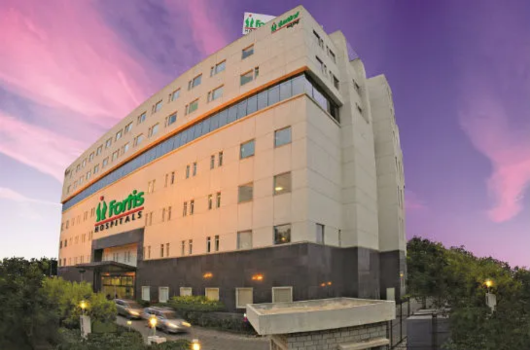
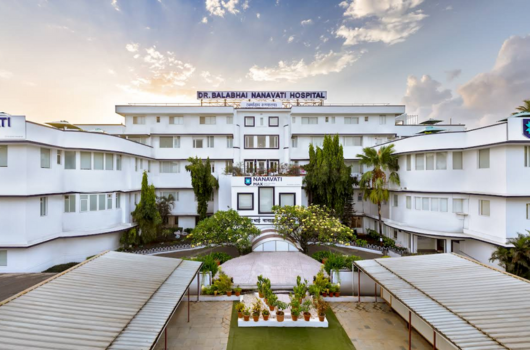
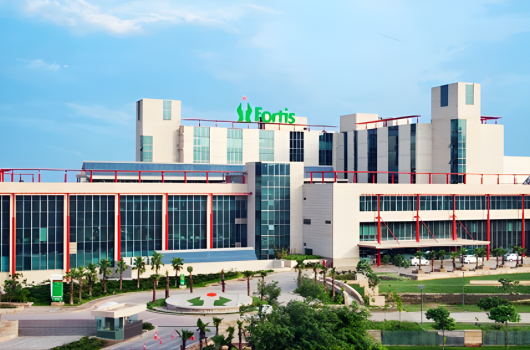
Some of the world’s most advanced cancer hospitals offer specialised care for patients with Lung Adenocarcinoma (Non-Small Cell Lung Cancer - NSCLC) and other thoracic malignancies. These centres provide comprehensive oncology services, including precision diagnostics, targeted therapy, immunotherapy, advanced chemotherapy protocols, minimally invasive thoracic surgery, and precision radiation therapy where clinically appropriate. Care is delivered by experienced medical oncologists, thoracic surgeons, radiation oncologists, pulmonologists, and multidisciplinary tumour boards.
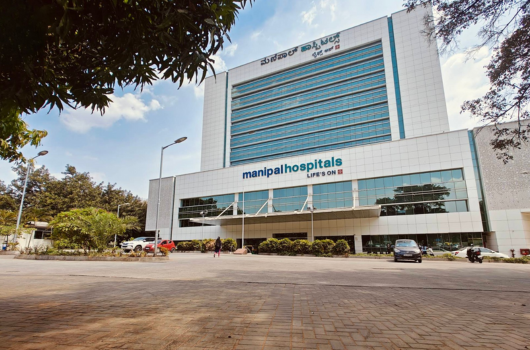
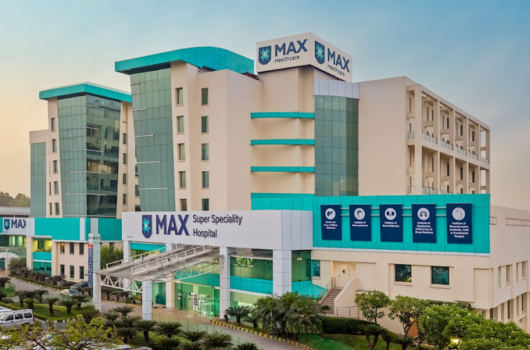
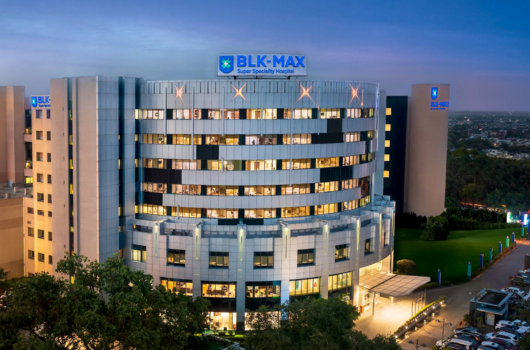
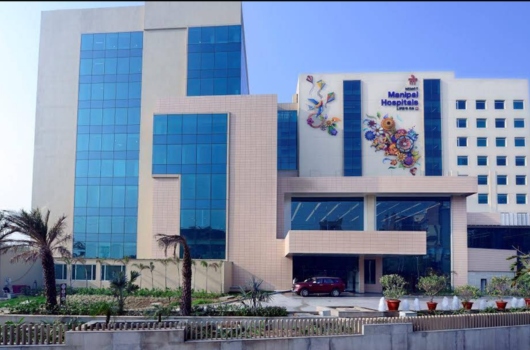
Leading hospitals for Lung Adenocarcinoma care include:


.jpg)


.png)
.png)
%20%E2%80%93%20Banjara%20Hills%2C%20Hyderabad.png)
.png)

.png)
.png)

These hospitals provide evidence-based treatment protocols, advanced diagnostic facilities, and coordinated multidisciplinary care for international patients seeking Lung Adenocarcinoma treatment.
The average cost of Lung Adenocarcinoma Treatment typically falls between $1,700 and $6,700 in India and from $12,200 and $13,500 in Thailand for lobectomy (lung cancer surgery). However, the exact amount can differ depending on factors such as the type of treatment, the hospital’s location, and the stage or complexity of the condition. Before exploring the detailed cost breakdown by treatment, it’s useful to understand the main elements that influence these expenses.
Note: India has become a preferred destination for advanced treatment, offering world-class care at a fraction of the international cost. Patients benefit from expert specialists, modern medical technology, and cost-effective access to high-quality care.
Note: Thailand has established itself as a premium destination for advanced treatment, offering world-class hospitals, cutting-edge technology, and internationally trained specialists. Patients choose Thailand not only for high-quality care but also for its holistic and patient-focused service standards.
The above figures are approximate and can vary based on the hospital, location, and individual patient requirements. Always consult the healthcare provider for the most accurate and up-to-date pricing.
The currency conversion rates in the table above are based on data from April 2026.
For a detailed cost estimate and guidance on treatment options, patients can contact myheco to connect with leading hospitals specialising in Lung Adenocarcinoma (Non-Small Cell Lung Cancer - NSCLC) care.
How long can someone live with Lung Adenocarcinoma (a subtype of Non-Small Cell Lung Cancer - NSCLC)? Survival depends mainly on the stage at diagnosis, tumour biology, overall health, and response to treatment.
Since lung adenocarcinoma is the most common subtype of NSCLC, survival statistics are reported for NSCLC as a group.
According to the American Cancer Society, based on data from the SEER (Surveillance, Epidemiology, and End Results) database, the 5-year relative survival rates for NSCLC diagnosed between 2015 and 2021 are:
These survival rates are based on the stage at the time of diagnosis.
A 5-year relative survival rate compares people with the same type and stage of cancer to the general population. It provides an estimate but does not predict individual outcomes.
Advances in targeted therapy and immunotherapy continue to improve outcomes beyond historical data.
These figures reinforce the importance of early detection and timely, personalised treatment.
One of the most common questions is whether lung adenocarcinoma can be cured. The answer depends on the stage at diagnosis and how early treatment begins. Early-stage disease may be treated with curative intent, while advanced-stage disease is often managed as a chronic condition.
In Lung Adenocarcinoma treatment, “success” can mean:
Leading cancer hospitals follow evidence-based protocols and multidisciplinary approaches to improve outcomes for patients with Lung Adenocarcinoma.
With comprehensive care and modern therapies, many patients today achieve better disease control and improved long-term outcomes compared to previous decades.

Dr. Niti Krishna Raizada, Principal Director, Medical Oncology & Haemato-Oncology, Fortis Hospital, Bangalore, explains that lung adenocarcinoma often involves specific genetic mutations such as EGFR, particularly in the Indian population. Identifying these mutations through molecular testing allows doctors to select targeted therapies that respond well in eligible patients. She emphasises that treatment should be chosen based on tumour biology and that therapies with activity in the central nervous system are important, as lung cancer can sometimes spread to the brain. Early molecular profiling helps improve survival outcomes and overall quality of life.
Myheco ensures that international patients receive complete support, from connecting with leading oncology specialists to managing every aspect of their medical journey. With transparent guidance, expert coordination, and trusted hospital partnerships, myheco helps patients access advanced Lung Adenocarcinoma (Non-Small Cell Lung Cancer - NSCLC) treatment safely and efficiently.
Choosing myheco means receiving expert medical connections, smooth coordination, and trusted guidance for every step of your Lung Adenocarcinoma treatment journey.
Note: Myheco does not provide medical advice.
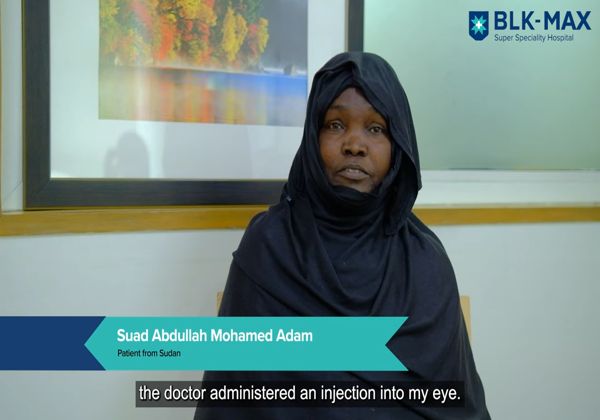
Ms. Saud Abdullah Mohammed, a 48-year-old patient from Sudan, was diagnosed with advanced lung adenocarcinoma after experiencing severe headaches, blurred vision, and a persistent cough. Further evaluation revealed that the cancer had spread to the brain, bones, and the posterior part of the eye. At the time of admission, she was unable to walk independently and had significant neurological symptoms.
A biopsy confirmed adenocarcinoma of the lung. The medical team initiated radiation therapy for brain metastases and conducted molecular testing to identify potential driver mutations. Based on clinical assessment, she was started on oral targeted therapy instead of chemotherapy. Over time, her symptoms improved significantly, headaches reduced, and she regained mobility.
Her case demonstrates that even advanced-stage Lung Adenocarcinoma can be effectively managed with personalised treatment and timely intervention.
✅ Share your medical reports
✅ Receive personalised treatment plans
✅ Choose the option that suits you best
✅ Let us handle the arrangements

Treatment is generally considered safe when performed in specialised oncology centres with experienced cancer specialists. However, safety depends on the treatment type, disease stage, and the patient’s overall health. A qualified oncologist should evaluate each case and recommend the most appropriate treatment plan.
Recovery after lung cancer surgery may take 4–8 weeks, depending on the procedure performed, such as lobectomy or minimally invasive thoracic surgery. Recovery time may vary based on the patient’s overall health, lung function, and post-operative care.
Yes, in some cases targeted therapy or immunotherapy may be used instead of chemotherapy. These treatments are typically recommended when genetic testing identifies specific mutations in the tumour. A cancer specialist will determine the most suitable treatment approach.
Hospital stay after lung cancer surgery usually ranges from 5-10 days, depending on the surgical technique and recovery progress. Non-surgical treatments such as chemotherapy, targeted therapy, or immunotherapy are often administered on an outpatient basis.
Possible risks may include infection, fatigue, nausea, breathing difficulties, or lung-related complications. Oncology teams monitor patients closely to manage side effects, but the risks and benefits of treatment should always be discussed with the treating doctor.
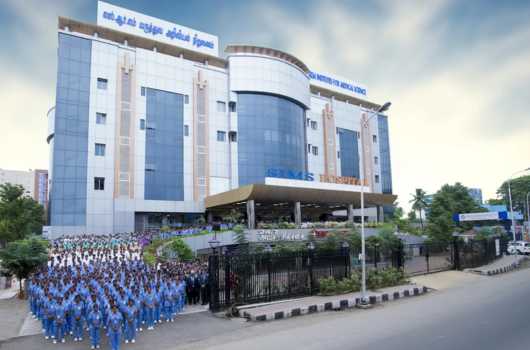
India’s leading hospitals for Lung Adenocarcinoma treatment include Apollo Proton Cancer Centre, Apollo Cancer Institute, SIMS Hospital, MGM Healthcare, and Rela Hospital in Chennai; Manipal Hospital, Apollo Hospital, and Fortis Hospital in Bangalore; Max Hospital, BLK-Max Super Speciality Hospital, Manipal Hospital Dwarka, Medanta – The Medicity, Indraprastha Apollo Hospital, Apollo Athena Women’s Cancer Hospital, and Fortis Hospital in Delhi; Nanavati Max Super Speciality Hospital, Apollo Hospital, and Fortis Hospital in Mumbai; and Apollo Hospital and Asian Institute of Nephrology & Urology (AINU) in Hyderabad. These centres provide multidisciplinary oncology care, advanced diagnostics, targeted therapy, minimally invasive thoracic surgery, and precision radiation therapy for lung cancer management.
In Thailand, Samitivej Sukhumvit Hospital in Bangkok is internationally recognised for comprehensive oncology services, advanced imaging technologies, targeted therapy, and integrated cancer care. Both hospitals also provide structured international patient services, supporting patients travelling from overseas for specialised treatment.
Myheco helps international patients connect with trusted cancer hospitals and experienced oncology specialists. The platform assists with hospital coordination, medical opinions, visa guidance, travel arrangements, and treatment cost estimates, helping patients navigate the process of seeking treatment abroad more smoothly.


DISCLAIMER: THIS WEBSITE DOES NOT PROVIDE MEDICAL ADVICE
The information, including but not limited to, text, graphics, images and other material contained on this website are for informational purposes only. No material or content on this site is intended to be a substitute for professional medical advice, diagnosis, or treatment. Always seek the advice of your physician or other qualified health care provider with any questions you may have regarding a medical condition or treatment and before undertaking a new health care regimen, and never disregard professional medical advice or delay in seeking it because of something you have read on this website - www.myheco.com

.png)