
Marginal zone lymphoma treatment focuses on controlling the growth of abnormal B-cells in the lymphatic system and managing symptoms. Treatment options typically include chemotherapy, immunotherapy, targeted therapy, radiation, and, in some cases, stem cell transplant.
MZL is a slow-growing type of non-Hodgkin lymphoma that originates in the marginal zone of lymphoid tissue. The abnormal B-cells multiply slowly but can accumulate in lymph nodes, spleen, or mucosal tissues, causing symptoms such as swollen lymph nodes, fatigue, fever, and unexplained weight loss.
A common misconception is that MZL always progresses rapidly. In reality, it is an indolent (slow-growing) lymphoma, and many patients may live years without aggressive treatment.
The main types of MZL include:
Doctors design a treatment plan based on the subtype of MZL, the extent and location of lymphoma, genetic or molecular markers in cancer cells and the patient’s age, health, and symptoms
The goal of treatment is to control disease progression, relieve symptoms, and maintain quality of life. Early diagnosis and tailored therapy significantly improve outcomes.

Marginal Zone Lymphoma treatment is necessary to control the abnormal growth of B-cells and prevent the disease from spreading to other parts of the body. Though often slow-growing, untreated, it can progress over time and affect the lymph nodes, spleen, or other organs, leading to complications such as infections, anaemia, or organ damage. Proper treatment helps manage symptoms, slow disease progression, and improve long-term survival.
The exact cause of marginal zone lymphoma is not fully understood, but several factors can increase the risk:
Early detection and personalised treatment can effectively manage Marginal Zone Lymphoma and help maintain a good quality of life.
Marginal zone lymphoma symptoms often appear gradually and may be mistaken for other health issues. Common warning signs include:
Doctors recommend starting MZL treatment when:
Early evaluation and timely treatment help manage symptoms, control disease progression, and improve long-term outcomes. Patients can connect with myheco for guidance on world renowned hospitals, lymphoma specialists, and personalised treatment options.
Many leading hospitals around the world offer specialised care for patients with marginal zone lymphoma. These centres bring together expert haematologists, oncologists, and bone marrow transplant specialists, supported by advanced diagnostic facilities and personalised treatment programmes.
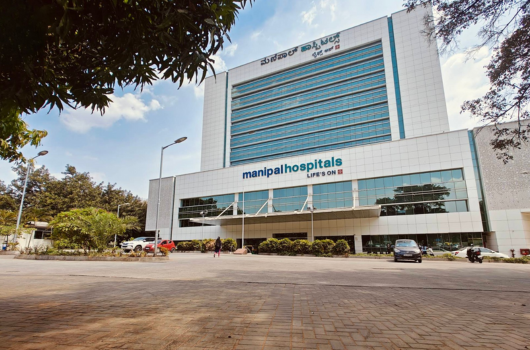
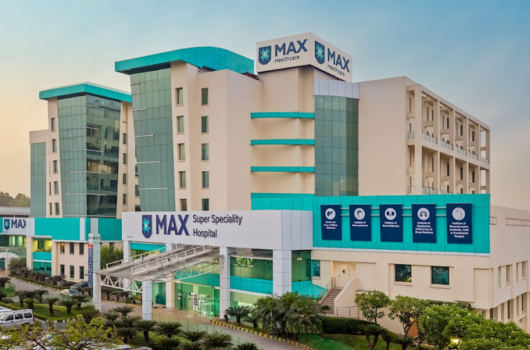
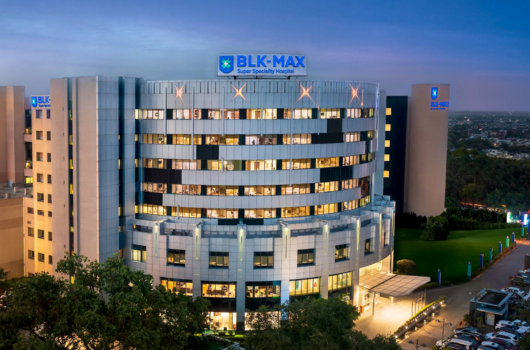
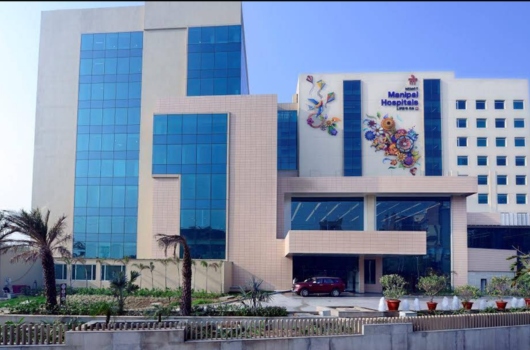
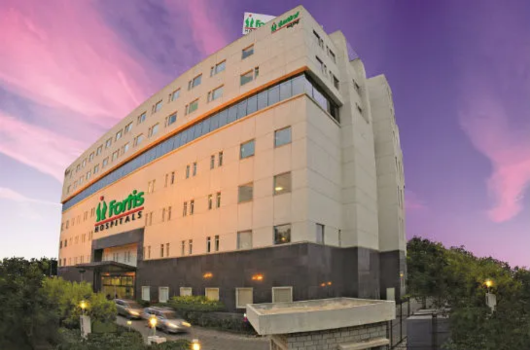
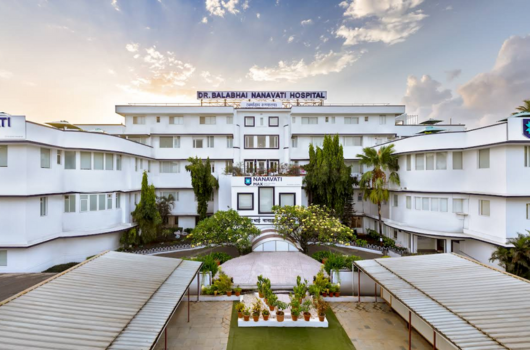
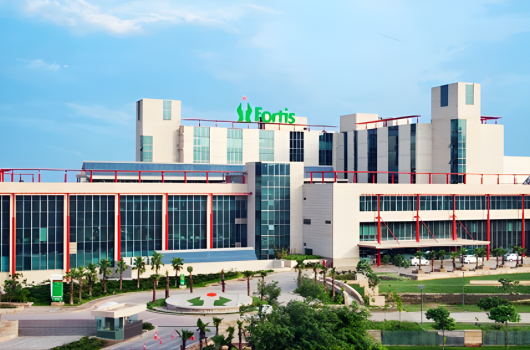
Some of the leading hospitals for MZL treatment include:


.jpg)


.png)
.png)
%20%E2%80%93%20Banjara%20Hills%2C%20Hyderabad.png)
.png)
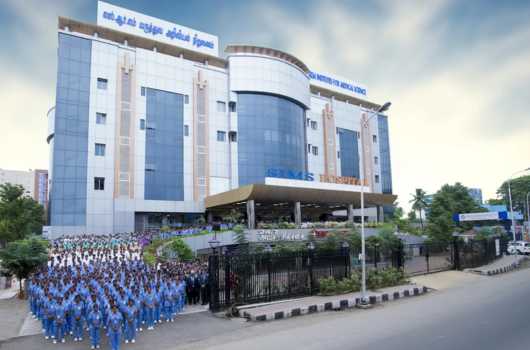
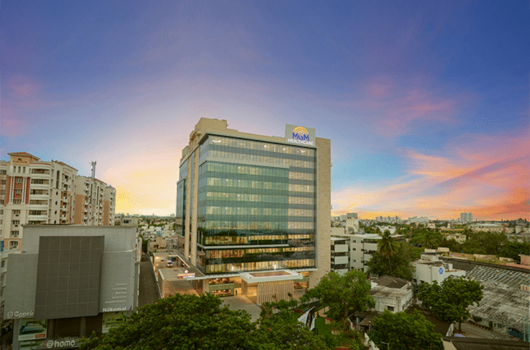
.png)
.png)
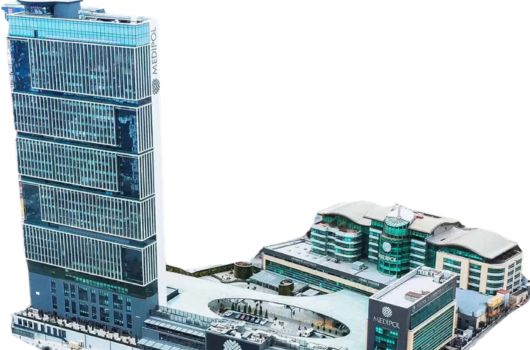
These hospitals follow international protocols for marginal zone lymphoma (MZL) treatment and are equipped to support patients through every stage, from accurate diagnosis and staging to immunotherapy, targeted therapy, radiation, and long-term follow-up care.
The average cost of marginal zone lymphoma (MZL) treatment ranges from $2,200 to $6,400 in India and from $2,700 to $11,400 in Thailand. The total expense can vary based on the subtype of MZL, stage of the disease, hospital selection, duration of treatment, and the need for advanced therapies such as targeted drugs or stem cell transplantation.
Before reviewing the treatment-wise cost table, it is important to understand the key factors that influence the overall expense, including diagnostic tests, hospital stay, medication type, and post-treatment care.
Several factors can affect the total cost of MZL treatment:
Early diagnosis and a tailored treatment plan can significantly improve outcomes and help manage costs effectively.
Note: India has become a preferred destination for advanced cancer treatment, offering world-class care at a fraction of the international cost. Patients benefit from expert oncologists, modern medical technology, and affordable access to high-quality generic medicines, making treatment both effective and economical.
Note: Thailand has established itself as a premium destination for cancer treatment, offering world-class hospitals, advanced technology, and internationally trained oncologists. Patients choose Thailand not only for its high-quality medical care but also for its holistic approach, combining clinical excellence with exceptional comfort and service standards.
The above figures are approximate and can vary based on the hospital, location, and individual patient requirements. Always consult the healthcare provider for the most accurate and up-to-date pricing.
The currency conversion rates in the table above are based on data from March 2026.
Treatment costs vary depending on the lymphoma subtype, stage, therapy plan, number of treatment cycles, and hospital policies. The listed ranges are general estimates and individual expenses may differ.
For a detailed cost estimate and guidance on treatment options, patients can contact myheco to connect with leading hospitals.
Marginal zone lymphoma (MZL) is generally an indolent disease with favourable outcomes. Among its subtypes, extranodal MZL (MALT lymphoma) accounts for 70% of cases and has a five-year survival rate of 88.7%. Splenic MZL (SMZL) represents 10% of cases with a five-year survival of 79.7%, while nodal MZL (NMZL) makes up 20% of cases and has a five-year survival of 76.5%. Histologic transformation to a more aggressive lymphoma occurs in about 7.5% of cases, most commonly from EMZL (73.5%), followed by NMZL (14.7%). These numbers highlight the generally favourable prognosis of MZL, though outcomes can vary depending on sub-type and disease extent.
These survival figures are based on clinical studies and population data. Individual outcomes may vary depending on lymphoma sub-type, disease stage, treatment response, and overall health.
Trusted hospitals provide patient-focused care with accurate diagnosis, personalised treatment plans, and ongoing support. Their approach includes:
This integrated approach helps control disease progression, lowers the risk of relapse, and improves long-term survival and quality of life for patients with marginal zone lymphoma.
Myheco helps international patients access world-class medical care by connecting them with experienced specialists, guiding them through treatment planning, and coordinating every step of their healthcare journey. Myheco ensures patients receive personalised, seamless, and transparent support at every stage.
Choosing myheco means expert care, faster access, and comprehensive support throughout your treatment journey.
Note: Myheco does not provide medical advice.
✅ Share your medical reports
✅ Receive personalised treatment plans from leading hospitals
✅ Choose the option that suits you best
✅ Let us handle the arrangements

MZL is generally an indolent (slow-growing) lymphoma. While it may not always be completely curable, many patients achieve long-term disease control and excellent quality of life with timely and appropriate treatment. This information is for general understanding only and is not a substitute for professional medical advice. Consult an oncologist for personal guidance.
Treatment depends on the subtype, stage, patient’s age, and overall health. Options include chemotherapy, immunotherapy (monoclonal antibodies), targeted therapy, radiation therapy, stem cell transplant in select cases, or watchful waiting for asymptomatic patients. Treatment options vary by individual case. Diagnosis and treatment plans for lymphoma (or any cancer) must be made by a qualified oncologist based on individual evaluation and test results. Always consult your doctor before starting or changing any treatment.
Recovery varies depending on the therapy. Regular follow-up is essential to monitor response and prevent disease progression. Recovery time and follow-up needs vary based on individual health conditions and treatment types. Always follow your doctor’s guidance for personalised recovery and monitoring plans.
There is no guaranteed way to prevent MZL. Early detection and prompt treatment improve outcomes. Managing chronic infections, autoimmune conditions, and maintaining overall health may help reduce risk factors. This information is for educational purpose only; discuss personal risk management with your healthcare provider.
Myheco assists patients by arranging online consultations, providing second opinions, connecting with top haematologists and oncologists, offering cost estimates, issuing medical visa invitation letters, coordinating travel and hospital transfers, and providing multilingual support throughout the treatment journey.
India has several leading hospitals offering specialised care for marginal zone lymphoma. In Chennai, hospitals such as Apollo Proton Cancer Centre, Apollo Cancer Institute, SIMS Hospital, MGM Healthcare, and Rela Hospital provide advanced lymphoma treatment and multidisciplinary oncology care. In Delhi, leading centres include Manipal Hospital Dwarka, Max Super Speciality Hospital, BLK-Max Super Speciality Hospital, Medanta – The Medicity, Indraprastha Apollo Hospital, Apollo Athena Cancer Hospital, and Fortis Hospital, all known for comprehensive lymphoma management and transplant programmes. In Bangalore, hospitals such as Manipal Hospital, Apollo Hospital, and Fortis Hospital offer advanced haematology and oncology services. In Mumbai, Nanavati Max Super Speciality Hospital, along with Apollo Hospital and Fortis Hospital, is trusted for its modern diagnostics and specialised lymphoma treatment.
In Thailand, Samitivej Sukhumvit Hospital is highly recommended for marginal zone lymphoma care. The hospital provides world-class facilities and expertise in chemotherapy, immunotherapy, targeted therapy, and stem cell transplantation when needed. With a multidisciplinary approach, personalised treatment plans, and international patient support, the hospital ensures comprehensive and effective care for MZL patients.


DISCLAIMER: THIS WEBSITE DOES NOT PROVIDE MEDICAL ADVICE
The information, including but not limited to, text, graphics, images and other material contained on this website are for informational purposes only. No material or content on this site is intended to be a substitute for professional medical advice, diagnosis, or treatment. Always seek the advice of your physician or other qualified health care provider with any questions you may have regarding a medical condition or treatment and before undertaking a new health care regimen, and never disregard professional medical advice or delay in seeking it because of something you have read on this website - www.myheco.com

.png)