
Mechanical thrombectomy is a minimally invasive procedure used to remove blood clots from large arteries in the brain, helping restore blood flow after an ischemic stroke. It is performed using a catheter inserted through the groin or wrist, guided up to the blocked vessel where the clot is physically removed with a stent retriever or aspiration device.
This treatment is most effective when performed within 6 to 24 hours of stroke onset, depending on the patient’s condition and imaging results. It can significantly improve recovery, reduce long-term disability, and, in many cases, save lives.
Mechanical thrombectomy is used to treat acute ischemic strokes caused by large vessel occlusion, a blockage in one of the major arteries supplying the brain. It is often recommended when:
During the procedure:
Mechanical thrombectomy has transformed stroke treatment worldwide, offering hope to patients who might otherwise face permanent disability. Not all patients are suitable for this procedure, and a doctor will decide eligibility based on clinical evaluation and imaging results.
Myheco connects international patients with hospitals that specialise in advanced stroke intervention and neurovascular care.

Mechanical thrombectomy is essential in treating acute ischemic strokes caused by large blood clots that block the brain’s main arteries. These blockages stop oxygen and nutrients from reaching brain tissue, leading to rapid cell damage. Quick treatment is critical, every minute without blood flow can cause irreversible brain injury.
Without timely intervention, patients may suffer from severe paralysis, speech loss, or even death. Mechanical thrombectomy restores circulation quickly, preventing these complications and improving recovery chances.
Several factors can lead to the formation of blood clots that cause a stroke:
Recognising stroke symptoms early is vital. The faster treatment begins, the better the outcome. Common symptoms include:
A simple way to remember is the FAST test:
Face drooping, Arm weakness, Speech difficulty, Time to call emergency services.
Doctors may recommend mechanical thrombectomy when:
Getting medical attention within the first few hours of stroke symptoms dramatically increases survival and recovery chances. Mechanical thrombectomy is time-sensitive, and a doctor will determine suitability based on imaging, symptoms, and onset time.Myheco helps patients find expert stroke teams equipped with 24x7 neuro-intervention facilities for fast and effective thrombectomy care.
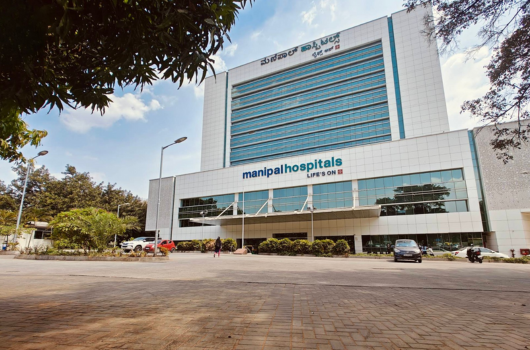
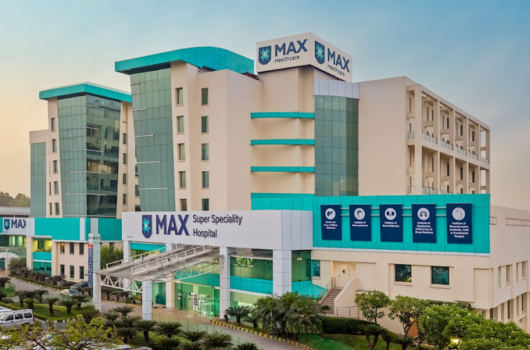
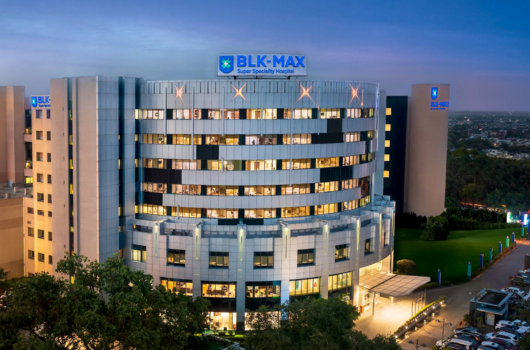
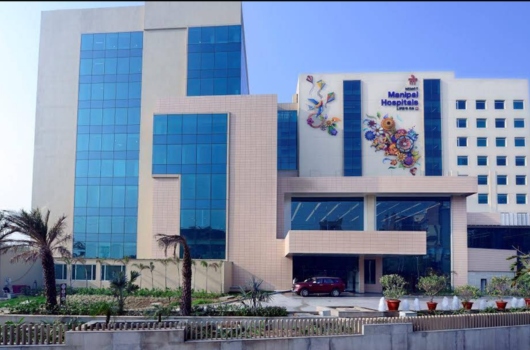
Several leading hospitals worldwide offer specialised care for patients requiring mechanical thrombectomy and advanced stroke intervention. These centres are equipped with state-of-the-art neuro-interventional and stroke care facilities, ensuring rapid response, precision, and positive outcomes in acute stroke management. The focus is on timely clot removal, restoration of blood flow, and minimising long-term neurological damage.
Leading hospitals for mechanical thrombectomy include:



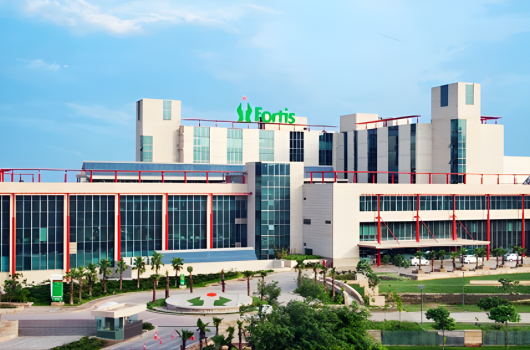

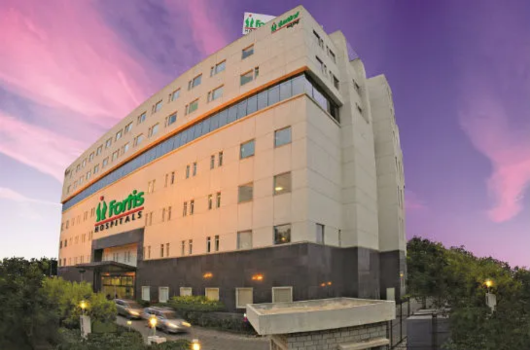
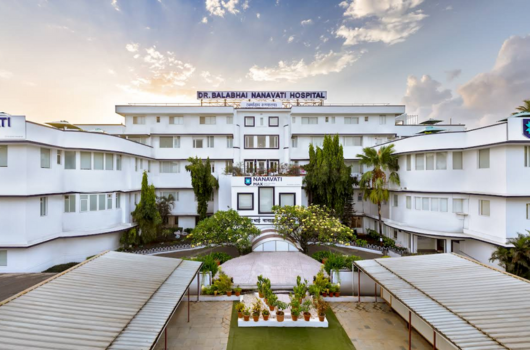
.png)
.png)

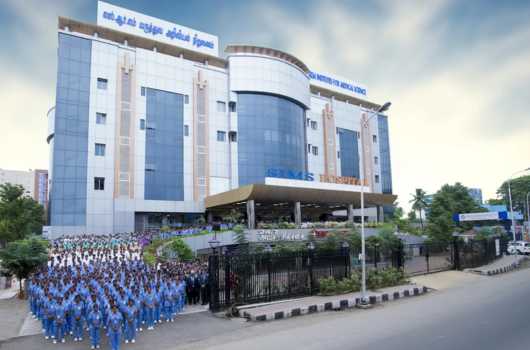
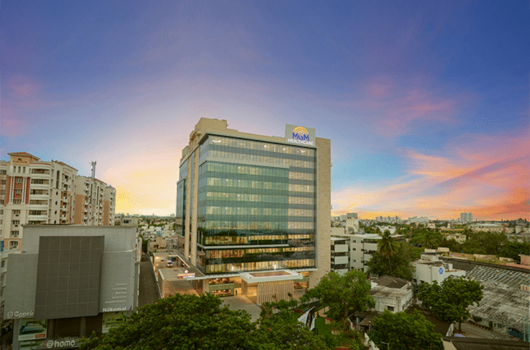
.png)
.png)
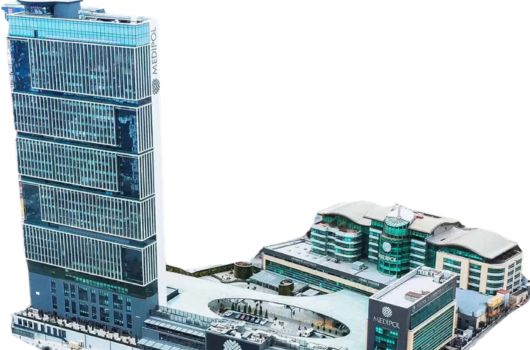
These hospitals combine cutting-edge stroke care, global treatment standards, and dedicated international support, making them trusted choices for mechanical thrombectomy and neurovascular treatment.
The average cost of mechanical thrombectomy in India ranges from $2,200 to $4,800, while in Thailand it ranges from $6,400 to $13,100. The final cost may vary depending on the hospital, stroke severity, type of devices used, and length of hospital stay.
Before exploring the treatment-wise cost tables, it is useful to understand the main factors that influence these expenses.
Note: India is known for offering affordable and advanced neuro-intervention procedures. Hospitals provide high-quality care supported by expert stroke specialists, modern angiography suites, and comprehensive rehabilitation services for recovery after thrombectomy.
Note: Thailand’s hospitals are recognised for premium stroke treatment facilities and personalised patient care. Their higher costs reflect state-of-the-art medical devices, luxury infrastructure, and inclusive international patient packages.
The costs listed are approximate and may vary depending on hospital, location, and patient needs.
The currency conversion rates in the table above are based on data from April 2026.
For a detailed cost estimate and treatment guidance, patients can reach out to myheco to connect with leading hospitals.
Outcomes after mechanical thrombectomy depend on factors such as time to treatment, clot location, collateral circulation, patient health, and successful restoration of blood flow (recanalisation).
A meta-analysis published in the Stroke (American Heart Association Journal) evaluated outcomes of mechanical thrombectomy in patients with acute ischemic stroke and found:
Modern studies also report successful recanalisation rates of approximately 70–80%, reflecting advancements in thrombectomy devices and stroke care systems.
These findings confirm that mechanical thrombectomy is highly effective, particularly when performed early and in specialised stroke centres.
Careful patient selection, rapid intervention, and advanced imaging remain essential to achieving favourable outcomes.
These outcomes are based on selected patient groups and may vary depending on individual clinical factors, stroke severity, and the expertise of the treating centre.
In clinical practice, success after mechanical thrombectomy is defined by both effective clot removal and meaningful neurological recovery.
Key indicators of successful treatment include:
Leading stroke centres achieve optimal outcomes through rapid response systems and multidisciplinary care:
This integrated approach of rapid intervention, advanced technology, and coordinated rehabilitation plays a crucial role in improving patient outcomes, reducing long-term disability, and supporting sustained neurological recovery after stroke.
Myheco provides end-to-end assistance for international patients seeking mechanical thrombectomy and advanced stroke care. The focus is on rapid coordination, expert medical guidance, and seamless treatment planning with trusted neuro-interventional centres.
Choosing myheco means expert care, faster access, and end-to-end support during your stroke treatment journey.
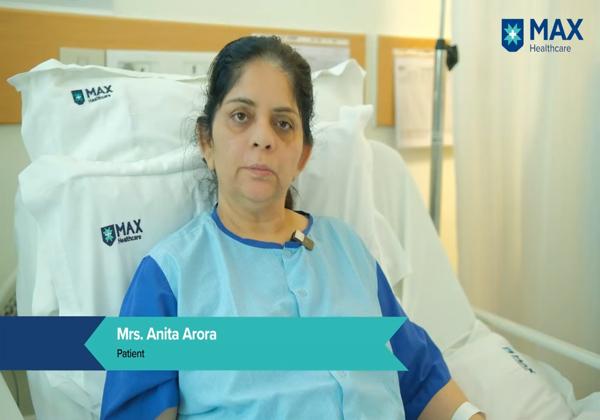
Mrs. Anita Arora experienced a sudden stroke that left her left side paralysed. She was immediately taken to Max Hospital, Saket, where a CT scan and angiography confirmed a major blockage on the right side of her brain. Under the care of Dr. Himanshu Agarwal and Dr. Puneet Agarwal, she underwent an emergency mechanical thrombectomy, restoring blood flow within an hour.
Her recovery began within 24 hours, and today she lives a normal, independent life, crediting the hospital team for their timely treatment and care.
✅ Share your medical reports
✅ Receive personalised treatment plans from leading hospitals
✅ Choose the option that suits you best
✅ Let us handle the arrangements

Mechanical thrombectomy is a minimally invasive procedure that removes a blood clot from the brain’s arteries during an acute ischemic stroke. It helps restore blood flow and prevent long-term brain damage.
The procedure is performed by a neuro-interventional surgeon or endovascular specialist trained in advanced stroke treatment. They work closely with neurologists, radiologists, and critical care teams.
It is recommended for patients with a large vessel blockage, usually within 6 to 24 hours of stroke onset, depending on imaging results and the patient’s overall condition. Eligibility is determined after detailed neurological assessment and advanced imaging. A doctor confirms eligibility based on imaging and clinical evaluation.
Mechanical thrombectomy typically takes 30 minutes to 2 hours, depending on the complexity of the clot and the patient’s anatomy. Procedure duration may vary based on clinical and technical factors.
Most patients spend 1-2 days in the ICU and an additional 3-5 days in the hospital. Recovery continues with physiotherapy and speech therapy, based on neurological improvement. Recovery timelines differ depending on stroke severity and individual response to treatment. Recovery varies widely, and a doctor will guide rehabilitation based on progress.
Not all strokes qualify. The procedure is suited for ischemic strokes caused by large artery blockages. Doctors use CT or MRI scans to confirm if thrombectomy is appropriate. Final treatment decisions are made by the treating stroke team based on imaging and clinical criteria. Not all patients are suitable, and a doctor determines the best treatment approach.
Although generally safe, potential risks include bleeding in the brain, blood vessel injury, or stroke recurrence. These are rare when performed by experienced specialists. All medical procedures carry risks, which are discussed in detail prior to treatment. Risks differ by case and should be discussed with a doctor before the procedure.
Studies show that over 60-70% of eligible patients regain significant neurological function when treated within the ideal time window. Early treatment greatly improves outcomes. Outcomes vary based on time to treatment, patient health status, and clot characteristics. Outcomes depend on multiple factors and should be evaluated by a doctor.
Yes. Most hospitals allow one or two family members to accompany patients under a medical attendant visa. Myheco assists families with accommodation and hospital coordination.
Myheco helps with doctor consultations, treatment cost estimates, medical visa processing, flight coordination, and rehabilitation guidance after discharge.
India’s leading hospitals for mechanical thrombectomy and advanced stroke treatment include Manipal Hospital Bangalore, Max Hospital Delhi, Apollo Proton Cancer Center (APCC) Chennai, Max BLK Delhi, Manipal Dwarka, Medanta Delhi, IBS (Institute of Brain and Spine) Delhi, Apollo Delhi, Fortis Delhi, Apollo Bangalore, Fortis Bangalore, Nanavati Max Mumbai, Apollo Mumbai, Fortis Mumbai, Apollo Hyderabad, Apollo Chennai, SIMS Chennai, MGM Chennai, and Rela Chennai. These centres are recognised for 24x7 emergency stroke care, advanced neuro-interventional facilities, rapid clot removal techniques, and comprehensive rehabilitation support.
In Thailand, Samitivej Sukhumvit Hospital, Thailand is internationally recognised for advanced stroke intervention, neurovascular procedures, and rapid emergency response systems. The hospital also provides dedicated international patient support services for patients travelling for treatment.


DISCLAIMER: THIS WEBSITE DOES NOT PROVIDE MEDICAL ADVICE
The information, including but not limited to, text, graphics, images and other material contained on this website are for informational purposes only. No material or content on this site is intended to be a substitute for professional medical advice, diagnosis, or treatment. Always seek the advice of your physician or other qualified health care provider with any questions you may have regarding a medical condition or treatment and before undertaking a new health care regimen, and never disregard professional medical advice or delay in seeking it because of something you have read on this website - www.myheco.com

.png)