
Meningioma treatment focuses on removing or controlling tumours that grow in the membranes (meninges) covering the brain and spinal cord. Most meningiomas are benign (non-cancerous), but some can be malignant (cancerous) or recur after treatment.
The goal of treatment is to relieve pressure on the brain or spinal cord, reduce symptoms, and prevent further growth. Common treatment options include:
A common myth is that meningiomas always cause symptoms. In reality, many are discovered incidentally during scans for other reasons and may not need immediate treatment.
Doctors decide on the treatment plan based on:
With proper treatment, many patients lead healthy and active lives.

Meningioma treatment is necessary because these tumours, though often benign, can still grow and press on the brain or spinal cord. This pressure may cause headaches, seizures, or problems with vision, memory, or movement. In some cases, meningiomas may recur or show aggressive behaviour. Treatment helps relieve symptoms, protect vital brain functions, and prevent further complications.
The exact reason why meningiomas develop is not always known, but certain factors raise the risk:
Meningioma symptoms depend on tumour size and location. Common ones include:
Doctors recommend starting treatment when:
Getting diagnosed early and receiving the right treatment significantly improves patient outcomes. Myheco helps patients connect with leading hospitals worldwide for timely and effective meningioma care.
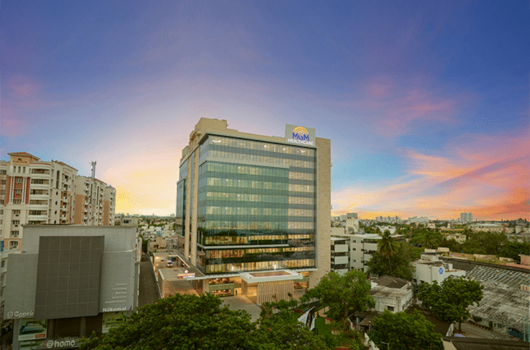
Some of the world’s most advanced hospitals offer specialised care for patients with meningioma and other brain tumours. These centres provide comprehensive neurosurgery and neuro-oncology services, including microsurgery, stereotactic radiosurgery, radiation therapy, and advanced imaging, supported by experienced neurosurgeons and multidisciplinary care teams.
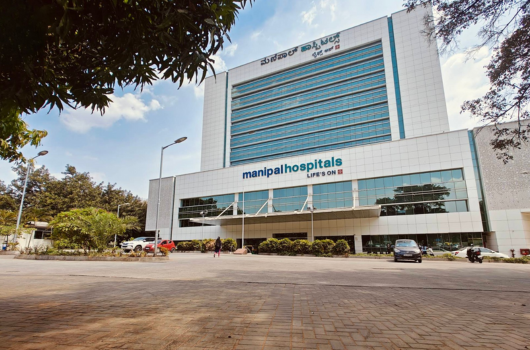
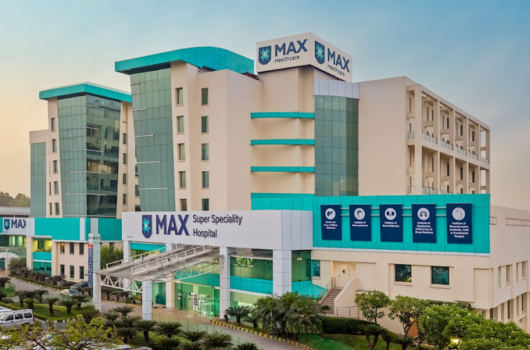
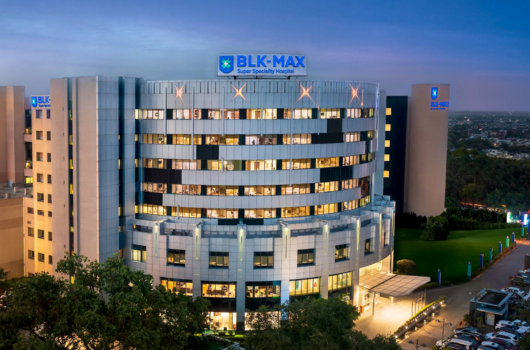
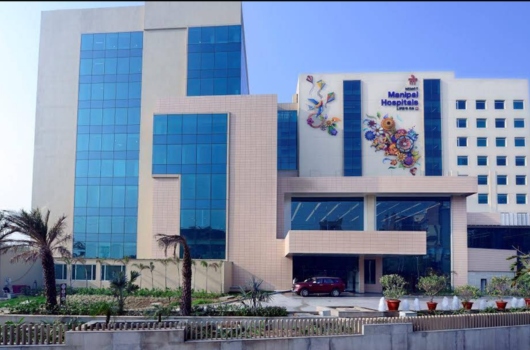
Leading hospitals for meningioma treatment include:



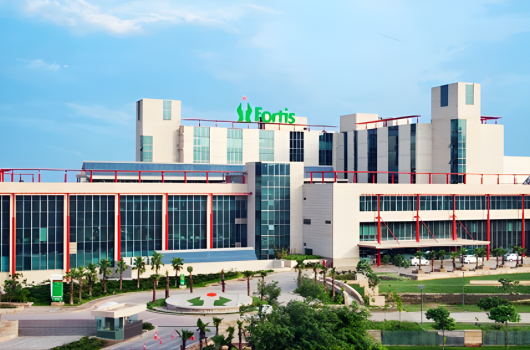

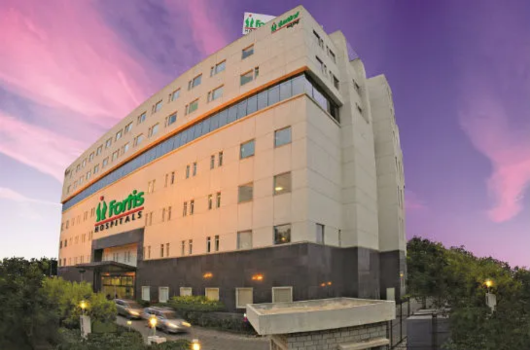
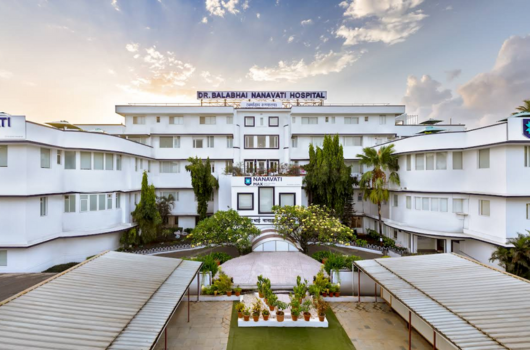
.png)
.png)

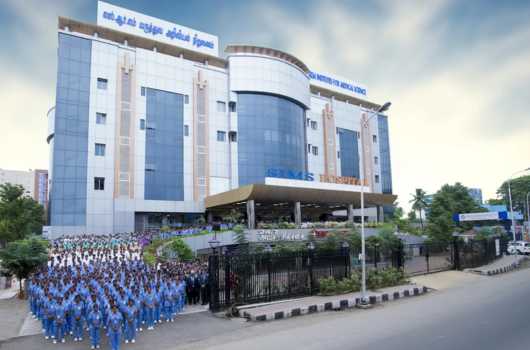
.png)
.png)
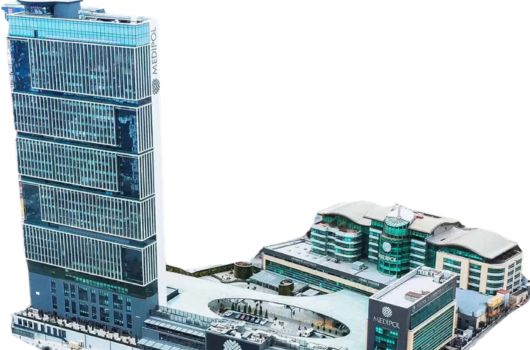
These hospitals provide evidence-based treatment protocols, advanced neurosurgical expertise, and coordinated care for international patients seeking treatment for meningioma.
The average cost of meningioma treatment in India is generally between $4,800 and $18,000, while in Thailand it ranges from $5,500 to $34,000. Actual expenses depend on the type of procedure, hospital, and whether advanced technologies like radiosurgery or proton therapy are used. Before exploring the treatment-wise cost tables, it is useful to understand the main factors that influence these expenses.
Note: India is well known for offering cost-effective advanced brain tumour treatment. Hospitals combine affordability with strong clinical outcomes, supported by expert neurosurgeons, advanced technology, and the availability of generic medicines.
Note: Thailand’s hospitals are often promoted as premium destinations for international patients. Their higher costs reflect the use of advanced imported medicines, luxury infrastructure, and all-inclusive patient care packages.
The costs listed are approximate and may vary based on hospital, location, and patient needs. Consult the healthcare provider for accurate and updated information.
The currency conversion rates in the table above are based on data from April 2026.
For a detailed cost estimate and guidance on treatment options, patients can reach out to myheco to connect with leading hospitals.
Meningiomas are usually slow-growing, and most are grade 1 or grade 2 (benign). Rarely, they appear as grade 3 (aggressive) and behave more malignantly.
According to Cancer Research UK:
These figures show why early detection and treatment are critical in improving long-term survival and quality of life.
Success in meningioma treatment does not always mean cure. It may involve:
Leading hospitals use a multidisciplinary and patient-focused approach that includes:
This combination of modern technology, experienced specialists, and holistic care ensures better survival rates, improved recovery, and enhanced quality of life for meningioma patients.

Dr. Amitava Ray, Senior Neurosurgeon at Apollo Hospitals, Hyderabad, explains that around half of all brain tumours are benign, often arising from the coverings of the brain and called meningiomas. These tumours are surgically removable, and once removed, most patients return to normal lives with normal life expectancy.
He notes that only a very small proportion of meningiomas may turn malignant, but in the vast majority of cases, surgery offers an excellent outcome with minimal long-term impact.
Myheco ensures that international patients receive complete support—from connecting with experienced neurosurgeons and neuro-oncology specialists to managing every aspect of their treatment journey. With transparent guidance, expert coordination, and trusted hospital partnerships, myheco helps patients access advanced meningioma treatment safely and efficiently.
Choosing myheco means expert care, faster access, and comprehensive support throughout your treatment journey.
Note: Myheco does not provide medical advice.

Scholasticah Ogato, a patient from Kenya, was first diagnosed with a brain tumour in 2016. Despite undergoing surgery in Nairobi, the tumour recurred as a recurrent meningioma affecting her eye and temporal bone. In 2018, she travelled to Max Super Speciality Hospital, Saket, where she received stereotactic radiation therapy under Dr. Dodul Mondal. The precision treatment helped relieve her severe headaches and pain, and she now continues to recover with hope of regaining her vision. She describes Max Hospital as “a home away from home” for international patients.
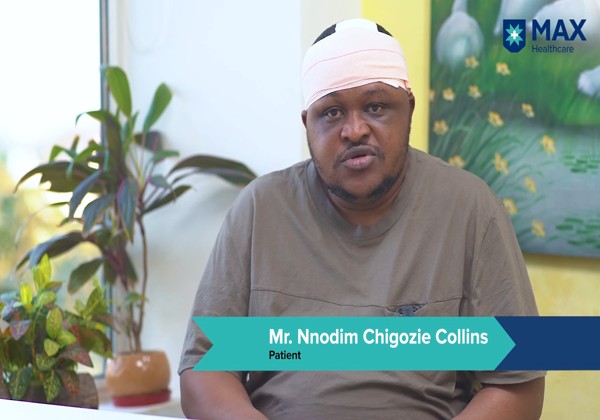
Mr. Nnodim Chigozie from Nigeria was left immobile due to a large meningioma, compounded by obesity. After struggling in his home country, he consulted Dr. Arun Saroha, Director of Neurosciences at Max Hospital, Gurugram. He underwent a total excision surgery, which was carried out successfully despite the complexity of his case. Within a few days, he was walking again, eating normally, and discharged in under two weeks. He expressed gratitude for the care, expertise, and supportive environment provided by Max Healthcare.
✅ Share your medical reports
✅ Receive personalised treatment plans from leading hospitals
✅ Choose the option that suits you best
✅ Let us handle the arrangements

Symptoms may include headaches, seizures, vision or hearing problems, weakness in limbs, and memory or personality changes.
Meningiomas are treated by neurosurgeons, supported by neurologists, oncologists, and radiologists in a multidisciplinary team.
Surgery usually requires 5-10 days of hospital stay, while radiosurgery or radiation therapy may take 1-6 weeks, depending on the plan.
Yes, meningiomas can recur, especially if not completely removed or if they are atypical/malignant. Regular follow-ups are essential.
Costs vary depending on treatment type and hospital. Costs are approximate and may vary based on hospital, location, and patient needs.
Yes, most hospitals allow one or two family members to accompany patients with a medical attendant visa.
Myheco helps with doctor consultations, cost estimates, visa paperwork, flight bookings, and ongoing follow-up care.
India’s leading hospitals for meningioma treatment include Apollo Proton Cancer Centre (APCC), Apollo Hospital, SIMS Hospital, MGM Healthcare, and Rela Hospital in Chennai; Manipal Hospital, Apollo Hospital, and Fortis Hospital in Bangalore; Max Hospital, BLK-Max Super Speciality Hospital, Manipal Hospital Dwarka, Medanta – The Medicity, Institute of Brain and Spine (IBS) Hospital, Indraprastha Apollo Hospital, and Fortis Hospital in Delhi; Nanavati Max Super Speciality Hospital, Apollo Hospital, and Fortis Hospital in Mumbai; and Apollo Hospital in Hyderabad. These centres provide advanced neurosurgery, stereotactic radiosurgery, precision radiation therapy, and comprehensive neuro-oncology care, supported by experienced neurosurgeons and multidisciplinary teams.
In Thailand, Samitivej Sukhumvit Hospital in Bangkok is internationally recognised for advanced neurosurgery, stereotactic radiosurgery, radiation therapy, and integrated brain tumour care. The hospital also offers structured international patient services, supporting patients travelling from overseas for meningioma treatment.


DISCLAIMER: THIS WEBSITE DOES NOT PROVIDE MEDICAL ADVICE
The information, including but not limited to, text, graphics, images and other material contained on this website are for informational purposes only. No material or content on this site is intended to be a substitute for professional medical advice, diagnosis, or treatment. Always seek the advice of your physician or other qualified health care provider with any questions you may have regarding a medical condition or treatment and before undertaking a new health care regimen, and never disregard professional medical advice or delay in seeking it because of something you have read on this website - www.myheco.com

.png)