
MR-Guided Focused Ultrasound (MRgFUS) Thalamotomy or Pallidotomy is a minimally invasive neurosurgical procedure used to treat certain movement disorders, including Essential Tremor, Parkinson’s disease, and dystonia. The treatment combines high-intensity focused ultrasound waves with magnetic resonance imaging (MRI) guidance to precisely target and treat specific areas of the brain responsible for abnormal movement symptoms.
Movement disorders occur when certain parts of the brain responsible for controlling muscle activity and coordination do not function properly. In essential tremor, patients experience involuntary shaking, usually in the hands, which can worsen during activities like writing or holding objects. Parkinson’s disease often causes tremors, stiffness, and slowed movement due to changes in dopamine-producing brain cells. Dystonia leads to involuntary muscle contractions that cause repetitive movements or abnormal postures.
During MR-guided focused ultrasound treatment, the patient lies inside an MRI scanner while ultrasound beams are delivered through the skull to a specific brain structure. In thalamotomy, the target is typically the thalamus, a region involved in transmitting movement signals. In pallidotomy, the treatment focuses on the globus pallidus, an area involved in regulating voluntary movement. The ultrasound energy creates a small, controlled lesion in the targeted region, disrupting abnormal neural signals that cause tremors or involuntary movements.
A common misconception is that this procedure involves traditional brain surgery. In reality, MRgFUS is incision-free and does not require opening the skull. Patients remain awake during the procedure, allowing doctors to monitor symptom improvement in real time.
Before recommending MR-guided focused ultrasound treatment, doctors carefully evaluate several factors. These include the patient’s diagnosis, symptom severity, previous treatment responses, overall neurological health, and whether symptoms significantly affect daily life.
Early diagnosis of movement disorders plays an important role in treatment planning. Identifying symptoms early allows doctors to manage the condition more effectively and determine whether advanced therapies such as MR-guided focused ultrasound are appropriate.

Movement disorders such as essential tremor, Parkinson’s disease, and dystonia can progressively interfere with a person’s ability to perform everyday tasks. Activities that once seemed simple, such as eating, writing, dressing, or speaking, may become increasingly difficult as symptoms worsen. When medications no longer provide sufficient symptom control, doctors may consider advanced treatments such as MR-guided focused ultrasound.
If these conditions remain untreated or poorly controlled, symptoms may gradually intensify over time. Persistent tremors or involuntary movements can significantly reduce independence and affect a patient’s ability to work, drive, or maintain social activities. In some cases, severe tremors may prevent patients from holding utensils or using electronic devices.
For individuals with Parkinson’s disease, worsening symptoms may include stiffness, slowed movement, and impaired balance. These issues can increase the risk of falls and injuries. Similarly, dystonia can cause painful muscle contractions and abnormal postures that interfere with daily functioning.
Beyond the physical symptoms, movement disorders may also have psychological and emotional effects. Patients may experience anxiety, embarrassment, or reduced confidence in social settings due to visible tremors or abnormal movements. Over time, these challenges can impact the overall quality of life.
Long-term complications may also arise if symptoms remain uncontrolled. Chronic muscle contractions in dystonia may lead to joint problems or musculoskeletal strain. Severe tremors may contribute to fatigue and functional limitations.
MR-guided focused ultrasound provides a treatment option for patients whose symptoms remain disabling despite medical therapy. By precisely targeting the brain areas responsible for abnormal movement signals, the procedure can help reduce tremors and improve motor control, allowing patients to regain greater independence and daily functioning.
Understanding the causes and risk factors of these movement disorders can help support early detection and appropriate medical care.
Symptoms can vary depending on the specific condition and its progression. Recognising early warning signs allows patients to seek medical evaluation and receive timely treatment.
Anyone experiencing persistent tremors, involuntary movements, or balance problems should consult a qualified healthcare professional for proper diagnosis and treatment evaluation.
Doctors recommend this treatment after careful evaluation of the patient’s neurological condition, symptom severity, and overall health.
Ultimately, the decision to proceed with MR-guided focused ultrasound is made after a detailed discussion between the patient and the treating specialist, considering expected benefits, potential risks, and individual treatment goals to ensure the most appropriate and safe approach.
Some of the world’s leading neuroscience hospitals offer specialised care for patients with Essential Tremor, Parkinson’s disease, and dystonia. These centres are equipped with advanced MRI-guided focused ultrasound technology and provide comprehensive neurological evaluation, imaging diagnostics, and minimally invasive treatment options.
Care is typically delivered by multidisciplinary teams that include neurologists, neurosurgeons, neuroradiologists, rehabilitation specialists, and movement disorder experts. Many hospitals also have dedicated international patient departments that support overseas patients with treatment planning, travel coordination, and post-treatment follow-up.
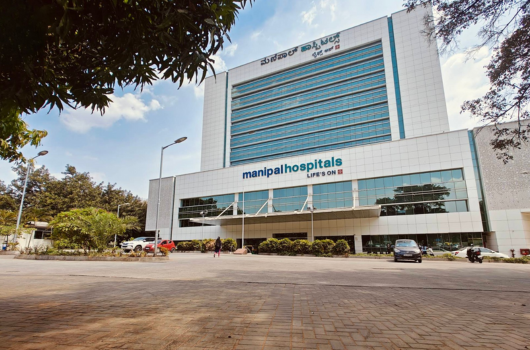
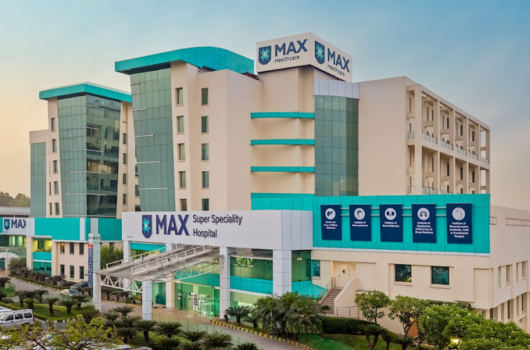
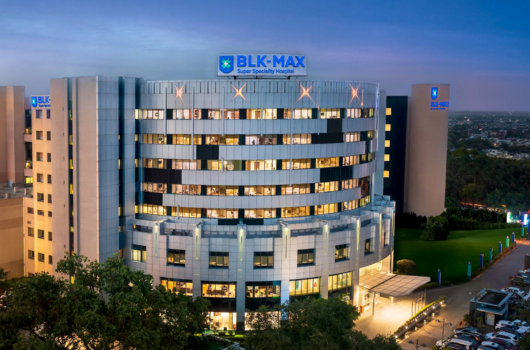
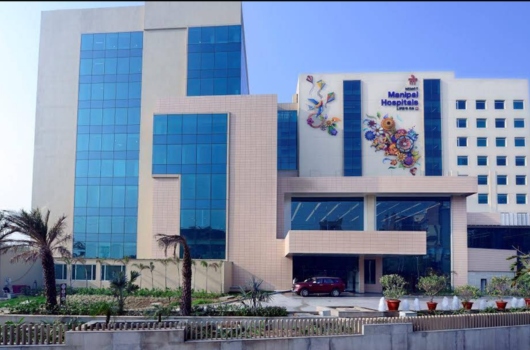
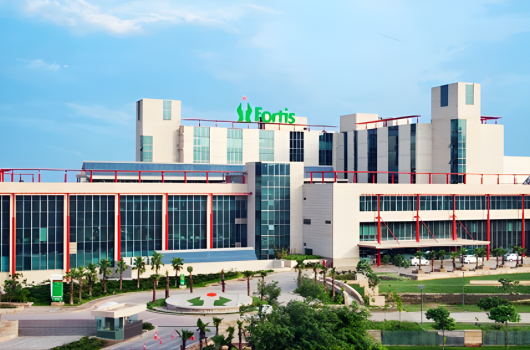
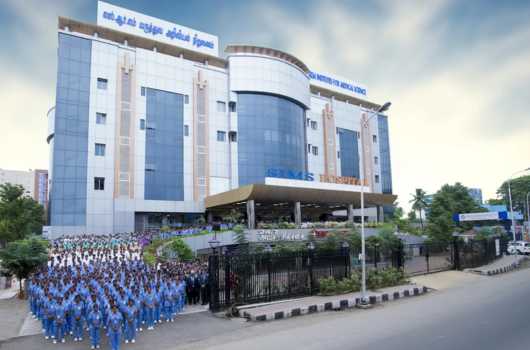
Leading hospitals for MR-Guided Focused Ultrasound Thalamotomy/Pallidotomy care include:






.png)
.png)


.png)
.png)
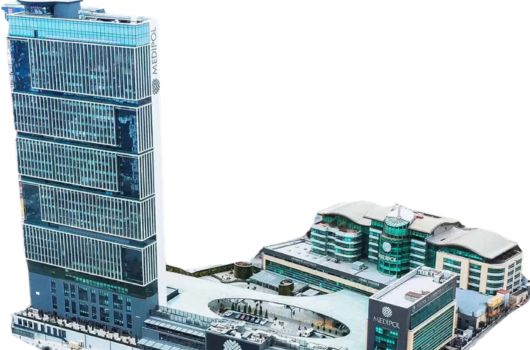
These hospitals provide advanced imaging technology, specialised movement disorder clinics, and multidisciplinary treatment planning to support patients undergoing MR-Guided Focused Ultrasound and other neuromodulation procedures.
The average cost of MR-Guided Focused Ultrasound Thalamotomy/Pallidotomy typically falls between $11,000 and $16,700 in India and from $8,000 in Thailand. However, the exact amount can differ depending on factors such as the type of treatment, the hospital’s location, and the stage or complexity of the condition. Before exploring the detailed cost breakdown by treatment, it’s useful to understand the main elements that influence these expenses.
Note: India has become a preferred destination for advanced treatment, offering world-class care at a fraction of the international cost. Patients benefit from expert specialists, modern medical technology, and cost-effective access to high-quality care.
Note: Thailand has established itself as a premium destination for advanced treatment, offering world-class hospitals, cutting-edge technology, and internationally trained specialists. Patients choose Thailand not only for high-quality care but also for its holistic and patient-focused service standards.
The above figures are approximate and can vary based on the hospital, location, and individual patient requirements. Always consult the healthcare provider for the most accurate and up-to-date pricing.
The currency conversion rates in the table above are based on data from April 2026.
For a detailed cost estimate and guidance on treatment options, patients can contact myheco to connect with leading hospitals specialising in Essential Tremor, Parkinson’s Disease, and Dystonia care.
The outcomes of MR-Guided Focused Ultrasound (MRgFUS) Thalamotomy depend on factors such as symptom severity, response to previous medications, and careful patient selection. One of the key indicators of success is the reduction in tremor severity and improvement in functional ability during follow-up assessments.
A randomised controlled clinical trial published in the New England Journal of Medicine evaluated patients with medication-refractory essential tremor treated with MRI-guided focused ultrasound thalamotomy.
Long-term outcomes were further evaluated in a five-year follow-up study published in the Journal of Neurosurgery and indexed in PubMed, which analysed patients from the same clinical trial cohort.
These findings indicate that MR-guided focused ultrasound thalamotomy can provide sustained tremor reduction and improvements in quality-of-life measures for patients with medication-resistant essential tremor.
One of the most common concerns patients have is whether movement disorders can be fully resolved. In many cases, successful treatment means that tremor or abnormal movement symptoms are significantly reduced, allowing patients to perform daily activities more comfortably.
In movement-disorder treatment, “success” can mean:
Leading hospitals follow evidence-based protocols and multidisciplinary approaches to improve outcomes in movement-disorder treatment.
With appropriate expertise and structured follow-up, MR-guided focused ultrasound thalamotomy can provide meaningful tremor reduction and improved daily functioning in selected patients with movement disorders.
Myheco ensures that international patients receive complete support, from connecting with experienced neurosurgery specialists to managing every aspect of their medical journey. With transparent guidance, expert coordination, and trusted hospital partnerships, myheco helps patients access advanced MR-Guided Focused Ultrasound Thalamotomy/Pallidotomy treatment safely and efficiently.
Choosing myheco means receiving expert medical connections, smooth coordination, and trusted guidance at every stage of your treatment journey.
Note: Myheco does not provide medical advice.
✅ Share your medical reports
✅ Receive personalised treatment plans
✅ Choose the option that suits you best
✅ Let us handle the arrangements

The procedure is generally considered safe when performed in specialised neurosurgical centres. Because it does not require surgical incisions, the risk of infection is lower compared with traditional brain surgery. However, patients should discuss potential risks and suitability with their doctor.
Many patients are able to return home within a day or two after the procedure. Most individuals resume normal activities within a few weeks, although recovery time can vary depending on the patient’s overall health and response to treatment.
The procedure is designed to provide long-term symptom relief by targeting brain areas responsible for abnormal movement signals. Results may vary depending on the underlying condition and disease progression.
Yes. Alternatives may include medications, deep brain stimulation (DBS), or other neuromodulation procedures. The most appropriate option depends on the patient’s diagnosis, symptom severity, and overall health.
India’s leading hospitals for MR-Guided Focused Ultrasound Thalamotomy/Pallidotomy include Apollo Hospitals, SIMS Hospital, MGM Healthcare, Rela Hospital, and Apollo Proton Cancer Centre in Chennai; Manipal Hospital and Apollo Hospital in Bangalore; Manipal Hospital Dwarka, Max Hospital, BLK-Max Super Speciality Hospital, Apollo Indraprastha Hospital, Medanta – The Medicity, Fortis Hospital, and the Institute of Brain and Spine (IBS) in Delhi; Nanavati Max Super Speciality Hospital, Apollo Hospital, and Fortis Hospital in Mumbai; Apollo Hospital in Hyderabad; and Manipal Hospitals EM Bypass in Kolkata. These centres are recognised for advanced neurology and neurosurgery departments, specialised movement disorder clinics, and multidisciplinary care teams.
In Thailand, Samitivej Sukhumvit Hospital in Bangkok is recognised for advanced neuroscience services and specialised neurological treatment programmes. The hospital offers comprehensive movement-disorder management supported by experienced neurologists and dedicated international patient services.
Myheco connects patients with experienced neurosurgeons, assists with medical consultations, and helps coordinate treatment planning with leading hospitals. The platform also supports travel arrangements, medical visa documentation, and treatment cost guidance.
Yes, myheco helps patients review medical reports, obtain expert opinions, and choose suitable hospitals for MR-guided focused ultrasound treatment. Patient coordinators assist throughout the treatment journey, including pre-treatment preparation and follow-up care.


DISCLAIMER: THIS WEBSITE DOES NOT PROVIDE MEDICAL ADVICE
The information, including but not limited to, text, graphics, images and other material contained on this website are for informational purposes only. No material or content on this site is intended to be a substitute for professional medical advice, diagnosis, or treatment. Always seek the advice of your physician or other qualified health care provider with any questions you may have regarding a medical condition or treatment and before undertaking a new health care regimen, and never disregard professional medical advice or delay in seeking it because of something you have read on this website - www.myheco.com

.png)