
Multiple myeloma treatment focuses on managing a cancer of plasma cells, a type of white blood cell found in the bone marrow. In this disease, plasma cells multiply abnormally and accumulate inside the bone marrow, interfering with the production of healthy blood cells and weakening bones.
This condition can affect multiple organs, including the bones, kidneys, immune system, and blood-forming tissues. While there is currently no complete cure, modern treatments help control the disease, relieve symptoms, and extend survival significantly.
A common misconception is that multiple myeloma always progresses rapidly. In reality, many patients live for years with proper treatment and regular monitoring. The aim is to manage the disease as a chronic condition, preventing complications and maintaining a good quality of life.
Treatment is customised based on disease stage, genetic profile, and overall health. A typical treatment plan may include:
Doctors determine the best treatment after evaluating:
The main goal of multiple myeloma treatment is to reduce cancer activity, protect organs, and prolong remission. With today’s advanced therapies, many patients achieve stable disease control and lead active, fulfilling lives.
Multiple myeloma behaves differently in each patient. Disease stage, genetic profile, organ involvement, and treatment response can significantly influence outcomes. Treatment plans are developed after detailed clinical evaluation and may vary from one individual to another.

Multiple myeloma treatment is essential because the disease affects the body’s ability to produce healthy blood cells and maintain strong bones. Without treatment, abnormal plasma cells continue to multiply, damaging the bone marrow, kidneys, and immune system. Over time, this can lead to anaemia, bone fractures, infections, and renal failure.
Early and appropriate treatment helps to slow or stop disease progression, relieve symptoms, and improve overall survival. Patients who begin therapy at the right time often experience long periods of remission and better quality of life.
The exact cause of multiple myeloma remains unclear, but certain factors increase the risk:
Symptoms vary by severity and organ involvement. Common signs include:
Doctors recommend beginning treatment when:
Not all patients require immediate treatment at diagnosis. Therapy decisions depend on laboratory findings, imaging results, symptom severity, and evidence of organ damage. Careful assessment is essential before initiating treatment.
Early diagnosis and timely intervention are key to managing complications and improving survival. Through myheco, patients can access leading hospitals worldwide for accurate diagnosis, expert care, and advanced treatment options.
India and Thailand are leading destinations for multiple myeloma treatment, offering world-class oncology and haematology care with advanced bone marrow transplant facilities, international patient support, and experienced specialists. These hospitals are trusted by patients worldwide for their expertise and success in managing complex blood cancers.


.jpg)


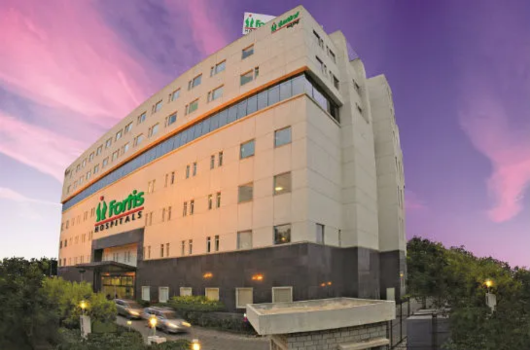
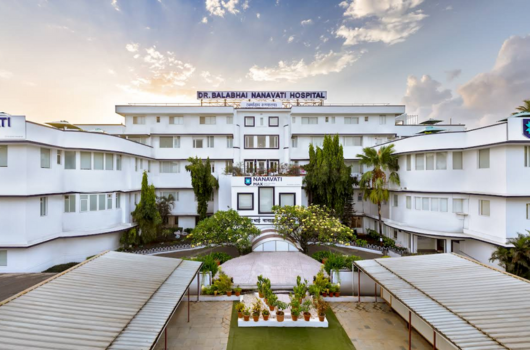
.png)
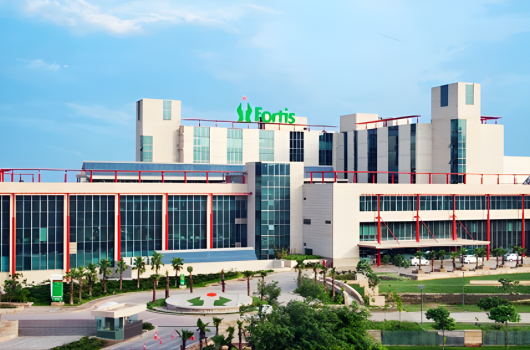
.png)
%20%E2%80%93%20Banjara%20Hills%2C%20Hyderabad.png)
.png)

.png)
.png)

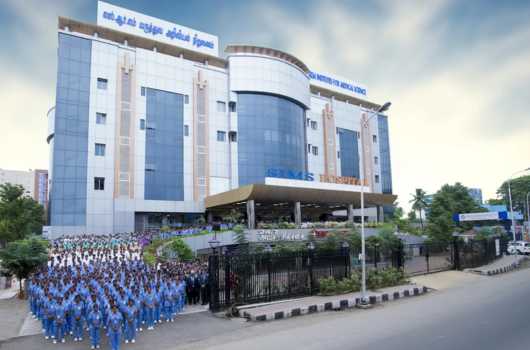
These hospitals combine modern infrastructure, expert oncologists, and personalised global care services, ensuring comprehensive treatment for patients with multiple myeloma.
The average cost of multiple myeloma treatment generally ranges between $6,000 and $18,000 in India and $10,000 to $28,000 in Thailand. These figures represent the usual expense for standard therapies such as chemotherapy, targeted therapy, immunotherapy, and autologous bone marrow transplantation. Advanced options like CAR-T cell therapy may cost significantly more.
Before viewing the treatment-wise cost tables, it is useful to understand the main factors that influence these expenses.
Note: India is well known for offering cost-effective advanced cancer treatment. Hospitals combine affordability with strong clinical outcomes, supported by experienced haematologists, advanced technology, and availability of essential medicines.
Note: Thailand’s hospitals are often promoted as premium destinations for international patients. Their higher costs reflect the use of advanced imported medicines, luxury infrastructure, and all-inclusive care packages that cover accommodation and follow-up support.
The above figures are approximate and can vary based on the hospital, location, and individual patient requirements. Always consult the healthcare provider for the most accurate and up-to-date pricing.
The currency conversion rates in the table above are based on data from March 2026.
For a detailed cost estimate and guidance on treatment options, patients can contact myheco to connect with leading hospitals.
Cancer Research UK reports that survival for people with myeloma (multiple myeloma) has improved over time as treatments have advanced.
Based on data from people diagnosed in England and Wales:
More recent information from England also shows that survival varies by stage at diagnosis:
Together, these figures show that many people with myeloma are now living longer after diagnosis, particularly when treatment begins early and includes access to modern therapies such as targeted drugs and stem cell transplantation.
Survival rates reflect population-based data and do not predict individual prognosis. Outcomes vary based on disease stage, cytogenetic risk profile, response to therapy, age, and overall health condition.
Success in multiple myeloma management goes beyond remission; it focuses on long-term disease control and quality of life. It is measured through:
Top cancer hospitals in India and Thailand achieve these outcomes through:
This multidisciplinary model ensures lower relapse rates, better symptom management, and higher overall survival compared to conventional chemotherapy alone. Advanced therapies and multidisciplinary care improve disease control, but relapse risk and treatment response differ between individuals. No treatment approach guarantees uniform survival outcomes.
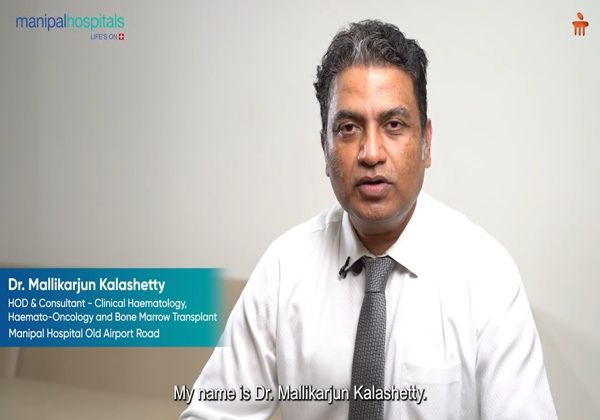
Dr. Mallikarjun Kalashetty, Head of Clinical Haematology and Bone Marrow Transplantation at Manipal Hospital, Bengaluru, explains that multiple myeloma accounts for about 10% of all blood cancers and often presents with bone pain, fatigue, or kidney problems. He highlights that diagnosis involves blood tests for paraproteins and bone marrow examination, while treatment typically includes induction therapy followed by autologous stem cell transplantation. Dr. Kalashetty notes that with advances in immunotherapy and early detection, most patients “respond well and lead active lives after treatment.”
The views expressed reflect clinical experience and general treatment trends. Individual patient response and long-term results may differ.
Myheco helps international patients access expert haematology and oncology care for multiple myeloma treatment across leading hospitals in India and Thailand. From diagnosis to recovery, myheco ensures that every step of the journey is guided, transparent, and stress-free.
Choosing myheco means gaining access to trusted specialists, advanced hospitals, and dedicated international support throughout your treatment process. Medical diagnosis, treatment decisions, and clinical management are conducted by licensed healthcare professionals at the treating hospital.
Note: Myheco does not provide medical advice.

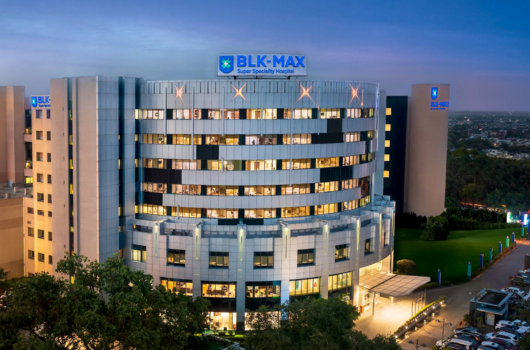
Mrs Bibare, from Uganda, was diagnosed with multiple myeloma and treated under Dr Pawan Kumar Singh at BLK-Max Super Speciality Hospital, Delhi. After initial chemotherapy and an autologous bone marrow transplant, she made a strong recovery. Within weeks, her pain subsided and mobility improved. She expressed gratitude to Dr Pawan and his team, saying she now feels “very strong and happy.”
This is an individual patient experience. Treatment response and recovery timelines vary depending on medical condition, therapy type, and overall health status.
✅ Share your medical reports
✅ Receive personalised treatment plans from leading hospitals
✅ Choose the option that suits you best
✅ Let us handle the arrangements

Common symptoms include bone pain, fatigue, frequent infections, anaemia, and unexplained weight loss. Some patients may also experience kidney problems or numbness in the limbs. Symptoms can overlap with other medical conditions. Proper clinical evaluation is required for confirmation.
Multiple myeloma is managed by haemato-oncologists, specialists who focus on blood cancers and bone marrow disorders. They often work alongside medical oncologists and transplant teams. The treating team may vary depending on hospital structure and patient-specific needs.
Treatment duration varies by stage and therapy type. Chemotherapy or targeted therapy may take several months, while stem cell transplantation involves a few weeks of hospital stay followed by recovery and follow-up care. Your doctor will determine the exact duration according to your individual progress and treatment plan. Treatment duration depends on disease stage, therapy type, and individual response.
Currently, multiple myeloma has no complete cure, but it can be effectively controlled. With modern therapies and transplants, many patients achieve long-term remission and maintain a good quality of life. Every case is different, and outcomes depend on individual factors. This information is for general awareness and should not replace professional medical advice. While long-term remission is possible, disease behaviour and response to therapy vary between patients.
The cost varies depending on the treatment plan. On average, India offers treatment between $6,000 and $18,000, while Thailand ranges from $10,000 to $28,000.
Note: Costs are approximate and may vary by hospital, patient condition, and choice of therapy.
Yes, most hospitals allow one or two family members to accompany patients on a medical attendant visa. Myheco assists with visa documentation and travel coordination for families.
Myheco assists with doctor consultations, treatment cost estimates, medical visa letters, airport transfers, and post-treatment follow-up care.
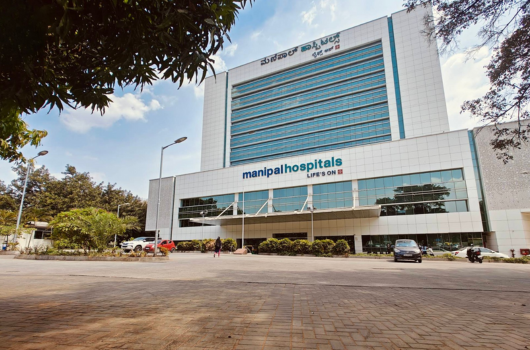
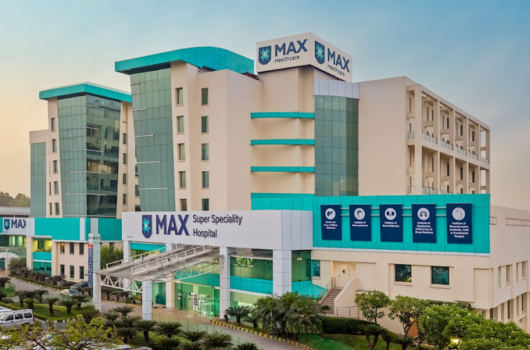
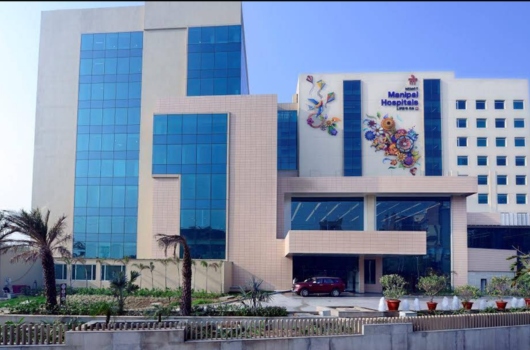
India has several hospitals offering advanced multiple myeloma treatment. In Chennai, leading centres include Apollo Cancer Institute, MGM Healthcare, SIMS Hospital, and the Apollo Proton Cancer Centre. In Delhi, hospitals such as Max Super Speciality Hospital, Saket, Max Smart Super Speciality Hospital, Saket, BLK-Max Hospital, and Manipal Hospital, Dwarka provide advanced myeloma care. In Bangalore, Manipal Hospital (Main Branch) is recognised for stem cell transplants, while in Kolkata, Manipal Hospitals EM Bypass offers comprehensive haemato-oncology services.
In Thailand, Samitivej Srinakarin Hospital and Samitivej Sukhumvit Hospital are the top destinations for multiple myeloma care. Both centres have state-of-the-art bone marrow transplant units, advanced immunotherapy facilities, and international patient programmes that ensure precise, safe, and effective treatment outcomes for global patients.


DISCLAIMER: THIS WEBSITE DOES NOT PROVIDE MEDICAL ADVICE
The information, including but not limited to, text, graphics, images and other material contained on this website are for informational purposes only. No material or content on this site is intended to be a substitute for professional medical advice, diagnosis, or treatment. Always seek the advice of your physician or other qualified health care provider with any questions you may have regarding a medical condition or treatment and before undertaking a new health care regimen, and never disregard professional medical advice or delay in seeking it because of something you have read on this website - www.myheco.com

.png)