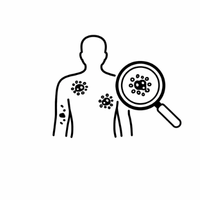
Mycosis fungoides treatment focuses on controlling the growth of abnormal T-cells in the skin and managing related symptoms such as itching, rashes, and lesions. Treatment options typically include skin-directed therapies, phototherapy, radiation therapy, systemic medications (like retinoids or interferons), and targeted or immunotherapy for advanced stages.
Mycosis fungoides is the most common form of cutaneous T-cell lymphoma (CTCL), a rare type of non-Hodgkin lymphoma that starts in the skin rather than the lymph nodes. The abnormal T-cells accumulate in the skin, leading to patches, plaques, or tumours, which may resemble chronic eczema or psoriasis in the early stages.
A common misconception is that mycosis fungoides is a fungal infection due to its name. In reality, it is not an infection but a slow-growing (indolent) lymphoma, and many patients live for years with manageable symptoms and good quality of life.
The disease typically progresses through different stages:
Doctors create a treatment plan based on factors such as disease stage, extent of skin involvement, presence of blood or lymph node involvement, and the patient’s age, overall health, and treatment response.
The main goal of treatment is to control skin lesions, relieve symptoms, prevent disease progression, and maintain quality of life. Early diagnosis and regular follow-up with a specialist are essential for long-term management.

Mycosis fungoides treatment is essential to control the abnormal growth of T-cells in the skin and prevent the disease from spreading to lymph nodes or internal organs. Although it usually progresses slowly, untreated cases can worsen over time, causing thickened skin patches, tumours, infections, and, in advanced stages, systemic involvement. Proper treatment helps relieve itching and discomfort, reduce visible lesions, slow disease progression, and maintain good skin health and quality of life.
The exact cause of mycosis fungoides is not fully understood, but several factors are believed to contribute to its development:
Early diagnosis and individualised treatment can help manage mycosis fungoides effectively, control skin symptoms, and improve long-term outcomes.
Mycosis fungoides symptoms often appear slowly and can resemble common skin conditions such as eczema or psoriasis. Because of this, it is sometimes diagnosed at a later stage. Common signs and symptoms include:
Doctors recommend starting mycosis fungoides treatment when:
Early evaluation by a dermatologist or haematologist-oncologist is crucial to confirm the diagnosis and stage of the disease. Timely treatment helps control skin symptoms, prevent complications, and improve long-term outcomes.
Patients can connect with myheco for expert guidance, trusted hospitals, and personalised treatment options for cutaneous T-cell lymphoma.
Many leading hospitals around the world provide specialised care for patients with mycosis fungoides and other cutaneous T-cell lymphomas (CTCLs). These centres combine the expertise of dermatologists, haematologists, oncologists, and radiation specialists, ensuring accurate diagnosis, stage-specific treatment, and long-term disease management.
They also offer advanced skin-directed therapies, phototherapy units, targeted drug therapy, and supportive care programmes to manage chronic symptoms and maintain quality of life.
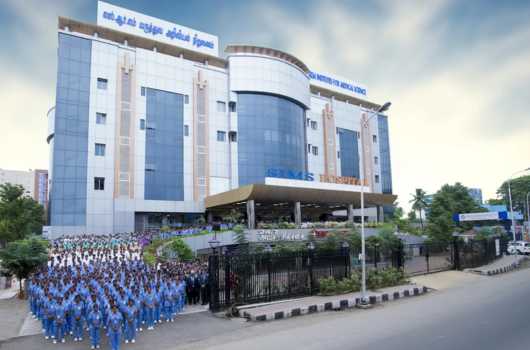
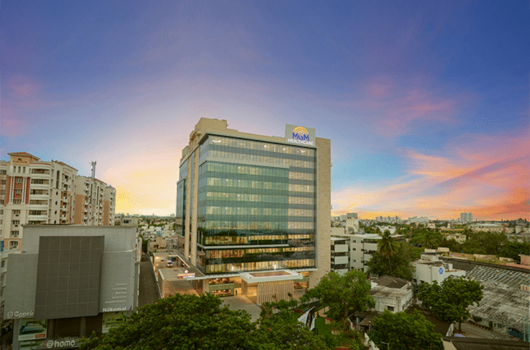
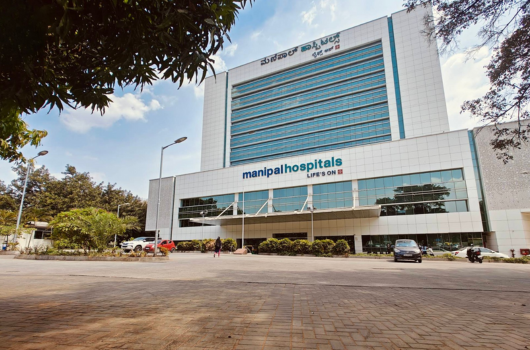
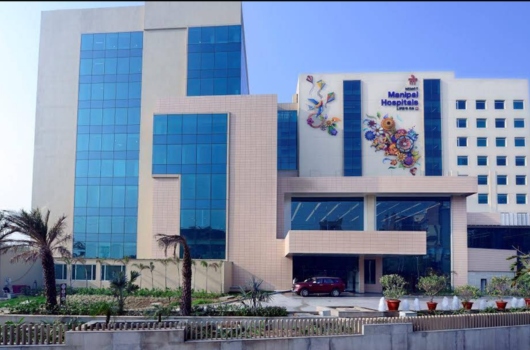
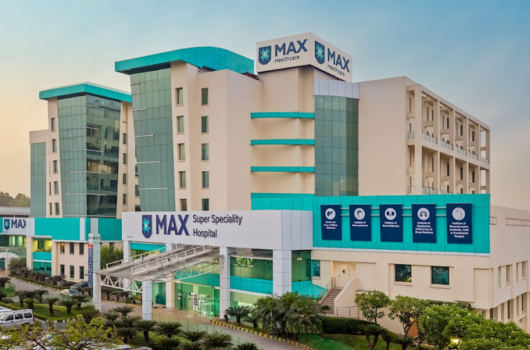
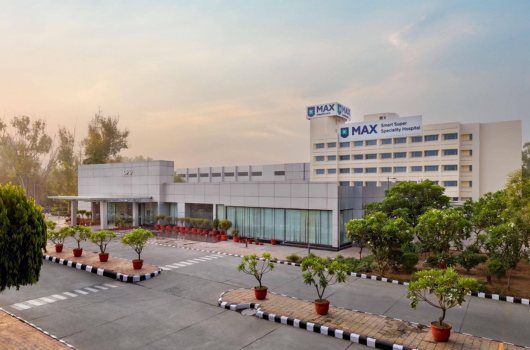
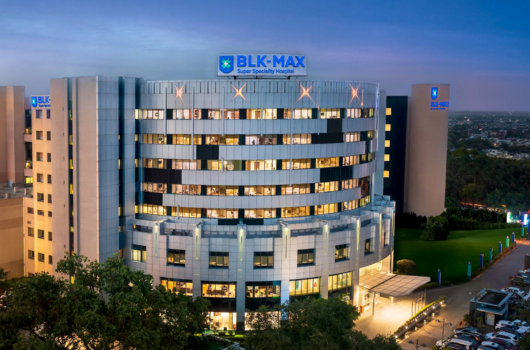
Some of the trusted hospitals for Mycosis Fungoides treatment include:
.png)

.png)

These hospitals follow international protocols for Mycosis Fungoides (Cutaneous T-cell Lymphoma) treatment and are equipped to support patients through every stage, from accurate diagnosis and skin biopsy to long-term follow-up care for sustained skin health and disease control.
The average cost of Mycosis Fungoides treatment ranges from $8,000 to $13,700 in India and $9,900 to $22,200 in Thailand. The total expense varies depending on factors such as the stage of the disease, extent of skin involvement, type of therapy used, and hospital location. Before reviewing the treatment-wise cost table, it is important to consider key factors that influence overall expenses, such as diagnostic tests, treatment duration, hospital stay, medications, and long-term follow-up care.
Several factors can affect the total cost of Mycosis Fungoides treatment:
Early diagnosis and a personalised treatment plan can improve long-term outcomes and help manage treatment costs effectively.
Note: India has become a preferred destination for advanced cancer treatment, offering world-class care at a fraction of the international cost. Patients benefit from expert oncologists, modern medical technology, and affordable access to high-quality generic medicines, making treatment both effective and economical.
Note: Thailand has established itself as a premium destination for cancer treatment, offering world-class hospitals, advanced technology, and internationally trained oncologists. Patients choose Thailand not only for its high-quality medical care but also for its holistic approach, combining clinical excellence with exceptional comfort and service standards.
The above figures are approximate and can vary based on the hospital, location, and individual patient requirements. Always consult the healthcare provider for the most accurate and up-to-date pricing.
The currency conversion rates in the table above are based on data from March 2026.
For a detailed cost estimate and guidance on treatment options, patients can contact myheco to connect with leading hospitals.
Cutaneous T-cell lymphoma (CTCL) outcomes vary depending on the subtype and stage. Early-stage mycosis fungoides is linked to long survival, with studies showing a 10-year survival rate of about 90% for early disease versus around 53% for advanced stages. In later stages, five-year survival ranges between 20-60%.
Leading hospitals follow evidence-based protocols to ensure accurate diagnosis, personalised therapy, and ongoing support for CTCL patients. Their approach includes:
This coordinated approach helps control disease symptoms, delay progression, and enhance long-term survival and quality of life for patients with mycosis fungoides.
Myheco assists international patients in accessing advanced treatment for mycosis fungoides (MF) by connecting them with experienced dermatologists, oncologists, and haematologists. From initial diagnosis to recovery, myheco ensures a seamless and guided experience through personalised medical, travel, and financial support at every stage.
Choosing myheco means expert care, faster access, and comprehensive support throughout your treatment journey.
Note: Myheco does not provide medical advice.

Jenny, a patient from Nairobi, was initially treated for eczema for years before a skin biopsy at Max Super Speciality Hospital, Saket, Delhi, India, confirmed mycosis fungoides. She underwent Total Skin Electron Therapy (TSET) over ten weeks. Dr Vineeta Goyal and her team provided expert care, clear guidance, and support, and Jane’s optimism and cooperation contributed to a positive treatment experience.
✅ Share your medical reports
✅ Receive personalised treatment plans from leading hospitals
✅ Choose the option that suits you best
✅ Let us handle the arrangements

Mycosis fungoides, a type of cutaneous T-cell lymphoma (CTCL), is usually a chronic but manageable condition. While there is no definitive cure, early detection and timely treatment can help control symptoms, slow disease progression, and maintain a good quality of life for many years. The outcome of mycosis fungoides varies from person to person. Always consult a qualified haematologist or oncologist for an accurate diagnosis and personalised treatment plan.
Treatment depends on the disease stage and symptoms. Options may include topical therapies, phototherapy (light treatment), radiation therapy, systemic medications, immunotherapy, or targeted therapy. Advanced stages may require more intensive treatments such as chemotherapy or a stem cell transplant. The appropriate therapy depends on the patient’s specific condition, stage of disease, and overall health. Consult your doctor before starting or changing any treatment.
Recovery time varies based on the treatment approach and stage of the disease. Early-stage MF often responds well to skin-directed therapies, allowing patients to manage symptoms effectively, while advanced cases may need prolonged therapy and periodic monitoring for remission and relapse. Recovery and response times differ among patients. Discuss your treatment expectations and follow-up schedule with your healthcare provider.
There are no specific preventive measures for mycosis fungoides. However, early diagnosis and continuous follow-up care can significantly improve long-term outcomes. Maintaining healthy skin and promptly addressing persistent rashes or lesions can aid in early detection. Always seek medical advice for any unusual or persistent skin changes.
Myheco assists international patients by arranging expert consultations with CTCL specialists, offering second opinions, and providing detailed cost estimates. It also facilitates medical visa assistance, travel coordination, hospital transfers, and multilingual support, ensuring a seamless and stress-free treatment journey from diagnosis to recovery.
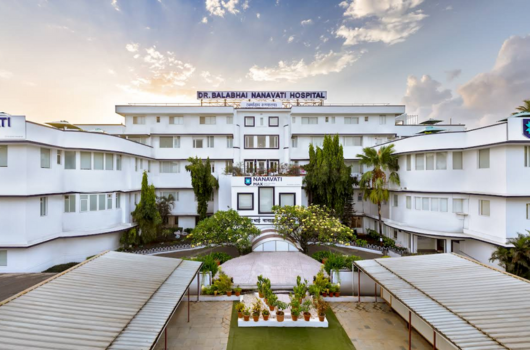
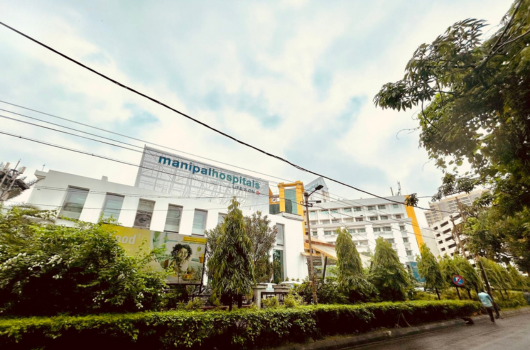
India has several hospitals providing specialised care for mycosis fungoides (cutaneous T-cell lymphoma). In Chennai, leading centres include SIMS Hospital, MGM Healthcare, Apollo Cancer Institute, and Apollo Proton Cancer Centre. In Bangalore, Manipal Hospital Main Oncology Unit provides comprehensive CTCL management. In Delhi, Manipal Hospital Dwarka, Max Super Speciality Hospital Saket, and BLK-Max Hospital are known for multidisciplinary MF care. In Mumbai, Nanavati Max Hospital offers skin-directed therapies, phototherapy, and supportive care, while in Kolkata, Manipal Hospitals EM Bypass (Medica Synergie Cancer Hospital) is recognised for expert management of complex cases.
In Thailand, Samitivej Sukhumvit Hospital and Samitivej Srinakarin Hospital are highly recommended for mycosis fungoides care. Both hospitals provide world-class facilities and expertise in phototherapy, systemic therapy, targeted therapy, and radiation for CTCL. These centres ensure comprehensive, timely, and effective care, supporting patients through diagnosis, treatment, and long-term follow-up.


DISCLAIMER: THIS WEBSITE DOES NOT PROVIDE MEDICAL ADVICE
The information, including but not limited to, text, graphics, images and other material contained on this website are for informational purposes only. No material or content on this site is intended to be a substitute for professional medical advice, diagnosis, or treatment. Always seek the advice of your physician or other qualified health care provider with any questions you may have regarding a medical condition or treatment and before undertaking a new health care regimen, and never disregard professional medical advice or delay in seeking it because of something you have read on this website - www.myheco.com

.png)