
Nodular Lymphocyte-predominant Hodgkin Lymphoma (NLPHL) is a rare, slow-growing form of Hodgkin lymphoma. It develops in the lymph nodes, most often in the neck, armpit, or groin, and its cancer cells show a protein called CD20, which makes it different from the classical type of the disease.
Treatment for NLPHL may include careful monitoring, radiation therapy for early stages, and immunotherapy such as rituximab in selected cases. Chemotherapy can be used for advanced disease, but many patients need less intensive treatment compared to other lymphomas. The overall aim is to keep the disease under control, relieve symptoms, and prevent it from transforming into a more aggressive lymphoma.
A common misconception is that all Hodgkin lymphomas need intensive chemotherapy straight away. In reality, NLPHL can often be managed with focused treatments or even observation when there are no symptoms, and outcomes are generally very good.
Doctors choose the best approach based on:
Early diagnosis and appropriate treatment improve recovery, lower the risk of complications, and support better long-term outcomes.

Nodular Lymphocyte-predominant Hodgkin Lymphoma (NLPHL) is usually slow-growing, but without treatment, the abnormal cells can spread to other lymph nodes or, in some cases, change into a more aggressive lymphoma. Care is needed to control the disease, reduce symptoms, and protect long-term health. Treatment helps prevent complications, maintain normal daily life, and support long-lasting remissions.
The exact cause is not fully known, but some risk factors are linked to the condition:
Symptoms can appear gradually and may be overlooked at first. Common signs include:
Doctors recommend treatment when there is:
Starting treatment at the right time improves outcomes and helps patients live longer, healthier lives. Myheco connects international patients with leading cancer centres for accurate diagnosis, timely treatment, and global care support.
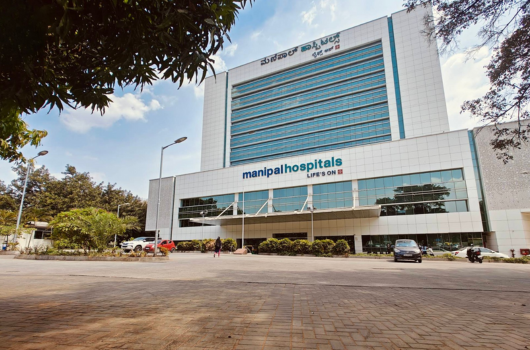
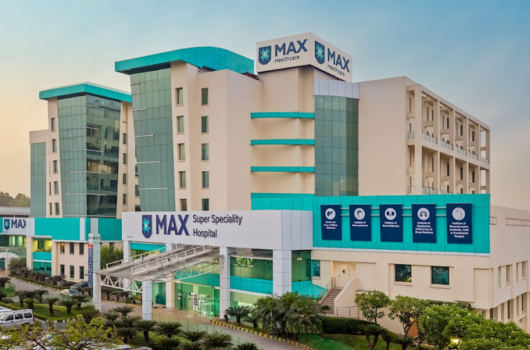
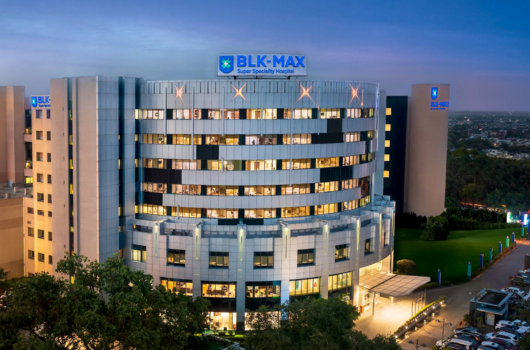
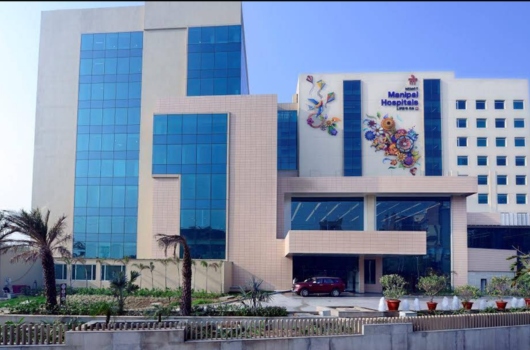
Some of the world’s most advanced cancer hospitals offer specialised care for patients with Nodular Lymphocyte-predominant Hodgkin Lymphoma (NLPHL) and other blood cancers. These centres provide comprehensive haematology and oncology services, including advanced diagnostics, chemotherapy, targeted therapy, immunotherapy, and stem cell transplantation, supported by experienced haematologists and multidisciplinary teams. They also offer international patient services and structured follow-up care to ensure continuity of treatment.
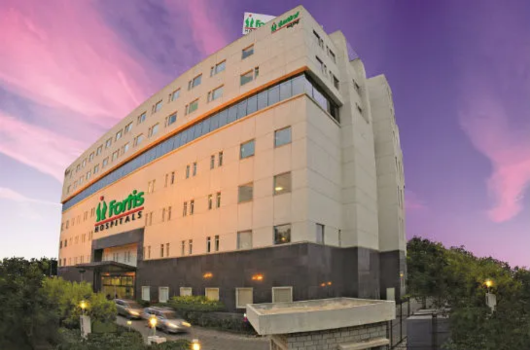
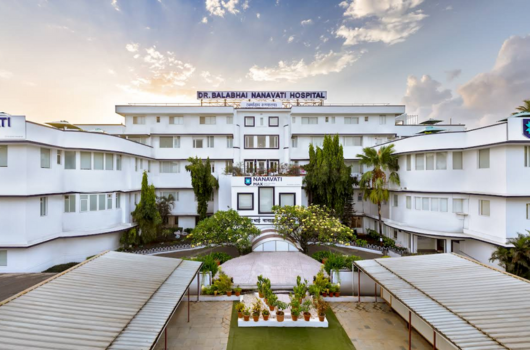
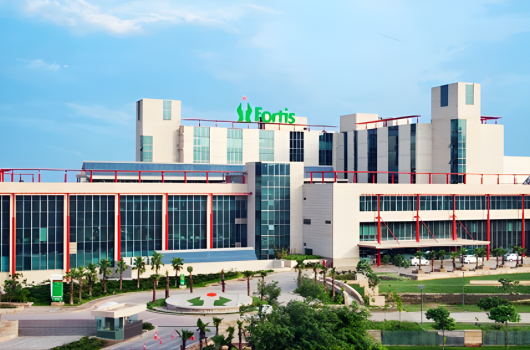
Leading hospitals for Nodular Lymphocyte-predominant Hodgkin Lymphoma treatment include:


.jpg)


.png)
.png)
%20%E2%80%93%20Banjara%20Hills%2C%20Hyderabad.png)
.png)
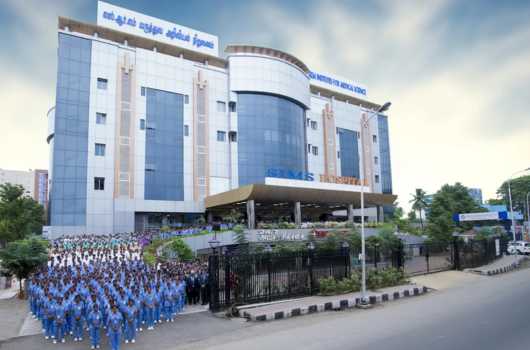
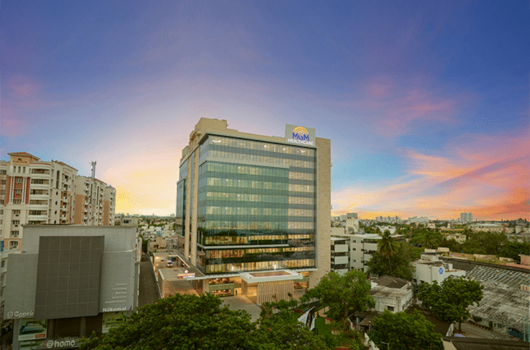
.png)
.png)

These hospitals follow evidence-based treatment protocols, offer access to advanced technologies, and provide coordinated care for international patients seeking treatment for Nodular Lymphocyte-predominant Hodgkin Lymphoma.
The average cost of Nodular Lymphocyte-predominant Hodgkin Lymphoma (NLPHL) treatment ranges from $2,500 to $7,000 in India and from $3,000 to $13,500 in Thailand. The final expense may vary depending on factors such as the stage of the disease, choice of hospital, duration of therapy, and whether advanced options like immunotherapy are required. Before checking the detailed table of treatment-wise costs, it is important to understand the factors that influence these costs the most, including diagnostics, hospital stay, medications, and supportive care.
Note: India is well known for offering cost-effective advanced cancer treatment. Hospitals combine affordability with strong clinical outcomes, supported by skilled oncologists and the widespread availability of generic medicines.
Note: Thailand’s hospitals are often promoted as premium destinations for international patients. Their higher costs reflect the use of advanced imported medicines, luxury infrastructure, and all-inclusive patient care packages.
The costs listed are approximate and may vary based on hospital, location, and patient needs. Consult the healthcare provider for accurate and updated information.
The currency conversion rates in the table above are based on data from April 2026.
For a detailed cost estimate and guidance on treatment options, patients can reach out to myheco to connect with leading hospitals.
In a long-term study of patients with NLPHL, outcomes were found to be excellent.
Success in NLPHL treatment goes beyond cure. It includes:
Leading hospitals follow international guidelines to ensure the best outcomes:

Dr. Rayaz Ahmed, Director of Haematology and Bone Marrow Transplant at Max Smart Hospital, Saket, explains that lymphoma is a curable blood cancer when properly diagnosed and staged. He emphasises that a full excision biopsy with immunohistochemistry (IHC) is essential, as simpler tests may miss key details.
He adds that symptoms such as night sweats, fever, weight loss, and painless lymph node swellings can be mistaken for tuberculosis, making accurate testing vital. With correct diagnosis and timely treatment using chemotherapy or immunotherapy, patients often achieve excellent outcomes.
Myheco offers dedicated guidance and end-to-end assistance for international patients seeking advanced treatment worldwide. From connecting you with leading specialists to arranging online consultations, myheco ensures a smooth and informed treatment journey.
Choosing myheco means expert care, faster access, and comprehensive support throughout your treatment journey.
Note: Myheco does not provide medical advice.
✅ Share your medical reports
✅ Receive personalised treatment plans from leading hospitals
✅ Choose the option that suits you best
✅ Let us handle the arrangements

Painless swollen lymph nodes (neck, armpit, groin), night sweats, unexplained fever, weight loss, and fatigue. These symptoms can overlap with other conditions, so it is important to consult a specialist for proper evaluation if they persist.
Not always. Some early, symptom-free cases are monitored closely (active surveillance). Treatment typically begins if there is disease progression or symptoms affecting daily life, as determined by the treating specialist.
Haematologists and medical oncologists lead care, with input from radiation oncologists, radiologists, and pathologists through multidisciplinary tumour boards to ensure accurate diagnosis and treatment planning.
Duration varies depending on the stage, treatment approach, and individual response. Some patients may complete therapy within weeks, while others may require several months followed by regular follow-up visits.
Outcomes are generally very good, especially with early diagnosis and appropriate treatment. Many patients achieve long-term remission and return to normal routines, although ongoing monitoring is usually recommended.
Yes. Most hospitals support international patients travelling with attendants and can assist with visa invitation letters and arrival coordination. Policies may vary by hospital and country, so it is advisable to confirm arrangements in advance.
India’s leading hospitals for Nodular Lymphocyte-predominant Hodgkin Lymphoma (NLPHL) treatment include Apollo Proton Cancer Centre, Apollo Cancer Institute, SIMS Hospital, MGM Healthcare, Rela Hospital, and Asian Institute of Nephrology & Urology (AINU) in Chennai; Manipal Hospital, Apollo Hospital, and Fortis Hospital in Bangalore; Max Hospital, BLK-Max Super Speciality Hospital, Manipal Hospital Dwarka, Medanta – The Medicity, Indraprastha Apollo Hospital, Apollo Athena Women’s Cancer Hospital, and Fortis Hospital in Delhi; Nanavati Max Super Speciality Hospital, Apollo Hospital, and Fortis Hospital in Mumbai; and Apollo Hospital and Asian Institute of Nephrology & Urology (AINU) in Hyderabad. These centres provide multidisciplinary oncology care, advanced diagnostics, chemotherapy, immunotherapy, targeted therapy, and stem cell transplantation for comprehensive lymphoma management.
In Thailand, Samitivej Sukhumvit Hospital in Bangkok is internationally recognised for advanced haematology services, targeted therapy, immunotherapy, day-care infusion services, and integrated cancer care. The hospital also provides structured international patient services, supporting patients travelling from overseas for specialised treatment.


DISCLAIMER: THIS WEBSITE DOES NOT PROVIDE MEDICAL ADVICE
The information, including but not limited to, text, graphics, images and other material contained on this website are for informational purposes only. No material or content on this site is intended to be a substitute for professional medical advice, diagnosis, or treatment. Always seek the advice of your physician or other qualified health care provider with any questions you may have regarding a medical condition or treatment and before undertaking a new health care regimen, and never disregard professional medical advice or delay in seeking it because of something you have read on this website - www.myheco.com

.png)