
The open skull base approach-middle fossa is a surgical technique that gives neurosurgeons access to the middle cranial fossa, an area of the skull base near the temporal bone that protects hearing, balance, and facial nerves.
It is mainly used for treating acoustic neuromas (vestibular schwannomas), meningiomas, and other skull base tumours. The approach allows safe tumour removal while aiming to preserve neurological functions such as hearing and facial movement.
A common misconception is that this surgery always causes hearing loss. In reality, many patients undergoing the middle fossa approach retain useful hearing when the tumour is small and surgery is performed early.
Treatment options within this approach include:
With timely treatment and modern techniques, many patients achieve long-term tumour control, relief of symptoms, and preservation of vital functions, allowing them to return to a good quality of life.

The open skull base middle fossa approach is chosen when tumours or lesions in the temporal bone or middle cranial fossa start affecting vital functions. Even though some of these tumours may be slow-growing, they can press on critical nerves and brain structures, leading to significant health problems if not treated.
This procedure helps to:
The exact causes depend on the tumour type, but risk factors may include:
Tumours in the middle cranial fossa can cause symptoms including:
Doctors usually recommend the open skull base middle fossa approach when:
Early diagnosis and treatment are key to achieving the best outcomes. Myheco helps patients connect with leading neurosurgery centres worldwide for expert care and timely intervention.
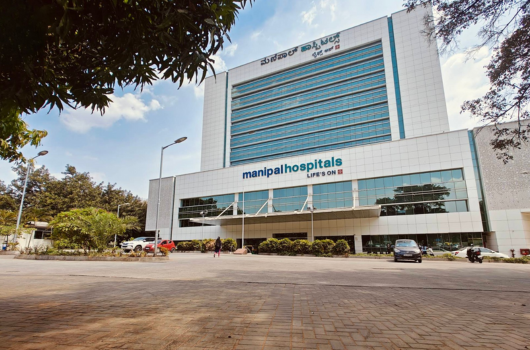
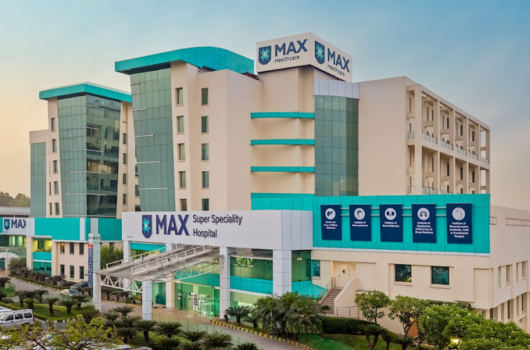
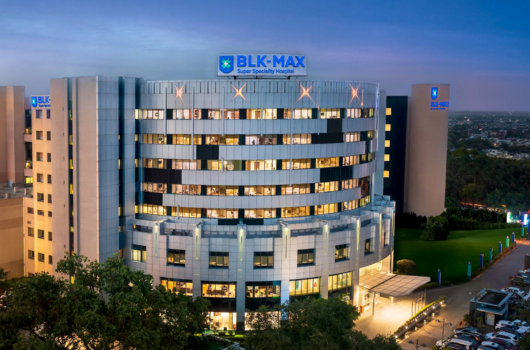
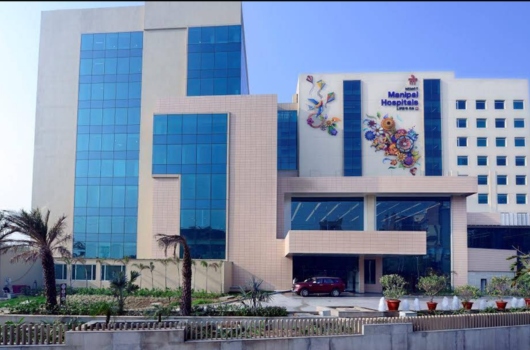
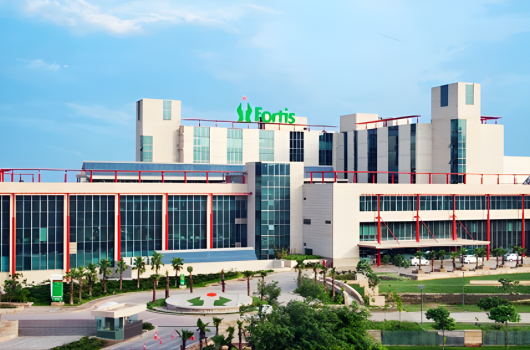
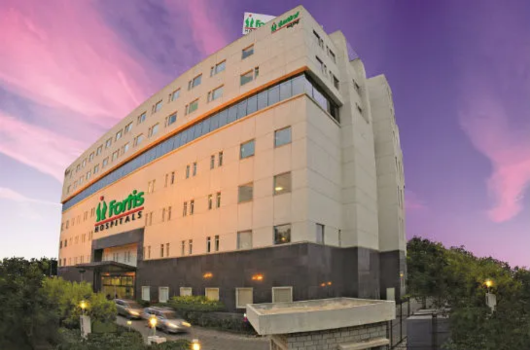
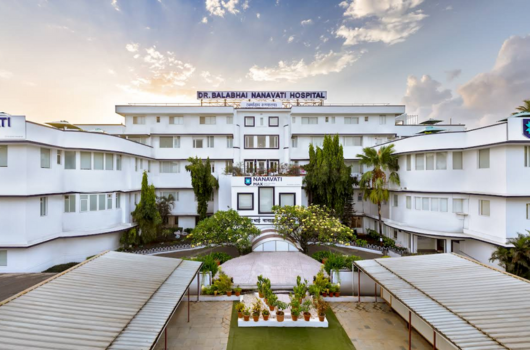
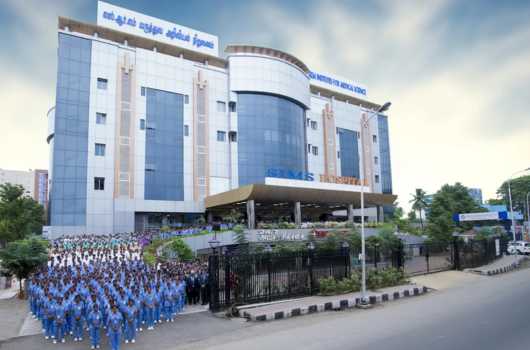
India has several leading hospitals where the open skull base middle fossa approach is performed by skilled neurosurgeons with access to advanced imaging, modern surgical tools, and strong international patient support.




.png)
.png)

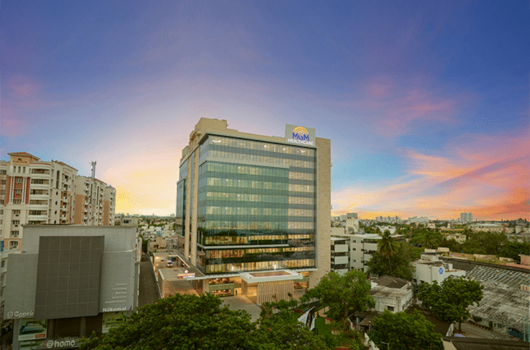
.png)
.png)
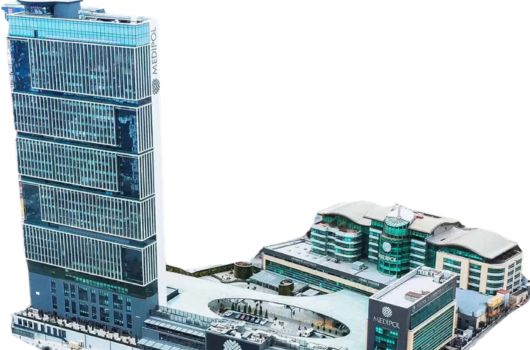
These hospitals combine expertise, modern infrastructure, and global patient services, making them top choices for international patients seeking skull base surgery in India and Thailand.
The average cost of the open skull base middle fossa approach in India ranges from $7,000 to $15,000, while in Thailand it generally falls between $10,000 and $22,000. The final expense depends on the complexity of the tumour, hospital facilities, and whether advanced radiation techniques such as proton therapy are needed.
Before reviewing the treatment-wise cost tables, it is important to understand the main factors that influence expenses.
Note: India is recognised for cost-effective advanced neurosurgery and radiosurgery. Hospitals combine affordability with skilled skull base surgeons, modern technology, and the availability of generic medicines.
Note: Thailand’s hospitals are promoted as premium destinations for international patients. The higher cost reflects imported medicines, luxury infrastructure, and all-inclusive patient services.
The costs listed are approximate and may vary based on hospital, location, and patient needs. Consult the healthcare provider for accurate and updated information.
The currency conversion rates in the table above are based on data from March 2026.
Costs vary based on tumour complexity, treatment approach, hospital policies, and length of stay. The listed figures are estimates and actual expenses may differ.
For a detailed cost estimate and guidance on treatment options, patients can reach out to myheco to connect with leading hospitals.
The open skull base middle fossa approach is most commonly used for patients with vestibular schwannomas (acoustic neuromas), where hearing preservation is a key goal. Most outcome data available relates to this indication.
According to a study published in Neurosurgical Focus:
These results demonstrate that, when performed in carefully selected patients at high-volume centres, the middle fossa approach offers strong chances of hearing and facial nerve preservation.
These results are based on clinical studies and may vary depending on tumour size, location, surgical expertise, and the patient’s overall health.
Success with the open skull base middle fossa approach may include:
Leading hospitals adopt a multidisciplinary and patient-focused approach that includes:
Undergoing a complex procedure such as the open skull base middle fossa approach can feel overwhelming for patients and their families. Myheco provides end-to-end assistance, ensuring that international patients receive the right medical guidance, smooth travel arrangements, and complete cost clarity.
Choosing myheco means expert care, faster access, and comprehensive support throughout your treatment journey.
Note: Myheco does not provide medical advice.
✅ Share your medical reports
✅ Receive personalised treatment plans from leading hospitals
✅ Choose the option that suits you best
✅ Let us handle the arrangements

It is mainly used for vestibular schwannomas (acoustic neuromas), meningiomas, and other skull base tumours near the temporal bone. The suitability of this approach depends on tumour size, location, and the patient’s overall condition. Doctors determine the best surgical option after detailed imaging and evaluation.
The procedure is carried out by neurosurgeons and skull base surgeons, often supported by ENT and neuro-otology specialists. The surgical team may vary depending on the hospital, tumour characteristics, and the complexity of the case.
Hospital stay usually lasts 7-10 days, followed by several weeks of rehabilitation depending on hearing, balance, and nerve function. Recovery time can differ between patients based on surgical complexity, overall health, and post-operative healing.
Yes, in carefully selected patients with small tumours, the middle fossa approach offers one of the best chances of hearing preservation. Hearing preservation depends on tumour size and nerve involvement. Doctors will evaluate whether this approach is suitable for each patient.
Not always. Radiation therapy or radiosurgery is recommended only if a small part of the tumour remains or if regrowth is detected. Doctors decide whether additional therapy is needed based on surgical findings, tumour behaviour, and follow-up scans.
Yes, most hospitals allow one or two family members to accompany the patient with a medical attendant visa.
Myheco supports patients with doctor appointments, cost estimates, visa paperwork, and airport transfers, ensuring a smooth experience.
India’s leading hospitals for Open Skull Base Approach – Middle Fossa treatment and advanced neurosurgery include Apollo Proton Cancer Centre (APCC), Apollo Hospital, SIMS Hospital, MGM Healthcare, and Rela Hospital in Chennai; Manipal Hospital, Apollo Hospital, and Fortis Hospital in Bangalore; Manipal Hospital Dwarka, Max Hospital, BLK-Max Super Speciality Hospital, Medanta – The Medicity, IBS (Institute of Brain and Spine), Apollo Indraprastha Hospital, and Fortis Hospital in Delhi; Nanavati Max Super Speciality Hospital, Apollo Hospital, and Fortis Hospital in Mumbai; and Apollo Hospital in Hyderabad. These centres are recognised for specialised skull base surgery programs, high-resolution imaging, intraoperative navigation, and multidisciplinary neuro-oncology care.
In Thailand, Samitivej Sukhumvit Hospital in Bangkok is internationally recognised for advanced skull base neurosurgery, modern operating technologies, and multidisciplinary care. The hospital also provides dedicated international patient support services for patients travelling for treatment.


DISCLAIMER: THIS WEBSITE DOES NOT PROVIDE MEDICAL ADVICE
The information, including but not limited to, text, graphics, images and other material contained on this website are for informational purposes only. No material or content on this site is intended to be a substitute for professional medical advice, diagnosis, or treatment. Always seek the advice of your physician or other qualified health care provider with any questions you may have regarding a medical condition or treatment and before undertaking a new health care regimen, and never disregard professional medical advice or delay in seeking it because of something you have read on this website - www.myheco.com

.png)