
Peripheral T-cell lymphoma (PTCL) is a rare and aggressive form of non-Hodgkin lymphoma that develops from mature T-cells, a type of white blood cell that plays a key role in the immune system. By the time it is diagnosed, PTCL often affects multiple organs such as the bone marrow, spleen, liver, and skin.
The goal of treatment is to control the disease, relieve symptoms, and achieve long-term remission. Doctors usually combine chemotherapy, immunotherapy, and stem cell transplantation, depending on the subtype, stage, and overall health of the patient.
A common misconception is that PTCL always has poor outcomes. In reality, with early detection and modern treatment strategies, many patients achieve remission and maintain a good quality of life.
Treatment options include:
With timely diagnosis and access to specialised care, patients with peripheral T-cell lymphoma can benefit from personalised treatments that improve survival and quality of life.

Peripheral T-cell lymphoma (PTCL) is an aggressive blood cancer that spreads quickly through the lymphatic system and bloodstream, affecting organs such as the bone marrow, liver, spleen, and skin. Without timely treatment, it can cause severe complications and rapidly worsen a patient’s health.
Treatment is essential to control the spread of lymphoma cells, relieve symptoms, and improve survival. Early medical care helps patients achieve remission and maintain a better quality of life.
The exact cause of PTCL is unknown, but several factors may increase the risk:
Symptoms vary depending on the organs involved but often include:
Doctors recommend starting treatment when:
Although PTCL can be aggressive, prompt diagnosis and multidisciplinary care significantly improve treatment outcomes. Myheco connects international patients with leading lymphoma specialists and hospitals for advanced PTCL management.
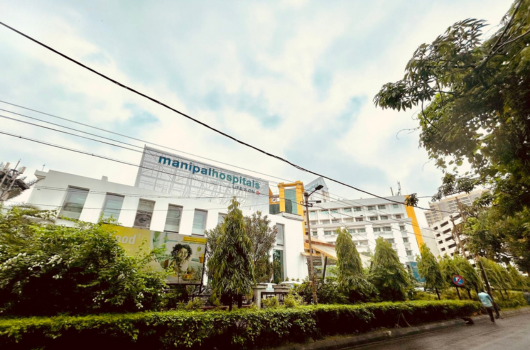
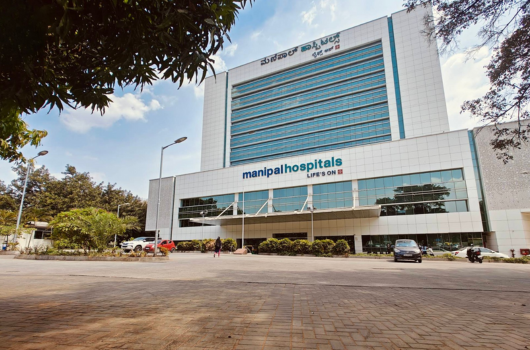
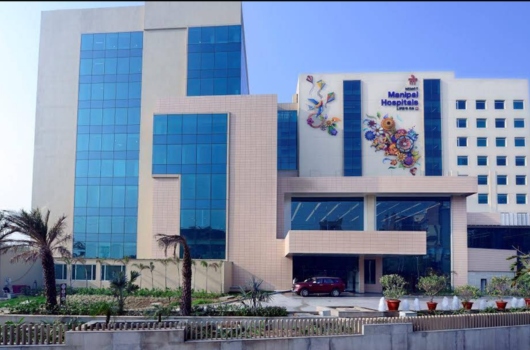
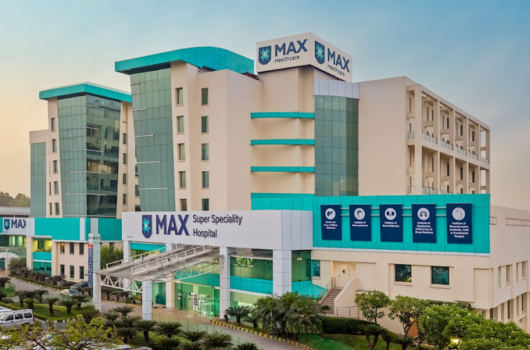
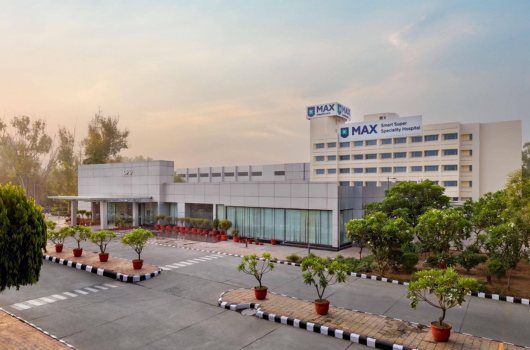
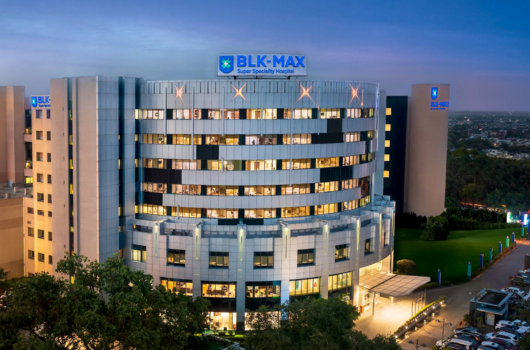
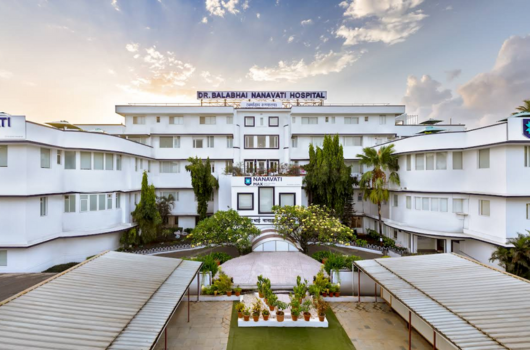
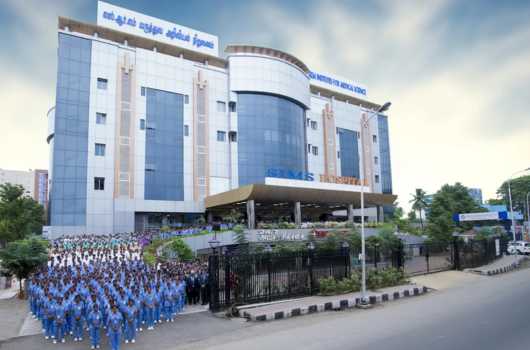
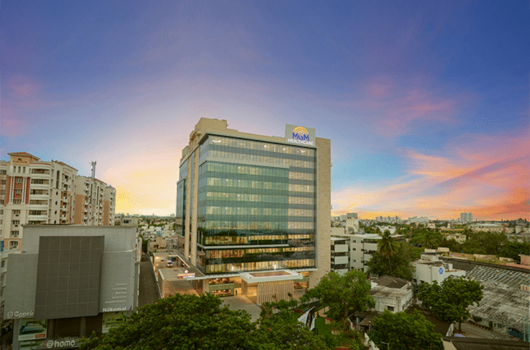
India and Thailand host several world-class hospitals that provide advanced care for peripheral T-cell lymphoma (PTCL). These centres are equipped with modern facilities for chemotherapy, targeted therapy, bone marrow transplantation, and comprehensive international patient support.
.png)

.png)

These hospitals combine clinical expertise, innovative technology, and global-quality care to ensure optimal treatment outcomes for peripheral T-cell lymphoma patients from India and abroad.
The average cost of peripheral T-cell lymphoma (PTCL) treatment is generally between $10,000 and $25,000 in India, and between $15,000 and $35,000 in Thailand. These estimates cover common treatments such as chemotherapy, targeted therapy, immunotherapy, and stem cell transplantation. The total cost depends on the treatment plan, hospital facilities, patient condition, and duration of stay. Before viewing the detailed cost tables, it is helpful to understand the key factors that influence overall expenses.
Note: India is recognised for offering cost-effective advanced lymphoma treatment. Hospitals combine affordability with expert haematology-oncology care, modern transplant units, and access to generics and biosimilars that significantly reduce overall expenses.
Note: Thailand’s hospitals are known for their premium patient experience, international-standard care, and use of high-cost imported medications. The higher treatment costs often reflect all-inclusive care packages, advanced infrastructure, and seamless coordination for foreign patients.
The costs listed are approximate and may vary based on hospital, location, and patient needs. Consult the healthcare provider for accurate and updated information.
The currency conversion rates in the table above are based on data from March 2026.
For a detailed cost estimate and guidance on treatment options, patients can reach out to myheco to connect with leading hospitals.
According to Cancer Research UK, around 35 in 100 people (35%) with peripheral T-cell lymphoma survive for 5 years or more after diagnosis.
Survival rates vary depending on the subtype:
Though PTCL is an aggressive disease, early diagnosis, advanced chemotherapy, targeted therapy, and stem cell transplantation are helping many patients achieve longer remission and improved quality of life.
Success in PTCL treatment does not always mean complete cure. Instead, it may involve:
Leading hospitals in India and Thailand use a multidisciplinary and patient-focused approach to manage peripheral T-cell lymphoma effectively. Teams of haemato-oncologists, transplant specialists, and radiologists work together to create individualised treatment plans based on each patient’s condition and disease subtype.
Their treatment approach includes:
By combining precision-based medicine, cutting-edge technology, and coordinated patient care, these hospitals help achieve better survival rates and improved quality of life for patients with peripheral T-cell lymphoma.
Myheco helps international patients access advanced peripheral T-cell lymphoma treatment by connecting them with top haemato-oncologists, assisting with treatment planning, and coordinating every part of their medical journey. Myheco ensures that each patient receives personalised, seamless, and transparent support from diagnosis to post-treatment recovery.
Choosing myheco ensures expert care, timely coordination, and trusted support from the moment of inquiry to recovery.
Note: Myheco does not provide medical advice.

Common symptoms include swollen lymph nodes, fever, night sweats, unexplained weight loss, fatigue, and sometimes skin rashes or itching. Some patients may also experience abdominal pain if the spleen or liver is affected. Symptoms can vary between individuals, so persistent or unusual signs should be evaluated by a qualified doctor.
Peripheral T-cell lymphoma is managed by haemato-oncologists, supported by medical oncologists, radiologists, and bone marrow transplant specialists in a multidisciplinary team.
Diagnosis involves a lymph node biopsy, immunophenotyping, molecular testing, and imaging such as PET-CT or MRI to determine the disease subtype and stage. The exact diagnostic approach may vary depending on the patient’s symptoms and clinical findings.
Treatment includes chemotherapy, targeted therapy, immunotherapy, and stem cell transplantation. The treatment strategy depends on the PTCL subtype, disease stage, and the patient’s overall health, and is usually determined by the treating oncology team.
Some patients achieve long-term remission, particularly when treated early and followed by stem cell transplantation. However, the chance of relapse exists, so regular follow-up care is essential, and individual outcomes should be discussed with the treating specialist.
Yes. Most hospitals allow one or two attendants with the patient under a medical attendant visa and offer accommodation options for families near the hospital.
Myheco helps with doctor consultations, cost estimates, visa invitation letters, airport pickup, and ongoing follow-up coordination after treatment, while all medical care and treatment decisions are handled by the hospital’s clinical team.
India has several renowned hospitals offering specialised care for peripheral T-cell lymphoma (PTCL). In Chennai, top centres include SIMS Hospital, MGM Healthcare, Apollo Cancer Centre, and the Apollo Proton Cancer Centre. In Bangalore, Manipal Hospital Main Branch is recognised for advanced lymphoma care and bone marrow transplantation. In Delhi, Manipal Hospital Dwarka, Max Super Speciality Hospital Saket, and BLK-Max Hospital provide comprehensive haematology-oncology services. In Mumbai, Nanavati Max Hospital offers state-of-the-art lymphoma treatment and international patient coordination. In Kolkata, Manipal Hospitals EM Bypass (Medica Synergie Cancer Hospital) is trusted for expert lymphoma management and supportive care.
In Thailand, Samitivej Sukhumvit Hospital and Samitivej Srinakarin Hospital are highly recommended for peripheral T-cell lymphoma treatment. These hospitals offer advanced chemotherapy, targeted therapy, and stem cell transplantation facilities under experienced oncologists. With modern infrastructure, multidisciplinary care, and dedicated international patient programs, Samitivej Hospitals ensure safe, effective, and personalised treatment for PTCL patients.


DISCLAIMER: THIS WEBSITE DOES NOT PROVIDE MEDICAL ADVICE
The information, including but not limited to, text, graphics, images and other material contained on this website are for informational purposes only. No material or content on this site is intended to be a substitute for professional medical advice, diagnosis, or treatment. Always seek the advice of your physician or other qualified health care provider with any questions you may have regarding a medical condition or treatment and before undertaking a new health care regimen, and never disregard professional medical advice or delay in seeking it because of something you have read on this website - www.myheco.com

.png)