
Pituitary adenoma treatment focuses on controlling or removing tumours that arise in the pituitary gland at the base of the brain. Most pituitary adenomas are benign (non-cancerous), but they can cause hormone imbalances or press on nearby structures like the optic nerves.
The goals of treatment are to normalise hormone levels, protect vision, relieve pressure, and prevent recurrence. Common treatment options include:
A common myth is that all pituitary tumours need surgery. In reality, many prolactin-secreting tumours respond well to medication and may never need an operation.
Doctors decide the plan based on:
With the right approach, most people achieve good hormone control, preserved vision, and a normal daily life.

Pituitary adenoma treatment is necessary because these tumours can disrupt hormone balance and press on nearby structures, especially the optic nerves. This may cause vision problems, headaches, infertility, irregular periods, or low energy. Some tumours grow slowly and can be observed, while others need medicine, surgery, or focused radiation to prevent long-term complications and protect vision.
The exact cause isn’t always known, but risk factors include:
Symptoms depend on whether the tumour makes hormones and how large it is:
Doctors recommend treatment when:
Early evaluation and the right treatment plan improve hormone control, protect eyesight, and support long-term health. Myheco helps patients connect with trusted neurosurgery and endocrinology teams worldwide for timely care.
Some of the world’s most advanced hospitals offer specialised care for patients with pituitary adenoma and other pituitary and skull base tumours. These centres provide comprehensive neurosurgery and neuro-endocrinology services, including endoscopic transsphenoidal surgery, stereotactic radiosurgery, radiation therapy, and hormonal management, supported by experienced neurosurgeons, endocrinologists, and multidisciplinary care teams.
Leading hospitals for pituitary adenoma treatment include:
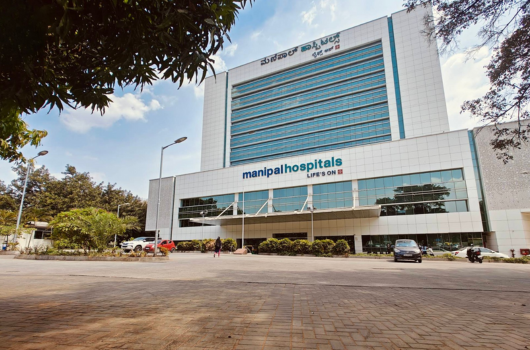



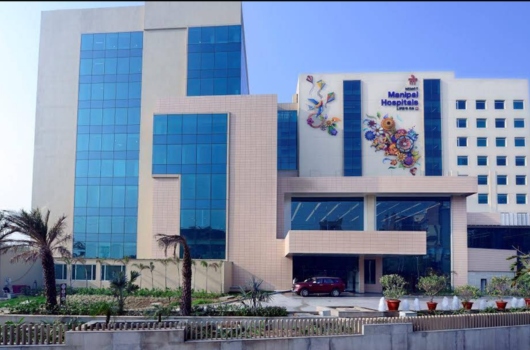


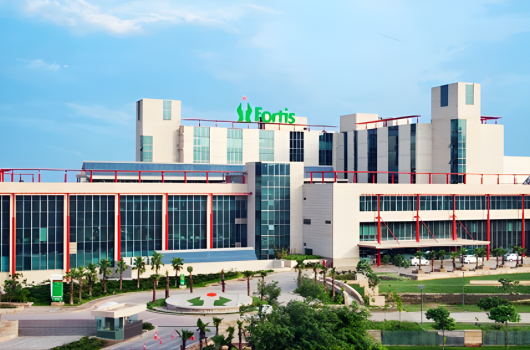



.png)
.png)

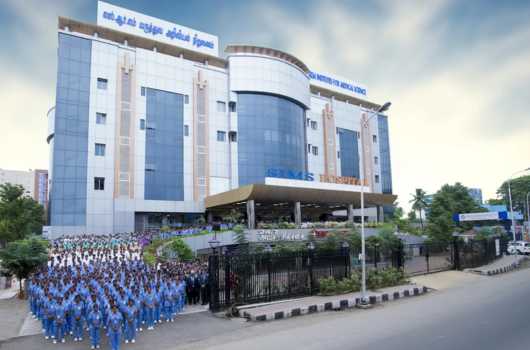
.png)
.png)

These hospitals provide evidence-based treatment protocols, advanced neurosurgical and endocrine expertise, and coordinated care for international patients seeking treatment for pituitary adenoma.
The average cost of pituitary adenoma treatment is generally $4,500 to $10,000 in India and $7,000 to $26,000 in Thailand. Actual costs vary by treatment type (ETS, craniotomy, SRS, EBRT), hospital and city, tumour size and complexity, ICU/room needs, and follow-up tests. Before viewing the treatment-wise cost tables, it helps to understand the main factors that influence pricing.
Note: India is well known for cost-effective, advanced neurosurgery and radiosurgery. Hospitals pair skilled skull-base teams and dedicated neuro-anaesthesia support with modern technology and the availability of generics, helping maintain strong outcomes at reasonable costs.
Note: Thailand’s centres often price higher due to premium infrastructure and bundled international-patient services.
The costs listed are approximate and may vary based on hospital, location, and patient needs. Always confirm with the provider for an accurate estimate.
The currency conversion rates in the table above are based on data from April 2026.
For detailed estimates and guidance, patients can contact myheco to connect with leading hospitals.
Most pituitary tumours are benign (pituitary adenomas). Cancer Research UK reports overall relative survival (which adjusts for deaths from other causes) for all pituitary tumours as:
CRUK notes these figures come from the U.S. CBTRUS registry (2014-2018) and may differ by country; it does not provide separate early- vs advanced-stage survival for pituitary tumours. Even so, the data indicate excellent long-term outcomes when patients receive timely, appropriate care
This integrated approach helps achieve effective tumour control, reduces recurrence risk, and supports long-term hormonal balance and quality of life.

Dr. Anurag Saxena explains that pituitary tumours may be non-secreting or hormone-secreting. As they enlarge, they can press on the optic chiasm and threaten vision. After evaluation, many patients do well with endoscopic transsphenoidal surgery through the nose, with no visible scar, and often return to normal activities within 1-2 weeks. He stresses treatment at a multidisciplinary centre for the best outcomes.
Myheco ensures that international patients receive complete support by connecting them with experienced neurosurgeons and endocrinologists and managing every aspect of their treatment journey. With transparent guidance, expert coordination, and trusted hospital partnerships, myheco helps patients access advanced pituitary adenoma treatment safely and efficiently.
Choosing myheco means expert guidance, faster access, and comprehensive end-to-end support throughout your treatment journey.
Note: Myheco does not provide medical advice.

Mr. Idris Rahama came to India after two unsuccessful brain tumour surgeries in his country. At Manipal Hospital, Delhi, Dr Anurag Saxena performed advanced endoscopic neurosurgery, leading to a smoother recovery. In the video, he thanks the team for skilled, safe and respectful care, and urges others who need specialist treatment to consider Manipal Hospital in India.
✅ Share your medical reports
✅ Receive personalised treatment plans from leading hospitals
✅ Choose the option that suits you best
✅ Let us handle the arrangements

Headache, vision changes, menstrual irregularities, infertility, fatigue, weight changes, and hormone-related signs like acromegaly or Cushing’s features. Symptoms can vary depending on the tumour type and hormone involvement.
A neurosurgeon and an endocrinologist lead the care team, often with ENT skull base surgeons, radiologists, and radiation oncologists.
No. Prolactinomas often respond well to medication. Surgery is considered for vision risk, medication failure, or other functioning/non-functioning tumours, based on individual clinical evaluation.
Typically 4-7 days, depending on recovery, CSF leak checks, and hormone stability. The duration may vary between patients.
Yes, especially with residual tumour or invasive growth. Regular MRI and hormone tests help detect recurrence early. Long-term follow-up is essential.
Costs vary by treatment, hospital, and city. Use our cost tables as a guide and always confirm a personalised estimate with the hospital.
Yes. Most hospitals allow one attendant. For international travel, check medical attendant visa requirements.
We help with doctor consultations, cost estimates, visa paperwork, and airport pickup.
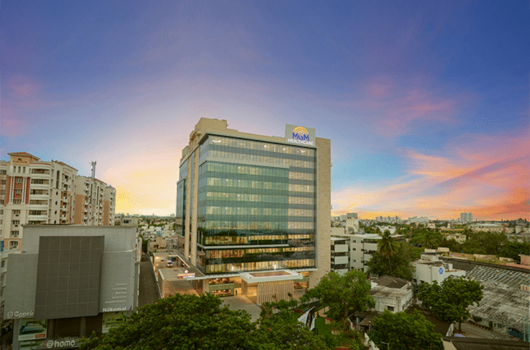
India’s leading hospitals for pituitary adenoma treatment include Manipal Hospital, Apollo Hospital, and Fortis Hospital in Bangalore; Max Hospital, BLK-Max Super Speciality Hospital, Manipal Hospital Dwarka, Medanta – The Medicity, Institute of Brain and Spine (IBS) Hospital, Indraprastha Apollo Hospital, and Fortis Hospital in Delhi; Apollo Proton Cancer Centre (APCC), Apollo Hospital, SIMS Hospital, MGM Healthcare, and Rela Hospital in Chennai; Nanavati Max Super Speciality Hospital, Apollo Hospital, and Fortis Hospital in Mumbai; and Apollo Hospital in Hyderabad. These centres provide advanced endoscopic transsphenoidal surgery, stereotactic radiosurgery, radiation therapy, and comprehensive neuro-endocrine care, supported by experienced neurosurgeons, endocrinologists, and multidisciplinary care teams.
In Thailand, Samitivej Sukhumvit Hospital in Bangkok is internationally recognised for advanced endoscopic skull base surgery, stereotactic radiosurgery, radiation therapy, and integrated neuro-endocrine care. The hospital also offers structured international patient services, supporting patients travelling from overseas for pituitary adenoma treatment.


DISCLAIMER: THIS WEBSITE DOES NOT PROVIDE MEDICAL ADVICE
The information, including but not limited to, text, graphics, images and other material contained on this website are for informational purposes only. No material or content on this site is intended to be a substitute for professional medical advice, diagnosis, or treatment. Always seek the advice of your physician or other qualified health care provider with any questions you may have regarding a medical condition or treatment and before undertaking a new health care regimen, and never disregard professional medical advice or delay in seeking it because of something you have read on this website - www.myheco.com

.png)