
Polycythaemia Vera (PV) is a rare, chronic blood disorder classified as a myeloproliferative neoplasm, in which the bone marrow produces an excessive number of red blood cells. This abnormal overproduction causes the blood to become thicker than normal, increasing the risk of blood clots, strokes, and other serious complications.
Red blood cells are responsible for carrying oxygen throughout the body. In polycythaemia vera, the increased red cell mass slows blood flow and places additional strain on the heart and blood vessels. Over time, this can affect vital organs such as the brain, heart, and spleen.
Polycythaemia vera usually develops due to an acquired genetic mutation, most commonly in the JAK2 gene, which leads to uncontrolled blood cell production. In some patients, the condition may also cause elevated white blood cells and platelets.
The primary goals of treatment for polycythaemia vera are to:
Treatment typically includes phlebotomy, low-dose aspirin, cytoreductive therapy, and targeted medications, along with regular follow-up to manage symptoms and prevent complications. With appropriate treatment and monitoring, many patients with polycythaemia vera can live for many years with controlled disease.

Polycythaemia Vera (PV) requires ongoing and specialised treatment because it is a chronic condition that can lead to serious and potentially life-threatening complications if left unmanaged. The excessive production of red blood cells causes the blood to thicken, slowing circulation and significantly increasing the risk of clot formation.
Without appropriate treatment, patients with polycythaemia vera may develop complications such as stroke, heart attack, deep vein thrombosis, or pulmonary embolism. Over time, the disease can also progress to myelofibrosis or, in rare cases, acute leukaemia, making early diagnosis and consistent management essential.
Polycythaemia vera usually develops due to an acquired genetic mutation that affects blood cell production. The most commonly identified cause is a mutation in the JAK2 gene, which leads to uncontrolled red blood cell formation in the bone marrow.
Common causes and risk factors include:
Symptoms of polycythaemia vera often develop gradually and may be overlooked in the early stages. As blood thickness increases, symptoms become more noticeable and persistent. Common symptoms include:
Doctors typically initiate treatment for polycythaemia vera when:
Early and consistent treatment helps control blood thickness, reduce symptoms, and prevent long-term complications. Doctors start treatment based on blood test results, symptom severity, and individual risk of complications.
Myheco supports patients by connecting them with experienced haematologists at leading hospitals for accurate diagnosis, risk assessment, and personalised treatment planning.
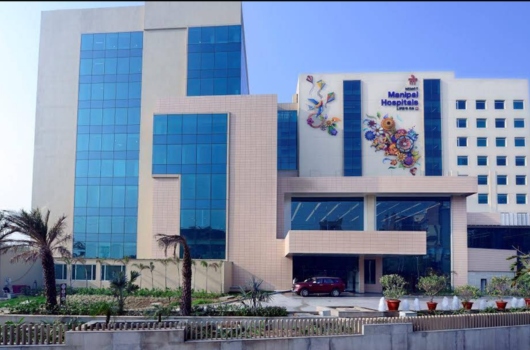
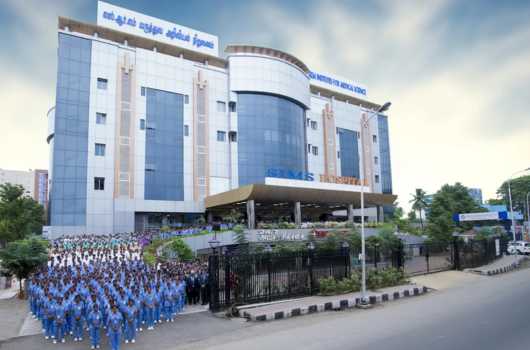
Several leading hospitals in India and Thailand offer specialised care for polycythaemia vera, supported by experienced haematologists, advanced diagnostic facilities, and multidisciplinary treatment teams. These centres are equipped to manage chronic blood disorders through accurate diagnosis, long-term monitoring, and personalised treatment plans aligned with international standards of care.





.jpg)




.png)

.png)
%20%E2%80%93%20Banjara%20Hills%2C%20Hyderabad.png)
.png)


.png)
.png)

These hospitals focus on accurate diagnosis, risk stratification, and long-term disease control, ensuring patients with polycythaemia vera receive consistent and reliable care throughout their treatment journey.
The average cost of polycythaemia vera treatment in India typically ranges between $2,500 and $9,000, depending on the treatment approach, hospital, and duration of care. In Thailand, the cost ranges from $3,500 to $12,000. The total expense can vary based on whether the patient undergoes phlebotomy, medication-based therapy, or targeted treatment. Before exploring the treatment-wise cost tables, it helps to understand the major factors that influence these costs.
Note: India remains one of the most trusted destinations for the management of chronic blood disorders, offering advanced haematology care at significantly lower costs than many Western countries. Patients benefit from experienced haematologists, structured long-term monitoring programmes, and affordable access to essential and generic medications, ensuring effective and economically accessible care.
Note: Thailand is widely recognised as a premium healthcare destination, known for its world-class hospitals, advanced diagnostic infrastructure, and internationally trained haematology specialists. Patients often value the combination of high-quality long-term care, comfort-focused services, and seamless international patient coordination.
The above figures are approximate and can vary based on the hospital, location, and individual patient needs. Always consult the healthcare provider for the most accurate and updated pricing.
The currency conversion rates in the table above are based on data from March 2026.
Doctors plan treatment based on disease risk and patient needs, so costs may vary depending on the therapy approach and duration of care.
For a personalised cost estimate and guidance on treatment options, patients can contact myheco to connect with leading hospitals.
Polycythaemia vera is a chronic and manageable blood disorder rather than a curable condition. In a large international study of 1545 patients published on PubMed Central (PMC), the median survival was reported as 18.9 years for the overall group. In a subset of patients with more complete follow-up data, the median survival was 14.1 years.
The study also showed that leukemic transformation occurred in 3% of patients, with a cumulative risk of 2.3% at 10 years and 5.5% at 15 years. These findings highlight the importance of long-term monitoring and appropriate treatment.
With proper management, many patients are able to maintain stable disease control and a good quality of life over time.
Several factors affect outcomes in polycythaemia vera treatment:
In polycythaemia vera, treatment success is defined by long-term disease control rather than cure. Key indicators of successful management include:
Leading hospitals in India and Thailand follow evidence-based protocols to optimise outcomes for patients with polycythaemia vera, including:
With structured care and ongoing monitoring, many patients with polycythaemia vera lead active and productive lives despite the chronic nature of the condition.
Myheco provides end-to-end support for international patients seeking treatment for polycythaemia vera, ensuring access to experienced specialists and smooth coordination throughout the medical journey. By partnering with trusted hospitals and healthcare providers, myheco helps patients navigate diagnosis, treatment planning, and long-term care with clarity and transparency.
Choosing myheco allows patients with polycythaemia vera to focus on their health while receiving reliable guidance, coordinated care, and trusted hospital access at every stage.
Note: Myheco does not provide medical advice.
✅ Share your medical reports
✅ Receive personalised treatment plans from leading hospitals
✅ Choose the option that suits you best
✅ Let us handle the arrangements

Common symptoms include headaches, dizziness, fatigue, itching (especially after warm baths), redness of the skin, visual disturbances, and shortness of breath. Some patients may also experience abdominal discomfort due to an enlarged spleen. Symptoms can vary from person to person and may develop gradually over time.
Haematologists specialise in diagnosing and treating polycythaemia vera. They manage blood count control, monitor disease progression, and coordinate long-term care. In some cases, treatment may involve a multidisciplinary team depending on the patient’s condition.
Diagnosis involves blood tests to measure red blood cell counts and haematocrit levels, along with genetic testing to detect the JAK2 mutation. In some cases, a bone marrow biopsy may be performed to confirm the diagnosis. The exact tests required may vary based on individual clinical findings.
Polycythaemia vera is a long-term condition, and treatment is typically ongoing or lifelong. Regular monitoring, medication, and follow-up visits are essential to maintain disease control and prevent complications. Treatment duration and response can vary depending on individual patient needs.
There is currently no definitive cure for polycythaemia vera. However, with appropriate treatment, the condition can be effectively managed, allowing many patients to live long and active lives. Outcomes may vary depending on early diagnosis and ongoing management.
The cost varies based on treatment type, hospital, location, and individual patient needs. Costs are approximate and may differ depending on the treatment plan and duration of care. Policies may vary depending on the country and hospital guidelines.
Yes. Most hospitals allow one or two family members to accompany patients under a medical attendant visa, providing support during treatment and follow-up care. Policies may vary depending on the country and hospital guidelines.
Myheco assists with doctor consultations, second opinions, cost estimates, medical visa support, airport pickup, and ongoing care coordination, ensuring a smooth treatment experience. Services may vary based on patient requirements and treatment location.
Leading hospitals in India for polycythaemia vera treatment include Apollo Proton Cancer Centre (APCC), Apollo Cancer Institute, SIMS Hospital, MGM Healthcare, and Rela Hospital in Chennai; Manipal Hospital, Apollo Hospital, and Fortis Hospital in Bangalore; Max Hospital, BLK-Max Super Speciality Hospital, Manipal Hospital Dwarka, Medanta – The Medicity, Apollo Indraprastha Hospital, Apollo Athena Women’s Cancer Hospital, and Fortis Hospital in Delhi; Nanavati Max Super Speciality Hospital, Apollo Hospital, and Fortis Hospital in Mumbai; and Apollo Hospital and Asian Institute of Nephrology & Urology (AINU) in Hyderabad. These hospitals are recognised for specialised haematology services, advanced diagnostics, and long-term management of myeloproliferative disorders like polycythaemia vera.
In Thailand, Samitivej Sukhumvit Hospital in Bangkok is internationally recognised for advanced haematology diagnostics and long-term management of chronic blood disorders. The hospital also provides dedicated international patient support services for patients travelling for treatment.


DISCLAIMER: THIS WEBSITE DOES NOT PROVIDE MEDICAL ADVICE
The information, including but not limited to, text, graphics, images and other material contained on this website are for informational purposes only. No material or content on this site is intended to be a substitute for professional medical advice, diagnosis, or treatment. Always seek the advice of your physician or other qualified health care provider with any questions you may have regarding a medical condition or treatment and before undertaking a new health care regimen, and never disregard professional medical advice or delay in seeking it because of something you have read on this website - www.myheco.com

.png)