
Primary Central Nervous System (CNS) Lymphoma is a rare form of non-Hodgkin lymphoma that originates in the brain, spinal cord, or eyes rather than spreading from another part of the body. It develops when abnormal B-lymphocytes (a type of white blood cell) grow uncontrollably within the central nervous system.
Unlike other lymphomas that metastasise to the brain, primary CNS lymphoma starts and remains confined to the CNS at diagnosis. It can form one or multiple lesions that disrupt normal brain or spinal cord function, leading to neurological symptoms such as headaches, memory loss, or vision problems.
A common misconception is that this condition can be treated through surgery alone. In reality, surgery plays a limited role and is mainly used for biopsy or diagnostic purposes. The main treatment relies on high-dose chemotherapy, targeted therapy, and radiation, often coordinated under a neuro-oncology team.
Doctors recommend treatment for primary CNS lymphoma based on factors such as:
The goal of treatment is to control tumour growth, preserve brain and spinal cord function, and improve long-term survival. With advancements in chemotherapy and targeted therapy, many patients achieve durable remission and better neurological outcomes under specialised neuro-oncology care.
Outcomes in primary CNS lymphoma vary significantly based on age, immune status, tumour location, and response to therapy. Each treatment plan requires careful evaluation by a specialised neuro-oncology team. Through myheco, patients receive coordinated case reviews from experienced centres before making any treatment decisions.

Primary CNS lymphoma can cause serious neurological problems because it grows inside the brain, spinal cord, or eyes, where even small tumours can interfere with vital functions. Early diagnosis and timely treatment are essential to prevent irreversible brain damage, control symptoms, and improve long-term survival.
The exact cause of primary CNS lymphoma is not fully understood, but several factors increase the risk:
Although rare, primary CNS lymphoma can develop in individuals with normal immune function as well. Ongoing research continues to explore other molecular and environmental factors.
Symptoms vary depending on where the tumour develops within the brain or spinal cord. According to the National Cancer Institute, common signs include:
Eye involvement (ocular lymphoma) may cause blurred vision, double vision, or floaters.
Doctors begin treatment once primary CNS lymphoma is confirmed through imaging (MRI/CT) and biopsy results. Treatment is considered urgent when:
Without timely treatment, primary CNS lymphoma may progress and lead to permanent neurological impairment. However, the urgency and type of therapy depend on MRI findings, symptom severity, immune status, and overall health. A structured multidisciplinary evaluation is essential to determine the most appropriate treatment pathway. Myheco connects patients with experienced neuro-oncology centres for timely diagnosis, personalised chemotherapy planning, and coordinated care focused on protecting brain function and overall health.
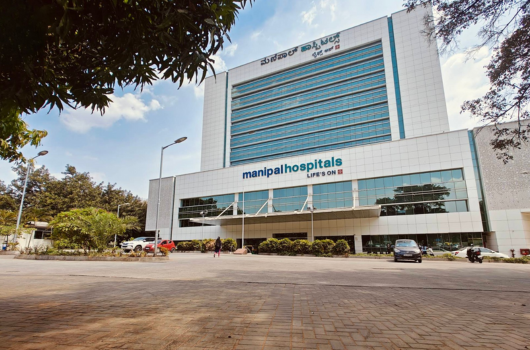
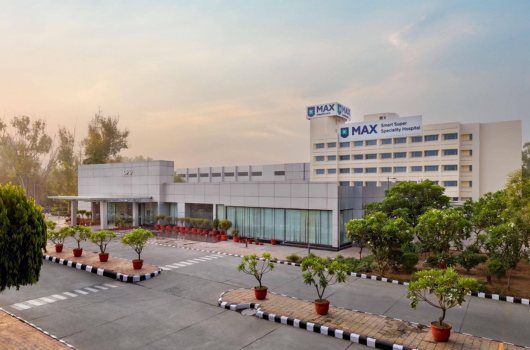
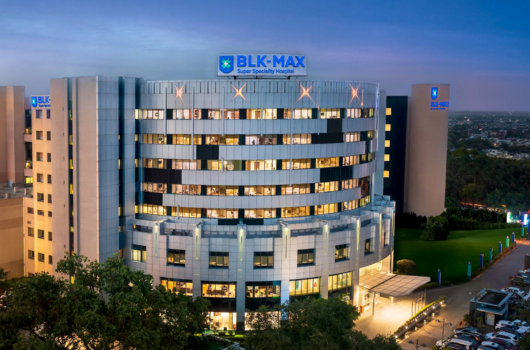
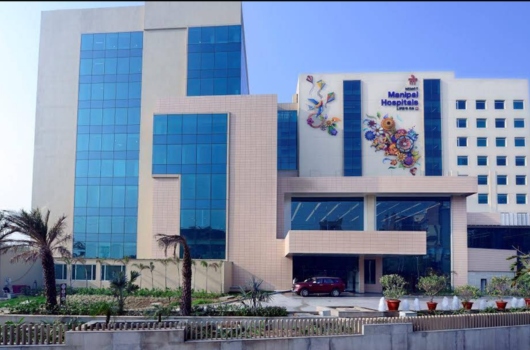
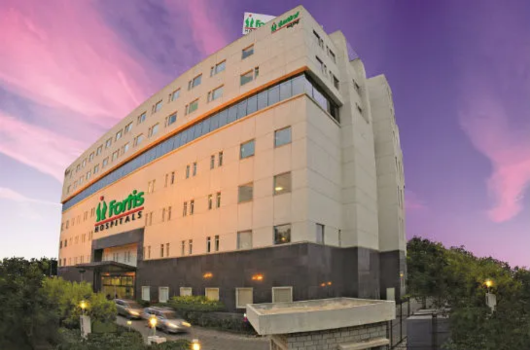
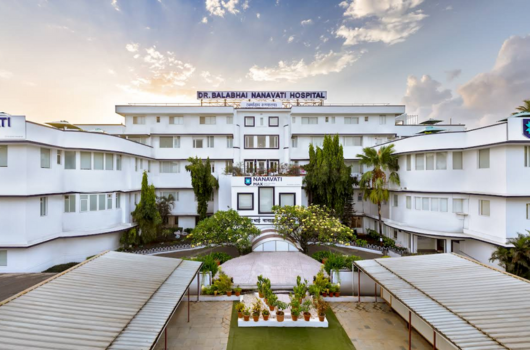
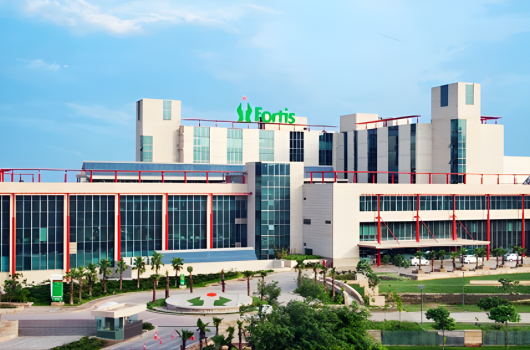
India and Thailand offer some of the most advanced centres for primary CNS lymphoma treatment, bringing together expertise in neuro-oncology, haematology, and radiotherapy. These hospitals provide comprehensive care through collaboration between specialists, ensuring precise diagnosis, effective treatment, and strong international patient support.


.jpg)


.png)
.png)
%20%E2%80%93%20Banjara%20Hills%2C%20Hyderabad.png)
.png)
.png)
.png)

These hospitals combine cutting-edge technology, experienced specialists, and seamless international services, ensuring patients with primary CNS lymphoma receive safe and effective care close to global standards.
The average cost of primary CNS lymphoma treatment in India typically ranges between $6,000 and $20,000, while in Thailand it ranges between $8,500 and $28,000. The total expense depends on the treatment plan, hospital, and patient condition, including whether advanced therapies like stem cell transplantation or targeted drugs are used.
Before reviewing the treatment-wise cost tables, it’s helpful to understand the main factors that influence these expenses.
Note: India is known for offering cost-effective access to advanced neuro-oncology and haematology treatments. Hospitals combine affordability with strong clinical outcomes, expert oncologists, and advanced facilities for international patients.
Note: Thailand’s hospitals are considered premium destinations for international patients. Their higher costs reflect advanced imported medicines, modern infrastructure, and comprehensive patient care packages.
The above figures are approximate and can vary based on the hospital, location, and individual patient requirements. Always consult the healthcare provider for the most accurate and up-to-date pricing.
The currency conversion rates in the table above are based on data from March 2026.
For a detailed cost estimate and guidance on treatment options, patients can contact myheco to connect with leading hospitals.
A CBTRUS report cited by Cancer Research UK analysed outcomes for primary CNS lymphoma based on data from patients diagnosed between 2014 and 2018.
The findings showed that about 40% of patients survive for five years or more, and around 30% survive for ten years or more after diagnosis. These results highlight the impact of high-dose methotrexate-based chemotherapy and specialised neuro-oncology care in improving long-term survival.
Survival statistics are based on population-level data and do not predict individual outcomes. Prognosis in primary CNS lymphoma varies depending on tumour biology, age, immune status, treatment response, and overall health. Myheco facilitates personalised case evaluations with experienced neuro-oncology centres to help patients understand their individual treatment outlook before making decisions.
With early diagnosis and access to experienced treatment centres, many patients achieve lasting remission and maintain good neurological function.
Success in primary CNS lymphoma treatment goes beyond remission. It includes:
Top oncology and neurology centres in India and Thailand achieve these results through a combination of:
This integrated care approach helps patients achieve better remission rates, lower neurological toxicity, and sustained recovery with long-term disease control.
For many patients diagnosed with primary CNS lymphoma, seeking treatment abroad provides access to specialised neuro-oncology expertise and advanced chemotherapy protocols. Managing a condition affecting the brain or spinal cord requires timely diagnosis and coordinated multidisciplinary care. International patients also need clear guidance on hospital selection, treatment timelines, and costs. Myheco streamlines this journey by connecting patients with experienced centres and coordinating care from medical report review through follow-up support.
Choosing myheco ensures expert medical guidance, smooth coordination, and reliable international support, helping patients access world-class CNS lymphoma care with confidence.
✅ Share your medical reports
✅ Receive personalised treatment plans from leading hospitals
✅ Choose the option that suits you best
✅ Let us handle the arrangements

Symptoms depend on the part of the brain or spinal cord affected. Common signs include persistent headaches, confusion, vision problems, seizures, and weakness on one side of the body. Some patients may also experience memory loss or personality changes. Symptoms vary between individuals, and similar signs may occur in other neurological conditions. Proper medical evaluation is required for accurate diagnosis.
Diagnosis involves MRI or CT imaging, biopsy of the lesion, and sometimes CSF (cerebrospinal fluid) analysis. These tests confirm the presence and type of lymphoma within the central nervous system. Since every case is unique, doctors may adjust the diagnostic approach as needed, diagnostic requirements differ based on each patient’s condition and medical history.
The mainstay of treatment is high-dose methotrexate-based chemotherapy, often combined with targeted therapy (rituximab) or stem cell transplantation. In select cases, reduced-dose whole-brain radiotherapy is used to prevent relapse or treat recurrence. Doctors decide the treatment based on how serious the disease is and how the patient’s body responds to treatment.
The main treatment approach involves high-dose methotrexate–based chemotherapy, often combined with targeted therapy (rituximab) or stem cell transplantation. In some cases, reduced-dose whole-brain radiotherapy may be used to prevent relapse or manage recurrence. Treatment plans can vary depending on factors such as age, overall health, and how the disease responds to initial therapy.
Surgery is not curative and is usually limited to a biopsy for diagnosis. Unlike brain tumours, CNS lymphomas respond best to chemotherapy and targeted therapy rather than surgical removal. In rare cases, surgical intervention may be considered to relieve pressure or obtain tissue samples, depending on the patient’s condition and tumour location. Surgery is considered when doctors need to confirm the diagnosis with a tissue sample or relieve pressure in the brain.
Yes, hospitals allow one or two family members to accompany patients under a medical attendant visa. Accommodation and travel support are arranged through Myheco’s patient assistance program.
Myheco helps with doctor consultations, treatment cost estimates, visa invitation letters, airport pickup and transfers, and follow-up care to ensure a smooth treatment journey.
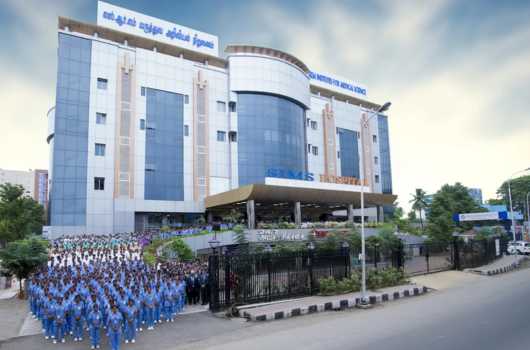
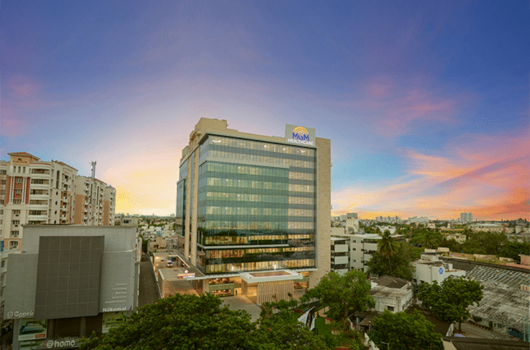
Leading hospitals in India for primary CNS lymphoma treatment include Manipal Hospitals EM Bypass (Kolkata), Manipal Hospital (Bangalore), Manipal Hospital (Dwarka, Delhi), Max Super Speciality Hospital Saket (Delhi), Max Smart Super Speciality Hospital Saket (Delhi), BLK-Max Super Speciality Hospital (Delhi), Nanavati Max Super Speciality Hospital (Mumbai), SIMS Hospital (Chennai), MGM Healthcare (Chennai), Apollo Cancer Institute (Chennai), and Apollo Proton Cancer Centre (Chennai). These hospitals offer specialised neuro-oncology care, high-dose chemotherapy protocols, stem cell transplantation, and advanced radiation therapy.
Hospital selection for primary CNS lymphoma depends on disease complexity, specialist availability, and individual medical needs.
In Thailand, Samitivej Sukhumvit Hospital and Samitivej Srinakarin Hospital are recognised for advanced neuro-oncology and lymphoma treatment services. These centres provide modern chemotherapy protocols, targeted therapy, and coordinated care for international patients.


DISCLAIMER: THIS WEBSITE DOES NOT PROVIDE MEDICAL ADVICE
The information, including but not limited to, text, graphics, images and other material contained on this website are for informational purposes only. No material or content on this site is intended to be a substitute for professional medical advice, diagnosis, or treatment. Always seek the advice of your physician or other qualified health care provider with any questions you may have regarding a medical condition or treatment and before undertaking a new health care regimen, and never disregard professional medical advice or delay in seeking it because of something you have read on this website - www.myheco.com

.png)