
Primary Myelofibrosis Treatment refers to the medical management of Primary Myelofibrosis (PMF), a rare chronic blood cancer that affects the bone marrow. PMF belongs to a group of conditions known as myeloproliferative neoplasms, in which the bone marrow produces abnormal blood cells.
In PMF, scar tissue gradually replaces healthy bone marrow. As a result, the body struggles to produce normal red blood cells, white blood cells, and platelets. This can lead to anaemia, enlarged spleen, fatigue, infections, and bleeding problems.
Treatment does not follow a one-size-fits-all approach. Depending on the stage and risk level, doctors may recommend:
A common misconception is that all patients immediately require aggressive therapy. In reality, some individuals with early-stage or low-risk PMF may only need careful monitoring.
Primary Myelofibrosis treatment works by:
Before recommending treatment, doctors consider several factors:
Early diagnosis plays a crucial role. Although PMF may develop slowly, delayed treatment can lead to severe anaemia, infections, bleeding risks, or transformation into acute leukaemia. Timely evaluation by a haematology specialist ensures that the most appropriate and safe treatment plan is selected.
What is the treatment for Primary Myelofibrosis?
Primary Myelofibrosis treatment includes targeted therapy (such as JAK inhibitors), blood transfusions, medications to manage anaemia, and in selected cases, stem cell transplantation. Treatment is personalised based on disease risk, symptoms, and overall health. While stem cell transplant may offer a potential cure for some patients, most treatments focus on symptom control, improving quality of life, and slowing disease progression.

Primary Myelofibrosis is a progressive condition. Without appropriate management, it can significantly affect overall health and quality of life.
If left untreated, patients may experience:
The disease can also cause persistent fatigue, weight loss, night sweats, and bone pain. These symptoms can interfere with daily activities, work, and emotional wellbeing.
Over time, complications may include:
For high-risk patients, early intervention, especially stem cell transplantation, may improve long-term outcomes. Even when a cure is not possible, modern therapies can significantly reduce symptoms and extend survival.
Treatment is therefore not only about prolonging life but also about maintaining independence, comfort, and overall quality of life.
Understanding the causes and risk factors helps in early detection and timely management.
It is important to note that many patients develop Primary Myelofibrosis without a clearly identifiable cause, and these factors only indicate potential risk rather than a definite reason for the condition.
Symptoms vary depending on disease stage. Early recognition improves treatment outcomes.
If you notice persistent symptoms, consult a haematology specialist for proper evaluation. Early medical attention improves safety and outcomes.
Treatment decisions are based on clinical findings, symptom severity, and overall patient health.
Published haematology guidelines emphasise that Primary Myelofibrosis treatment should be tailored to the patient’s risk category and symptoms. For patients exploring treatment options internationally, myheco helps facilitate connections with experienced specialists and accredited hospitals providing comprehensive blood cancer care.
Some of the world’s most advanced cancer hospitals offer specialised care for patients with Primary Myelofibrosis and other blood cancers. These centres provide comprehensive haematology services, including targeted therapy, supportive care, and stem cell transplantation where clinically appropriate, supported by experienced haematologists and multidisciplinary oncology teams.
Leading hospitals for Primary Myelofibrosis care include:






.jpg)




.png)

.png)
%20%E2%80%93%20Banjara%20Hills%2C%20Hyderabad.png)
.png)


.png)
.png)
These hospitals provide evidence-based treatment protocols, transplant expertise, and coordinated care for international patients seeking Primary Myelofibrosis treatment.
The average cost of Primary Myelofibrosis Treatment typically falls between $2,500 and $30,000 in India and from $50,000 to $80,000 in Thailand. However, the exact amount can differ depending on factors such as the type of treatment, the hospital’s location, and the stage or complexity of the condition. Before exploring the detailed cost breakdown by treatment, it’s useful to understand the main elements that influence these expenses.
Note:India has become a preferred destination for advanced treatment, offering world-class care at a fraction of the international cost. Patients benefit from expert specialists, modern medical technology, and cost-effective access to high-quality care.
Note: Thailand has established itself as a premium destination for advanced treatment, offering world-class hospitals, cutting-edge technology, and internationally trained specialists. Patients choose Thailand not only for high-quality care but also for its holistic and patient-focused service standards.
The above figures are approximate and can vary based on the hospital, location, and individual patient requirements. Always consult the healthcare provider for the most accurate and up-to-date pricing.
The currency conversion rates in the table above are based on data from April 2026.
For a detailed cost estimate and guidance on treatment options, patients can contact myheco to connect with leading hospitals specialising in Primary Myelofibrosis care.
Need a personalised cost estimate or treatment guidance?
Contact the Myheco team on WhatsApp at 919884171144 to share your reports and receive customised hospital options, treatment plans, and cost details.
How long can someone live with Primary Myelofibrosis? Survival varies depending on the stage of the disease, the patient’s age, and the risk category at diagnosis. According to an international study published in the Journal of Clinical Oncology, survival in Primary Myelofibrosis has improved over time.
The study reported:
Importantly, patients in lower-risk categories experienced longer survival compared to high-risk patients. This highlights the importance of early diagnosis, proper risk assessment, and timely treatment planning.
It is also important to understand that survival outcomes can vary between individuals, depending on factors such as overall health, disease characteristics, and response to treatment.
One of the most common questions people ask is whether the condition can be cured. The answer depends on the type of disease, stage at diagnosis, and how early treatment begins. While not every condition is fully curable, many patients achieve remission or live longer, healthier lives with appropriate care.
In Primary Myelofibrosis treatment, “success” can mean:
Leading hospitals follow evidence-based protocols and multidisciplinary approaches to improve outcomes in Primary Myelofibrosis.
With risk-adapted treatment and continuous monitoring, many patients may experience improved survival and quality of life compared to earlier decades, although outcomes vary depending on individual medical factors.
Myheco ensures that international patients receive complete support, from connecting with top haematology specialists to managing every aspect of their medical journey. With transparent guidance, expert coordination, and trusted hospital partnerships, myheco helps patients access advanced Primary Myelofibrosis treatment safely and efficiently.
Choosing myheco means receiving expert medical connections, smooth coordination, and trusted guidance for every step of your Primary Myelofibrosis treatment journey.
Note: Myheco does not provide medical advice.
✅ Share your medical reports
✅ Receive personalised treatment plans
✅ Choose the option that suits you best
✅ Let us handle the arrangements

Most treatments are safe when performed by experienced haematology teams. Risks vary depending on therapy type, especially with stem cell transplantation. Treatment suitability and risks vary for each patient and should be discussed with a qualified medical specialist.
Medication-based therapy may not require admission. Stem cell transplant may require 3-6 weeks of hospitalisation. Hospital stay duration varies based on the treatment plan, patient health condition, and hospital protocols.
Risks include infection, graft-versus-host disease, and organ complications. Careful patient selection reduces these risks. The risk profile varies for each patient and should be evaluated by a transplant specialist.
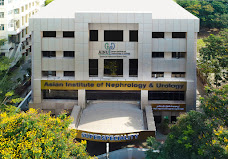
India’s leading hospitals for Primary Myelofibrosis treatment include Apollo Proton Cancer Centre (APCC), Apollo Cancer Institute, SIMS Hospital, MGM Healthcare, Rela Hospital, and Asian Institute of Nephrology & Urology (AINU) in Chennai; Manipal Hospital, Apollo Hospital, and Fortis Hospital in Bangalore; Max Hospital, BLK-Max Super Speciality Hospital, Manipal Hospital Dwarka, Medanta – The Medicity, Indraprastha Apollo Hospital, Apollo Athena Women’s Cancer Hospital, and Fortis Hospital in Delhi NCR; Nanavati Max Super Speciality Hospital, Apollo Hospital, and Fortis Hospital in Mumbai; and Asian Institute of Nephrology & Urology (AINU) in Hyderabad. These centres are recognised for advanced haematology care, bone marrow transplant programs, and multidisciplinary cancer treatment.
In Thailand, Samitivej Sukhumvit Hospital in Bangkok is internationally recognised for advanced haematology, stem cell transplant services, and comprehensive cancer care. Both hospitals offer specialised blood disorder management along with dedicated international patient support services.
Stem cell transplantation may offer a potential cure for selected patients. Other treatments focus on symptom control and disease management. Eligibility for curative treatment depends on several medical factors and must be assessed by a qualified haematologist.
Myheco connects patients with specialist hospitals, provides cost estimates, and coordinates travel and medical documentation.
No. Myheco facilitates coordination between patients and hospitals but does not provide medical advice. All medical decisions and treatment recommendations are provided by licensed healthcare professionals.


DISCLAIMER: THIS WEBSITE DOES NOT PROVIDE MEDICAL ADVICE
The information, including but not limited to, text, graphics, images and other material contained on this website are for informational purposes only. No material or content on this site is intended to be a substitute for professional medical advice, diagnosis, or treatment. Always seek the advice of your physician or other qualified health care provider with any questions you may have regarding a medical condition or treatment and before undertaking a new health care regimen, and never disregard professional medical advice or delay in seeking it because of something you have read on this website - www.myheco.com

.png)