
The open skull base approach - retrosigmoid is a surgical technique used to access tumours and other lesions located at the back of the brain, near the cerebellum and brainstem. Surgeons make an opening behind the ear (the retrosigmoid region) to reach the affected area safely while preserving important brain functions.
This approach is often chosen for conditions such as vestibular schwannomas (acoustic neuromas), meningiomas, epidermoid tumours, and certain vascular disorders. The retrosigmoid technique allows surgeons to work close to delicate structures like the cranial nerves, which control hearing, balance, and facial movement.
A common misconception is that all skull base surgeries require highly invasive methods with high risks. In reality, the retrosigmoid approach is designed to provide effective tumour access while reducing complications and preserving neurological function.
Understanding this procedure, its benefits, and recovery is important for patients and families. Modern neurosurgical techniques, advanced imaging, and intraoperative monitoring make the retrosigmoid approach safer and more precise. With skilled care, many patients achieve good tumour control, symptom relief, and improved quality of life.

People may need the retrosigmoid skull base approach when they have tumours or vascular conditions located at the back of the brain, near the brainstem and cerebellum. This approach provides direct access to these deep areas while aiming to preserve hearing, balance, and facial nerve function.
Treatment helps remove or control tumour growth, relieve pressure on critical nerves, and improve neurological function and overall quality of life.
The retrosigmoid skull base approach is not a disease itself but a surgical method used to treat tumours or lesions located at the back of the brain. Common causes of these conditions include:
Symptoms vary depending on the type, size, and location of the tumour or lesion near the brainstem and cranial nerves. Common symptoms include:
Surgery using the retrosigmoid approach is considered when symptoms worsen, tumours enlarge, or imaging confirms compression of vital nerves or the brainstem. Early surgical intervention can help preserve hearing, protect facial nerve function, and prevent long-term neurological damage.
Accurate diagnosis is essential before planning skull base surgery. Doctors may recommend:
Finding these conditions early and planning the right surgical approach improves the chances of nerve preservation, symptom relief, and long-term quality of life. If you or a loved one experiences persistent hearing loss, dizziness, or facial weakness, myheco can connect you with experienced neurosurgeons at leading skull base surgery centres.
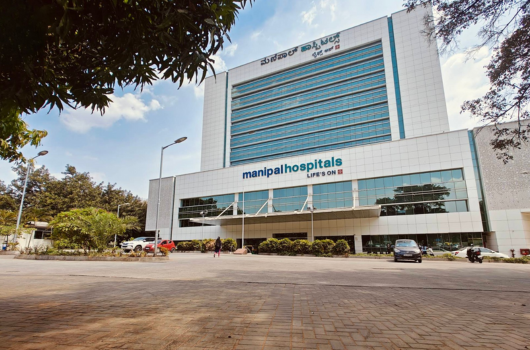
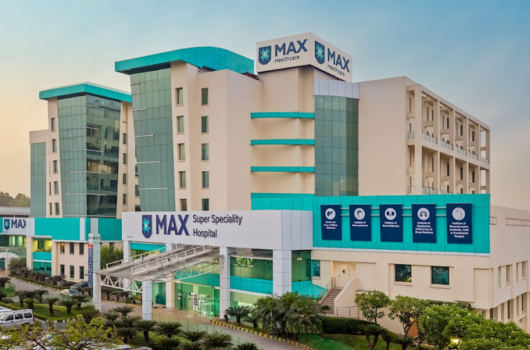
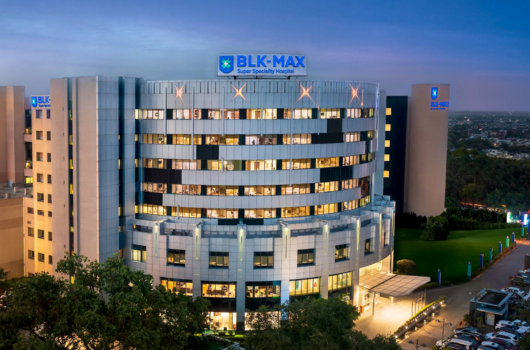
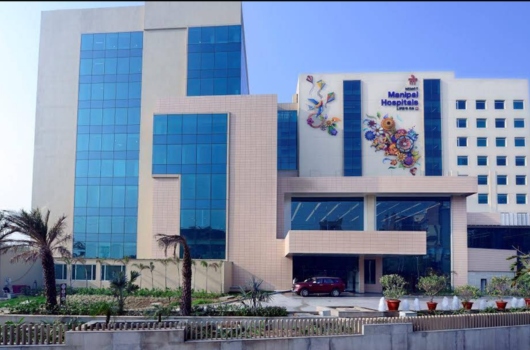
Some of the world’s most advanced neurosurgery hospitals offer specialised care for patients requiring the retrosigmoid skull base approach, commonly used for tumours near the brainstem such as vestibular schwannomas and meningiomas. These centres provide comprehensive skull base neurosurgical care, including microsurgery, intraoperative neuro-monitoring, advanced neuroimaging, and radiosurgery support, led by experienced neurosurgeons, neuro-otologists, and multidisciplinary teams. They also offer international patient services and structured follow-up care to ensure optimal recovery.
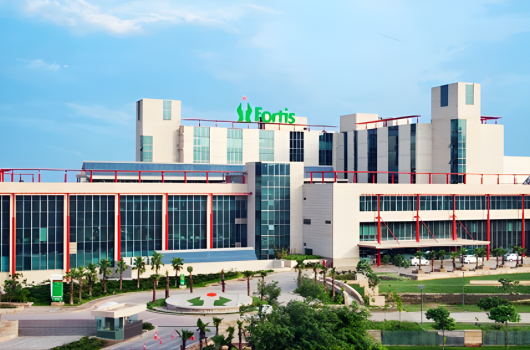
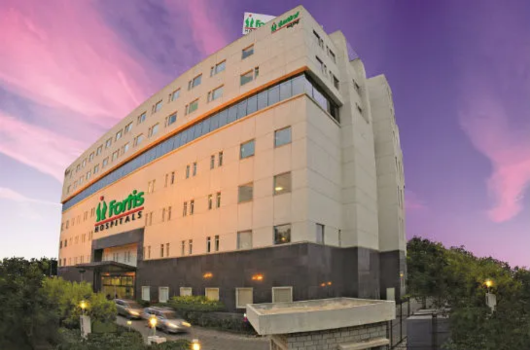
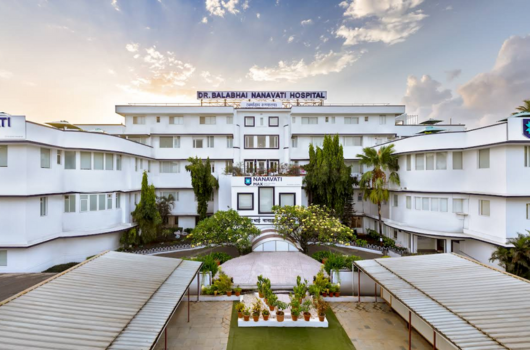
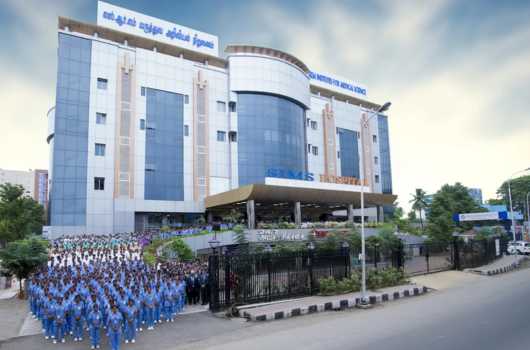
Leading hospitals for retrosigmoid approach surgery include:




.png)
.png)

.png)
These hospitals follow evidence-based treatment protocols, offer access to advanced neurosurgical technologies, and provide coordinated care for international patients seeking retrosigmoid approach surgery.
The average cost of retrosigmoid approach surgery ranges from $5,400 to $7,300 in India and from $9,400 to $13,600 in Thailand. The final expense depends on several factors such as the type and size of the tumour, the complexity of surgery, hospital facilities, and the patient’s overall health. Before checking the detailed table of treatment-wise costs, it is important to understand the main factors that influence retrosigmoid surgery expenses.
Note: India has become a preferred destination for advanced treatment, offering world-class care at a fraction of the international cost. Patients benefit from expert doctors, modern medical technology, and affordable access to high-quality generic medicines, making treatment both effective and economical.
Note: Thailand has established itself as a premium destination, offering world-class hospitals, advanced technology, and internationally trained specialists. Patients choose Thailand not only for its high-quality medical care but also for its holistic approach, combining clinical excellence with exceptional comfort and service standards.
The above figures are approximate and can vary based on the hospital, location, and individual patient requirements. Always consult the healthcare provider for the most accurate and up-to-date pricing.
The currency conversion rates in the table above are based on data from April 2026.
For a detailed cost estimate and guidance on treatment options, patients can contact myheco to connect with leading hospitals.
In a study of 517 patients undergoing the retrosigmoid approach for conditions such as vestibular schwannomas, metastatic tumours, and trigeminal neuralgia, 72.1% experienced permanent improvement of symptoms, while temporary new deficits occurred in 43.2% of cases, most commonly facial nerve paralysis (14.1%). The overall complication rate was 21.1%, with only 11.3% requiring revision surgery, and surgery-related mortality remained very low at 1.0%. Larger craniotomy size did not significantly improve tumour removal, highlighting that a tailored surgical approach focusing on tumour location and pathology can achieve high rates of symptom relief and survival while minimising risks.
Leading hospitals follow a multidisciplinary, patient-centred approach for retrosigmoid surgery, combining precise diagnosis, advanced surgical techniques, and holistic postoperative support. Their approach includes:
This integrated strategy helps achieve effective tumour removal, preserves neurological function, and ensures optimal recovery and quality of life for patients undergoing retrosigmoid surgery.
From connecting patients with leading specialists to arranging online consultations and personalised treatment plans, myheco ensures every step of the medical journey is smooth and well-coordinated. With guidance on travel, hospital selection, and post-treatment care, patients can focus on recovery while myheco manages the logistics and support.
Choosing myheco means expert care, faster access, and comprehensive support throughout your treatment journey.
Note: Myheco does not provide medical advice.
✅ Share your medical reports
✅ Receive personalised treatment plans from leading hospitals
✅ Choose the option that suits you best
✅ Let us handle the arrangements

Patients with tumours in the cerebellopontine angle, trigeminal neuralgia requiring surgical intervention, or other posterior fossa lesions may be suitable. Your neurosurgeon will evaluate tumour size, location, and overall health before recommending surgery.
Possible risks include temporary or permanent facial nerve weakness, hearing loss, balance problems, CSF leaks, bleeding, and infection. Most complications are manageable, and careful planning reduces the risk.
Hospital stay typically ranges from 5 to 10 days, depending on the complexity of the surgery. Full recovery, including rehabilitation for balance and hearing, may take several weeks to a few months.
Surgeons use intraoperative nerve monitoring to protect facial and auditory nerves. While many patients maintain normal function, some may experience temporary or permanent deficits depending on tumour size and location.
Yes, depending on the tumour type and size, surgery may be followed by stereotactic radiosurgery, targeted radiation, or medical therapy to prevent recurrence.
Myheco provides medical guidance, arranges online consultations, assists with travel and visa requirements, offers cost transparency, and supports patients throughout treatment and recovery.
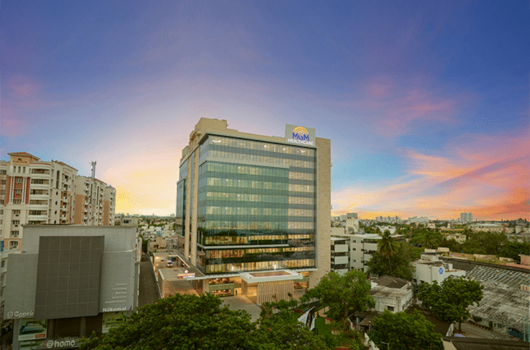
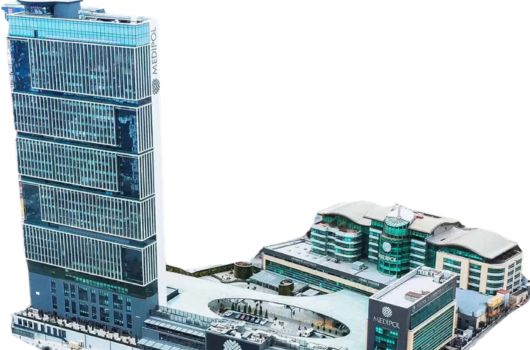
India’s leading hospitals for retrosigmoid approach surgery include Manipal Hospital, Apollo Hospital, and Fortis Hospital in Bangalore; Max Hospital, Saket, BLK-Max Super Speciality Hospital, Manipal Hospital Dwarka, Medanta – The Medicity, Institute of Brain and Spine (IBS) Hospital, Indraprastha Apollo Hospital, and Fortis Hospital in Delhi; Apollo Proton Cancer Centre (APCC), Apollo Hospital, SIMS Hospital, MGM Healthcare, and Rela Hospital in Chennai; Nanavati Max Super Speciality Hospital, Apollo Hospital, and Fortis Hospital in Mumbai; and Apollo Hospital in Hyderabad. These centres provide advanced microsurgical skull base techniques, intraoperative neuro-monitoring, precision imaging, and comprehensive multidisciplinary care, aimed at safe tumour removal and preservation of hearing and facial nerve function.
In Thailand, Samitivej Sukhumvit Hospital in Bangkok is internationally recognised for advanced microsurgical skull base surgery, intraoperative cranial nerve monitoring, precision imaging, and integrated multidisciplinary care. The hospital also offers structured international patient services, supporting patients travelling from overseas for specialised treatment.


DISCLAIMER: THIS WEBSITE DOES NOT PROVIDE MEDICAL ADVICE
The information, including but not limited to, text, graphics, images and other material contained on this website are for informational purposes only. No material or content on this site is intended to be a substitute for professional medical advice, diagnosis, or treatment. Always seek the advice of your physician or other qualified health care provider with any questions you may have regarding a medical condition or treatment and before undertaking a new health care regimen, and never disregard professional medical advice or delay in seeking it because of something you have read on this website - www.myheco.com

.png)