
Solitary plasmacytoma treatment focuses on managing a single tumour formed by abnormal plasma cells. These tumours can appear in the bone (solitary bone plasmacytoma) or in soft tissues such as the upper airway (extramedullary plasmacytoma). Unlike multiple myeloma, this condition affects only one location and does not involve widespread bone marrow disease.
Most solitary plasmacytomas are highly sensitive to radiation therapy, which is the primary treatment. Some patients may need surgery, especially when the tumour causes fractures, spinal cord compression, or airway obstruction. In selected cases, doctors may advise chemotherapy or targeted therapy if the risk of progression is high.
A common misconception is that solitary plasmacytoma always turns into multiple myeloma. While some cases may progress over time, many patients achieve long-term control with early diagnosis and timely treatment.
Doctors decide on the best treatment plan based on:
With proper treatment and structured follow-up, many patients lead normal, active lives. Doctors decide treatment based on tumour type and risk of progression. Regular follow-up is important to monitor changes.

Solitary plasmacytoma needs timely treatment because plasma cell tumours can damage nearby tissues, weaken bones, or compress vital structures. Treating them early prevents complications and lowers the risk of progression to multiple myeloma.
The exact cause is not always known, but several factors may increase the risk:
Symptoms vary depending on the tumour’s location:
Doctors recommend starting treatment when:
Early diagnosis and proper treatment improve long-term outcomes. Doctors decide treatment timing based on symptom severity and test findings.Myheco supports international patients in accessing expert care quickly and safely.
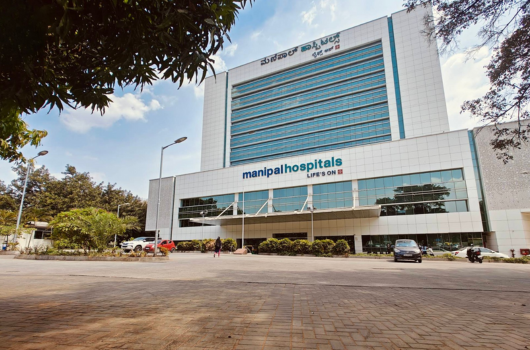
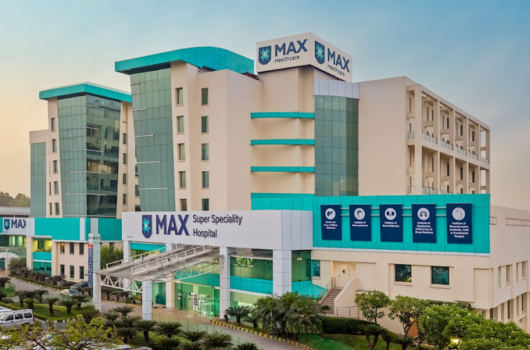
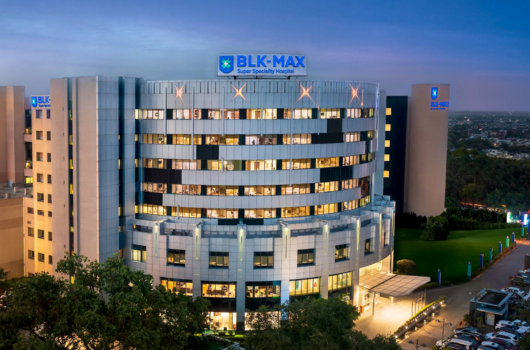
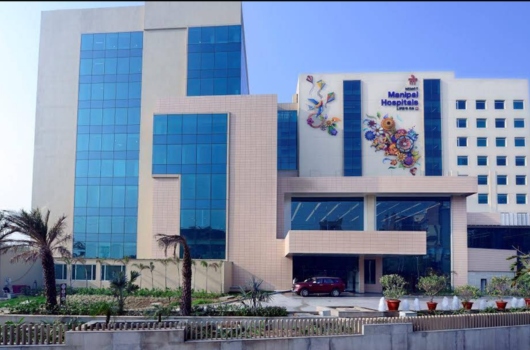
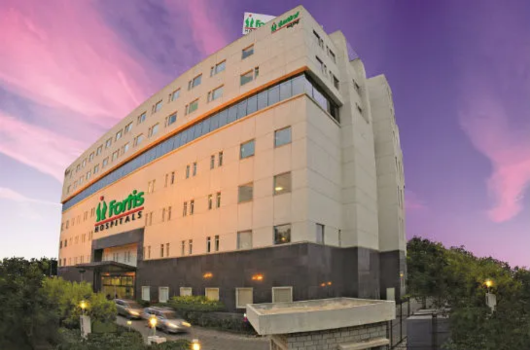
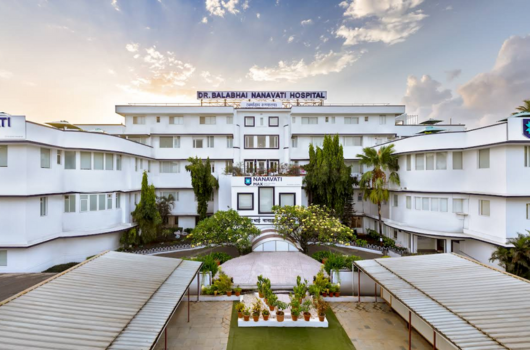
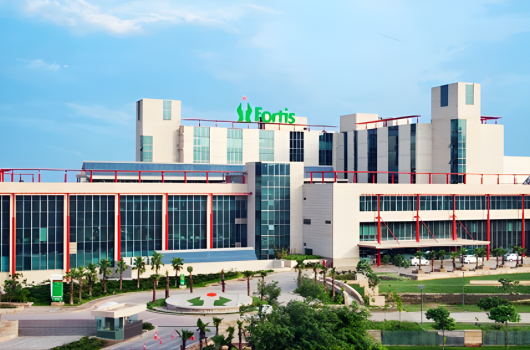
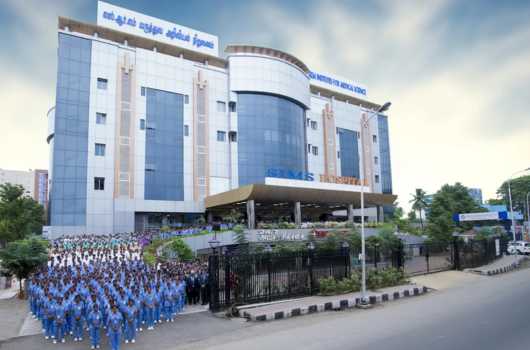
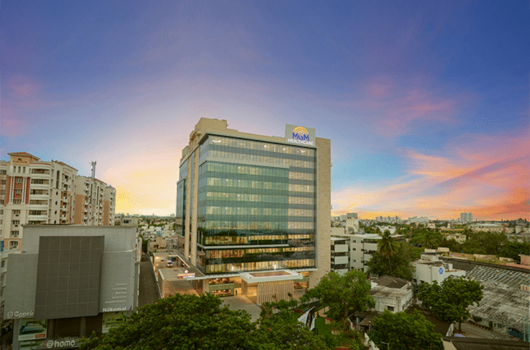
Several leading hospitals across India provide advanced diagnosis, radiation therapy, and specialised oncology services for solitary plasmacytoma treatment. These centres are trusted by international patients for their technology, expertise, and global patient support.


.jpg)


.png)
.png)
%20%E2%80%93%20Banjara%20Hills%2C%20Hyderabad.png)
.png)
.png)
.png)
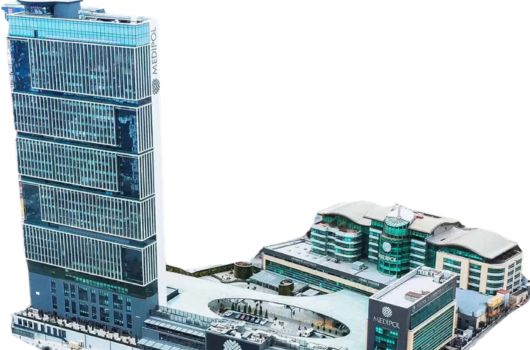
These hospitals combine modern infrastructure, experienced specialists, and international patient facilities to deliver safe and effective plasmacytoma care.
The average cost of Solitary Plasmacytoma treatment typically falls between $2,500 and $7,000 in India and from $3,000 and $15,000 in Thailand. However, the exact amount can differ depending on factors such as the type of treatment, the hospital’s location, and whether additional therapies like chemotherapy or targeted therapy are required. Before reviewing the cost tables, it’s useful to understand the main factors that influence overall expenses.
Note: India has become a preferred destination for advanced treatment, offering world-class care at a fraction of the international cost. Patients benefit from expert specialists, modern medical technology, and cost-effective access to high-quality care.
Note: Thailand has established itself as a premium destination for advanced treatment, offering world-class hospitals, cutting-edge technology, and internationally trained specialists. Patients choose Thailand not only for high-quality care but also for its holistic and patient-focused service standards.
The above figures are approximate and can vary based on the hospital, location, and individual patient requirements. Always consult the healthcare provider for the most accurate and up-to-date pricing.
The currency conversion rates in the table above are based on data from March 2026.
Doctors plan treatment based on individual needs, so costs may vary depending on the therapy approach, hospital, and patient condition.
For a detailed cost estimate and guidance on treatment options, patients can contact myheco to connect with leading hospitals specialising in Solitary Plasmacytoma care.
How long can someone live with solitary plasmacytoma? The answer depends on factors such as the type of plasmacytoma, its location, and how early treatment begins.
Solitary plasmacytoma is a localised plasma cell cancer, and when diagnosed early, it often responds well to treatment, especially radiation therapy, which is considered the primary treatment approach.
Cllinical evidence from published medical literature, including a review in the Mediterranean Journal of Hematology and Infectious Diseases, shows that local control rates can reach up to 95% in extramedullary plasmacytoma.
Long-Term Outcomes:
Despite these risks, many patients can maintain a good quality of life for years, especially with regular follow-up and monitoring.
This highlights the importance of early diagnosis and timely treatment.
One of the most common questions patients ask is whether the condition can be cured. The answer depends on the disease type and how early treatment begins. While not all cases are permanently curable, many patients achieve long-term remission and stable disease control.
In solitary plasmacytoma treatment, “success” may include:
Leading hospitals follow evidence-based, multidisciplinary approaches to improve outcomes:
With timely intervention and comprehensive care, many patients can achieve effective disease control and maintain a good quality of life.
From connecting patients with top oncology specialists to arranging online consultations and personalised treatment plans, myheco ensures a smooth and well-coordinated medical journey. With support for travel, hospital choice, and post-treatment care, patients can focus on recovery while myheco manages all logistics and assistance.
Choosing myheco means expert care, faster access, and comprehensive support throughout your treatment journey.
Note: Myheco does not provide medical advice.
✅ Share your medical reports
✅ Receive personalised treatment plans from leading hospitals
✅ Choose the option that suits you best
✅ Let us handle the arrangements

Yes, it is a localised plasma cell cancer found in a single bone or soft-tissue site. Early treatment helps control the tumour and prevent complications. Doctors confirm the diagnosis through imaging and biopsy before starting treatment.
Radiation therapy is the most common and effective treatment. Surgery is used only when structural support or decompression is needed. Doctors choose treatment based on tumour location and patient condition.
Yes, some patients may develop multiple myeloma over time, which is why long-term follow-up is essential. Doctors monitor patients regularly to detect any signs of progression.
Most patients complete treatment within 3-6 weeks, depending on tumour size and location. Duration may vary based on the treatment plan and individual response.
Costs vary depending on the hospital, treatment type, and diagnostics. Costs are approximate and may vary based on hospital, location, and patient needs. Doctors plan treatment based on clinical needs, which can influence overall costs.
Haematologists, medical oncologists, and radiation oncologists work together to manage this condition. The care team may vary depending on the hospital and treatment approach.
India’s leading hospitals for Solitary Plasmacytoma treatment include Apollo Proton Cancer Centre and Apollo Cancer Institute, SIMS Hospital, MGM Healthcare, Rela Hospital, and Asian Institute of Nephrology & Urology (AINU) in Chennai; Manipal Hospital, Apollo Hospital, and Fortis Hospital in Bangalore; Manipal Hospital Dwarka, Max Super Speciality Hospital, BLK-Max Super Speciality Hospital, Medanta – The Medicity, Indraprastha Apollo Hospital, Apollo Athena Cancer Hospital, and Fortis Hospital in Delhi; Nanavati Max Super Speciality Hospital, Apollo Hospital, and Fortis Hospital in Mumbai; and Apollo Hospital and Asian Institute of Nephrology & Urology (AINU) in Hyderabad. These centres are recognised for advanced radiation therapy, multidisciplinary oncology care, precision diagnostics, and personalised treatment planning. Patients are advised to consult specialists to determine the most suitable hospital based on their condition.
In Thailand, Samitivej Sukhumvit Hospital in Bangkok is internationally recognised for advanced oncology care, precision radiation therapy, and comprehensive cancer treatment services. The hospital also offers dedicated international patient support and multidisciplinary cancer care programs. Final treatment decisions should be made in consultation with qualified oncologists.
Yes, most hospitals allow one or two attendants with a valid medical attendant visa.
How does myheco support solitary plasmacytoma patients?
Myheco assists with doctor consultations, cost estimates, visa support, airport pickup, and follow-up coordination to ensure a smooth treatment journey.


DISCLAIMER: THIS WEBSITE DOES NOT PROVIDE MEDICAL ADVICE
The information, including but not limited to, text, graphics, images and other material contained on this website are for informational purposes only. No material or content on this site is intended to be a substitute for professional medical advice, diagnosis, or treatment. Always seek the advice of your physician or other qualified health care provider with any questions you may have regarding a medical condition or treatment and before undertaking a new health care regimen, and never disregard professional medical advice or delay in seeking it because of something you have read on this website - www.myheco.com

.png)