
Throat cancer treatment may include surgery, radiation therapy, chemotherapy, or a combination of these approaches. The main aim is to eliminate or control cancer cells in the throat, prevent the disease from spreading, relieve symptoms, and enhance the patient’s quality of life.
A throat tumour refers to an unusual growth in the throat. These growths may be benign (non-cancerous) or malignant (cancerous). Throat cancer is the term used for malignant tumours, which tend to grow quickly and may spread to nearby areas such as the voice box, neck, or lymph nodes.
Why does throat cancer occur? Throat cancer occurs when cells in the throat grow uncontrollably, often due to factors like tobacco or alcohol use, HPV infection, acid reflux, or a weakened immune system. These changes can damage healthy tissues and lead to malignant tumours over time.
A common myth is that it only affects smokers, but non-smokers can also develop the disease due to factors like HPV infection, alcohol use, or genetics. Some people believe throat cancer is always fatal, but early detection and advanced treatments have greatly improved survival rates. Another myth is that throat cancer only occurs in older adults, yet younger individuals can also be at risk.
Throat cancer treatment can be highly effective, especially when diagnosed early, as it helps control the disease, ease symptoms, and extend survival. Even in advanced stages, treatment can reduce pain, improve swallowing, and support better breathing. Doctors design a treatment plan based on the type and stage of the cancer, as well as the patient’s age and overall health.
Receiving timely and appropriate treatment can significantly improve recovery, comfort, and overall outcomes for international patients seeking care through myheco.

Throat cancer treatment is essential to stop the cancer from spreading, relieve symptoms, and improve quality of life. Without treatment, throat cancer can make swallowing, speaking, and breathing painful or difficult. Timely treatment can help patients feel relief, regain comfort, and increase life expectancy.
The most common factors that can increase the risk of throat cancer include:
Early throat cancer symptoms are often mistaken for a common cold, sore throat, or minor voice problem, which can delay diagnosis. Key symptoms to watch for include:
Doctors usually recommend throat cancer treatment in the following situations:
Finding throat cancer early and starting treatment promptly can significantly improve outcomes. If you or a loved one notice any of these symptoms, myheco can connect you with experienced cancer specialists at trusted hospitals.
Some of the world’s leading hospitals provide specialised care for throat cancer patients. These centres offer advanced treatment options with highly experienced oncologists, head and neck surgeons, and multidisciplinary care teams.
Leading hospitals for throat cancer care include:
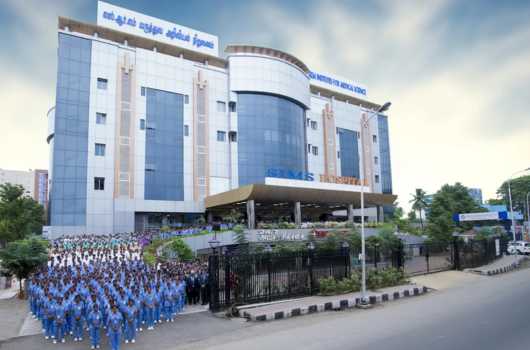

.png)








.png)

These hospitals follow international guidelines for cancer care and are equipped to support patients from various countries, from diagnosis and treatment to follow-up care after returning home.
The average cost of throat cancer treatment is between $1,900 and $7,700 in India, and from $2,800 to $7,300 in Thailand, though the exact amount can vary depending on several factors such as the treatment approach, the hospital’s location, and the stage of the disease. Before looking at the detailed table of treatment-wise expenses, it is important to understand the main elements that influence the overall cost.
Note: India has become a preferred destination for advanced cancer treatment, offering world-class care at a fraction of the international cost. Patients benefit from expert oncologists, modern medical technology, and affordable access to high-quality generic medicines, making treatment both effective and economical.
Note: Thailand has established itself as a premium destination for cancer treatment, offering world-class hospitals, advanced technology, and internationally trained oncologists. Patients choose Thailand not only for its high-quality medical care but also for its holistic approach, combining clinical excellence with exceptional comfort and service standards.
The above figures are approximate and can vary based on the hospital, location, and individual patient requirements. Always consult the healthcare provider for the most accurate and up-to-date pricing.
The currency conversion rates in the table above are based on data from February 2026.
For a detailed cost estimate and guidance on treatment options, patients can contact myheco to connect with leading hospitals specialising in cancer care.
Success rates for throat cancer treatment depend greatly on how early the disease is diagnosed and treated.
Success in throat cancer treatment does not always mean a full cure. It may involve:
Leading hospitals provide advanced, patient-focused care for throat cancer with personalised treatment plans. Their approach includes:
This combination of technology, expertise, and holistic support helps improve outcomes, reduce symptoms, and enhance quality of life.

Dr. C. Rayappa, Senior Consultant in Head & Neck Oncology and Skull Base Surgery at Apollo Cancer Centre, Chennai, explains that Apollo has been a pioneer in establishing the Head and Neck and Skull Base Surgery department. Over the past 25 years, Apollo has developed a comprehensive programme offering both open and endoscopic surgeries. He further highlights that the hospital focuses on minimally invasive methods, using endoscopes, lasers, and robotic technology to enhance patients’ quality of life while maintaining the highest standards of cancer care.

Dr. S. Kannan, Consultant, Head and Neck Oncosurgeon at Apollo Proton Cancer Centre, Chennai, emphasises the importance of understanding the thyroid, as it plays a vital role in growth, childbirth, and daily body functions. He explains that thyroid cancer is one of the most common cancers in women aged 15 to 55 years and often appears as nodules in the neck. While most of these nodules are not cancerous, accurate diagnosis through ultrasound and FNAC is essential. The primary treatment is surgery, which is often followed by radioactive iodine therapy. With early detection, cure rates are above 95%. He also notes that preserving important nerves and glands during surgery supports better recovery and quality of life.
Travelling abroad for throat cancer treatment requires careful medical planning and coordinated support. From selecting experienced head and neck specialists to arranging timely surgery or radiation therapy, every step must be managed efficiently. Myheco simplifies this journey by facilitating expert consultations, organising travel logistics, and ensuring continuous assistance from diagnosis review to recovery and follow-up care.
Choosing myheco means expert care, faster access, and comprehensive support throughout your treatment journey.
Note: Myheco does not provide medical advice.
Mr. Hassan Ibrahim, from Somaliland, bravely battled stage 3 throat cancer at Max Super Speciality Hospital, Saket, under the care of Dr. Dodul Mondal, Director of Radiation Oncology. Before coming to India, he struggled with severe symptoms that made eating, drinking, and speaking nearly impossible.
At Max Hospital, he underwent advanced helical tomotherapy combined with weekly low-dose chemotherapy, a precise treatment that targeted the tumour while protecting surrounding organs. After three months, follow-up scans confirmed a complete cure, with his tumour fully eradicated.
✅ Share your medical reports
✅ Receive personalised treatment plans from leading hospitals
✅ Choose the option that suits you best
✅ Let us handle the arrangements

In the beginning, symptoms can appear similar to a cold or sore throat. Warning signs include a sore throat that does not go away, changes in the voice, pain when swallowing, or a lump in the neck. If these symptoms persist for more than two weeks, it is important to see a doctor.
Myheco reviews your medical reports and recommends hospitals and specialists based on your condition, treatment options, and convenience.
We assist with pre-travel consultations, visa and document guidance, flight arrangements, cost estimates, and airport transfers. Multilingual patient coordinators support you throughout your treatment journey.
Throat cancer is treated by ENT specialists, head and neck oncologists, radiation oncologists, or medical oncologists, depending on the specific case.
Treatment may include surgery, radiation, chemotherapy, targeted therapy, immunotherapy, or a combination, depending on the type and stage of cancer. Treatment options for throat cancer vary based on the type, stage, and individual health of the patient. Always consult a qualified oncologist to determine the most appropriate and personalised treatment plan.
India has several leading hospitals that specialise in throat cancer care. In Chennai, top centres include SIMS Hospital, MGM Healthcare, Apollo Cancer Institute, and the Apollo Proton Cancer Centre. Manipal Hospital Main Hospital Oncology in Bangalore provides throat cancer care with surgical, medical, and radiation oncology. In Delhi, leading hospitals are Manipal Hospital Dwarka, Max Hospital Saket, and BLK-Max Hospital, known for expertise in robotic surgery and precision radiotherapy. In Mumbai, Nanavati Max Hospital is recognised for advanced surgical oncology. In Kolkata, Manipal Hospitals EM Bypass (Medica Synergie Cancer Hospital) is known for the multidisciplinary management of throat cancer.
Samitivej Sukhumvit Hospital and Samitivej Srinakarin Hospital are highly recommended for throat cancer treatment. They provide advanced care with expertise in minimally invasive surgery, robotic-assisted procedures, precision radiotherapy, and personalised treatment plans for each patient.


DISCLAIMER: THIS WEBSITE DOES NOT PROVIDE MEDICAL ADVICE
The information, including but not limited to, text, graphics, images and other material contained on this website are for informational purposes only. No material or content on this site is intended to be a substitute for professional medical advice, diagnosis, or treatment. Always seek the advice of your physician or other qualified health care provider with any questions you may have regarding a medical condition or treatment and before undertaking a new health care regimen, and never disregard professional medical advice or delay in seeking it because of something you have read on this website - www.myheco.com

.png)